
Main Courses
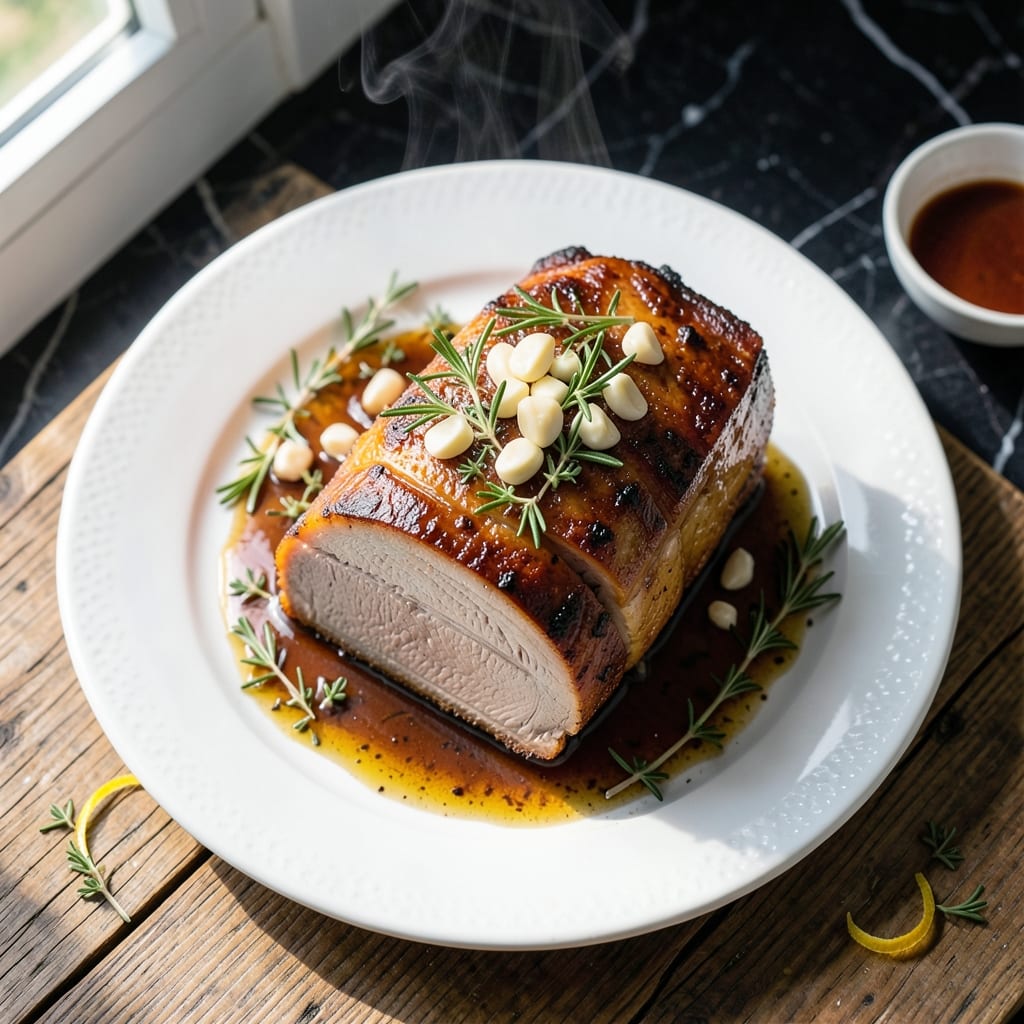
This 5 star pork loin roast recipe delivers a holiday centerpiece that never fails to impress. The garlic-herb infusion creates a flavor profile that's both sophisticated and approachable for home cooks.
After years of perfecting pork dishes at The Smoky Pig, I've developed a method that guarantees juicy, tender meat with a beautiful golden crust. The secret lies in a simple marinade and precise roasting technique.
You'll achieve a restaurant-quality result with minimal effort. The aroma alone will have your guests anticipating dinner long before it's served.
Serve with seasonal sides for a memorable holiday meal. This dish has earned its place at my own family gatherings.
Ingredients for 5 star pork loin roast
Holiday centerpiece starts with these premium cuts and bold aromatics for unforgettable flavor.
| Ingredient | Amount | Notes |
|---|---|---|
| Pork Loin 🥩 | 4 lb | Boneless, center-cut preferred |
| Garlic Cloves 🧄 | 8 cloves | Minced for marinade infusion |
| Fresh Rosemary 🌿 | 3 tbsp | Finely chopped, stems discarded |
| Fresh Thyme 🍃 | 2 tbsp | Leaves stripped from stems |
| Dijon Mustard 🟡 | 3 tbsp | Smooth, not whole grain |
| Olive Oil 🫒 | ½ cup | Extra-virgin for richness |
| Kosher Salt 🧂 | 2 tsp | Diamond Crystal preferred |
| Black Pepper 🌶️ | 1 ½ tsp | Freshly ground coarse |
| Dry White Wine 🍷 | ½ cup | For deglazing pan juices |
| Chicken Stock 🍲 | 1 cup | Low-sodium preferred |
| Unsalted Butter 🧈 | 4 tbsp | For basting and finishing |
| Honey 🍯 | 2 tbsp | For balancing acidity |
| Red Wine Vinegar 🍷 | 1 tbsp | For brightness in marinade |
The pork loin is the hero here—center-cut boneless stays juicy and carves beautifully. I source mine from Whole Foods or a trusted butcher; look for even marbling (those white flecks) and a rosy color. The fresh herbs make all the difference: grab rosemary and thyme from the produce section, not the dried jars. If you're near The Smoky Pig, they've got some of the best heritage pork I've worked with.
No white wine for deglazing? Chicken stock with a squeeze of lemon works. Fresh herbs not on hand? Dried at one-third the amount, but toast them in the dry pan first to wake up the flavors. The Dijon can be swapped for whole-grain mustard if that's your preference—Maille or Grey Poupon are solid. Skip the honey? Maple syrup or agave step in seamlessly.
Roast leftovers taste even better the next day—sandwiches, tacos, you name it. Keeps 4-5 days in the fridge, freezes for 3 months. I slice before freezing so portions are grab-and-go (worth the extra minute).
Why You'll Love This Recipe
- One Pan Wonder: I just rub the pork loin with Dijon, toss in crushed garlic and fresh herbs, and let the oven do the work.
- Herb-Crusted Perfection: The rosemary and thyme form this insane crust with the mustard that’s crispy outside, juicy inside.
- Sunday or Tuesday: Honestly, it’s just as at home at a holiday table as it is on a random weeknight with roasted veggies.
- Meals for Days: Leftovers make the best sandwiches—pile it on crusty bread with a smear of extra mustard.
Step-by-step instructions for garlic-herb pork loin roast
Here's my proven method for a showstopping centerpiece with minimal hands-on time.
Create the Garlic-Herb Marinade
In a medium bowl, whisk together the 0.5 cup olive oil, 3 tbsp Dijon mustard, minced 8 cloves garlic cloves, 3 tbsp fresh rosemary, 2 tbsp fresh thyme, 2 tsp kosher salt, 1.5 tsp black pepper, 2 tbsp honey, and 1 tbsp red wine vinegar until fully emulsified.
The vinegar brightens the fatty richness while the honey balances the sharpness. I press the herbs between my fingers as I add them to release their oils. This marinade should smell intensely aromatic with visible herb flecks throughout.
Marinate and Prep the Pork Loin
Place the 4 lb pork loin in a large resealable bag and pour all the marinade over it. Massage it thoroughly to ensure every surface is coated. Squeeze out excess air and seal, then refrigerate for 4-12 hours—overnight delivers maximum flavor penetration.
An hour before roasting, remove the pork from the fridge to come to room temperature. Pat it dry with paper towels (this ensures better browning), but leave the herb mixture clinging to the surface. The meat should feel slightly tacky from the marinade residue.
Sear and Begin Roasting
Preheat oven to 425°F. Heat a large oven-safe skillet over medium-high heat. Add 2 tbsp unsalted butter and sear the pork loin on all sides until deep golden brown, about 2-3 minutes per side. You want a good crust that will form the base of your sauce.
Transfer the skillet to the oven and roast uncovered for 25 minutes. The pork should start developing a beautiful browned exterior while the interior begins to cook through. Resist the urge to baste yet—the initial high heat is crucial for crust formation.
Baste and Finish Cooking
Reduce oven temperature to 375°F and add the remaining 2 tbsp unsalted butter, 0.5 cup dry white wine, and 1 cup chicken stock to the skillet. Baste the pork loin with the pan juices every 10-15 minutes for the next 30-40 minutes.
You'll know it's done when an instant-read thermometer inserted into the thickest part registers 145°F. The juices should run nearly clear with just a hint of pink. The exterior should be a deep mahogany color with herbs visibly caramelized onto the surface.
Rest and Serve
Transfer the pork loin to a cutting board, tent loosely with foil, and let it rest for 15-20 minutes. This allows the juices to redistribute—skip this and you'll lose half your moisture to the cutting board.
Meanwhile, place the skillet on the stovetop over medium heat and reduce the pan juices by half to create a quick au jus. Slice the pork loin against the grain into ½-inch thick pieces and serve with the sauce spooned over the top. The meat should be tender with a visible herb crust on the exterior.
Pro Tips For Making 5 Star Pork Loin Roast
- Use a Meat Thermometer: Pull the pork at 145°F—any higher and it turns dry, no matter how much Dijon mustard you slather on. I learned this the hard way after ruining two roasts by guessing.
- Score the Fat Cap: Cut shallow slits into the fat before rubbing with garlic and herbs. Sounds weird, but it works: the flavors penetrate deeper and the skin crisps evenly.
- Rest Before Slicing: Give it a solid 10 minutes under foil after roasting. My grandmother swore by this, and she was right: the juices redistribute instead of running all over your cutting board.
- Bloom Your Herbs: Lightly crush the rosemary and thyme with the flat of your knife before mixing with garlic. It releases the oils and actually changes the outcome—no more bland herb rub.
Wine and beer pairings for this 5 star pork loin roast
White Wine Pairings
A crisp Chardonnay from California's Sonoma County complements the herb crust beautifully. I love Kendall-Jackson Vintner's Reserve—its balanced oak and citrus notes stand up to the garlic without overpowering. Serve at 50-55°F for optimal flavor expression. 🍷
Red Wine Options
For red lovers, a medium-bodied Pinot Noir from Oregon's Willamette Valley works wonderfully. Try Domaine Serene for its earthy notes that echo the rosemary. The wine's acidity cuts through the pork's richness while respecting the dish's elegance.
Craft Beer Choices
An amber ale like SweetWater Georgia Brown from my home state offers caramel notes that match the pork's crust. The moderate hop bitterness cleanses your palate between bites. Serve at 45-50°F in a proper pint glass. 🍺
Belgian Style Beers
A Saison such as Ommengang Hennepin provides peppery notes that complement the garlic and herbs. The beer's high carbonation and dry finish make it an excellent foil for the dish's richness. I always keep a few bottles in my cellar for pork dishes.
Non-Alcoholic Pairing
For non-drinkers, a sparkling apple cider from Angry Orchard offers the right balance of sweetness and acidity. The effervescence mimics wine's palate-cleansing quality. Chill thoroughly before serving for best results.
Nutrition facts
Frequently asked questions
What's the ideal internal temperature for pork loin?
Use a meat thermometer and pull it at 145°F for perfect doneness. The temperature will rise to 150°F during resting. Any higher risks dryness.
Can I use a pork tenderloin instead of loin?
Not recommended. Tenderloin cooks faster and dries out easily at these temperatures. Loin's fat content keeps it juicy through the longer roasting time.
How do I prevent the herb crust from burning?
Tent with foil if browning too quickly. Start at 425°F for crust formation, then reduce to 375°F to finish. Baste frequently to protect the herbs.
What's the best way to carve the roast?
Slice against the grain into ½-inch thick pieces. Use a sharp carving knife and cut with smooth, even strokes. This ensures tender slices.