
What changed, and what it changed for you
When *Pork Recipes Fan* began, it was a scrappy collection of notes I’d scribbled down over years of cooking for family. Recipes were rough, photos were stolen, and the site felt more like a personal diary than a resource. I’d post what I remembered, not what actually worked. The result?
A lot of confusion, a few failed dishes, and readers who’d email asking why their version didn’t turn out.
Now, the site is built on two rules: *test everything* and *show the real thing*. Every recipe is cooked at least twice—once by me, once by someone who isn’t me—to catch mistakes.
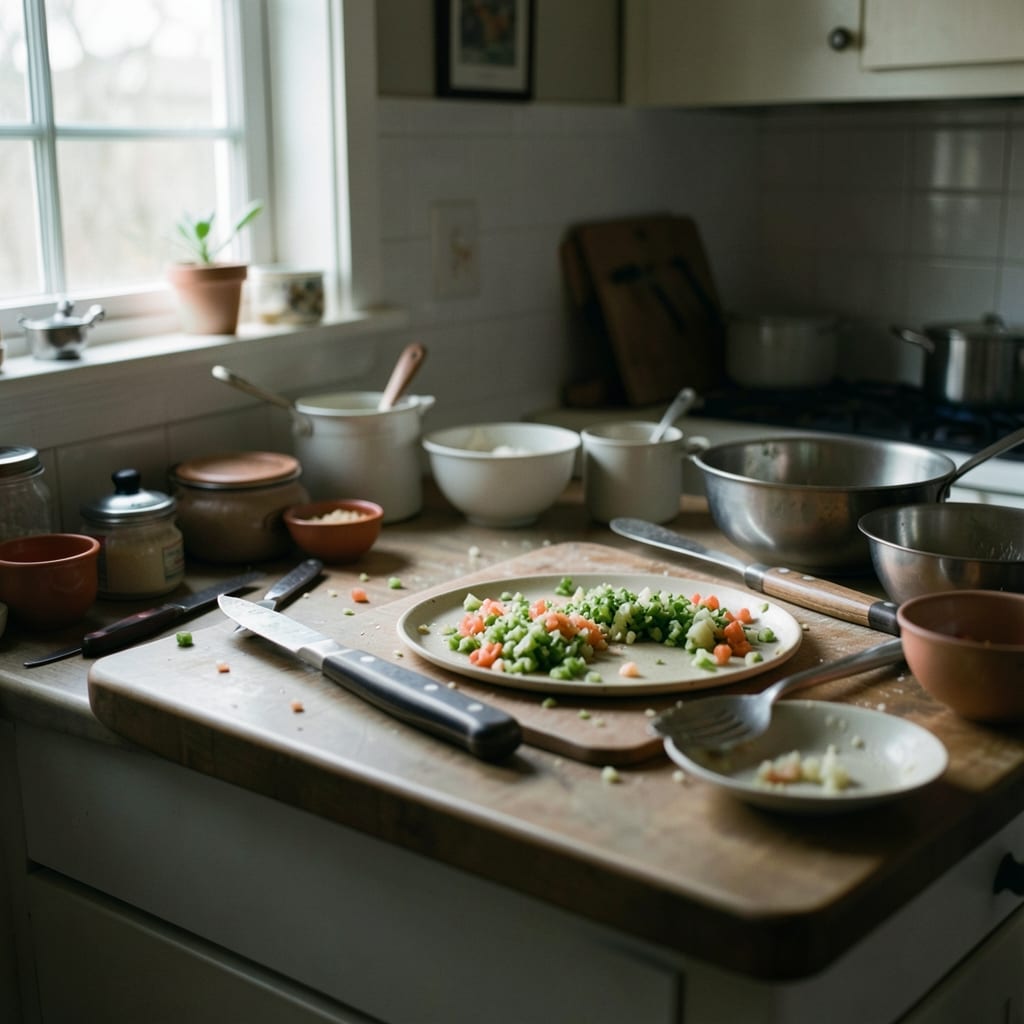
Photos aren’t staged; they’re taken in my kitchen, with the same pots, the same lighting, and sometimes even the same mess. The goal isn’t perfection—it’s honesty. If a dish is tricky, we say so. If a step is confusing, we reword it. The changes aren’t about making things look better.
They’re about making them *work* for you.
| It used to be | Now it is |
|---|---|
| Recipes copied from other sites without verification | Every recipe tested by at least two cooks, including a volunteer tester |
| Photos from stock libraries or poorly lit snapshots | All photos shot in my kitchen with natural light, often multiple angles per dish |
| No structure—just whatever I remembered writing down | Standardized format: ingredient lists, step-by-step instructions, troubleshooting notes |
| Reader questions answered in the comments or via email | Dedicated FAQ section for common issues, with updates based on reader feedback |
The one that took years
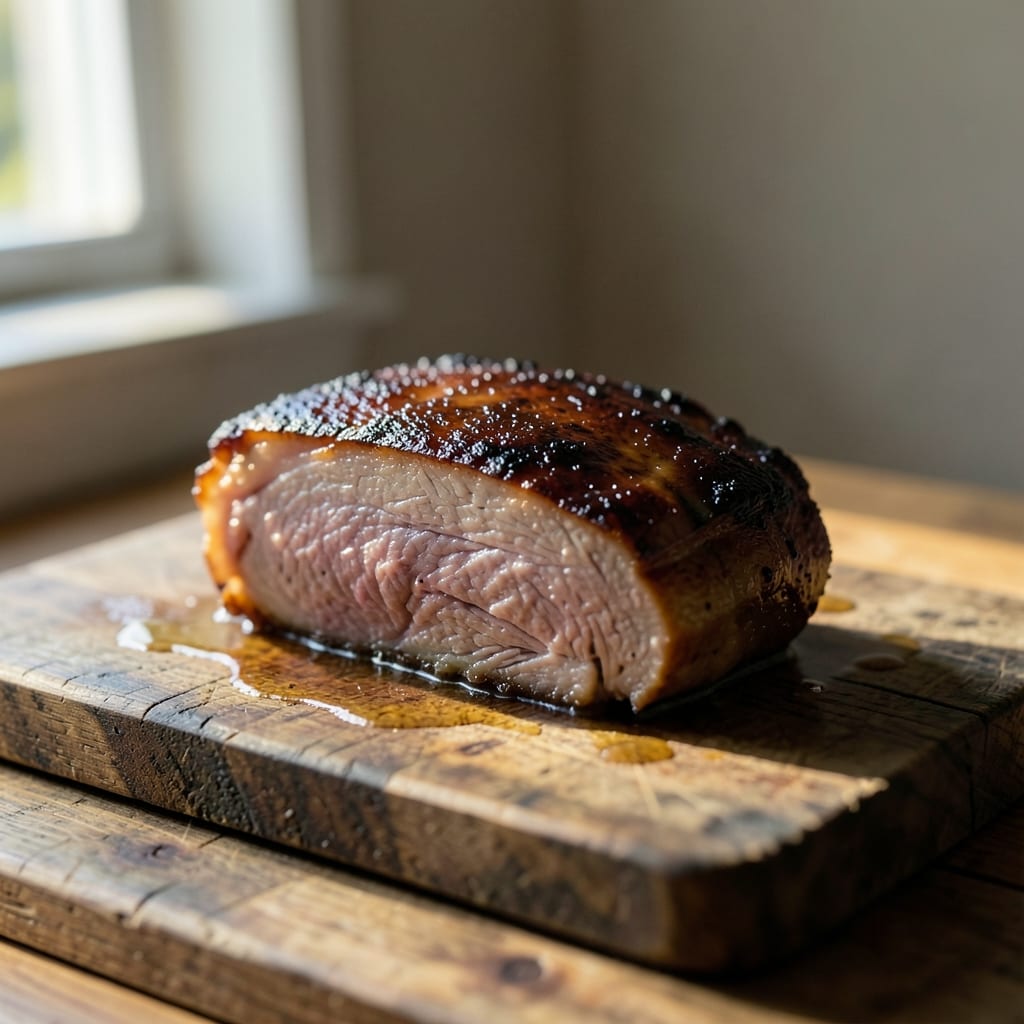
The biggest problem wasn’t the recipes. It was the *photos*. For years, I used stock images or whatever I could grab from my phone when a dish turned out. The result? Recipes that looked nothing like the food you’d actually make.
Readers would follow instructions perfectly and still end up with something that didn’t match the picture. I’d get messages like *‘This doesn’t look like your photo—did I mess up?’* The answer was always no. The photo was the mess-up.
I knew it was wrong, but I didn’t know how to fix it. Buying a decent camera would cost money. Learning to edit photos properly would take time. And even if I did, I’d have to shoot *every* dish myself, which meant more work, more delays.
For a while, I told myself it wasn’t a priority. Then I realized the photos weren’t just decoration—they were the first thing people saw. If they didn’t trust what they saw, they wouldn’t trust the recipe.
It took three years to save enough for a used mirrorless camera, a tripod, and basic lighting. The first hundred photos were a disaster—I’d set up shots that looked fine on the screen but turned out flat or overexposed in real life.
Now, I shoot every dish in the same way: same background, same lighting, same angle for the main shot. It costs about $200 a year in gear maintenance, and it adds two hours to every recipe post. But the difference is night and day.
Readers no longer question whether the food will turn out. They just start cooking.
Meet the author

I used to think cooking was about following rules. If a recipe said *‘sear the pork for 3 minutes per side,’* I’d set a timer and walk away. If the meat stuck, I’d blame the pan. If the flavor was off, I’d assume it was the cut.
I’d write recipes the same way—rigid, unyielding, with no room for the fact that kitchens are messy and people are different. The result? Recipes that sounded great but rarely worked for anyone but me.
I also used to believe that if I didn’t have time to test a dish properly, I should just post what I had. Once, I published a recipe for *lechón asado* that I’d adapted from a family friend’s notes—no testing, no adjustments.
A reader tried it and sent me a photo of a dry, overcooked roast. I ignored it. Then another reader messaged, and another. I kept telling myself it was their fault. It wasn’t until I finally cooked it myself that I realized the mistake wasn’t theirs. It was mine.
What changed is I stopped pretending I had all the answers.
Now, I run *Pork Recipes Fan* the way I wish I’d run it from the start: with patience, with testing, and with the understanding that cooking isn’t about perfection—it’s about what actually happens in your kitchen.
Gustavo Sandoval tests every recipe twice, troubleshoots every step, and updates the site based on what readers tell him. If a method fails, he fixes it. If a photo is misleading, he reshoots it. The goal isn’t to be the best cook in the world.
It’s to make sure the recipes here work for *you*.
What did not change
The core of this site hasn’t wavered since day one: pork is the star. Whether it’s a slow-cooked *lechón* from my abuela’s kitchen or a quick stir-fry with store-bought bacon, the focus has always been on pork in its many forms.
The techniques might’ve gotten sharper, the photos clearer, but the love for the ingredient hasn’t. Neither has the belief that great pork dishes don’t need fancy tools—just time, attention, and a little know-how.
Another thing that stayed the same is the voice. This site was never meant to sound like a textbook. It’s still written the way I’d explain a recipe to a friend: casually, with shortcuts where they make sense, and without jargon.
The tone might’ve gotten more polished, but it’s still *mine*—imperfect, opinionated, and unapologetic about calling out a bad technique when I see one.
What is still being fixed
Right now, the biggest project is making the site faster—especially on mobile. Some of the older recipe pages load slowly because of large image files, and that’s frustrating when you’re mid-cooking and just want the steps.
We’re optimizing images, simplifying the layout, and testing new ways to serve content without slowing things down. It’s the kind of fix that doesn’t get noticed unless it’s broken, but it matters.
If you’ve got ideas for how to make the site better—whether it’s a feature you’d love to see, a recipe you’d love to test, or even just a way to navigate the site more easily—let us know. The contact page is the best place to share your thoughts.
Things that would help
- A suggestion for a new recipe category (e.g., *quick weeknight pork*, *global pork dishes*)
- Feedback on how to improve mobile navigation or load times
- Ideas for better organizing related recipes (e.g., *‘best pork cuts for beginners’* guides)
The recipes are grouped by category: Appetizers, Beverages, Breakfast & Brunch, Main Courses, Salads and Sauces & Condiments.