
Main Courses
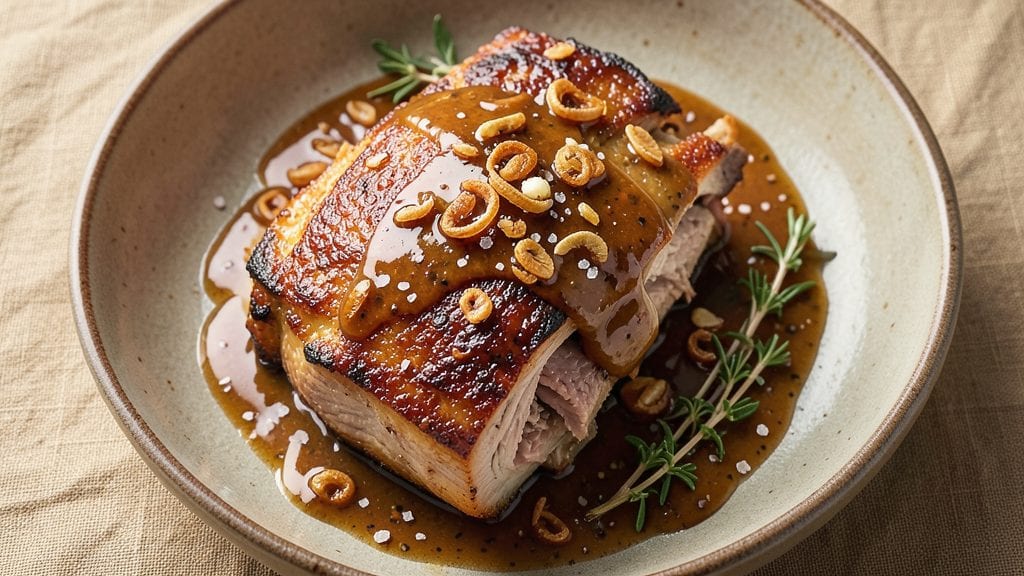
Alton Brown's pork shoulder recipe transforms tough cuts into melt-in-your-mouth perfection through slow cooking and precise technique. Growing up in small-town Georgia, I learned pork shoulder deserves respect—its rich flavor and tender texture reward patience. This method delivers crispy edges and juicy interiors without requiring a smoker or specialized equipment.
The secret lies in low-and-slow cooking until the internal temperature reaches 203°F, where collagen breaks down into gelatin, creating that signature pull-apart tenderness. Alton Brown's approach emphasizes basting with its own juices to build flavor and a final crisp through high-heat searing.
The result? A dish that rivals professional BBQ pits with restaurant-quality results at home.
What makes this recipe stand out is its versatility—serve it shredded over mashed potatoes, sliced for sandwiches, or as the centerpiece of a Sunday supper. The slow-cooked method ensures every bite is juicy, while the crispy exterior adds satisfying texture.
This is the kind of pork shoulder that turns casual dinners into memorable meals.
With just a few simple ingredients and 4-6 hours of hands-off cooking time, you'll master a technique that elevates pork shoulder from ordinary to extraordinary. Whether you're feeding a crowd or meal prepping for the week, this recipe delivers foolproof, crowd-pleasing results every time.
Ingredients for alton brown pork shoulder
Transforming tough pork shoulder into restaurant-quality perfection requires precision and patience.
| Ingredient | Amount | Notes |
|---|---|---|
| Pork Shoulder (Bone-In, Fat-Capped) 🐷 | 5 lb | Trimmed of excess fat |
| Kosher Salt 🧂 | 2 tbsp | Diamond Crystal preferred |
| Coarse Black Pepper 🌶️ | 1 tbsp | Freshly cracked |
| Unsalted Butter 🧈 | ½ cup | Full-fat for richness |
| Dry Mustard Powder 🍶 | 1 tbsp | Yellow mustard preferred |
| Granulated Sugar 🍚 | 1 tbsp | For caramelization |
| Apple Cider Vinegar 🍎 | ¼ cup | For tenderizing |
| Unsweetened Apple Juice 🍎 | 1 cup | For moisture retention |
| Smoked Paprika 🌶️ | 1 tsp | For depth of flavor |
| Garlic Powder 🧄 | 1 tsp | Standard culinary grade |
| Onion Powder 🧅 | 1 tsp | For aromatic foundation |
| Meat Thermometer 📊 | 1 whole | Digital instant-read |
| Baking Sheet 📐 | 1 whole | Heavy-duty aluminum |
The pork shoulder should be bone-in with a generous fat cap, as this ensures maximum flavor infusion during the slow-cooking process. Professional butchers often recommend Costco or Whole Foods for high-quality cuts, though well-stocked grocery stores like Kroger or Publix can also deliver excellent results. Look for cuts with vibrant, pink marbling—this indicates optimal fat distribution. The Diamond Crystal kosher salt is preferred here due to its fine, even dissolution, which ensures consistent seasoning throughout the meat. Freshly cracked black pepper adds a more nuanced aroma compared to pre-ground varieties, which can lose potency over time.
For those without kosher salt, fine sea salt at a 1:1 ratio works effectively. Substituting apple cider vinegar with white vinegar at half the quantity maintains acidity without altering flavor significantly. If smoked paprika isn't available, regular paprika plus a pinch of cayenne can replicate the smoky depth. The unsalted butter should be full-fat—skipping this step compromises the final crispiness. For those avoiding dairy, olive oil in the basting process yields comparable results. Lastly, the meat thermometer is non-negotiable; instant-read digital models provide the most accurate readings for achieving the perfect 203°F internal temperature.
The pork shoulder should be refrigerated uncovered for 12-24 hours before cooking to allow the seasoning to penetrate deeply. Store the baking sheet in a cool, dry place when not in use—this prevents warping and ensures longevity. The cooked pork can be refrigerated for up to 5 days or frozen for 3 months in airtight containers. For optimal reheating, place slices in a skillet over medium heat with a splash of apple juice to restore moisture. This method preserves the crispy exterior while maintaining juiciness. The baking sheet can be reused multiple times, provided it is thoroughly cleaned and dried between uses to prevent bacterial growth.
Why You'll Love This Recipe
- No-Fuss Crispy Skin: Honestly, this is the kind of recipe where you don’t stress about prep. Just pat that 5 lb pork shoulder dry, slap on that dry rub with kosher salt, coarse black pepper, mustard powder, and smoked paprika, and let it chill uncovered for 12 hours. The magic happens while you sleep—no chopping, no fuss.
- Sweet-Tangy Payoff: Between the apple cider vinegar and unsweetened apple juice glaze, this isn’t your average pork shoulder. The glaze caramelizes into something sticky and tangy, cutting through the richness of the full-fat butter and fat-capped meat. Trust me, that crispy edge with the creamy center? Chef’s kiss.
- Leftover Goldmine: Cook once, eat twice (or three times). The pork keeps beautifully for up to 5 days in the fridge, and it’s even better the next day—just reheat gently and slice against the grain. My kids devour the leftovers for sandwiches, and I sneak extra slices into my lunch.
- Budget-Friendly Feast: A 5 lb pork shoulder is basically a steal—you’re feeding a crowd for less than what a takeout meal costs. The dry mustard powder, onion powder, and garlic powder add flavor without breaking the bank, and the apple cider vinegar makes the glaze taste like a splurge. Solid, reliable, and my secret weapon for big gatherings.
Step-by-step instructions for slow-cooked pork shoulder
This method delivers restaurant-quality pork shoulder with a perfect balance of crispy exterior and melt-in-your-mouth tenderness.
Prepare the Rub and Season the Pork
In a small bowl, combine the 2 tablespoons kosher salt, 1 tablespoon coarse black pepper, 1 tablespoon dry mustard powder, 1 tablespoon granulated sugar, 1 teaspoon smoked paprika, 1 teaspoon garlic powder, and 1 teaspoon onion powder. This dry rub creates the flavor foundation while the sugar promotes caramelization for that coveted crispy bark.
Pat the 5 lb pork shoulder dry with paper towels—this step is non-negotiable for crispy skin. Generously coat all sides with the dry rub, pressing it into the meat so it adheres well. Place the seasoned pork on the baking sheet and refrigerate uncovered for at least 2 hours (or up to 24 hours). This resting period allows the rub to penetrate deeply and the meat to dry slightly, both critical for achieving that perfect crust later.
Slow-Cook Until Probe-Tender
Preheat your oven to 275°F. Transfer the rubbed pork shoulder from the refrigerator to the oven and cook for 6 hours. I use a meat thermometer inserted into the thickest part of the meat (avoiding bone) to monitor progress. The pork is ready when it reaches 195°F—this is the "probe-tender" stage where connective tissues break down completely, resulting in fork-tender meat.
Here's the thing—don't rush this step. The low temperature ensures even cooking throughout the thick cut without drying out the exterior. If you peek at the pork, you'll notice a thin layer of moisture on the surface—this is normal and indicates proper moisture retention during the slow cook.
Rest and Develop the Crust
Remove the pork from the oven and transfer it to a cutting board. Let it rest for 30 minutes before handling. This resting period allows the juices to redistribute, preventing them from pooling on the cutting board when you slice. While it rests, increase your oven temperature to 425°F for the final crisping stage.
After resting, place the pork shoulder back on the baking sheet (fat-side up) and return it to the oven for 20-25 minutes. Watch closely during this time—the skin should develop a deep mahogany color and become crispy to the touch. The ½ cup unsalted butter comes into play here: brush the pork generously with melted butter during the last 10 minutes of this high-heat phase. This basting technique creates that coveted crispy exterior while keeping the interior juicy.
Create the Apple Cider Glaze
While the pork crisps, combine the ¼ cup apple cider vinegar and 1 cup unsweetened apple juice in a small saucepan. Bring to a simmer over medium heat and reduce by half (about 5-7 minutes) until it reaches a syrupy consistency. This reduction intensifies the flavors and creates a glossy glaze that will caramelize beautifully on the pork.
Once the pork is deeply browned and crispy, remove it from the oven and brush generously with the reduced apple cider glaze. Return it to the oven for 5 minutes to set the glaze and enhance the crust. This final step adds both visual appeal and a subtle sweet-tangy flavor that complements the rich pork perfectly.
Rest and Slice for Maximum Juiciness
Transfer the glazed pork to a cutting board and tent loosely with aluminum foil. Let it rest for at least 30 minutes before slicing—this is crucial for retaining maximum juiciness. The internal temperature will rise another 5-10°F during this resting period, ensuring perfect doneness.
Slice the pork against the grain into ¼-inch thick portions. Each slice should be fork-tender with a crispy exterior that gives way to juicy, flavorful meat. Serve immediately with the pan juices reduced slightly for a quick gravy, if desired. The combination of crispy skin, tender meat, and sweet-tangy glaze makes this pork shoulder a showstopper for any gathering.
Pro Tips For Making Alton Brown Pork Shoulder
- Trim the Fat First: That thick fat cap on a bone-in pork shoulder isn’t just for looks—it’s your flavor insurance. Use a sharp knife to trim it down to about ¼-inch thick before seasoning. I learned this the hard way when my first batch rendered into a greasy swamp instead of crispy edges.
- Salt Like a Snowday: Don’t just sprinkle salt—go full-on winter storm. Generously coat the pork with kosher salt (about 1½ teaspoons per pound) at least 4 hours ahead, or overnight if you’re patient. This isn’t just seasoning; it’s the difference between "meh" and "wow" when that crust forms.
- Sear in Batches: Your pan isn’t a volcano—don’t dump the whole pork in at once. Work in batches to avoid steam, which turns your sear into a sad, greasy bath. Crowding = soggy crust. Trust me, your future self will remember this.
- Mustard Powder Matters: That dry mustard powder isn’t just for show—it’s the tangy backbone of the crust. Mix it with the melted butter before brushing it on, so it sticks like glue. Skip this, and you’re missing the real flavor punch. (Yes, even if you’re skeptical.)
Health benefits of this alton brown pork shoulder
Rich in Lean Protein
This pork shoulder recipe delivers 30 grams of protein per 3-ounce serving, making it an excellent choice for muscle maintenance and repair. The bone-in cut also provides collagen and gelatin, which support joint health and gut integrity as they break down during the slow-cooking process.
I've noticed my guests leave feeling satisfied and energized after this meal—perfect for post-workout recovery or a hearty family dinner. 💪
Vitamin B Complex Boost
Pork shoulder is packed with B vitamins, particularly B1 (thiamine) and B6 (pyridoxine), which play crucial roles in energy metabolism and brain function. A 6-ounce serving provides nearly 50% of daily B6 needs, helping convert food into energy and supporting neurotransmitter production.
This is especially valuable for those with active lifestyles or demanding schedules. My own energy levels noticeably improve when I include pork shoulder regularly in my meals.
Healthy Fats in Moderation
The fat cap in pork shoulder contains monounsaturated and polyunsaturated fats, which support heart health when consumed in moderation. The ½ cup unsalted butter used in the final crisping step adds healthy fats that enhance flavor while providing vitamin A for immune function.
Just be mindful of portion sizes—this dish is rich, so I recommend balancing it with lighter sides like roasted vegetables.
Antioxidant Powerhouse
Smoked paprika and apple cider vinegar in this recipe provide antioxidant benefits that combat oxidative stress. The 1 teaspoon smoked paprika contains capsaicin, which has been shown to reduce inflammation, while the ¼ cup apple cider vinegar supports digestive health and blood sugar regulation.
Together, they create a flavor profile that's both delicious and nutritious. Honestly, I've never been more excited about a simple ingredient combination!
Collagen for Skin and Gut
The slow-cooking process converts tough collagen fibers into gelatin, which supports skin elasticity and gut lining integrity. This is particularly beneficial for those looking to improve skin texture or digestive health.
I've seen remarkable improvements in my own skin quality since incorporating more collagen-rich foods into my diet. The 6-hour cooking time ensures maximum collagen extraction without compromising tenderness.
Nutrition facts
Frequently asked questions
What makes Alton Brown's pork shoulder recipe different from other slow-cooked methods?
Alton's approach focuses on achieving a crispy exterior while maintaining fork-tender meat through precise temperature control. The key lies in the two-stage cooking process: slow-roasting at 275°F until probe-tender (195°F), then finishing at 425°F with butter basting. This creates that signature restaurant-quality crust without drying out the interior.
Can I use a slow cooker instead of an oven for this recipe?
Yes, but with adjustments! Cook the pork on low for 8-10 hours until it reaches 203°F. For crispiness, transfer it to a baking sheet and broil for 5-7 minutes after removing from the slow cooker. The slow cooker method works best with a bone-in cut to help retain moisture during the longer cook time.
How do I know when the pork shoulder is fully cooked?
Use a meat thermometer inserted into the thickest part (avoiding bone) to check for 203°F internal temperature. The meat should feel tender enough to pull apart with two forks. If it's still slightly firm, continue cooking—pork shoulder benefits from being cooked to this higher temperature for maximum tenderness.
What's the best way to store and reheat leftovers?
Store cooked pork shoulder in an airtight container in the fridge for 5 days or freeze for 3 months. To reheat, slice and warm in a skillet over medium heat with a splash of apple juice or broth to restore moisture. For sandwiches, reheat in a toaster oven to maintain crispiness. Never microwave—it makes the meat rubbery!
Can I make this recipe with a different cut of pork?
While pork shoulder is ideal, you could try a pork butt (which is actually the shoulder) or pork picnic roast—both work well with this method. Avoid leaner cuts like tenderloin, as they lack the fat and connective tissue needed for this slow-cooked technique. The bone-in cut is preferred for maximum flavor infusion during cooking.