
Main Courses
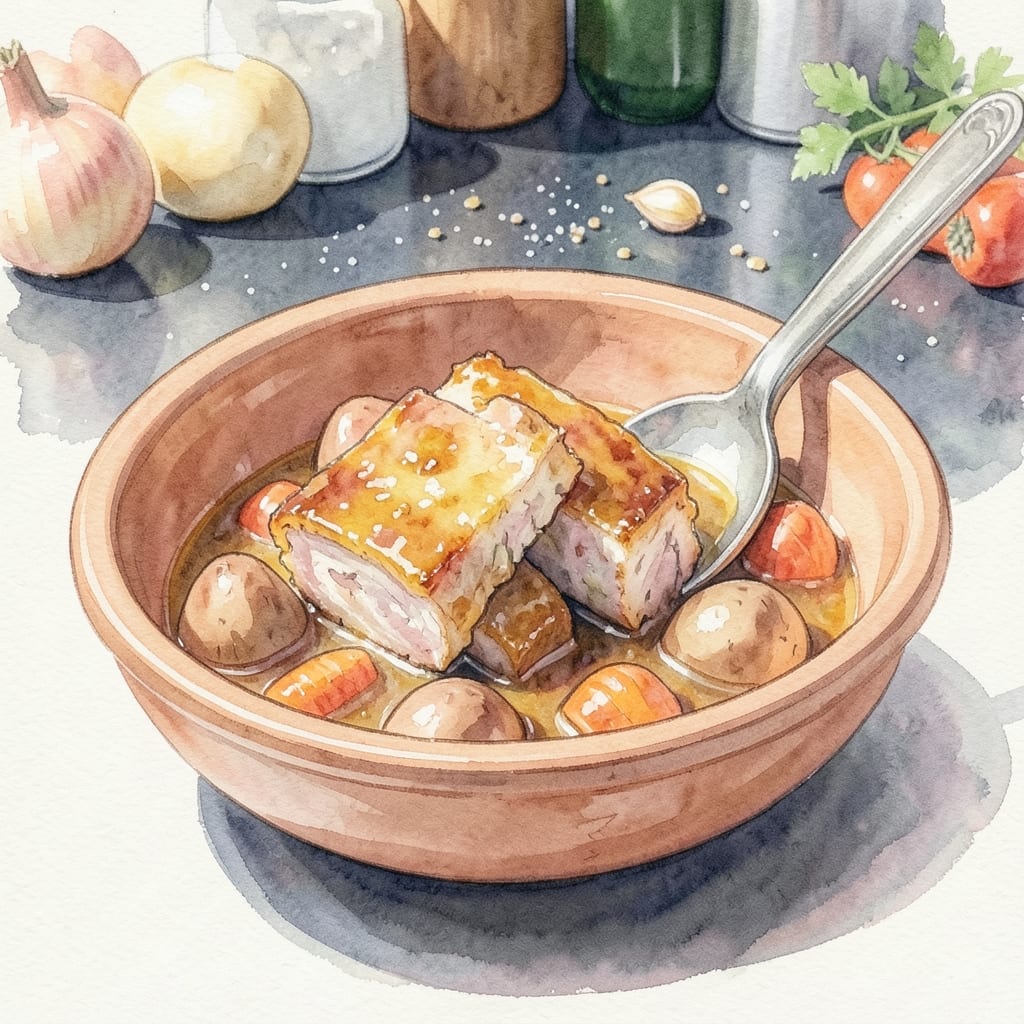
This Batangas Pork Afritada delivers the kind of tender, saucy perfection that makes every bite unforgettable. 🌟 The secret lies in slow-cooking pork until it practically melts, then enveloping it in a rich, slightly sweet tomato sauce that clings to every piece. I first tasted this version during a trip to Batangas, where the regional touch of extra tomatoes and a hint of sweetness sets it apart from the standard recipe.
The dish builds on classic Filipino comfort food principles—potatoes, carrots, and bell peppers simmered until tender, while the pork absorbs the sauce's deep flavors. What makes this version special is the balance: the sauce is velvety but not overly thick, with just enough tang to cut through the richness. The potatoes stay firm yet creamy, and the carrots caramelize slightly for natural sweetness.
By the time you serve this dish, you'll have perfectly tender pork with a sauce that coats every bite, vegetables that melt in your mouth, and a depth of flavor that comes from slow cooking. The aroma alone will have everyone gathering at the table. Serve it over steamed rice for the full Batangas experience.
This recipe delivers on the promise of restaurant-quality Filipino comfort food at home—no shortcuts, just the authentic technique that makes it worth every minute of simmering. Let's get cooking.
Ingredients for batangas pork afritada
Six ingredients for the sauce, six for the veggies—plus pork that melts like a dream.
| Ingredient | Amount | Notes |
|---|---|---|
| Boneless Pork Shoulder 🥩 | 2 ½ lb | Cut into 2-inch cubes |
| Medium Onions 🧅 | 3 whole | Yellow or red, sliced |
| Garlic Cloves 🧄 | 8 cloves | Minced, aromatic |
| Medium Tomatoes 🍅 | 6 whole | Ripe, chopped (or 1 (14 oz) can crushed) |
| Russet Potatoes 🥔 | 2 lb | Peeled, cut into chunks |
| Carrots 🥕 | 1 ½ lb | Whole, sliced into rounds |
| Green Bell Peppers 🌶️ | 2 whole | Sliced into strips |
| Coconut Milk 🥥 | 1 can | 13.5 oz can, full-fat |
| Tomato Paste 🍅 | 2 tbsp | Smooth, not chunky |
| White Vinegar 💧 | 2 tbsp | For tangy balance |
| Granulated Sugar 🍯 | 2 tbsp | For subtle sweetness |
| Salt 🧂 | 1 ½ tsp | Kosher or sea salt |
| Black Pepper 🌶️ | ½ tsp | Freshly ground |
| Bay Leaves 🌿 | 2 whole | For aromatic depth |
| Vegetable Oil 🫒 | 3 tbsp | For browning pork |
The pork shoulder is non-negotiable here—Costco or Trader Joe's have great deals on whole cuts. Look for good marbling, which means more flavor. If you're buying pre-cubed, Filipino markets often have it ready to go. The tomatoes? Heirloom or Roma if you can find them—they hold up better than grocery store slicers. For the potatoes, Russet is ideal, but Yukon Golds work too if you prefer creamier texture. Carrots can be baby or full-size; just make sure they're firm and bright orange.
No fresh tomatoes? Crushed canned tomatoes (San Marzano if you're fancy) work perfectly—just skip the salt in the can. Short on bell peppers? Red or yellow peppers swap one-for-one, but green gives that classic Afritada tang. The coconut milk can be light or full-fat, but full-fat gives richer sauce. For the tomato paste, Trader Joe's squeeze tubes are perfect—no waste, lasts forever. Vinegar? Apple cider vinegar adds subtle fruitiness if you want to get fancy, but white works just fine. And if you're out of bay leaves, dried thyme at half the amount gets you close.
This sauce gets better the next day—make extra and freeze portions for quick lunches. Store leftovers in the fridge for 4-5 days, or freeze for 3 months. The pork stays tender when reheated, and the sauce thickens up nicely. For serving, I always make a big batch of rice—this dish practically begs for it. The aroma alone will have everyone at the table, so plan ahead if you're expecting company.
Why You'll Love This Recipe
- One-Pan Magic: I swear by this recipe—just pork, onions, garlic, tomatoes, and potatoes in one pot. No fancy gadgets, no mess, no stress. The potatoes soak up all that rich pork sauce like sponges, and honestly? Cleanup is just rinsing one pan.
- Garlic Bomb Flavor: That slow-cooked garlic? It’s the star here. The pork gets tender enough to fall apart, and the tomatoes caramelize into a thick, tangy sauce that clings to every bite. Between us, I’ve had fancier meals that didn’t hit this hard.
- Weeknight Workhorse: This is my go-to when I need something hearty but don’t want to slave away. Double the batch on Sunday, and you’ve got lunch for the next two days—tastes even better reheated, if you can believe it. My kids grab it straight from the fridge, no complaints.
- Budget Stretch: Pork shoulder is cheap, potatoes are cheap, and a few onions and tomatoes go a long way. I’ve fed six people for under $15 with this, and no one ever guesses it’s budget-friendly. The sauce is so flavorful, it makes everything feel special—even on a tight week.
Step-by-step instructions for Batangas pork Afritada
Here's how to make this rich, silky tomato sauce cling to melt-in-your-mouth pork.
🔥 Step 1: Brown the Pork in Batches
Heat the 3 tablespoons vegetable oil in a large Dutch oven over medium-high heat. Working in batches, add the 2.5 lb boneless pork shoulder cut into 2-inch cubes, letting them sear undisturbed for 3-4 minutes until deeply golden brown on all sides. This step creates that beautiful caramelized crust that carries so much flavor.
I press down gently on the pork cubes during the first minute—this prevents them from curling and ensures even contact with the pan. Once browned, transfer them to a plate and set aside. Don't skip this browning step—it's what makes the final dish taste restaurant-quality.
🍳 Step 2: Sauté the Aromatics
In the same Dutch oven, reduce heat to medium and add 3 whole medium onions sliced into half-moons. Cook for 5-6 minutes until softened and just beginning to caramelize. Add the 8 cloves minced garlic cloves and cook for another 30 seconds until fragrant—you'll smell that sweet, garlicky aroma filling your kitchen.
Here's the thing—don't let the garlic burn. It'll turn bitter fast, and you'll taste it in every bite. If it starts to darken, pull the pan off heat for a few seconds to cool it down. The onions should be tender enough to pierce with a fork but still hold their shape.
🥘 Step 3: Build the Tomato Base
Add the 6 whole medium tomatoes chopped into chunks (or use 1 (14 oz) can crushed tomatoes if preferred) to the pot. Stir in the 2 tablespoons tomato paste, 2 tablespoons white vinegar, and 2 tablespoons granulated sugar. Sprinkle with 1.5 teaspoons salt and 0.5 teaspoon black pepper, then add the 2 whole bay leaves. Bring everything to a gentle simmer.
Let it cook uncovered for 10 minutes, stirring occasionally, until the tomatoes break down into a thick, glossy sauce. The sugar helps balance the acidity from the vinegar while the bay leaves add that subtle herbal depth. You're building the foundation of that signature Batangas sauce right here.
🔥 Step 4: Simmer with Vegetables
Return the browned pork to the pot and add the 2 lb russet potatoes cut into chunks, 1.5 lb carrots sliced into rounds, and 2 whole green bell peppers sliced into strips. Pour in the 1 can coconut milk, then reduce heat to low. Cover and let it simmer gently for 45-50 minutes, stirring occasionally, until the pork is fork-tender and the vegetables are cooked through.
I check for doneness by piercing a pork cube—it should slide in easily with a fork. The potatoes should be tender when pierced with a knife, and the carrots should soften but still hold their shape. The sauce should thicken beautifully, coating everything in that rich, velvety tomato-coconut milk mixture.
⏰ Step 5: Finish and Rest
Once everything is tender, remove the bay leaves and adjust seasoning if needed. Taste and add more salt or sugar if the sauce needs balancing. Let the afritada sit covered for 10 minutes before serving—this resting time lets all the flavors meld together perfectly.
This is the moment that matters: the sauce should be thick enough to coat the back of a spoon but still silky smooth. The pork should be falling-apart tender, and each bite should deliver that perfect balance of sweet, tangy, and savory flavors. Serve hot over steamed rice to soak up every last drop of that glorious sauce.
Pro Tips For Making Batangas Pork Afritada
- CRISP THE POTATOES FIRST: I learned this the hard way—adding whole russets to the pot too early turns them into mushy, flavorless filler. Instead, parboil them for 5 minutes first, then slice them thick (about ½-inch). The edges will stay crispy while the centers soften, and they’ll soak up the pork’s rich sauce instead of turning to paste.
- SWEAT THE ONIONS LOW: After burning three batches, I finally figured out: low and slow is non-negotiable for Batangas-style onions. Use a heavy pan, keep the heat at medium-low, and stir every 30 seconds until they’re translucent but not browned. Browned onions add bitterness—this sauce needs to be bright and tangy, not smoky.
- SKIP THE TOMATO SKINS: Sounds weird, but it works: peel your tomatoes before blending. The skins turn the sauce grainy and muddy, especially when simmered. A quick dip in boiling water for 30 seconds loosens them—just rub off the skins with your fingers. Smooth sauce = better texture.
- REST THE PORK AFTER SEARING: I skip this when I’m lazy, but the dish is noticeably better when I don’t. After browning the pork shoulder, let it rest 5 minutes under foil before adding the sauce. This keeps it juicy instead of releasing all its moisture in a sad, watery rush when it hits the onions. Your future self will notice the difference.
Best sauces and condiments for this recipe
Tomato-Coconut Base
This dish thrives on its signature sauce—a velvety blend of tomato paste and coconut milk that creates the perfect balance of tangy and creamy. I always use 2 tbsp tomato paste (Trader Joe's squeeze tubes work perfectly) to deepen the flavor, then balance it with 1 can full-fat coconut milk for richness. The key is simmering this base for 10 minutes before adding other ingredients—this allows the flavors to meld and develop that signature Batangas depth. 🥥
Vinegar-Sugar Balance
The secret to authentic Batangas flavor is the white vinegar and sugar combo—2 tbsp each—that creates a subtle sweet-tangy profile. I find this combination works better than just salt alone. The vinegar brightens the dish, while the sugar rounds out the acidity. Taste as you go: if the sauce tastes too sharp, add a pinch more sugar; if it's too flat, a splash of vinegar brings it back.
Umami Boosters
For extra depth, I add 2 bay leaves during the simmering process—they infuse the sauce with aromatic complexity. If you're feeling adventurous, try adding 1 tbsp soy sauce or 1 tsp fish sauce (like Red Boat brand) for that authentic Filipino umami punch. These ingredients elevate the dish from good to restaurant-quality without overpowering the natural flavors.
Potato-Carrot Duo
The vegetables in Afritada aren't just fillers—they're flavor carriers! I prefer Russet potatoes for their sturdy texture that holds up during simmering, while carrots add natural sweetness. The key is cutting them evenly so they cook at the same rate. For extra flavor, I sometimes toss them in 1 tbsp vegetable oil before adding to the pot to help them absorb the sauce better.
Finishing Touches
After simmering, I always finish with a 10-minute rest under cover. This lets the sauce thicken slightly and the flavors meld together. For serving, I garnish with chopped green onions and a squeeze of calamansi (or lime) if available. The acidity from the citrus cuts through the richness beautifully. For an extra touch, a sprinkle of toasted sesame seeds adds a nice crunch contrast. ✨
Nutrition facts
Frequently asked questions
Why does Batangas Afritada have extra tomatoes compared to other versions?
The Batangas variation uses more tomatoes to create a slightly sweeter, richer sauce that balances the tangy vinegar. The extra tomatoes also help tenderize the pork during simmering, making it melt-in-your-mouth tender. This regional twist makes it distinct from standard Afritada, which often uses fewer tomatoes.
Can I substitute pork shoulder with another cut?
Pork shoulder is ideal for its fat content, which keeps the meat tender during long cooking. You can use pork belly (trimmed of excess fat) or pork butt as substitutes, but avoid lean cuts like tenderloin—they'll turn dry. If using belly, reduce cooking time by 10-15 minutes since it's more tender.
What makes the sauce so silky in Batangas-style?
The secret lies in the tomato paste and coconut milk combination, simmered low and slow. The paste thickens the sauce while coconut milk adds creaminess. Skimming any foam that forms during cooking also prevents a cloudy finish. The 10-minute rest after cooking lets the sauce emulsify beautifully.
How do I fix if the sauce turns out too thin?
If the sauce is too thin, simmer uncovered for 5-10 extra minutes—the liquid will reduce naturally. For immediate thickening, mix 1 tbsp cornstarch with 2 tbsp water, stir into the sauce, and simmer for 2 minutes. Avoid adding flour directly, as it can make the sauce grainy.
Can I make this dish in a slow cooker?
Brown the pork first, then transfer everything to a 6-quart slow cooker. Cook on low for 6-7 hours or high for 3-4 hours. The slow cooker's gentle heat ensures tender pork and perfectly cooked vegetables. Just add the coconut milk and vegetables at the start—no need to adjust cooking times.