
Main Courses
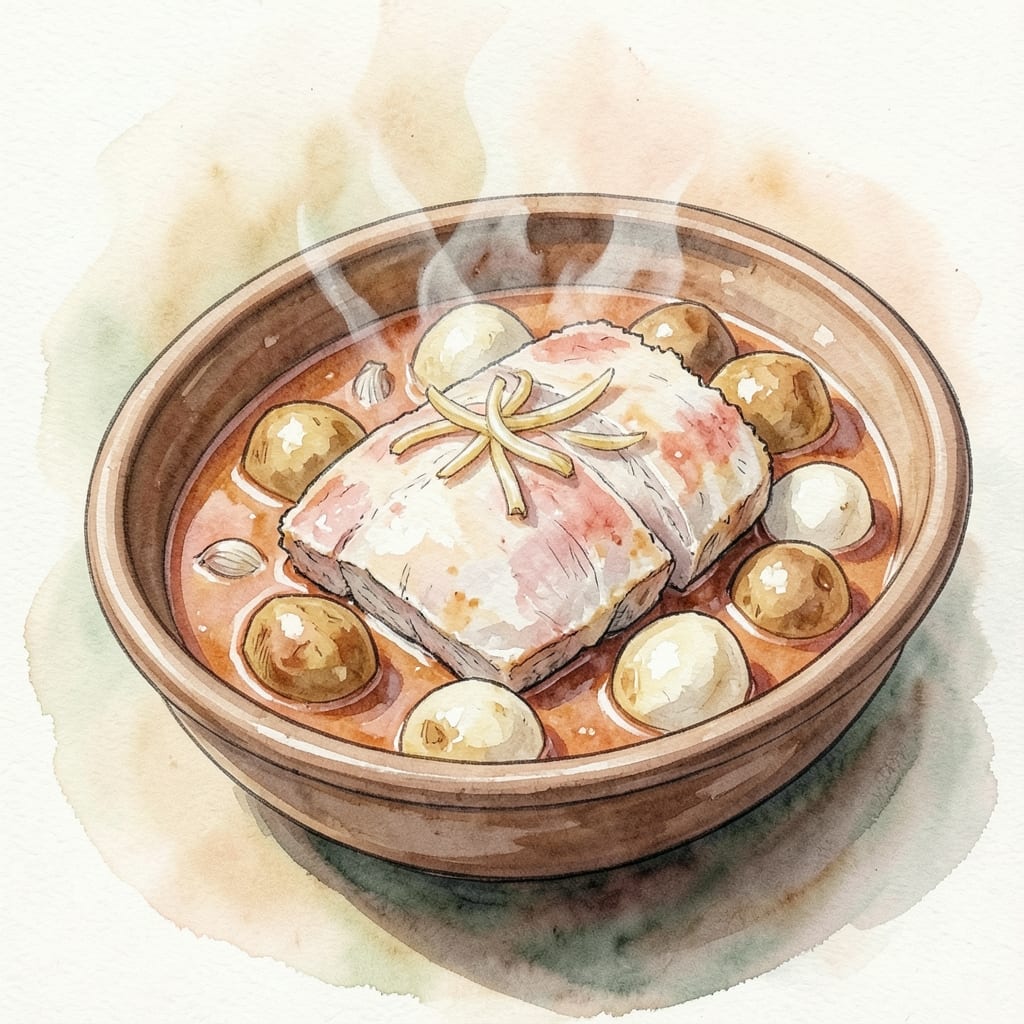
This Batangas pork caldereta recipe transforms humble ingredients into a rich, velvety stew that carries the soul of Filipino comfort food. 🌟 The secret lies in its perfect balance of tender pork, creamy coconut milk, and earthy potatoes—simmered until every bite reveals layers of savory depth and subtle heat. I first tasted this dish during a visit to Batangas, where the locals insisted it was "the only way to eat pork" after a long day of fishing.
The magic happens through slow cooking, where pork shoulder becomes melt-in-your-mouth tender while absorbing the aromatic blend of garlic, onions, and just the right amount of vinegar that defines Batangas' regional twist. Unlike other caldereta versions, this one incorporates a touch of chili for warmth without overpowering the dish—proof that simplicity elevates tradition. The creamy coconut milk base creates a luxurious texture that makes this more than just a stew; it's an experience.
What you'll achieve is a dish that's hearty enough for a family dinner yet elegant enough for gatherings, served alongside steamed rice to soak up every last drop of that golden, flavorful sauce. The potatoes develop a satisfying firmness while absorbing the rich flavors, and the pork falls apart with just a fork. This isn't just another recipe—it's a taste of home, brought to life through careful technique and patience.
Perfect for weeknight dinners when you crave something comforting yet impressive, or for special occasions when you want to showcase Filipino flavors. The leftovers reheat beautifully, making it an ideal make-ahead meal for busy schedules. Let's create this Batangas classic together—your taste buds will thank you.
Ingredients for batangas pork caldereta
Humble ingredients transform into Batangas' most comforting stew—creamy, hearty, and full of flavor.
| Ingredient | Amount | Notes |
|---|---|---|
| Pork Shoulder 🍖 | 3 lb | Bone-in for best flavor |
| Yellow Onions 🧅 | 3 whole | Medium size, sliced thin |
| Garlic Cloves 🧄 | 8 cloves | Minced for aromatic base |
| Russet Potatoes 🥔 | 2 lb | Cut into 2-inch chunks |
| Canned Coconut Milk 🥥 | 2 cans | Full-fat for creaminess |
| Canned Diced Tomatoes 🍅 | 1 can | San Marzano preferred |
| Canned Tomato Paste 🍅 | ½ cup | Smooth texture preferred |
| White Vinegar 💧 | ¼ cup | For Batangas tang |
| Bay Leaves 🌿 | 2 whole | Dried for infusion |
| Ground Black Peppercorns 🌶️ | 1 tsp | Freshly ground preferred |
| Salt 🧂 | 2 tsp | Kosher or sea salt |
| Dried Chili Flakes 🔥 | 1 tsp | Adjust for heat preference |
| Olive Oil 🫒 | ¼ cup | For initial searing |
| Green Bell Pepper 🌶️ | 1 whole | Sliced, optional for crunch |
The pork shoulder is non-negotiable. Look for well-marbled cuts from the butcher section—Filipino markets or Costco usually have the best selections. Bone-in pieces stay juicier and add depth. If you can't find pork shoulder, pork butt works too, but trim excess fat to keep the dish from getting too greasy. The potatoes should be firm but not waxy—Russet or Yukon Gold are perfect. For the coconut milk, full-fat cans (like Thai Kitchen or Goya) make all the difference—none of that watery stuff. The vinegar is key here; white vinegar or cane vinegar captures Batangas' signature tang.
No coconut milk? Heavy cream plus a splash of soy sauce mimics the richness. Skip the bell pepper if you're short on time—it's just for freshness at the end. The tomato paste can be substituted with tomato sauce at double the amount, but it won't be as concentrated. For heat, fresh red chili or siling labuyo (Filipino bird's eye chili) adds more complexity than dried flakes. And if you're using pre-minced garlic, toast it first in olive oil to deepen the flavor—worth the extra minute.
This stew only gets better with time, so make it a day ahead if you can. The flavors meld beautifully, and the potatoes soak up all that creamy goodness. Store in an airtight container in the fridge for up to 5 days, or freeze portions for 3 months. I always double the batch—leftovers reheat perfectly and make great lunches. The sauce thickens as it cools, so add a splash of water or coconut milk when reheating if it gets too stiff.
Why You'll Love This Recipe
- One-Pot Magic: I swear by this recipe when I’m too tired to scrub pots—just brown the pork, toss in onions, garlic, and potatoes, then let the coconut milk work its sauce magic. No extra dishes, no fuss.
- Creamy Crisp Contrast: That caramelized pork shoulder with tender potatoes swimming in coconut milk? It’s the kind of dish where every bite has both a rich, velvety pull and a satisfying bite. Honestly, my kids fight over the crispy edges.
- Leftovers for Days: Make a big batch on Sunday—this keeps perfectly for four days in the fridge. Reheat it in the microwave, and it’s just as good as day one. (Yes, even on a Tuesday night.)
- Budget-Friendly Feast: Pork shoulder and potatoes stretch into a hearty meal for under $15 for six servings. Between us, this is my go-to when I need to feed a crowd without breaking the bank.
Step-by-step instructions for Batangas pork caldereta
Here's the method—rich, creamy, and packed with that signature Batangas tang.
🔥 Step 1: Sear the Pork Shoulder Until Deeply Browned
Heat the 0.25 cup olive oil in a large Dutch oven over medium-high heat until shimmering. Pat the 3 lb pork shoulder dry with paper towels—this ensures a proper sear. Working in batches if needed, add the pork and sear for 8-10 minutes per side until deeply browned and crispy in spots.
Don't rush this step. The caramelized crust locks in flavor and prevents the meat from drying out later. Once browned, remove the pork and set it aside on a plate. You'll notice the fat rendering out—this is golden liquid flavor we're preserving.
👨🍳 Step 2: Build the Aromatic Base with Onions and Garlic
In the same Dutch oven, add the 3 whole yellow onions sliced thin and the 8 cloves garlic minced. Cook over medium heat for 8-10 minutes until the onions are translucent and the garlic is fragrant—almost golden at the edges. Stir occasionally so nothing burns.
Here's where the magic starts. The onions should melt down into the rendered pork fat, creating a sweet, caramelized foundation. If they start to stick, add 1 tablespoon water to deglaze. You'll know it's ready when you can smell that deep, savory aroma filling your kitchen.
🥘 Step 3: Add Tomatoes and Simmer Until Thickened
Stir in the 1 can diced tomatoes, 0.5 cup tomato paste, 2 tsp salt, 1 tsp dried chili flakes, and 1 tsp ground black peppercorns. Cook over medium heat for 10 minutes, stirring occasionally, until the mixture thickens and the raw tomato taste disappears. This builds the rich, tangy base of the stew.
Add the 2 whole bay leaves and 0.25 cup white vinegar now. The vinegar might seem like a lot, but trust me—it's what gives Batangas Caldereta its signature bright, tangy kick. Stir well and let it simmer for another 5 minutes to meld all the flavors together.
🍳 Step 4: Combine with Coconut Milk and Potatoes
Return the seared pork shoulder to the Dutch oven. Pour in the 2 cans coconut milk and add the 2 lb russet potatoes cut into 2-inch chunks. Stir gently to combine, making sure the potatoes are submerged in the creamy sauce. The pork should be mostly covered, but that's okay—it'll finish cooking through.
Bring the mixture to a gentle simmer over low heat. Cover and cook for 1 hour and 15 minutes, or until the pork is fork-tender and pulls apart easily. The potatoes should be tender but still hold their shape—like little clouds in the creamy sauce.
⏰ Step 5: Finish with Bell Pepper and Rest Before Serving
Remove the lid and stir in the 1 whole green bell pepper sliced into strips. Cook uncovered for another 10 minutes to let the flavors meld and the sauce thicken slightly. Taste and adjust seasoning if needed—you might want to add a pinch more salt or chili flakes to taste.
Let the caldereta rest for 10 minutes before serving. This resting period allows the juices to redistribute throughout the meat and potatoes, ensuring each bite is rich and flavorful. Serve hot with steamed rice to soak up every last drop of that creamy coconut sauce!
Pro Tips For Making Batangas Pork Caldereta
- CRISP THE ONIONS FIRST: Sauté the sliced yellow onions in oil until they’re deep golden—almost caramelized—before adding garlic. I used to skip this, and the flavor was just there, not everywhere. The extra 5 minutes upfront makes the whole dish taste richer.
- CUT POTATOES UNEVENLY: Leave some chunks slightly larger than others—this ensures they cook at different rates, so you don’t end up with a mushy mess. I learned this after serving a batch where half were perfect and the rest turned to glue.
- LOW AND SLOW AFTER COCONUT: Once you add the coconut milk, drop the heat to a simmer and let it cook covered for at least 45 minutes. Rushing this step means the pork stays tough and the sauce never thickens properly. Trust me, your patience pays off.
- SALT THE PORK BEFORE SEARING: Generously season the pork shoulder with salt before browning it—this guarantees it’s flavorful all the way through, not just on the surface. I used to wait until later, and the meat always tasted bland in the middle.
Regional styles of batangas pork caldereta
Batangas vs. Manila
Batangas' version stands apart from the Manila-style caldereta with its bold use of white vinegar—about ¼ cup—which cuts through the richness and adds that signature tang. In Manila, you might find a sweeter, more tomato-forward stew, but here we prioritize that bright acidity. I remember the first time I tasted it in Batangas: the vinegar made every bite feel fresh, like a coastal breeze cutting through the heat. 🌊
Coconut Milk Variations
While this recipe calls for full-fat canned coconut milk, some Batangas home cooks mix in ½ cup heavy cream for extra richness. I prefer the pure coconut flavor, but if you're short on time, blend ½ cup coconut cream with ½ cup water to mimic the texture. For a lighter version, use 1 can light coconut milk plus ½ cup water—just know the sauce will be slightly thinner.
Potato Choices Matter
Russet potatoes are ideal—they hold their shape beautifully and absorb flavors without turning mushy. But if you're in a pinch, Yukon Golds or red potatoes work too. Avoid waxy potatoes like red potatoes for boiling—they'll fall apart. In Batangas, they often use smaller, irregular potatoes because they cook faster and fit better in the stew's texture. Cut them into 2-inch chunks for even cooking.
Chili Heat Adjustments
The 1 tsp dried chili flakes gives just a hint of heat, but if you love spice, swap it for 2 tbsp fresh siling labuyo (Filipino bird's eye chili), minced. For a smoky twist, add ½ tsp smoked paprika with the chili flakes. I've seen some versions in Batangas use 1-2 dried arbol chilis, but they're harder to find outside Filipino markets. Adjust to taste—this dish should dance on your tongue, not burn it. 🌶️
Regional Vinegar Swaps
White vinegar is traditional, but cane vinegar (like Filipino patis vinegar) adds a deeper, slightly sweet complexity. If you can't find either, apple cider vinegar works in a pinch—just reduce to 2 tbsp since it's milder. Avoid balsamic or wine vinegars; they'll alter the dish's bright, clean acidity. The vinegar isn't just for flavor—it's the secret to that signature Batangas tang that keeps the stew from feeling too heavy.
Serving Traditions
In Batangas, this stew is always served with steamed jasmine rice, but I've also seen it paired with garlic fried rice or even crispy lumpia (spring rolls) for contrast. For a modern twist, serve with toasted pandesal (Filipino bread) to soak up the sauce. The locals swear by a side of pickled vegetables, like siling haba (long green chili) or daikon radish, to cut through the richness. Don't skip the rice—it's non-negotiable for soaking up every last drop of that creamy, tangy sauce. 🍚
Nutrition facts
Frequently asked questions
Why does Batangas caldereta use so much vinegar?
The ¼ cup white vinegar is essential—it creates the signature tang that balances the rich coconut milk and pork. This regional twist comes from Batangas' coastal location, where vinegar was readily available and used to preserve freshness. Without it, the dish would taste too heavy. Think of it as the secret ingredient that makes this version uniquely Batangas.
Can I substitute pork shoulder with another cut?
Yes! Pork butt or pork picnic shoulder work well, but avoid lean cuts like tenderloin—they'll dry out. For extra tenderness, score the fat cap before searing. If using bone-in ribs, reduce cooking time by 20 minutes since they cook faster. The key is choosing a fatty cut that stays juicy during long simmering.
How do I make the sauce creamier without coconut milk?
Blend ½ cup coconut cream with ½ cup water to mimic coconut milk's texture, or use 1 cup heavy cream plus 1 tbsp cornstarch to thicken. For a dairy-free version, thicken with 2 tbsp arrowroot powder mixed with cold water. The sauce will be less rich but still delicious—just stir in at the end for smoothness.
What if my potatoes turn mushy?
This happens when potatoes cook too long in the liquid. To fix it, use Yukon Golds (they hold shape better than Russets) and reduce simmering time by 15 minutes. For next time, parboil potatoes for 5 minutes before adding to the stew, or cut them slightly larger (2.5-inch chunks) to prevent overcooking.
Can I make this in a slow cooker?
Brown the pork first, then transfer everything to the slow cooker and cook on low for 6-7 hours or high for 4 hours. The slow cooker's gentle heat prevents the potatoes from breaking down. Add the bell pepper in the last 30 minutes to keep it crisp. The sauce may thicken more, so stir in 2 tbsp water if needed before serving.