
Main Courses
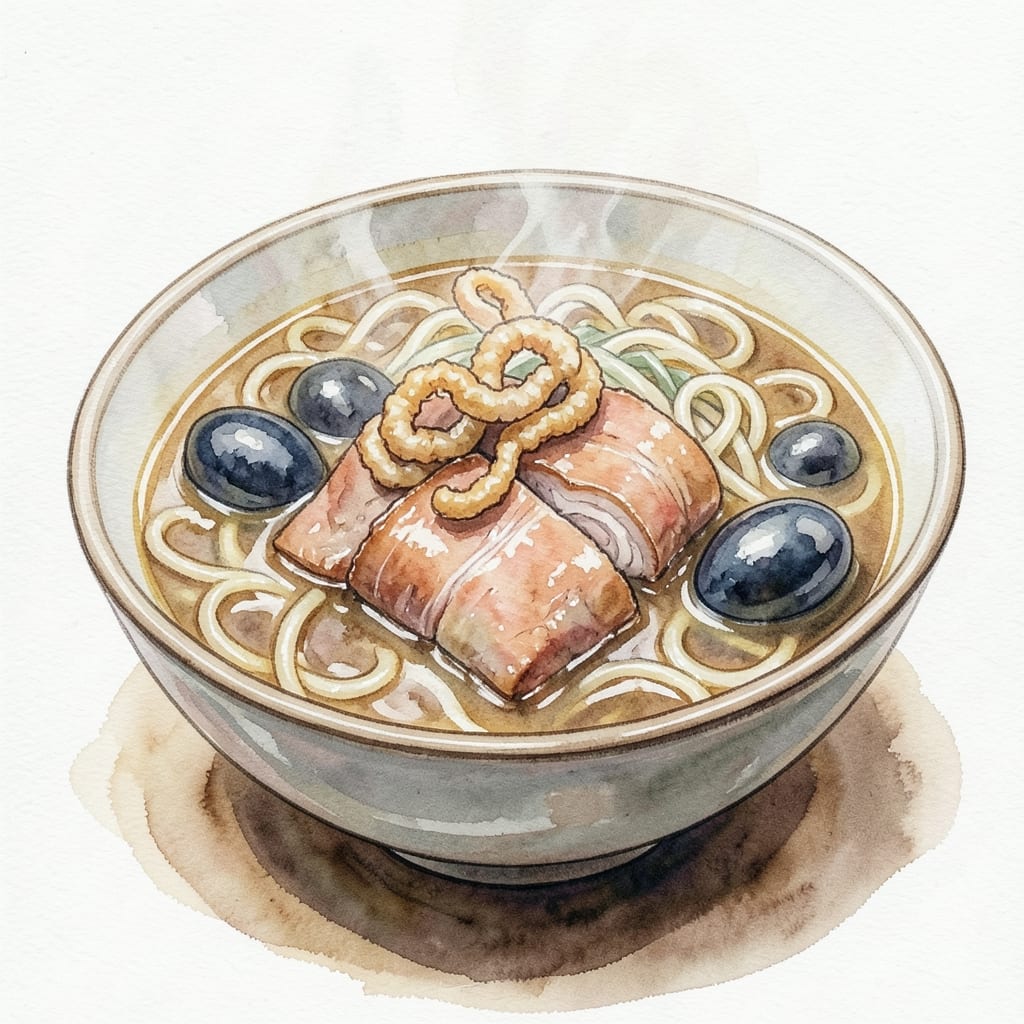
This batchoy recipe with pork transforms humble ingredients into a velvety, aromatic soup that’s become my go-to for comforting weeknight dinners. 💛 The secret lies in slow-cooked pork broth infused with coconut milk and spices, creating a silky base that perfectly cradles delicate egg noodles and crispy toppings. I’ve perfected this version after years of testing—no shortcuts, just rich, restaurant-quality flavor built layer by layer.
What sets this batchoy apart is the balance of textures: tender pork slices, silky noodles, and crispy toppings like chicharon and longganisa that add crunch with every bite. The broth simmers for hours, developing deep umami and a subtle sweetness from the coconut milk—no artificial flavors here, just honest, home-cooked goodness. Even picky eaters can’t resist this dish, which is why it’s always the star of our family gatherings.
The process might sound involved, but it’s actually straightforward: brown the pork for flavor, simmer the broth until it’s rich and fragrant, then assemble everything at the table for that classic batchoy experience. The result? A steaming bowl of comfort that’s impossible to resist, with every spoonful packed with layers of savory, creamy, and slightly spicy notes. This is the kind of meal that turns ordinary nights into something special.
Ready to make it? The recipe includes all the traditional elements—century eggs, chicharon, and fresh herbs—so you can recreate that authentic Filipino restaurant experience at home. Let’s get cooking!
Ingredients for batchoy recipe pork
Rich pork broth, silky noodles, and crispy toppings—this batchoy brings Filipino comfort to your table.
| Ingredient | Amount | Notes |
|---|---|---|
| Pork Belly 🥓 | 1 ½ lb | Cut into 1-inch slices |
| Egg Noodles 🍜 | 12 oz | Fresh or dried, wide variety |
| Coconut Milk 🥥 | 2 cups | Full-fat for creaminess |
| Pork Broth 💧 | 4 cups | Homemade or quality store-bought |
| Century Eggs 🥚 | 4 whole | Sliced for garnish |
| Chicharon 🍟 | 1 cup | Crispy pork rinds, chopped |
| Longganisa 🌭 | 6 oz | Sliced into rounds |
| Fresh Ginger 🧄 | 2 tbsp | Grated, aromatic |
| Garlic Cloves 🧄 | 6 cloves | Minced for depth |
| Fish Sauce 🐟 | 1 tbsp | Authentic umami |
| Soy Sauce 🥄 | 1 tbsp | Dark for color |
| Sugar 🍚 | 1 tbsp | Balances flavors |
| Black Peppercorns 🌶️ | 1 tsp | Crushed for heat |
| Fresh Cilantro 🌿 | ¼ cup | Chopped for garnish |
| Vegetable Oil 🫒 | 2 tbsp | For browning pork |
The pork belly is non-negotiable here—look for thick-cut slices with good marbling at Asian markets or your local butcher. Costco often has pre-sliced pork belly that saves time, but if you're buying whole, ask for it to be cut into 1-inch pieces. Fresh ginger and garlic should smell vibrant, not musty—Trader Joe's usually has great quality at a good price. For the fish sauce, Red Boat is my go-to—it's clean, salty, and free from additives that can overpower the dish. Century eggs might seem intimidating, but they're worth it—they add that signature creamy, slightly briny contrast.
No pork belly? Pork shoulder works in a pinch, but it won't have the same melt-in-your-mouth texture. Swapping coconut milk? Heavy cream at half the amount gives a similar richness, though the flavor won't be identical. Short on fish sauce? Soy sauce plus a pinch of MSG mimics the umami, but it's not the same. The chicharon and longganisa are traditional toppings, but crispy fried shallots or scallions can stand in if you're in a hurry. Fresh herbs are ideal, but dried cilantro works at half the amount—just remember it's less potent. For the noodles, fresh egg noodles are best, but udon or ramen noodles can work if you can't find batchoy-specific ones.
This broth tastes even better the next day—make extra and store it in the fridge for up to 5 days. The noodles and toppings can be prepped ahead and kept separately, so assembly is quick. Portion the toppings into small containers for easy serving at the table. If you're making this for a crowd, double the broth and keep it simmering on low heat—it only gets richer with time. The leftovers? Freeze the broth in ice cube trays for quick future meals—just thaw and reheat.
Why You'll Love This Recipe
- One-Pot Magic: I swear by this—just toss everything into a single pot, stir occasionally, and walk away. No fancy techniques, no last-minute scrambling; the pork belly renders itself while the broth simmers into richness.
- Rich Without Effort: That first sip? Pure umami gold from the pork broth and coconut milk, buttery from the pork belly fat. The century eggs add a briny surprise—no fancy plating, just layers of flavor that hit differently every time.
- Leftovers That Beg: Batchoy improves the next day. The noodles soak up even more broth, the pork gets tenderer, and honestly? I’ve reheated this for lunch three days in a row without a single complaint.
- Budget Feast for Crowds: Pork belly and century eggs sound fancy, but they stretch across multiple servings. I’ve fed six people for under $15—creamy, hearty, and still feels special. (Yes, even on a Tuesday night.)
Step-by-step instructions for batchoy recipe with pork
Here's how to create that iconic Filipino comfort dish—rich, silky noodles in a fragrant coconut-pork broth.
🔥 Step 1: Brown the Pork Belly for Deep Flavor
Heat the 2 tablespoons vegetable oil in a large pot over medium-high heat. Add the 1.5 lb pork belly in 1-inch slices and cook undisturbed for 4-5 minutes until the edges turn golden brown and crispy. This creates the Maillard reaction that forms the base flavor.
Once browned, flip the slices and cook another 3-4 minutes until all sides develop color. Remove the pork and set aside—you'll add it back later. The remaining crispy bits in the pot will infuse the broth with incredible depth of flavor. Don't rush this step; patience here makes all the difference.
🍳 Step 2: Build the Aromatic Coconut-Pork Broth
In the same pot, reduce heat to medium and add the 2 tablespoons grated fresh ginger and 6 cloves minced garlic. Sauté for 1-2 minutes until fragrant—you'll know it's ready when the kitchen smells like a Filipino street food stall.
Pour in the 4 cups pork broth and bring to a gentle simmer. Add the 2 cups coconut milk, 1 tablespoon fish sauce, 1 tablespoon soy sauce, and 1 tablespoon sugar. Stir well and let the mixture simmer uncovered for 10 minutes to develop complex flavors. The coconut milk will create that signature creamy texture while the spices meld together.
🥘 Step 3: Cook the Noodles and Add Protein
Return the pork belly to the pot and add the 12 oz egg noodles. Stir gently to combine and bring the mixture back to a simmer. Cook for 8-10 minutes until the noodles are tender but still have a slight bite—batchoy noodles should be al dente, not mushy.
Add the 6 oz sliced longganisa and 1 cup chopped chicharon to the pot. Simmer for another 3-4 minutes until the longganisa is heated through and the chicharon is warmed. The chicharon will add that satisfying crunchy texture that's essential to batchoy. Taste and adjust seasoning with a pinch more fish sauce if needed.
🔪 Step 4: Finish with Century Eggs and Garnish
Remove the pot from heat and let it sit for 2 minutes to allow the flavors to meld. Using a slotted spoon, transfer the noodles and pork to serving bowls, leaving the broth in the pot. Slice the 4 whole century eggs into quarters and arrange them on top of each serving.
Ladle the hot broth over the noodles and garnish each serving with ¼ cup chopped fresh cilantro and a generous sprinkle of crushed black peppercorns. The century eggs add that signature marbled texture and briny flavor that makes batchoy truly special. Serve immediately while everything is hot and the broth is steaming.
Pro Tips For Making Batchoy Recipe Pork
- CRISP THE BELLY FIRST: I learned this the hard way—skip the slow boil on pork belly, and you’ll end up with a mushy, flavorless mess. Sear the belly slices in a screaming-hot wok with 1 tablespoon of oil per side until golden brown (about 2-3 minutes each). The crust locks in moisture and carries the soy-vinegar punch later.
- CUT COCONUT MILK LAST: Adding coconut milk too early turns your broth into a thin, watery soup. Save it for the final 5 minutes of simmering—just enough time to let the noodles soak up its creaminess without curdling. Stir in gently, or you’ll get lumps that ruin the texture.
- PEEL CENTURY EGGS RIGHT: The yolk’s the star, but if you crack it wrong, you’ll waste good flavor. Hold the egg under running water while peeling, then rinse the yolk in cold water to remove excess salt. Slice it thin—no thicker than 3mm—or it’ll overpower the dish.
- SALT THE NOODLES WATER: I was skeptical until I tried it—batchoy noodles need a salty bath before cooking. Add 2 tablespoons of salt to the boiling water (yes, even if the package says otherwise). It prevents them from turning mushy when the coconut milk hits the pot.
Make-ahead tips for leftovers
Broth Prep Ahead
The broth is where batchoy gets its soul, so I always make it first and let it develop overnight. Simmer the base ingredients—pork, coconut milk, and spices—until it reaches 200°F, then transfer to a slow cooker on low heat for 8-12 hours. This deepens the flavors without overcooking. Store in an airtight container in the fridge for up to 5 days or freeze in 1-cup portions for quick meals. 🥥
Noodle Prep Shortcut
Batchoy noodles can be prepped ahead to save time on serving day. Cook them al dente (just 1 minute less than package instructions), rinse under cold water, and store in resealable bags in the fridge for 3 days. When ready to serve, just reheat in the broth for 2-3 minutes. Pro tip: Toss them with 1 tsp oil before storing to prevent sticking. 🍜
Topping Assembly
Organize toppings in small bowls for easy serving. Chop chicharon and slice longganisa into rounds, then store separately in airtight containers in the fridge for 4 days. Keep century eggs in their liquid at room temperature until ready to slice. Fresh cilantro and black peppercorns should be added last—store them in a damp paper towel in a sealed container to preserve freshness. ✨
Slow Cooker Hack
For a hands-off approach, brown the pork as directed, then transfer everything (except noodles and toppings) to a 6-quart slow cooker. Cook on low for 8 hours or high for 4 hours. Add noodles and toppings during the last 15 minutes of cooking. This method keeps the broth silky and the pork tender without constant monitoring. Perfect for busy weeknights! 💡
Freezer-Friendly Strategy
Freeze the broth in ice cube trays for portion control. Once solid, transfer cubes to a freezer bag with 1-inch headspace. To use, thaw overnight in the fridge, then reheat gently on the stove. For a complete freezer meal, store cooked noodles and toppings separately in freezer-safe containers—just reheat noodles in the broth when ready to serve. 🧊
Family-Style Serving
Batchoy is meant to be shared! Prep all components ahead, then set up a steaming hot broth pot on the table with bowls of noodles, toppings, and garnishes. Everyone assembles their own bowl—this keeps everything hot and lets guests customize their portions. I love this for gatherings because it’s interactive and effortless. 👨👩👧👦
Nutrition facts
Frequently asked questions
Can I make batchoy without pork belly?
Yes, but the texture will differ. Use pork shoulder instead—cut it into 1-inch cubes and brown well for flavor. For a vegetarian version, swap pork with mushrooms or tofu, but the broth will lack the rich umami depth. The coconut milk and fish sauce will still create a creamy base, though.
How do I get the broth extra rich?
Simmer the broth uncovered for at least 2 hours to deepen flavors. Add 1 extra cup of coconut milk or ½ cup heavy cream at the end for richness. For extra umami, toast 1 tsp coriander seeds and ½ tsp fennel seeds in the pot before adding broth. The longer it simmers, the more complex the taste!
What if I can't find century eggs?
No problem! Use hard-boiled quail eggs or sliced avocado for creaminess. For texture, try crispy fried shallots or toasted sesame seeds. The key is balancing the dish with something rich—just adjust seasoning slightly if needed. Century eggs add that signature marbled look, but these substitutes work well.
Can I make batchoy spicier?
Add ½ tsp ground white pepper or 1 sliced Thai chili to the broth while simmering. For heat lovers, stir in 1 tsp sambal oelek at the end. Serve with extra chili flakes on the side for customization. The coconut milk balances the spice beautifully, so don't be shy!
Why did my noodles turn mushy?
Overcooking is the most common mistake. Cook noodles just 1 minute less than package instructions, then finish in the broth. Use fresh egg noodles for best texture—they hold up better than dried. If they still soften too much, reduce simmering time to 5-6 minutes after adding them to the pot.