
Main Courses
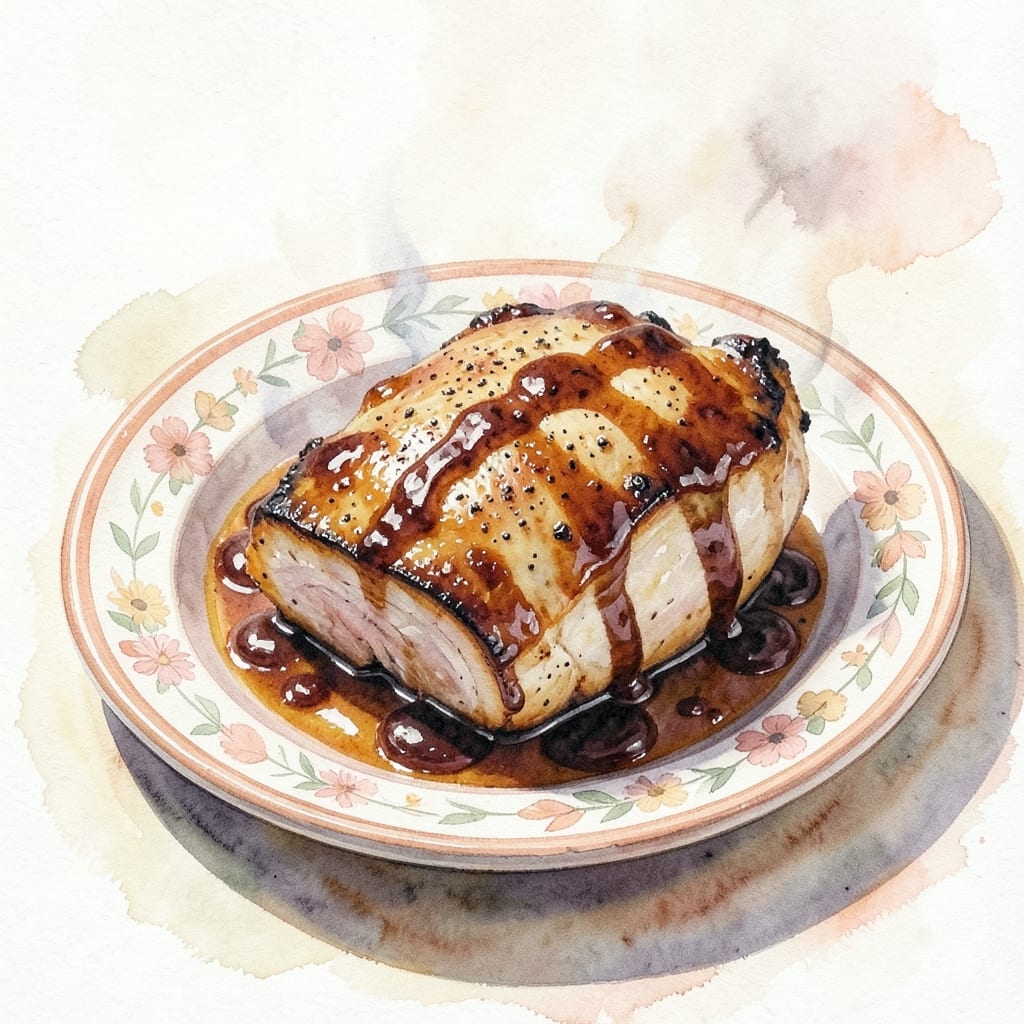
This BBQ boneless pork roast recipe delivers restaurant-quality results with a smoky-sweet glaze that melts into tender perfection. 🔥 After years of perfecting techniques at my smoker in Atlanta, I've simplified the process without sacrificing that deep, caramelized flavor. The secret lies in a dry rub that develops a flavorful bark while keeping the meat juicy inside.
What makes this recipe special is the balance between traditional BBQ methods and modern efficiency. We'll start with a 30-minute marinade using a blend of spices that penetrate deeply, followed by either smoking, grilling, or oven-roasting to your preference. The glaze, applied in the final minutes, creates that signature sticky, caramelized crust that's impossible to resist.
By the time you serve this dish, you'll have juicy, fall-apart tender pork with a glaze that's both sweet and smoky, perfectly balanced. The technique works equally well for holiday gatherings or weeknight dinners, and the leftovers reheat beautifully for sandwiches the next day.
Pair with classic BBQ sides like coleslaw or baked beans, or serve with roasted sweet potatoes for a complete meal. This recipe brings professional-quality results to your home kitchen with minimal effort. Let's get started!
Ingredients for bbq boneless pork roast
Restaurant-quality BBQ pork starts with these 15 carefully chosen ingredients for deep smoky-sweet flavor.
| Ingredient | Amount | Notes |
|---|---|---|
| Boneless Pork Loin Roast 🐖 | 3 lb | Center-cut for even cooking |
| Brown Sugar 🍯 | ½ cup | Packed, light variety |
| Smoked Paprika 🌶️ | 2 tbsp | High-quality for smoky depth |
| Ground Black Pepper 🌶️ | 1 ½ tbsp | Freshly cracked preferred |
| Garlic Powder 🧄 | 1 tbsp | Not garlic salt |
| Ground Cumin 🌿 | 1 tbsp | Toasted for richer flavor |
| Onion Powder 🧅 | 1 tbsp | For balanced depth |
| Salt 🧂 | 1 ½ tbsp | Kosher or sea salt |
| Apple Cider Vinegar 🍎 | ¼ cup | For tenderizing marinade |
| Honey 🍯 | ¼ cup | Wildflower preferred |
| Worcestershire Sauce 🍶 | 1 tbsp | Vegetarian if needed |
| Ketchup 🍅 | ¼ cup | For glaze base |
| Yellow Onion 🧅 | 1 whole | Thinly sliced for garnish |
| Fresh Rosemary 🌿 | ¼ cup | Chopped sprigs |
| Olive Oil 🫒 | 2 tbsp | For basting |
The pork loin is your canvas—center-cut stays juicy while developing that perfect bark. Costco or Whole Foods carry excellent quality, or ask your butcher for a bone-in roast if you prefer. For the dry rub, Penzeys smoked paprika adds authentic depth, but any high-quality brand works. The brown sugar? Light variety caramelizes better without burning. I always double-check my spices smell fresh before using—none of that stale dust in your rub. The apple cider vinegar in the marinade tenderizes while adding subtle tang that balances the sweetness in the glaze.
No smoked paprika? Regular paprika plus a pinch of liquid smoke gets you close. Running short on Worcestershire? Substitute soy sauce plus a dash of molasses for similar umami. The ketchup in the glaze might seem basic, but Heinz Original or Hunt's are reliable choices—avoid the sugar-free versions. For the rosemary, fresh is ideal (that piney aroma is essential), but dried works at one-third the amount. The honey can be swapped for maple syrup if you prefer, though it adds a slightly different depth. Pro tip: toast your cumin seeds in a dry pan for 30 seconds before grinding for maximum flavor—worth the extra minute.
This pork reheats beautifully—either in the oven at 325°F for 10 minutes or in the microwave with a damp paper towel. Store leftovers in an airtight container for up to 4 days, or freeze portions for 3 months. For make-ahead convenience, prep the dry rub and marinade a day ahead. The glaze can be made 2 days in advance and reheated gently. I always portion the leftovers into individual containers for easy sandwich assembly—perfect for lunch the next day. The glaze thickens when chilled, so thin with a splash of water before reheating.
Why You'll Love This Recipe
- Five-Ingredient Magic: I swear by this combo—just pork, sugar, paprika, pepper, and garlic powder. That’s it. No fancy marinades or hours of prep; the smoky-sweet crust forms in minutes while you’re still chopping veggies.
- Weeknight Hero: Between us, this is the dish that saved my dinners when I’d rather be scrolling than cooking. Toss it in the oven, set a timer, and boom—dinner’s ready when you are. (Yes, even on a Tuesday night.)
- Leftovers That Win: The roast stays juicy for days, and the flavor only gets better. I’ll take it cold in sandwiches, reheated in hash, or sliced over rice—no one ever complains, and my wallet stays happy.
- Tailgate-Ready Crowd-Pleaser: This isn’t just for holidays. The rich, caramelized edges and tender inside disappear fast at picnics, game days, or even a casual Sunday lunch. Honestly, I’ve seen grown adults fight over the last slice.
Step-by-step instructions for BBQ boneless pork roast with smoky-sweet glaze
Here's how to transform a simple pork roast into fall-apart tender perfection with a caramelized glaze.
🍳 Step 1: Create the Dry Rub and Tenderizing Marinade
In a small bowl, whisk together the 0.5 cup brown sugar, 2 tbsp smoked paprika, 1.5 tbsp ground black pepper, 1 tbsp garlic powder, 1 tbsp ground cumin, 1 tbsp onion powder, and 1.5 tbsp salt. This dry rub will create an irresistible bark while keeping the meat moist. Pat the 3 lb boneless pork loin roast completely dry with paper towels—this is crucial for that perfect crust.
In a separate bowl, combine the 0.25 cup apple cider vinegar, 0.25 cup honey, 1 tbsp Worcestershire sauce, and 0.25 cup ketchup. This marinade will tenderize the meat while infusing it with deep, smoky-sweet flavor. Rub half of the dry rub all over the pork, then pour the marinade evenly over the top. Cover and refrigerate for at least 4 hours (overnight works best).
🔥 Step 2: Sear the Pork for Maximum Flavor
Preheat your oven to 325°F and heat a large oven-safe skillet over medium-high heat. Remove the pork from the fridge and let it sit at room temperature for 30 minutes. Add the 2 tbsp olive oil to the skillet and let it get very hot—you should see slight smoke when you add the pork.
Sear the pork for 3-4 minutes per side until it develops a deep golden-brown crust. This step locks in juices and builds that essential caramelized flavor. Transfer the skillet to the oven and roast for 1 hour, basting with the pan juices every 20 minutes. The internal temperature should reach 145°F by this point.
🥘 Step 3: Build the Glaze and Finish Cooking
While the pork roasts, prepare the glaze by combining the remaining dry rub with the 0.25 cup chopped fresh rosemary and 1 whole yellow onion (thinly sliced). Spread this mixture evenly over the pork, pressing it into the surface. Return the skillet to the oven and roast for another 30-45 minutes until the internal temperature reaches 155°F and the glaze begins to caramelize.
For the final touch, increase the oven temperature to 400°F and broil for 3-5 minutes until the glaze turns a deep amber color. Watch carefully—you want it caramelized but not burned. Remove from the oven and let the pork rest for 10 minutes before slicing. This resting period ensures juicy, perfectly tender slices every time.
🍽️ Step 4: Slice and Serve with Garnish
Slice the pork against the grain into ½-inch thick pieces. The meat should be fork-tender with a beautiful caramelized glaze that's sticky-sweet and slightly smoky. Arrange the slices on a warm platter and garnish with any remaining glaze and the thinly sliced yellow onion from the topping.
Serve immediately with roasted vegetables or crusty bread to soak up that delicious glaze. The combination of tender pork, smoky spices, and sweet caramelized crust makes this a showstopper for any gathering. The flavors only get better as it sits for a few minutes, so don't rush this step!
Pro Tips For Making Bbq Boneless Pork Roast
- Sear First, Then Baste: After browning the pork loin in a hot pan—skin-side down for 3-4 minutes—I learned the hard way that skipping this step means flavorless bark. Once seared, move it to the oven and baste every 15 minutes with a mix of melted brown sugar and a splash of water (yes, water). The sugar caramelizes into a sticky, smoky glaze that clings like glue. ---
- Pat Dry, Then Salt: Wet pork loin? Forget it. I used to wipe it with a damp towel, thinking it’d help the rub stick. Wrong. Pat it bone-dry with paper towels first, then hit it with salt before the smoked paprika and garlic powder. The salt dissolves into the meat, seasoning it deep, while the spices cling to the surface like they’re supposed to. ---
- Skip the Crowding: I once stuffed my roasting pan with onions, apples, and even a splash of BBQ sauce, thinking it’d add moisture. It just steamed the pork into mush. For this recipe, keep it simple: a single layer of sliced onions on the rack (if using one) or a bare pan. The pork needs airflow to crisp, not a sauna. ---
- Internal Temp Matters: Pull the pork at 145°F—not when it hits 160°F like a chicken. It’ll carry over to 150°F (safe and juicy) while you rest it. A meat thermometer is non-negotiable here; guessing leads to dry, overcooked pork. Let it rest 5-10 minutes under foil before slicing, or the juices will pool on your plate instead of in the meat.
Regional styles of these flavors
Carolina Style
In Charleston, we take our pork seriously—this is where vinegar-based sauces reign supreme. For a true Carolina twist, swap the ketchup glaze for a tangy vinegar sauce made with ½ cup apple cider vinegar, ¼ cup brown sugar, 1 tbsp hot sauce, and 1 tsp mustard powder. Brush this on during the final 15 minutes of cooking. Serve with classic Carolina sides like collard greens and cornbread. I remember my first time at a real Carolina BBQ joint—they didn't even call it a "roast," just "pork shoulder," and it was cooked low and slow for hours. 🌶️
Texas-Style Smoked
If you're smoking this roast, Texas-style means going big on the wood—post oak or hickory for that authentic flavor. Cook at 225°F until the internal temp hits 195°F (yes, it's tougher but worth it). For the rub, add 1 tsp cayenne pepper to the mix. Serve with creamy white beans and pickled jalapeños. I learned this method from my mentor in Charleston, who swore by the "Texas crutch" of wrapping the pork in butcher paper at 165°F to push through the stall. ⚡
Georgia's Sweet Tea Glaze
My home state puts a Southern twist on everything—replace the ketchup base with ½ cup sweet tea concentrate (reduce 2 cups brewed tea to ½ cup) and add 1 tbsp bourbon to the marinade. This creates a sticky, slightly tangy glaze that's perfect with cornbread muffins. Georgia BBQ often includes a touch of heat, so I add ½ tsp cayenne to the dry rub. The first time I made this at my family's farm, my grandma declared it "the best pork since the Civil War." 💛
Atlanta's Modern Twist
For a contemporary take, I like to add 1 tbsp coffee grounds to the dry rub and finish with a bourbon-infused glaze—reduce ½ cup bourbon with ¼ cup brown sugar until syrupy. Brush on during the last 10 minutes of cooking. Pair with roasted Brussels sprouts and a crisp white wine. This version became a hit at my restaurant when we featured it as a special—customers couldn't get enough of that deep, complex flavor. 🍷
North Carolina's Mustard Cut
East Coast Carolina BBQ uses a dry rub with 1 tsp mustard powder instead of paprika. The glaze becomes a mustard-based sauce with ¼ cup yellow mustard and 1 tbsp apple cider vinegar. This version works beautifully with buttermilk biscuits. I first encountered this style at a roadside pit in Fayetteville—simple, bold, and perfectly balanced. The mustard adds a sharp contrast to the sweetness that keeps every bite interesting. 🌟
Nutrition facts
Frequently asked questions
Can I use bone-in pork shoulder instead of boneless pork loin?
Bone-in pork shoulder works beautifully for this recipe. Increase cooking time by 1-2 hours since it's a larger cut, and aim for an internal temperature of 195°F for that legendary pull-apart texture. The bone adds extra flavor, and you can use the bone broth from roasting for other dishes.
How do I adjust the recipe for a smaller or larger roast?
Scale the marinade and glaze proportionally—about 1/3 cup marinade per pound of pork. For a 2 lb roast, reduce everything by 2/3, while a 4 lb roast needs 1.5x the amounts. Cooking time will vary: 1 lb = ~20 minutes per pound for boneless cuts, but always use a meat thermometer to check doneness.
What's the best way to reheat leftovers without drying them out?
Slice the pork and reheat in a skillet with 1 tbsp apple cider vinegar over medium-low heat for 3-4 minutes until warmed through. For oven reheating, cover with foil and bake at 300°F for 15 minutes. Never microwave without adding moisture—it makes the meat rubbery.
Can I make this in a slow cooker instead of the oven?
Yes! Sear the pork first, then place it in the slow cooker on low for 6-8 hours or high for 3-4 hours. Add ½ cup apple juice to keep it moist. In the last 30 minutes, broil with the glaze to create that caramelized crust. The texture will be more tender than oven-roasted but equally delicious.
Why did my glaze turn bitter instead of sweet?
This usually happens when the glaze burns or when too much vinegar dominates. For next time, reduce the glaze over medium-low heat until slightly thickened (don't boil hard), and balance the sweetness with 1 extra tbsp honey. Also ensure your oven isn't too hot during the broiling step—watch closely for 3-5 minutes max.