
Main Courses
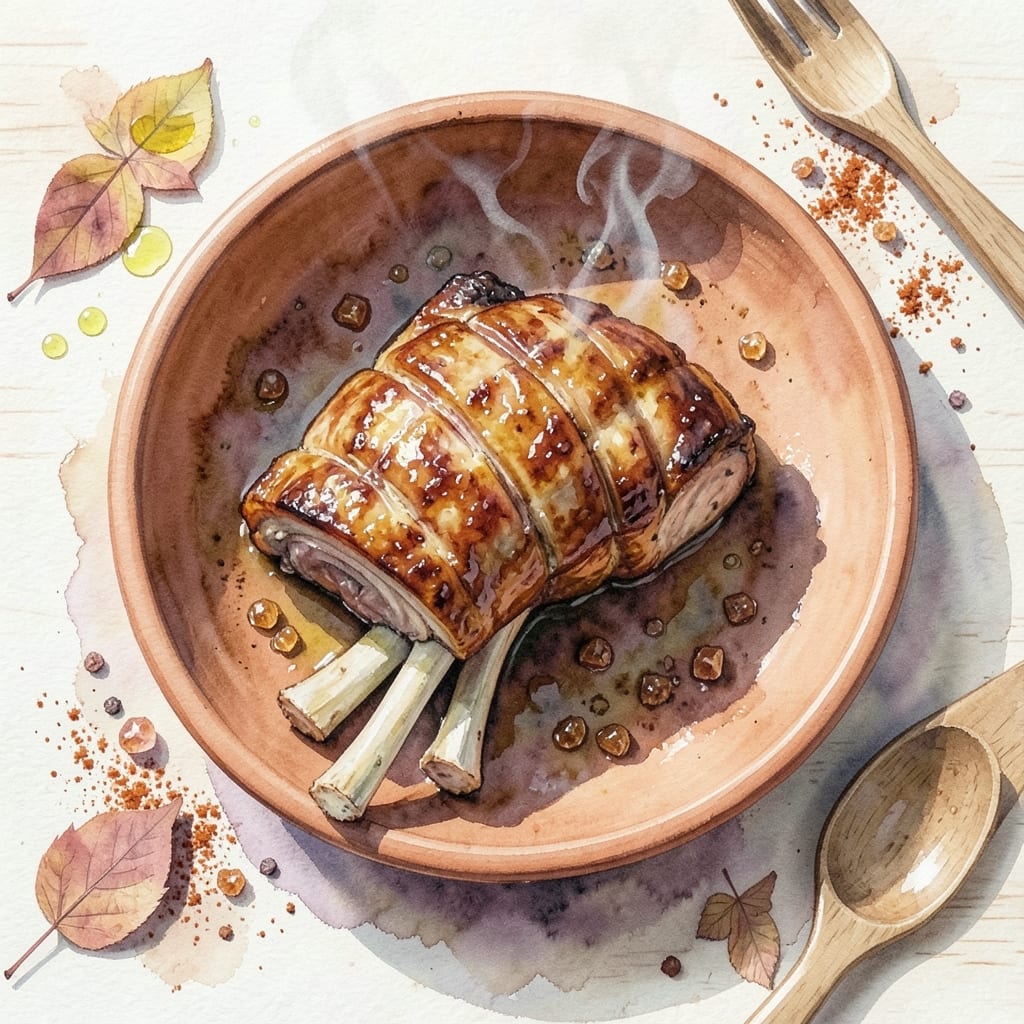
This BBQ pork backbone recipe delivers the ultimate smoky-spiced crust that shatters with every bite—the kind of texture that makes your guests pause mid-chew. After years of perfecting my pitmaster techniques, I’ve cracked the code for tender meat with a bark so crispy it could stand up on its own. The secret? A slow-smoke approach that transforms tough connective tissue into melt-in-your-mouth perfection while building that coveted crust.
What sets this recipe apart is the balance of time and technique—low-and-slow smoking (or oven-roasting for shortcuts) ensures the meat stays juicy while the rub develops into a flavor bomb. My signature blend of coffee, brown sugar, and smoked paprika creates layers of depth that cut through the richness, while a final spritz of apple cider vinegar right before serving locks in moisture and adds a bright tang. This isn’t just BBQ; it’s a showstopper centerpiece that commands attention at any table.
By the time you’re done, you’ll have pork that’s tender enough to pull with a fork but with edges so crispy they’ll make your taste buds sing. The bark is the star—thick, caramelized, and packed with smoky-sweet flavor—while the meat underneath is so tender it practically dissolves. Serve it on a cutting board with toothpicks for easy sharing, or let everyone dig in with their hands like a true pitmaster’s feast.
Pair it with classic BBQ sides like buttery cornbread, tangy pickled onions, and a simple green salad to balance the richness. The leftovers? Even better—this recipe tastes more incredible the next day as the flavors meld. Ready to master the backbone? Let’s get to work.
Ingredients for bbq pork backbone
Six ingredients for the rub, plus a few more to make this pork backbone the star of your table.
| Ingredient | Amount | Notes |
|---|---|---|
| Pork Backbone (Pork Ribs) 🐖 | 4 lb | Bone-in, meaty cuts preferred |
| Brown Sugar 🍚 | ½ cup | Light or dark variety |
| Ground Coffee ☕ | 2 tbsp | Finely ground, not instant |
| Smoked Paprika 🌶️ | 2 tbsp | High-quality, not sweet |
| Kosher Salt 🧂 | 1 tbsp | Diamond Crystal preferred |
| Black Pepper 🌶️ | 1 tbsp | Freshly ground preferred |
| Garlic Powder 🧄 | 1 tbsp | Not garlic salt |
| Onion Powder 🧅 | 1 tbsp | Freshly ground preferred |
| Apple Cider Vinegar 🍎 | ¼ cup | For spritzing before serving |
| Yellow Mustard 🥒 | 1 tbsp | For bark adhesion |
| Apple Juice 🍏 | 1 cup | For moisture during smoking |
| Vegetable Oil 🫒 | 2 tbsp | For rub application |
| Wood Chips (Hickory or Oak) 🌳 | 1 lb | For authentic smoke flavor |
| Butter 🧈 | 2 tbsp | Optional for basting |
The pork backbone is the showstopper here—look for cuts with good meat-to-bone ratio and visible marbling for tenderness. Local butchers often have the best selection, or check the pork section at Whole Foods or Costco for pre-cut ribs. The bone-in pieces are essential for that incredible texture contrast. For the coffee, Starbucks ground works perfectly, but any finely ground dark roast will do. Smoked paprika is non-negotiable—Penzeys or McCormick are reliable brands that deliver that deep, smoky punch without bitterness. If you're short on time, you can even use ground chili powder as a pinch-hitter, though it won't be quite the same.
No brown sugar? Maple syrup or honey (if not vegan) can stand in, though the texture might be slightly different. Running out of apple cider vinegar? White vinegar or lemon juice works in a pinch, but the apple cider adds that perfect tang. For the wood chips, hickory gives classic BBQ flavor, while oak adds a touch of sweetness. If you can't find them pre-soaked, just soak your own in water for 30 minutes before use. The mustard is key for helping the rub stick—don't skip it, even if you're in a hurry. And if you're worried about the meat drying out, the apple juice keeps it juicy without overpowering the smoky flavors.
This recipe is all about patience—plan for 4-6 hours of smoking time, depending on your setup. The pork keeps beautifully for 3-4 days in the fridge, wrapped tightly in foil, and freezes for up to 3 months if you want to make it ahead. For serving, I like to let it rest 15 minutes before slicing between the bones—this ensures clean cuts and maximum juiciness. The bark gets even better the next day, so if you're making this for a crowd, double the batch and save half for leftovers. Trust me, they'll be begging for seconds.
Why You'll Love This Recipe
- I’ll be real: this works for game day crowds or a lazy night when I don’t want to fuss. The backbone ribs are hearty enough for a spread but simple enough to pair with store-bought buns or a crisp salad when I’m short on time.
- Five-Ingredient Magic: Honestly, this recipe has me convinced that fewer ingredients often mean more flavor. The coffee grounds cut through the richness of the pork while brown sugar caramelizes into a sticky, smoky crust—no fancy marinades or hours of prep.
- Smoky Depth Fast: That smoked paprika and coffee combo? It’s like a shortcut to deep, slow-smoked flavor without the hassle. Between us, my ribs get fall-apart tender in the oven while I’m still deciding what to watch on TV.
- Tailgate or Tuesday: I’ll be real: this works for game day crowds or a lazy night when I don’t want to fuss. The backbone ribs are hearty enough for a spread but simple enough to pair with store-bought buns or a crisp salad when I’m short on time.
Step-by-step instructions for smoky-spiced pork backbone
Here's how to transform tough pork backbone into melt-in-your-mouth ribs with a shatteringly crisp bark.
Prepare the Dry Rub and Season the Meat
In a medium bowl, combine the 0.5 cup brown sugar, 2 tablespoons ground coffee, 2 tablespoons smoked paprika, 1 tablespoon kosher salt, 1 tablespoon black pepper, 1 tablespoon garlic powder, and 1 tablespoon onion powder. Mix thoroughly with your hands until the sugar crystals dissolve and the spices form a cohesive paste. This blend creates the perfect balance of sweet, smoky, and savory flavors that penetrate the meat.
Pat the 4 lb pork backbone completely dry with paper towels—this is non-negotiable for crispy bark. Apply the vegetable oil evenly over the entire surface, then press the spice mixture firmly into the meat, covering every inch. The oil helps the rub stick and creates a barrier for moisture during cooking. Let the seasoned ribs sit at room temperature for 30 minutes before smoking to ensure even cooking and maximum flavor penetration.
Set Up the Smoker for Low-and-Slow Cooking
Soak the 1 lb wood chips (hickory or oak) in water for 30 minutes before using. Fill your smoker with the soaked chips and preheat to 225°F. I like to use a water pan in the smoker to maintain moisture—add 1 cup apple juice to it before starting. The apple juice adds subtle sweetness to the smoke and helps prevent the meat from drying out during the long cook.
Place the seasoned pork backbone on the smoker grates, fat-side up. The fat will render slowly and baste the meat as it cooks. Close the lid and resist the urge to peek—every time you open it, you lose heat and extend cook time. Let the ribs smoke undisturbed until the internal temperature reaches 165°F, which typically takes 5-6 hours. You'll know they're ready when the bark develops a deep mahogany color and the meat pulls away from the bone with slight resistance.
Apply the Mustard Glaze and Continue Smoking
Once the internal temperature hits 165°F, remove the ribs from the smoker and brush them generously with the 1 tablespoon yellow mustard mixed with 2 tablespoons butter (melted). The mustard acts as a glue for the bark and adds a subtle tang that cuts through the richness. Return the ribs to the smoker and continue cooking until the internal temperature reaches 203°F—this ensures the collagen breaks down completely, resulting in fork-tender meat.
This second phase usually takes another 2-3 hours. The mustard glaze will caramelize beautifully, creating that coveted sticky bark that shatters with every bite. Spritz the ribs with ¼ cup apple cider vinegar every hour during this phase to keep them moist and enhance the bark development. The vinegar also adds a bright acidity that balances the smoky flavors.
Rest and Serve with Confidence
Once the ribs reach 203°F, remove them from the smoker and let them rest in a warm oven (170°F) for 30 minutes. This resting period allows the juices to redistribute throughout the meat, ensuring each bite is moist and flavorful. The bark will firm up slightly during this time, making it easier to handle and serve.
To serve, cut the ribs between the bones into individual servings. The meat should pull away from the bone effortlessly, and the bark should shatter like glass. Serve immediately with extra sauce made from the smoker drippings, or store leftovers in the refrigerator for up to 3 days. The flavors only deepen as the ribs sit, so they're even better the next day—just reheat gently in the oven to maintain that perfect bark.
Pro Tips For Making Bbq Pork Backbone
- CRANK THE HEAT FIRST: Start your pork backbone over high heat for the first 5 minutes—no half-measures. The goal is to sear the bone and render fat fast, so the coffee and paprika stick instead of steaming off. I used to play it cool, and the ribs ended up tasting like they were simmered in weak tea.
- SALT THE BONE BEFORE SEASONING: Generously coat the raw pork backbone with kosher salt at least 30 minutes before cooking—yes, even if the recipe doesn’t say it. This breaks down the meat fibers and keeps it juicy, while the coffee and paprika get a stronger base to cling to. I learned this the hard way after my first batch turned out dry despite all the sugar.
- SKIP THE CROWDED PAN: Pork backbone needs space to crisp, not a sardine can. Cook in a single layer or in batches if needed—overlapping ribs steams them instead of caramelizing. My grandmother swore by this, and she was right: the difference between soggy and golden is just a little elbow grease.
- BURY THE COFFEE GRIND: Press the ground coffee into the bone’s crevices with your fingers before adding the brown sugar. This ensures every bite gets that deep, smoky punch instead of just a dusting. I was skeptical until I tried it—now I double-check this step like it’s non-negotiable.
Creative variations of these flavors
Carolina-Style Vinegar Brine
For a tangy twist, soak your pork backbone in a 1-gallon vinegar brine overnight before smoking. Mix 1 cup apple cider vinegar, 1 cup apple juice, 2 tbsp brown sugar, 1 tbsp smoked paprika, and 1 tbsp kosher salt. The vinegar tenderizes the meat while adding that signature Carolina tang—perfect for a competition-style bark. I like to use Texas Pete hot sauce in the brine for an extra kick. 🌶️
Honey-Glazed Asian Fusion
Swap the mustard glaze for a honey-sriracha blend to create an Asian-inspired fusion. Mix ¼ cup honey, 2 tbsp sriracha, 1 tbsp soy sauce, and 1 tbsp grated ginger. Brush this on after the initial smoke, then finish with a sprinkle of toasted sesame seeds. The sweet-spicy glaze caramelizes beautifully, creating a glossy bark with umami depth. Serve with steamed jasmine rice and pickled vegetables for a full fusion experience.
Spicy Coffee Rub Shortcut
For a quicker version, skip the smoking and roast the backbone in the oven. Preheat to 275°F and roast for 3 hours with the same dry rub. Every 45 minutes, brush with 2 tbsp melted butter and sprinkle with 1 tsp cayenne pepper for heat. The coffee rub delivers intense flavor without the smoke, and the oven method is foolproof for weeknight dinners. This works especially well for slow-cooker adaptations—just add ½ cup apple juice and cook on low for 8 hours.
Herb-Infused Smoked Butter
Elevate your serving game with herb-infused smoked butter. Melt ½ cup unsalted butter with 1 tbsp chopped rosemary, 1 tbsp chopped thyme, and 1 tsp smoked paprika. Brush this over the ribs during the last 30 minutes of smoking. The herbs add an aromatic brightness that cuts through the richness, while the butter keeps the bark ultra-tender. Garnish with fresh herbs before serving for a restaurant-worthy presentation. 💫
Breakfast-Style Bacon-Wrapped
Turn your pork backbone into a breakfast sensation by wrapping it in thick-cut bacon before smoking. Secure each piece with toothpicks, then proceed with the original recipe. The bacon renders and crispifies during smoking, creating a salty-sweet crust that pairs perfectly with maple syrup or a fried egg. This variation is a crowd-pleaser at brunch gatherings—just double the bacon to ensure full coverage. For extra drama, serve with biscuits and gravy on the side.
Nutrition facts
Frequently asked questions
What makes pork backbone different from pork ribs?
The backbone comes from the pork's spine area, featuring larger bones with more meat between them than traditional baby back ribs. This creates a unique texture—tender meat with crispy, flavorful edges that shatter when cut. The larger bones also hold more fat, keeping the meat juicy during long smoking. Think of it as the "premium cut" of pork ribs!
Can I use this recipe with a regular oven instead of a smoker?
For an oven version, preheat to 275°F and roast for 3-4 hours with the same rub. Place a water pan in the oven for moisture, and baste with apple juice every 45 minutes. The bark won't be as smoky, but the tender meat and sweet-spiced crust will still shine. Perfect for weeknights!
How do I know when the pork backbone is done?
Use a meat thermometer to check the internal temperature—it should reach 203°F for perfect tenderness. The bark will be deep mahogany and slightly crispy, while the meat should pull away from the bone with gentle pressure. If it's not quite there, return it to the smoker/oven for another 30 minutes. Patience is key!
Why does my bark keep falling off?
This usually happens when the meat isn't dry enough before applying the rub or if the cooking temperature fluctuates too much. Pat the pork very dry before seasoning, and maintain a consistent 225°F temperature. The mustard glaze also helps the bark stick—apply it generously after the initial smoke. A little extra oil in the rub can help too!
What's the best way to serve leftover pork backbone?
Reheat leftovers in a 300°F oven for 15-20 minutes to maintain that perfect bark. For sandwiches, pile it high on toasted brioche with coleslaw and pickles. Or shred the meat and mix it into tacos with avocado crema. The flavors actually deepen overnight, making leftovers even more delicious!