
Main Courses
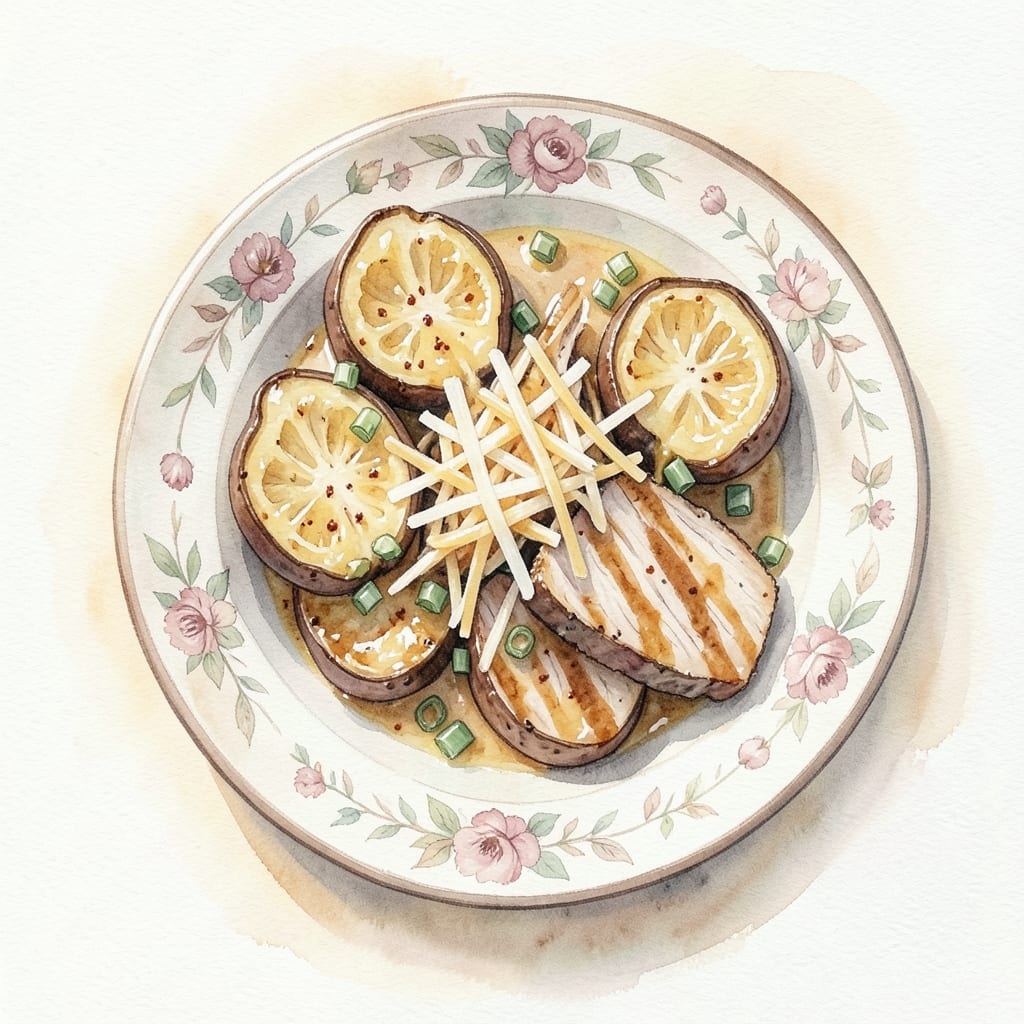
This BBQ pork baked potato recipe transforms a simple side into a smoky, loaded masterpiece—where crispy potato skin meets tender, juicy pork that practically melts in your mouth. I developed this after years of perfecting my pitmaster techniques, blending French precision with smoky BBQ tradition to create a dish that’s both comforting and impressive. The secret lies in the pork’s perfectly seasoned crust and the potato’s creamy, fluffy interior, all balanced by a tangy BBQ glaze that ties every bite together.
What makes this recipe stand out is the two-stage cooking process: first, the pork is seared and slow-roasted to 145°F internal temperature, ensuring it stays juicy while developing a deep, caramelized bark. Meanwhile, the potatoes bake until their insides are buttery and tender, with skins so crisp they shatter at the first bite. The result? A dish that’s hearty enough for a weekend feast but simple enough for a weeknight dinner—no fancy techniques required, just bold flavors and foolproof execution.
Picture this: a golden-brown potato split open, revealing a creamy center piled high with smoky pork, melted cheese, and a drizzle of that tangy BBQ glaze. The pork stays juicy and flavorful, thanks to a dry rub that clings like a second skin, while the potato’s texture is perfectly balanced—crispy outside, soft inside. This isn’t just a side dish; it’s the main event, elevated by the smoky-sweet contrast of the BBQ pork and the potato’s natural richness.
Serve it with a simple green salad to cut through the richness or a batch of crunchy coleslaw for extra texture. The leftovers? Even better the next day—just reheat the pork gently and warm the potatoes in the oven until crispy again. This is the kind of recipe that turns a basic baked potato into a showstopping meal, all while keeping the process straightforward and satisfying. Let’s get cooking!
Ingredients for bbq pork baked potato
These premium ingredients create a smoky, loaded potato masterpiece with perfect texture contrast.
| Ingredient | Amount | Notes |
|---|---|---|
| Russet Potatoes 🥔 | 4 whole | Large size, unpeeled for crispy skin |
| Pork Shoulder 🐖 | 2 lb | Bone-in for maximum flavor, cut into 1-inch cubes |
| BBQ Dry Rub 🌶️ | ½ cup | Homemade or store-bought (see notes for blend) |
| Unsalted Butter 🧈 | ½ cup | Melted for potato topping |
| Shredded Cheddar Cheese 🧀 | 1 ½ cups | Sharp variety for best melt |
| Chopped Green Onions 🧅 | ¼ cup | Fresh for garnish |
| BBQ Sauce 🍅 | ½ cup | Tangy variety for drizzling |
| Olive Oil 🫒 | 2 tbsp | For potato seasoning |
| Salt 🧂 | 1 ½ tsp | Kosher salt for seasoning |
| Black Pepper 🌶️ | 1 tsp | Freshly ground for heat |
| Garlic Powder 🧄 | 1 tsp | For pork seasoning |
| Smoked Paprika 🌶️ | 1 tsp | For deep smoky flavor |
| Brown Sugar 🍯 | 1 tbsp | For pork rub balance |
| Apple Cider Vinegar 🍎 | 1 tbsp | For BBQ glaze tang |
The pork shoulder is non-negotiable for this recipe—bone-in cuts develop richer flavor during slow roasting. Look for well-marbled sections at specialty butchers or the meat department at Whole Foods or Costco, where you'll find the best quality. For the potatoes, Russets are essential—their high starch content creates that signature fluffy interior. Avoid waxy varieties like Yukon Golds, which won't achieve the same creaminess. Pre-cutting the pork into 1-inch cubes ensures even cooking and maximum surface area for the dry rub to cling to. If you're making this ahead, the pork can be prepped and refrigerated for up to 24 hours before cooking without affecting texture.
No smoked paprika? Substitute with equal parts regular paprika plus a pinch of liquid smoke—just be cautious with the smoke intensity. For the BBQ dry rub, McCormick's Smoked BBQ blend is my go-to store-bought option, but you can easily make your own with 2 tbsp paprika, 1 tbsp brown sugar, 1 tsp garlic powder, 1 tsp onion powder, and 1 tsp salt. The sharp cheddar is crucial for that perfect melt—avoid pre-shredded varieties (they contain anti-caking agents that prevent proper melting). For a tangier glaze, add 1 tsp Dijon mustard to the BBQ sauce. The apple cider vinegar in the glaze is what elevates this from ordinary BBQ to restaurant-quality—don't skip it.
Pork cubes should be refrigerated in an airtight container for up to 3 days before cooking, while the potatoes can be stored in a cool, dark place for 1 week. The dry rub keeps its potency for 3 months in an airtight container. For maximum crispiness, reheat potatoes directly from the fridge—they won't steam and lose their texture. The pork reheats beautifully in a 350°F oven for 10-15 minutes, covered loosely with foil. Portion the loaded potatoes into individual baking dishes before serving to maintain that perfect skin-to-crease ratio. Leftovers keep for 4 days in the fridge or can be frozen for 2 months—though honestly, they rarely last that long.
Why You'll Love This Recipe
- One-Pan Magic: I swear by this recipe because it’s all about minimal cleanup. Bake the potatoes and pork together—same tray, same oven—then just slide everything onto a cutting board. The pork shoulder falls apart with a fork, and those crispy potatoes? Worth the effort of scrubbing one pan.
- Smoky Cheesy Bliss: That dry rub on the pork? It’s the star. Deep, tangy, slightly sweet—like a pulled pork sandwich but better. Then you top it with melty cheddar, and suddenly you’ve got a flavor bomb that’s equal parts savory, smoky, and rich. Honestly, my kids fight over the last bite.
- Game-Day Ready: This is my go-to for tailgates, lazy Sundays, or when I need a meal that feels special but doesn’t require a fancy menu. The pork stays tender for hours, so it’s perfect for prepping ahead. Just reheat and serve—no one will guess it’s not from a food truck.
- Budget-Friendly Feast: Pork shoulder is cheap, potatoes are cheap, and a bag of cheddar lasts forever. I can feed four people for under $15, and there’s always leftovers for lunch the next day. Plus, it’s one of those meals where the more you make, the happier everyone is. (Yes, even on a Tuesday night.)
Step-by-step instructions for BBQ pork baked potatoes
Here's how to create perfectly smoky crusts and creamy centers with this loaded potato masterpiece.
Prepare the Pork Shoulder for Smoky Flavor
Pat the 2 lb pork shoulder dry with paper towels to remove excess moisture—this ensures the rub adheres properly and the meat develops a deep bark. In a large bowl, combine the 0.5 cup BBQ dry rub, 1 tbsp brown sugar, 1 tsp garlic powder, 1 tsp smoked paprika, 1.5 tsp salt, and 1 tsp black pepper. Mix thoroughly to distribute the spices evenly.
Coat the pork shoulder generously with the rub mixture, pressing it into the meat so it sticks. Place the seasoned pork in a resealable plastic bag and refrigerate for at least 30 minutes (or up to 24 hours for deeper flavor penetration). This resting period allows the spices to penetrate the meat, creating a flavorful crust when cooked.
Roast the Pork Shoulder Until Tender
Preheat your oven to 325°F. Place the seasoned pork shoulder on a wire rack set inside a roasting pan to allow air circulation on all sides. Roast for 3 hours until the internal temperature reaches 195°F and the meat is fork-tender. If the pork starts to brown too quickly, tent it loosely with aluminum foil to prevent over-browning while ensuring even cooking.
Once the pork is fully cooked, remove it from the oven and let it rest for 20 minutes before slicing. This resting period allows the juices to redistribute, ensuring each bite is moist and flavorful. While the pork rests, prepare the potatoes and toppings to streamline the assembly process.
Create the Perfect Smoky Potato Crust
Preheat your oven to 425°F. Prick the 4 whole Russet potatoes all over with a fork to allow steam to escape, preventing them from bursting. Brush each potato generously with 2 tbsp olive oil and sprinkle with 1 tsp salt and 1 tsp black pepper. Place the potatoes directly on the oven rack to ensure even browning on all sides.
Roast the potatoes for 45-50 minutes until the skin is deep golden brown and crispy, and the flesh is tender when pierced with a fork. The key here is patience—don't cut into them too early, as the interior should be fully cooked but still slightly firm. This balance ensures a crispy exterior and creamy interior.
Assemble the Loaded BBQ Potatoes
Cut the rested pork shoulder into 1-inch thick slices and arrange them on a serving platter. Slice the 4 roasted potatoes in half lengthwise and place them on the platter alongside the pork. Melt the 0.5 cup unsalted butter in a small saucepan over low heat, then whisk in the 0.5 cup BBQ sauce and 1 tbsp apple cider vinegar until smooth. Simmer for 2 minutes to blend the flavors.
Drizzle the warm BBQ butter mixture generously over the potatoes and pork. Top each potato half with 1.5 cups shredded cheddar cheese and broil for 2-3 minutes until the cheese is fully melted and bubbly. Garnish with 0.25 cup chopped green onions for a fresh finish. Serve immediately while the cheese is still gooey and the potatoes are piping hot.
Pro Tips For Making Bbq Pork Baked Potato
- Poke the Potatoes First: I learned this the hard way—skipping the poke-and-parboil step means uneven cooking and a gummy center. Pierce each Russet 3-4 times with a fork, then boil them 5 minutes before baking. This guarantees fluffy insides and crispy skins, even if you’re distracted while they roast.
- Cook Pork to 195°F: That’s the sweet spot for pull-apart tenderness, not the usual 165°F. Use a meat thermometer—yes, even for pork shoulder—and let it rest 20 minutes under foil before shredding. Overcooking dries it out; undercooking leaves it chewy. Trust the numbers.
- Rub the Potatoes with Butter: This isn’t just about flavor—it’s about texture. After baking, slash the tops open and dot each potato with 1 tablespoon of melted unsalted butter. The butter melts into the fluff, keeping it moist while adding richness. Skip this, and you’ll get sad, dry spuds.
- Add Cheese Late: I used to pile on the cheddar right after baking, and it’d melt into a greasy mess. Instead, sprinkle it on just before serving—let the residual heat from the potato do the work. If you’re really short on time, microwave the potatoes for 30 seconds after adding cheese for a quick melt.
Storing and reheating your leftovers
Refrigerator Storage
Store leftover BBQ pork in an airtight container for up to 4 days—I use glass Pyrex with tight-sealing lids to keep those smoky flavors locked in. The pork stays juicy when refrigerated, but I always reheat it gently to avoid drying it out. For the baked potatoes, keep them whole in a paper bag in the fridge for 2 days to maintain crispiness. The key is to store them separately until ready to reheat. 🥔
Freezer-Friendly Prep
Both the pork and potatoes freeze beautifully for 2 months—perfect for meal prep. Portion the pork into 1-inch slices and freeze them on a tray first to prevent sticking, then transfer to a freezer bag. For potatoes, wrap each whole potato individually in foil before freezing. When ready to eat, bake the potatoes from frozen at 425°F for 15-20 extra minutes until crispy. 🧊
Oven Reheating
My go-to method for reheating the pork is a 350°F oven for 10-15 minutes, covered loosely with foil. This keeps it moist while reactivating the crispy bark. For potatoes, bake them whole at 400°F for 20 minutes—the foil wrapping helps restore that perfect creamy interior. The secret is patience: let them reheat slowly to avoid soggy skins. ✨
Microwave Shortcut
When I’m in a hurry, I reheat individual portions of pork in the microwave for 1-2 minutes on high, then finish under the broiler for 1 minute to crisp up the edges. For potatoes, microwave them whole (unwrapped) for 3-4 minutes, then broil for 2-3 minutes to revive the crust. This method works in a pinch, but oven reheating is always better for texture. 🔥
Reheating the Loaded Toppings
If you’ve already assembled the loaded potatoes, reheat them covered in the oven at 375°F for 10 minutes—just long enough to melt the cheese without turning it rubbery. For extra crispiness, broil for 1-2 minutes at the end. The BBQ butter glaze reheats beautifully, so don’t skip drizzling it fresh after warming. 🧀
Leftovers Hack
Turn leftover pork into BBQ pork hash the next day: dice the meat, pan-fry with diced potatoes, and top with a fried egg. Or mash the potatoes with a little butter and cheese for loaded potato pancakes. These creative twists keep the meal exciting while minimizing waste. 💡
Nutrition facts
Frequently asked questions
Can I use pork chops instead of pork shoulder?
Pork chops won't work as well for this recipe—they're too lean and cook too quickly to develop that rich, smoky bark. The pork shoulder's fat content is key for keeping the meat juicy during slow roasting. If you're set on chops, try bone-in rib chops (like St. Louis style) and reduce the cooking time to 20-25 minutes at 375°F.
How do I make the potatoes extra crispy?
For the crispiest skins, bake the potatoes directly on the oven rack at 425°F for 50-55 minutes—no turning needed! The high heat and air circulation create that perfect shatter. For even more crunch, sprinkle with 1 tsp cornstarch before baking. Pro tip: Let them cool for 5 minutes after baking before slicing to prevent falling apart.
What's the best cheese for melting?
Sharp cheddar is ideal, but don't use pre-shredded—it contains anti-caking agents that prevent proper melting. For extra gooey results, mix 1 cup cheddar with 0.5 cup Monterey Jack. Avoid mozzarella (it won't melt as smoothly) and skip anything with fillers. When broiling, watch closely to prevent burning—2-3 minutes max!
Can I prep this ahead of time?
Prep the pork rub and coat the meat 24 hours ahead—it develops deeper flavor. Roast the pork and potatoes the day before, then store separately. Reheat pork in the oven (350°F for 15 minutes) and potatoes whole (400°F for 20 minutes) with foil. Assemble and broil just before serving for that restaurant-fresh finish.
What sides pair best with this dish?
For a full spread, try crispy slaw (the acid cuts through the richness) or grilled corn on the cob with chili-lime butter. For a lighter option, a simple arugula salad with lemon vinaigrette balances the meal perfectly. The smoky pork also complements pickled vegetables—try quick-pickled jalapeños or red onions for a tangy crunch.