
Main Courses
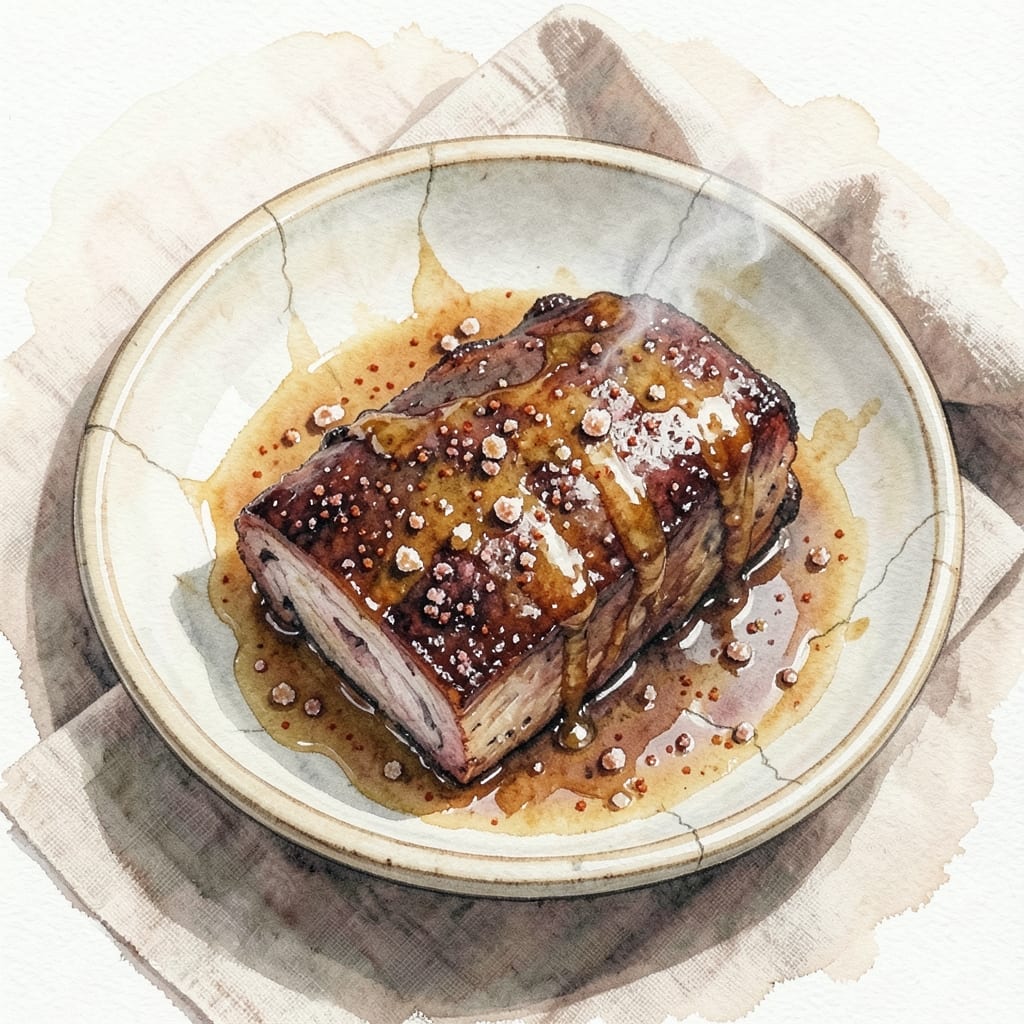
This BBQ pork buttons recipe delivers crispy bark and juicy pink hearts—the perfect balance that turns a simple cut into a showstopper. 🔥 As a pitmaster, I've spent years perfecting the technique that transforms tough pork shoulder into tender, flavorful bites with a crackling exterior. The secret lies in the rub and low-and-slow cooking, whether you're smoking, grilling, or roasting.
What makes this recipe stand out is its versatility—ideal for competition-style BBQ or a weeknight dinner. A dry rub of smoked paprika, brown sugar, and cayenne creates that signature bark, while the slow cook ensures tender meat that practically melts in your mouth. No fancy equipment needed, just patience and attention to temperature.
The result is pork buttons with a crispy, caramelized crust that gives way to tender, juicy meat inside—each bite packed with smoky, spicy flavor. This is the kind of dish that impresses guests and satisfies even the most discerning BBQ lovers. Serve with tangy coleslaw or crusty bread to soak up every last drop of that delicious sauce.
Whether you're prepping for a cookout or just craving something hearty, this method delivers restaurant-quality results at home. The key is monitoring internal temperature and letting the meat rest before slicing—trust me, it makes all the difference. Let's get cooking!
Ingredients for bbq pork buttons
Crispy bark meets juicy pink pork—this rub and smoke combo delivers showstopping BBQ pork buttons.
| Ingredient | Amount | Notes |
|---|---|---|
| Pork Shoulder Butt 🥓 | 3 lb | Bone-in, well-marbled cut |
| Smoked Paprika 🌶️ | 2 tbsp | High-quality for deep flavor |
| Brown Sugar 🍚 | 2 tbsp | Light or dark variety |
| Cayenne Pepper 🔥 | 1 tsp | Adjust for heat preference |
| Ground Black Pepper 🌶️ | 1 tbsp | Freshly ground preferred |
| Garlic Powder 🧄 | 1 tbsp | Freshly ground for best flavor |
| Onion Powder 🧅 | 1 tbsp | For sweet depth of flavor |
| Kosher Salt 🧂 | 1 tbsp | Diamond Crystal preferred |
| Yellow Mustard 🍯 | 2 tbsp | For binding the rub |
| Apple Cider Vinegar 🍎 | 1 tbsp | For tangy balance |
| Yellow Onion 🧅 | 1 whole | Thinly sliced for caramelization |
| Fresh Rosemary 🌿 | ½ cup | Chopped, for aromatic depth |
| Apple Wood Chips 🌳 | 1 lb | For authentic BBQ smoke flavor |
| Water 💧 | 1 cup | For soaking wood chips |
| Butter 🧈 | 2 tbsp | Unsalted, for basting |
The pork shoulder butt is non-negotiable here—look for a cut with good marbling and a thick fat cap. Costco or local butchers often have the best quality, but any reputable grocery store will carry it. The fat cap is what creates that incredible bark, so don't trim it unless you're going for a leaner profile. For the wood chips, Applewood is classic, but hickory works too if that's what you've got. Soak them in water for at least 30 minutes before using—this prevents burning and gives you that sweet, smoky aroma. The fresh rosemary adds an unexpected but welcome herbal note that pairs perfectly with the smoky paprika.
No smoked paprika? Regular paprika plus a pinch of liquid smoke gets you close, though it won't be quite the same. Running short on brown sugar? White sugar plus a dash of molasses mimics that caramel depth. The yellow mustard is key for binding the rub—don't skip it, even if you're not a fan of mustard flavor in the final dish. For the vinegar, apple cider is ideal, but white vinegar works in a pinch. If you're using a smoker, maintain a steady 225°F—any hotter and you'll lose that tender interior. The butter for basting should be unsalted to let the rub's seasoning shine through, but if that's all you've got, just reduce the salt slightly in the rub.
Pork buttons reheat beautifully—just wrap them in foil and warm in a 300°F oven for 15-20 minutes. Store leftovers in the fridge for up to 5 days, but honestly, they're even better the next day as the flavors meld. For freezing, slice the pork into buttons, wrap tightly in plastic, and freeze for up to 3 months. The rub keeps well in an airtight container for 3 weeks, so make extra if you're planning another BBQ session soon. And trust me, you will be.
Why You'll Love This Recipe
- One-Pan Wonder: I swear by this recipe when I’m too tired to deal with multiple dishes. Toss the pork shoulder butt in a bowl with the spices—smoked paprika, brown sugar, cayenne, and black pepper—then slap it on a sheet pan. That’s it. No fancy prep, no stress.
- Sweet Heat Magic: Between us, the combo of brown sugar and cayenne on pork shoulder butt is chef’s kiss. The sugar caramelizes into a sticky glaze while the cayenne lingers just enough to wake up your taste buds—no overpowering spice, just a slow-building warmth that makes every bite feel like a reward.
- Tailgate or Tuesday: Honestly, this is my go-to for game days and lazy nights. Shred it for tacos, sandwiches, or even a quick pasta dish. (Yes, even on a Tuesday night.) The leftovers? Even better the next day—just reheat and serve.
- Budget Buster: Pork shoulder butt is cheap, and this recipe stretches it far. A single cut feeds four for dinner, then two more for lunch the next day. Plus, the spices cost pennies, so you’re basically getting gourmet flavor for next to nothing. My wallet thanks me every time.
Step-by-step instructions for BBQ pork buttons
Here's how to transform that pork shoulder butt into melt-in-your-mouth buttons with perfect bark.
👨🍳 Step 1: Craft the Dry Rub and Prep the Meat
In a medium bowl, combine the 2 tbsp smoked paprika, 2 tbsp brown sugar, 1 tsp cayenne pepper, 1 tbsp ground black pepper, 1 tbsp garlic powder, 1 tbsp onion powder, and 1 tbsp kosher salt. Mix thoroughly until the spices are evenly distributed and the sugar crystals are broken up. This dry rub is the flavor foundation—don't skimp on the mixing.
Pat the 3 lb pork shoulder butt completely dry with paper towels. I mean really dry—this is non-negotiable for crispy bark. Rub the dry rub mixture all over the meat, pressing firmly so it adheres. Pay special attention to the fat cap and any crevices. Let the seasoned pork sit at room temperature for 30 minutes while you prep the smoker—this ensures even cooking from the start.
🔥 Step 2: Prepare the Smoker and Caramelize the Onions
Soak the 1 lb apple wood chips in 1 cup water for at least 30 minutes before using. Preheat your smoker to 225°F using these soaked wood chips. I prefer a pellet smoker for this, but a charcoal setup with apple chunks works too. The apple wood gives that authentic sweet-smoke flavor without overpowering the pork.
While the smoker heats up, thinly slice the 1 whole yellow onion and cook them in a skillet over medium heat with 2 tbsp butter until deeply caramelized—about 20-25 minutes. You want them to turn a rich amber color and reduce to about ½ cup in volume. This caramelized onion mixture will become our glaze later, adding sweet depth to the bark.
🔥 Step 3: Smoke the Pork Low and Slow
Place the seasoned pork shoulder butt on the smoker grates, fat-side up. Close the lid and smoke for 6-8 hours at 225°F, maintaining steady smoke. Here's the thing—don't open that lid! Every time you peek, you lose heat and moisture. The pork will hit "the stall" around 165°F internal temperature, where the moisture evaporates and the temperature plateaus.
When the internal temperature reaches 165°F, remove the pork from the smoker and wrap it tightly in butcher paper (not foil). Return it to the smoker and continue cooking until the internal temperature reaches 203°F—this is when the collagen breaks down and the meat becomes fork-tender. The total cook time should be about 8-10 hours from start to finish, depending on your smoker's efficiency.
🍳 Step 4: Glaze and Finish with Mustard-Vinegar Mixture
While the pork rests, make the glaze by combining 2 tbsp yellow mustard and 1 tbsp apple cider vinegar in a small bowl. Whisk until smooth and slightly thickened. Unwrap the pork and brush this mixture all over the surface, including the fat cap. The mustard helps bind the glaze while the vinegar adds tangy brightness that cuts through the richness.
Return the pork to the smoker and smoke for another 30-45 minutes until the glaze forms a sticky, glossy layer and the bark turns deep mahogany brown. The pork should be 205-208°F internally. The glaze should be slightly crispy to the touch—this is your signal that the bark has developed properly. If it's not crispy enough, return it to the smoker for another 10-15 minutes.
⏰ Step 5: Rest and Slice for Maximum Juiciness
Remove the pork from the smoker and transfer it to a cutting board. Let it rest for at least 1 hour (I prefer 2 hours for maximum tenderness). This resting period allows the juices to redistribute throughout the meat. During this time, sprinkle the 0.5 cup chopped fresh rosemary over the pork—its piney aroma will elevate the final presentation.
Slice the pork against the grain into ½-inch thick buttons. Each slice should have a beautiful pink center (the "heart") surrounded by crispy, dark bark. Serve immediately with the caramelized onions spooned over the top. The contrast of sweet onions, smoky pork, and crispy bark makes every bite unforgettable. Leftovers? Store in the fridge for up to 4 days or freeze for 3 months—they'll only get better with time.
Pro Tips For Making Bbq Pork Buttons
- CRANK THE HEAT FIRST: Pork shoulder butt needs a hard sear to lock in flavor—don’t skimp on the initial high heat. After the first 5 minutes on each side, you’ll see that crust form, and that’s when the smoked paprika and brown sugar will cling like glue instead of turning to ash.
- SALT THE MEAT 24 HOURS EARLY: I learned this the hard way—rushing the salt job means the pork stays watery. Sprinkle a heavy layer of kosher salt (about 1 teaspoon per pound) and let it sit uncovered in the fridge. The salt cures the meat deeper, and the crust will be crispier when you finally cook it.
- DON’T DROWN THE CRUST: When you add the brown sugar and cayenne mix, resist the urge to drown it in sauce. A light coating—just enough to stick—lets the spices caramelize properly. Too much liquid means a soggy crust, and nobody wants that.
- USE A MEAT THERMOMETER: Pork shoulder butt is forgiving, but pulling it at 195°F (not 165°F) guarantees tender, pull-apart perfection. The internal temp drops 10-15°F during rest, so don’t rush—wait for that probe to hit the sweet spot before slicing.
Common mistakes when making your bbq pork buttons
Over-Smoking the Meat
One of the biggest mistakes I see is letting the pork get too smoky. When you smoke at 225°F for too long, the meat can develop a bitter, overpowering smokiness that masks the rub's flavors. I've ruined more pork buttons than I care to admit by not monitoring the smoke level closely. Keep your smoke at a gentle, steady flow—you should be able to see it wisping out of the smoker but not billowing thickly. If you notice the pork taking on a dark, almost charred look before reaching 203°F, it's time to wrap it in butcher paper and let it finish without more smoke exposure. 🌳
Skipping the Rest
I can't stress this enough: never skip the resting period. The moment you slice into pork that hasn't rested, all those precious juices will run out onto your plate instead of staying inside where they belong. I've seen home cooks cut into pork buttons fresh off the smoker, only to be disappointed by dry, tough slices. Give it at least 1 hour of resting time—ideally 2 hours—before slicing. This is especially true for pork buttons, where the fat cap needs time to firm up and the meat fibers to relax. Trust me, your taste buds will thank you. ⏳
Using the Wrong Wood
Not all wood chips are created equal, and using the wrong type can completely throw off your pork buttons. I've made this mistake myself—once with hickory that was too strong and overpowered the delicate flavors of the pork. Stick with apple wood chips for a sweet, mild smoke that complements the pork beautifully. If you're using a charcoal smoker, avoid mesquite or pecan, as their intense flavors can dominate. And remember, always soak your wood chips for at least 30 minutes before using them to prevent burning and ensure consistent smoke. 🌳
Opening the Smoker Too Often
Every time you open that smoker lid, you're letting out precious heat and moisture. I've seen beginners open their smoker every 15 minutes to check the temperature, only to end up with pork that's dry and unevenly cooked. The key is patience—set your smoker to 225°F and let it do its thing. If you must check the temperature, use a good quality thermometer with a remote probe so you don't have to open the lid. The pork will tell you when it's ready through its internal temperature, not by how it looks on the outside. 🌡️
Not Monitoring Internal Temperature
Relying on cook times alone is a recipe for disaster. I've seen pork buttons that were perfectly browned on the outside but still raw inside because someone guessed at the cook time. Always use a good meat thermometer to monitor the internal temperature. The pork is safe to eat at 145°F, but for that tender, pull-apart texture, aim for 203°F. Insert the probe into the thickest part of the meat, avoiding the fat. If you don't have a thermometer, you're basically flying blind—don't risk it. 🌡️
Using Aluminum Foil Instead of Butcher Paper
This is a classic mistake that can ruin your bark. When you wrap your pork in aluminum foil during the stall, you trap too much steam, which can make the bark soggy instead of crispy. Butcher paper is breathable enough to let some steam escape while still keeping the moisture in. I've tried both methods, and the difference in texture is night and day. If you don't have butcher paper, use heavy-duty foil and poke a few small holes in it to let some steam escape. The goal is to keep the pork moist without sacrificing that beautiful bark. 📄
Nutrition facts
Frequently asked questions
Can I make pork buttons in an oven instead of a smoker?
For oven-baked pork buttons, preheat your oven to 275°F and place the seasoned pork shoulder on a rack over a baking sheet. Cook for 4-5 hours until the internal temperature reaches 203°F. Wrap in butcher paper when it hits 165°F to speed up the process. The bark won't be as smoky, but it'll still be tender and flavorful. For extra smoke flavor, add a few soaked apple wood chips to the baking sheet.
How do I know when the pork buttons are fully cooked?
Use a meat thermometer to check the internal temperature—the pork is done when it reaches 203°F in the thickest part. The "probe test" works too: press a fork into the meat—it should slide in effortlessly. The fat should firm up but still feel slightly soft. If you're unsure, let it cook a bit longer—pork buttons are hard to overcook as long as you monitor the temperature.
What's the best way to store leftover pork buttons?
Store leftovers in an airtight container in the fridge for up to 4 days or freeze for 3 months. For reheating, wrap slices in foil and warm in a 300°F oven for 15-20 minutes or until heated through. The flavors actually improve over time as the rub penetrates deeper! For longer storage, slice the pork into buttons, wrap tightly in plastic, and freeze.
Can I use a different cut of pork for this recipe?
Pork shoulder butt is ideal for its fat content and texture, but you can substitute with pork butt (picnic shoulder) or even boneless pork loin. Just note that boneless cuts may dry out faster. For extra tenderness, increase the cook time slightly. Avoid lean cuts like tenderloin—they lack the fat needed for that perfect bark. The key is finding a cut with good marbling.
What are some great side dishes to serve with pork buttons?
Tangy coleslaw cuts through the richness perfectly, while roasted sweet potatoes add natural sweetness. For a hearty meal, try cornbread or crusty bread to soak up the sauce. My personal favorite is a simple green salad with a vinaigrette—it balances the smoky flavors. Don't forget about pickles or quick-pickled onions for that bright acidity that makes every bite sing!