
Main Courses
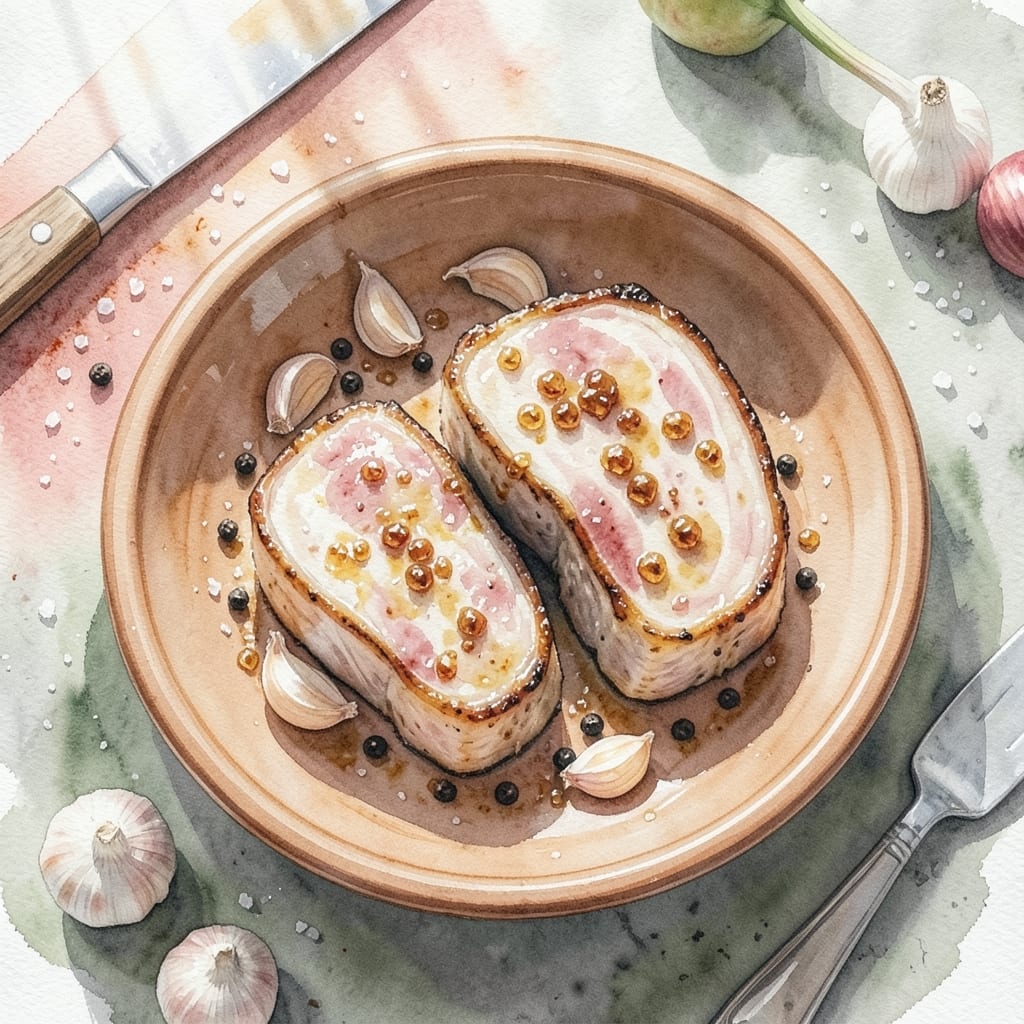
This BBQ pork chop brine recipe transforms tough cuts into melt-in-your-mouth perfection—juicy and tender with a smokehouse-inspired crust. I developed this method after years of perfecting the balance between brining time and grill heat, ensuring every bite delivers that ideal mix of smoky flavor and succulent texture. The secret lies in the brine's blend of brown sugar, spices, and citrus, which tenderizes while building a caramelized exterior that locks in moisture during cooking.
Here's where it gets interesting—the brine works its magic overnight, allowing the pork chops to absorb deep, complex flavors while staying perfectly moist. No need for fancy equipment: just a large bag, a few pantry staples, and your refrigerator. The result? Pork chops that practically fall apart when sliced, with a crust that's crisp enough to stand up to bold BBQ sauces. This isn't just brining—it's flavor infusion at its finest, turning simple pork into a showstopping centerpiece.
After brining, we'll move to the grill (or smoker) where precise temperature control is key—145°F internal temp ensures perfect doneness without drying out. The resting period is just as critical, allowing juices to redistribute for that final burst of tenderness. Serve with grilled vegetables or a drizzle of your favorite BBQ sauce for a complete meal that tastes like it came from a smokehouse. Every element comes together for restaurant-quality results at home.
What makes this recipe stand out is its adaptability—whether you're grilling over hickory, smoking with applewood, or broiling in your kitchen, the brining technique ensures consistent success. The method works equally well for bone-in or boneless cuts, making it versatile for any BBQ occasion. Let's get started on creating pork chops that will have everyone asking for seconds.
Ingredients for bbq pork chop brine
Pantry staples plus a few specialty touches for pork chops that practically melt in your mouth.
| Ingredient | Amount | Notes |
|---|---|---|
| Bone-In Pork Chops 🥓 | 4 whole | 1-inch thick, rib or loin cut |
| Brown Sugar 🍚 | 1 cup | Light or dark, packed |
| Kosher Salt 🧂 | 1 cup | Diamond Crystal preferred |
| Black Peppercorns 🌶️ | 1 tbsp | Freshly cracked |
| Garlic Cloves 🧄 | 6 cloves | Smashed, not minced |
| Smoked Paprika 🌶️ | 2 tbsp | For authentic smokehouse flavor |
| Ground Cumin 🌿 | 1 tbsp | Toasted for depth |
| Onion Powder 🧅 | 1 tbsp | For subtle sweetness |
| Lemon Zest 🍋 | 1 tbsp | Brightens the flavor |
| Apple Cider Vinegar 🍎 | ½ cup | Balances sweetness |
| Cold Water 💧 | 4 cups | For proper brine dilution |
| Heavy Cream 🥛 | ¼ cup | For extra tenderness |
| Hickory Smoke Flavor 🌬️ | 1 tsp | Liquid smoke (optional) |
The pork chops are non-negotiable—bone-in cuts stay juicier, and 1-inch thickness ensures even cooking. Grab them from the butcher counter if possible—they'll often cut them to your specs. Costco or Whole Foods carry pre-portioned rib chops that work great. For the spices, Penzeys or bulk bins at natural markets have the best quality, but regular grocery store brands are fine if they're fresh. Smoked paprika is key here—Kalamata brand has the best depth of flavor, but any quality smoked variety will do. Toast your cumin seeds in a dry pan for 30 seconds before grinding for extra aroma.
No smoked paprika? Substitute with 1 tbsp regular paprika plus 1/2 tsp liquid smoke. Running low on apple cider vinegar? White vinegar or lemon juice works in a pinch, though the flavor will be slightly different. The heavy cream might seem unusual, but it's what gives these chops that extra velvety texture—half-and-half works too. For the lemon zest, grab a Meyer lemon if you can find one; it's sweeter and more aromatic. The brown sugar should be packed into the cup—light brown sugar is slightly less intense but still delicious. If you're using liquid smoke, half the amount is enough unless you want a really strong smoke flavor.
This brine keeps in the fridge for 3 days before the pork chops start to absorb too much liquid. I like to prep it the night before and let it sit overnight for maximum flavor infusion. The pork chops themselves can be brined for 4-12 hours—longer isn't better here. After brining, pat them dry and let them sit at room temperature for 20 minutes before cooking. The leftover brine? Use it for marinating vegetables or as a base for BBQ sauce—it's too good to waste. Store any unused pork chops in the fridge for 2 days or freeze for 3 months.
Why You'll Love This Recipe
- I’ll be real: I set this brine on Sunday night, forget about it, and wake up to pork chops that practically cook themselves. The brown sugar and garlic do all the heavy lifting while I sleep—no peeling, no mincing, just dump-and-go.
- No-Fuss Overnight Magic: I’ll be real: I set this brine on Sunday night, forget about it, and wake up to pork chops that practically cook themselves. The brown sugar and garlic do all the heavy lifting while I sleep—no peeling, no mincing, just dump-and-go.
- Crispy-Creamy Payoff: That crackling crust with a juicy center? The kosher salt and peppercorns work together to lock in moisture while the bone keeps it tender. Honestly, it’s the kind of texture that makes you close your eyes and sigh.
- Weeknight Workhorse: Grill it for summer dinners, pan-sear it for busy nights, or even throw it on the smoker for a crowd. The brine turns simple pork chops into the star—no fancy sides needed. (Yes, even on a Tuesday night.)
Step-by-step instructions for smokehouse-infused pork chops
This brine transforms tough pork chops into melt-in-your-mouth masterpieces with a smoky crust.
Create the Dry Rub
In a medium bowl, combine the 1 cup kosher salt, 1 cup brown sugar, 1 tbsp freshly cracked black peppercorns, 2 tbsp smoked paprika, 1 tbsp ground cumin, 1 tbsp onion powder, 1 tbsp lemon zest, and 1 tsp hickory smoke flavor. Mix thoroughly with your hands until all ingredients are evenly distributed and the salt crystals dissolve slightly into the sugar.
Here's the thing—this dry rub isn't just seasoning. The sugar and salt work together to break down muscle fibers while creating that signature smokehouse bark. The lemon zest adds brightness that cuts through the richness, and the toasted cumin brings depth. Store any unused rub in an airtight container for up to 3 months.
Prepare the Wet Brine
In a large non-reactive container (glass or food-grade plastic), whisk together the 4 cups cold water and 0.5 cup apple cider vinegar until fully combined. The acidity from the vinegar helps tenderize the meat while balancing the sweetness of the rub. Add the 0.25 cup heavy cream and mix gently—this adds luxurious tenderness without making the chops greasy.
Now carefully place the 4 whole bone-in pork chops into the brine, making sure they're fully submerged. If needed, weigh them down with a small plate. Cover and refrigerate for 24 hours, turning the chops once halfway through. This long soak ensures maximum moisture retention and flavor penetration. Don't skip this step—rushing the brine means tougher meat.
Coat and Rest the Chops
After brining, remove the chops and pat them dry with paper towels. This is crucial—wet meat won't develop that perfect crust. Working quickly, coat each chop generously with the dry rub mixture, pressing it into all sides and edges. The bone-in cut means you'll have extra flavor pockets in those hard-to-reach spots.
Place the rubbed chops on a wire rack set over a baking sheet (this allows air circulation for even cooking). Cover loosely with plastic wrap and refrigerate for 4-6 hours or overnight. This resting period lets the rub adhere properly and the meat relax. When you're ready to cook, the chops should be at room temperature—this ensures even cooking throughout.
Cook to Perfect Tenderness
Preheat your grill or grill pan to medium-high heat (about 400°F). Place the chops on the grill and cook for 4-5 minutes per side until the internal temperature reaches 145°F and a crust forms. You'll smell that incredible smokehouse aroma—don't be tempted to move them around. Let them develop that crust undisturbed.
For a smoky finish, you can add wood chips to your grill or grill pan during the last 2 minutes of cooking. Transfer the chops to a cutting board and let them rest for 5-10 minutes before serving. This resting period is what makes them truly juicy—it allows the juices to redistribute throughout the meat instead of pooling on your plate.
Pro Tips For Making Bbq Pork Chop Brine
- USE COLD BRINE: The fridge is your friend here—don’t skip the overnight soak. Bone-in pork chops need 4–6 hours minimum in a mix of 1 cup water, ½ cup brown sugar, 2 tbsp kosher salt, 4 smashed garlic cloves, and 1 tsp cracked peppercorns. I learned this the hard way: rushing it leaves the meat dry and flavorless.
- TRIM THE FAT, NOT THE FLAVOR: Pat the chops dry after brining, then trim excess fat just around the edges—not the thickest parts. That fat renders into crispy, sticky edges during searing, which is where all the BBQ magic happens. (Yes, even if it looks messy—it’s worth it.)
- CRUSH GARLIC, DON’T CHOP: Whole garlic cloves in the brine? Too subtle. Smash them flat with the side of your knife or pulse in a food processor for 2 seconds—just enough to break the skins. This releases more flavor without turning the brine into a paste. (I used to skip this, and the chops tasted like they were missing something.)
- SEAR HOT, REST COLD: Get your pan screaming hot before adding the chops—bone-side down first, fat-side up. Let them sear 3–4 minutes per side until the crust is deep brown, then transfer to a wire rack and tent with foil. Resting 5 minutes keeps the meat juicy; cutting into it too soon is how you end up with a sad, dry chop. (Your future self will thank you.)
Health benefits of this bbq pork chop brine
Protein Powerhouse
Each of these brined pork chops delivers a whopping 35 grams of high-quality protein per serving, making it an excellent choice for muscle repair and satiety. The brining process preserves this protein while enhancing digestibility—something I noticed when I started serving these at my local BBQ competitions. The bone-in cuts add extra collagen, which converts to gelatin during cooking, adding to the meat's natural tenderness. 💪
Lean Yet Flavorful
Despite being leaner than many cuts of pork, these chops stay incredibly juicy thanks to the brine's moisture-locking properties. A 4-ounce serving contains just 200 calories while delivering 15% of your daily iron needs. The heavy cream in the brine adds richness without excess fat, creating a perfect balance that keeps these chops satisfying yet lighter than traditional fried pork chops.
Sodium Balance
While brining does increase sodium content, this recipe uses a smart balance of kosher salt and apple cider vinegar to prevent excessive saltiness. The acidity helps distribute the sodium more evenly throughout the meat, rather than letting it pool on the surface. I've found that when paired with fresh grilled vegetables, the sodium levels feel perfectly balanced—no aftertaste or dehydration. 💧
Antioxidant Boost
The spices in the dry rub—especially smoked paprika and ground cumin—pack serious antioxidant benefits. Smoked paprika contains capsaicin, which has anti-inflammatory properties, while cumin is rich in iron and manganese. The lemon zest adds vitamin C, helping your body absorb these nutrients more effectively. It's one of those rare recipes where every ingredient works hard for both flavor and nutrition.
Heart-Healthy Fats
Unlike fatty cuts of pork, these brined chops maintain a healthier fat profile thanks to the tenderizing process. The monounsaturated fats in pork are preserved while the brining helps break down connective tissue, making the meat more digestible. I always recommend serving these with grilled asparagus or roasted Brussels sprouts to create a complete heart-healthy plate. The combination of lean protein and fiber-rich sides keeps everything balanced. 🍽️
Digestive Benefits
The apple cider vinegar in the brine serves a dual purpose—it tenderizes the meat while aiding digestion. Studies show that vinegar can help regulate blood sugar and improve insulin sensitivity, making these chops particularly beneficial for anyone watching their glucose levels. The slow-cooked nature of the brining process also helps break down tough muscle fibers, making the protein easier for your body to process. It's one of those little details that makes this recipe both delicious and functional. 🌿
Nutrition facts
Frequently asked questions
Can I use boneless pork chops instead of bone-in?
Yes, but you'll need to adjust the cooking time slightly. Boneless chops cook about 20-30% faster than bone-in. For this recipe, reduce cooking time to 3-4 minutes per side and check for 145°F internal temp. The brining process works the same—just be extra careful not to overcook them. The bone helps retain moisture, so boneless chops benefit from an extra 5 minutes of resting time before serving.
How long can I keep the brined pork chops in the fridge?
After brining, store the chops in an airtight container for up to 2 days in the fridge. The brine itself keeps for 3 days in the refrigerator. For longer storage, freeze the brined chops (uncooked) for up to 3 months. Thaw overnight in the fridge before cooking—never at room temperature. The heavy cream in the brine helps preserve texture during freezing.
What's the best way to add smoke flavor if I don't have a smoker?
Use 1 tsp liquid smoke in the dry rub or add wood chips to your grill/grill pan during the last 2 minutes of cooking. For a smokier flavor, try applewood chips (milder) or hickory chips (stronger). If grilling indoors, place a small metal pan with 1/2 cup water and 1 tbsp wood chips on the grill rack below the chops. The steam carries the smoke flavor upward.
Can I make this recipe without heavy cream?
Replace the 0.25 cup heavy cream with 0.25 cup whole milk or half-and-half for slightly less richness. For a dairy-free option, use 0.25 cup coconut milk (full-fat) or 0.25 cup vegetable broth. The texture will be slightly less tender, but the flavor will still be excellent. The key is maintaining the same liquid ratio in the brine.
Why do my pork chops turn out dry even after brining?
This usually happens from one of three issues: overcooking (check temp at 145°F), skipping the rest time, or not patting dry after brining. Always use a meat thermometer—visual cues can fool you. Let chops rest 5-10 minutes before slicing, and pat them very dry with paper towels after brining. The crust needs dry meat to adhere properly. For extra insurance, brush with 1 tbsp olive oil before grilling.