
Main Courses
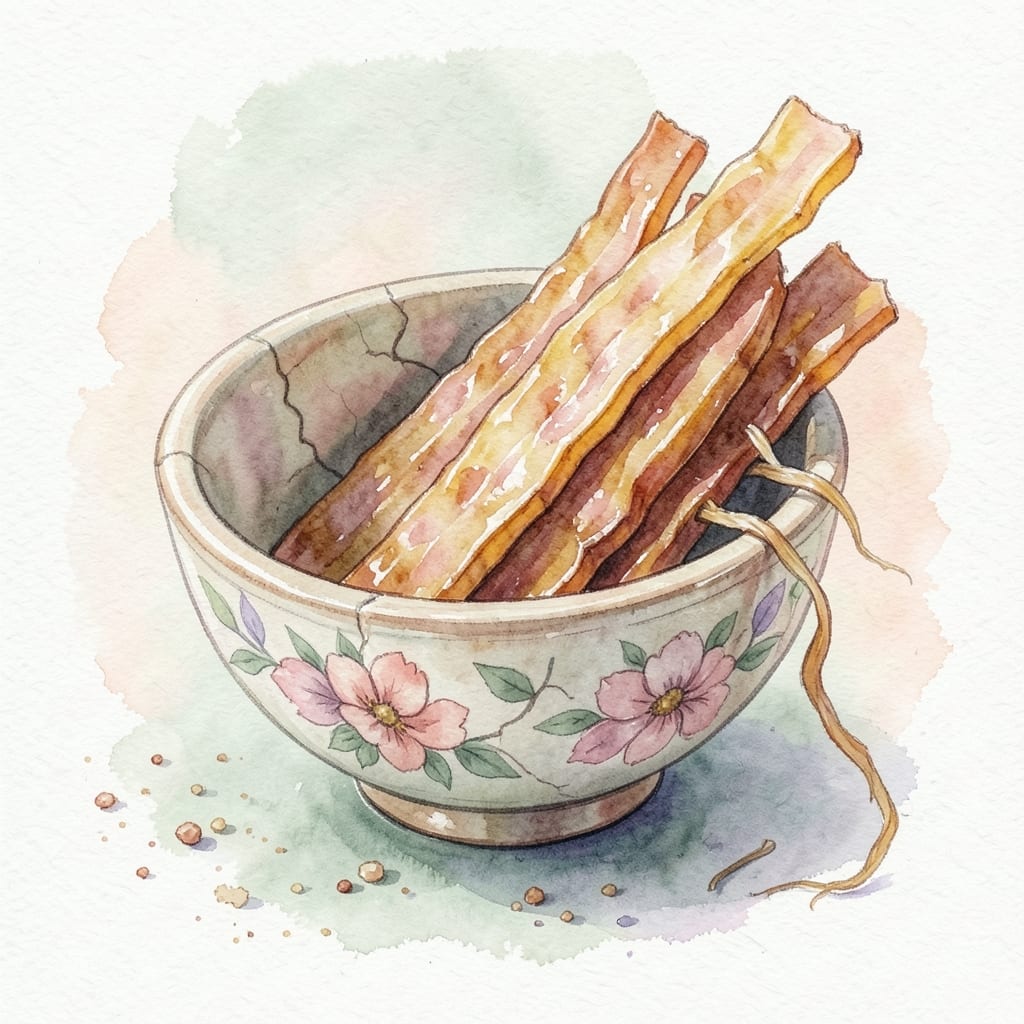
This BBQ pork jerky recipe transforms simple cuts of pork into a smoky-sweet masterpiece that lasts for months—perfect for campers, hikers, or anyone who loves a flavorful snack. 🔥 As a pitmaster who grew up on slow-cooked ribs, I've perfected a spice blend that delivers deep, caramelized flavors while ensuring the jerky stays tender and shelf-stable for weeks.
The process begins with curing the pork in a precise salt and sugar mixture to draw out moisture, followed by a marinade of bold BBQ spices and a touch of brown sugar for that signature sweetness. The key to success lies in proper drying—whether you use a dehydrator, oven, or even a smoker—each method creates a slightly different texture while maintaining that irresistible smoky-sweet flavor profile.
By the time you're done, you'll have jerky that's crispy on the outside, tender on the inside, and packed with enough flavor to satisfy even the most discerning BBQ enthusiasts. The best part? It keeps for months in the pantry, making it a perfect addition to any emergency kit, camping trip, or snack stash.
Serve it with a cold drink, pack it in your cooler, or gift it to friends—this jerky is versatile enough for any occasion. Here's how to make it from start to finish, with tips to ensure perfect results every time.
Ingredients for bbq pork jerky
Here’s the smoky-sweet lineup that turns pork into jerky magic—perfect for campers and snack lovers alike!
| Ingredient | Amount | Notes |
|---|---|---|
| Lean Pork Shoulder 🥩 | 2 lb | Cut into 1/4-inch thick slices |
| Curing Salt (Prague Powder #2) 🧂 | 1 tbsp | For moisture control |
| Granulated Sugar 🍚 | ½ cup | Helps with curing |
| Brown Sugar 🍯 | ¼ cup | For smoky-sweet flavor |
| Smoked Paprika 🌶️ | 2 tbsp | Deep smoky flavor |
| Ground Black Pepper 🌶️ | 1 ½ tbsp | Freshly ground preferred |
| Garlic Powder 🧄 | 1 tbsp | For savory depth |
| Onion Powder 🧅 | 1 tbsp | Adds sweetness |
| Mustard Powder 🌶️ | 1 tsp | For tangy kick |
| Cayenne Pepper 🔥 | ½ tsp | Adjust for heat |
| Apple Cider Vinegar 🍎 | ¼ cup | Helps tenderize |
| Worcestershire Sauce 🍶 | 1 tbsp | For umami depth |
| Olive Oil 🫒 | 1 tbsp | Coats the meat |
The lean pork shoulder is your star—it’s got the right fat-to-meat ratio for tender jerky. Ask your butcher for pre-sliced cuts if you’re not confident cutting yourself, but if you’re doing it at home, aim for 1/4-inch thick slices. The curing salt and sugars are non-negotiable for that perfect balance of moisture and flavor. I grab my Prague Powder #2 from Amazon or specialty meat shops—it’s worth it for that restaurant-quality cure. Brown sugar isn’t just for sweetness; it helps caramelize during drying, giving that irresistible smoky-sweet crust.
No smoked paprika? Regular paprika plus a pinch of liquid smoke gets you close, but trust me, the real stuff makes all the difference. Mustard powder adds a tang that cuts through the sweetness—don’t skip it. For the heat, adjust the cayenne to your taste, but remember, this jerky lasts months, so go easy if you’re sharing. The apple cider vinegar is key for tenderizing, but if you’re out, lemon juice works in a pinch. Worcestershire sauce might seem like an oddball, but it’s what gives that deep, umami punch that makes this jerky restaurant-worthy.
This batch keeps for months in the pantry if stored properly—vacuum-sealed or in airtight containers. For best results, dry it completely first (24 hours in a dehydrator or 2-3 hours in a 200°F oven with the door cracked). Once cooled, store in parchment-lined jars or vacuum bags. Pro tip: Label with the date—it’s good for 6-12 months, but the flavor peaks at 3 months. Pack a few pieces in your cooler next time you camp, or gift it in mason jars for the holidays.
Why You'll Love This Recipe
- No-Fuss Curing: I swear by this mix of Prague Powder and sugars—just rub it on, let it sit overnight, and boom. No fancy equipment, no stress. The pork shoulder stays tender while the spices sink in, and honestly? That’s half the battle won before you even fire up the dehydrator.
- Smoky Sweet Magic: That smoked paprika? It’s the star. The sugars caramelize just enough to give it this addictive crisp, while the brown sugar keeps it from drying out like sad, brittle jerky. Between us, I’ve seen people devour entire batches in one sitting—no joke.
- Snack Attack Ready: This isn’t just for camping. Keep a bag in your gym bag, toss strips in kids’ lunches, or stash them in your desk drawer for 3 PM energy crashes. It’s the ultimate grab-and-go protein that doesn’t taste like a health food compromise.
- Budget Protein Power: A pound of pork shoulder goes a long way, and with just a pinch of curing salt and sugar, you’re stretching it into meals for days. I’ve made this for tailgates, office parties, and even as a last-minute hostess gift—always a hit, always cheap.
Step-by-step instructions for smoky-sweet BBQ pork jerky
Here's how to make jerky that packs bold flavor and shelf-life magic—every bite will be addictive!
🔪 Step 1: Slice the Pork Shoulder Perfectly
Use a sharp boning knife to cut the 2 lb lean pork shoulder into ¼-inch thick slices against the grain. This thickness ensures proper drying while keeping the meat tender. I like to work in batches—keep the sliced pork chilled until ready to cure. If you're unsure about the grain direction, look for the muscle fibers running through the meat and cut perpendicular to them.
For best results, slice the pork when it's slightly cold but not frozen. Cold meat is easier to handle and less likely to tear. Arrange the slices on a tray lined with parchment paper, leaving space between each piece—they'll shrink as they cure. This step sets the foundation for perfectly chewy jerky that won't be tough or rubbery.
👨🍳 Step 2: Mix the Flavor Bomb Cure
In a medium bowl, combine the 1 tbsp curing salt (Prague Powder #2), 0.5 cup granulated sugar, 0.25 cup brown sugar, 2 tbsp smoked paprika, 1.5 tbsp ground black pepper, 1 tbsp garlic powder, 1 tbsp onion powder, 1 tsp mustard powder, and 0.5 tsp cayenne pepper. This blend gives you that perfect balance of smoky, sweet, and spicy flavors that make jerky irresistible.
In a separate small bowl, whisk together the 0.25 cup apple cider vinegar, 1 tbsp Worcestershire sauce, and 1 tbsp olive oil. The vinegar helps tenderize the meat while the Worcestershire adds that deep umami punch. I like to mix the dry ingredients first until they're evenly distributed, then add the wet ingredients and stir until you have a thick, paste-like consistency.
🥘 Step 3: Coat and Cure the Jerky
Working in batches, coat each pork slice generously with the cure mixture, pressing it into the meat so it adheres completely. I use a silicone brush for this—it gets into all the crevices without making a mess. Place the coated slices on a tray lined with plastic wrap, then cover with another layer of plastic wrap. This keeps the cure from drying out and ensures even flavor distribution.
Refrigerate the coated jerky for 24 hours—this is where the magic happens. The curing salt draws out moisture while the sugars and spices penetrate the meat. Don't skip this step! Proper curing is what gives jerky its long shelf life and intense flavor. After 24 hours, the meat should feel slightly firm to the touch, indicating it's ready for the next phase.
🔥 Step 4: Dry the Jerky to Perfection
Preheat your dehydrator to 160°F—this temperature ensures thorough drying without burning. Arrange the cured pork slices on dehydrator trays, leaving space between each piece for proper air circulation. If you don't have a dehydrator, you can use a well-ventilated oven set to 160°F with the door slightly ajar.
Dry the jerky for 4-6 hours, checking periodically. You'll know it's done when the slices are dry to the touch, flexible but not rubbery, and no longer sticky. The edges should curl slightly, and the meat should feel leathery. For extra safety, use a meat thermometer—jerky is safe to eat when it reaches an internal temperature of 165°F. This drying time may vary based on humidity and your drying method, so keep an eye on it.
⏰ Step 5: Test and Store for Maximum Freshness
Let the jerky cool completely before testing a piece. It should be chewy but not tough, with a deep smoky-sweet flavor that lingers. If any slices feel too moist, return them to the dehydrator for another 30-60 minutes. Properly dried jerky will keep in the refrigerator for up to 2 weeks or in the freezer for up to 6 months—perfect for camping trips or emergency snacks!
For storage, wrap the dried jerky in wax paper or place it in an airtight container. I like to portion it into individual bags for easy grab-and-go access. The combination of curing salt, sugars, and proper drying creates jerky that's not only delicious but also safe to enjoy for months. Now you're ready to enjoy your homemade BBQ pork jerky anytime!
Pro Tips For Making Bbq Pork Jerky
- Trim Thin, Not Perfect: Slice your pork shoulder against the grain to ¼-inch thickness—thinner than you’d think. I used to overthink even slices, but jerky needs airflow to dry properly, and ¼-inch is the sweet spot for chewy texture without toughness. A sharp boning knife and steady hand make all the difference. ---
- Cure Overnight, No Rush: Let the meat cure in the fridge for at least 12 hours, ideally 24. I learned this the hard way—skipping this step means the curing salt doesn’t penetrate deep enough, and you’ll end up with a salty crust but bland inside. Trust the process; your future jerky will thank you. ---
- Dry Before Smoking: Pat the cured pork thoroughly with paper towels—wet spots won’t render fat properly and can lead to soggy jerky. I was skeptical until I tried it: the difference between jerky that’s chewy and jerky that’s gummy is just how dry you start. ---
- Smoke Low and Slow: Keep your smoker at 165°F (74°C) and smoke for 3–4 hours—no need to rush. I used to crank it up, thinking faster = better, but low and slow ensures even drying and deep smoke flavor without burning the sugars. A meat probe is your best friend here.
Storing and reheating your bbq pork jerky
Pantry Storage Secrets
Store your finished jerky in an airtight container like a glass jar with a tight-sealing lid or a vacuum-sealed bag to lock in freshness. I love using Mason jars with parchment paper between layers to prevent sticking. Keep it in a cool, dark place like your pantry where it'll stay good for 6-12 months—just label with the date so you know when it's freshest. 💫
Freezer Magic
For maximum shelf life, freeze your jerky in quart-sized freezer bags with all the air squeezed out. I like to portion it into individual servings first—this way, you can grab just what you need without thawing the whole batch. In the freezer, it'll keep for up to 12 months without losing any flavor. When you're ready to eat, let it thaw at room temperature for 30-60 minutes before enjoying.
Reheating Like a Pro
If your jerky gets a little dry after storage, simply warm it in the oven for 5-10 minutes at 200°F with a splash of water in the pan to restore moisture. I also love reheating it in a skillet over medium heat for 1-2 minutes—this brings back that smoky flavor and makes it extra crispy. For a quick fix, microwave it for 10-15 seconds covered with a damp paper towel to keep it from drying out.
Camping & Travel Tips
Pack your jerky in a hard-shell cooler or a vacuum-sealed bag to keep it fresh during long trips. I always bring a few pieces in my motorcycle saddlebag for quick snacks on my coastal rides. For extra protection, wrap individual pieces in parchment paper before packing them—this prevents them from sticking together. The jerky stays good for 2-3 weeks in a cooler with ice packs.
Gift-Worthy Packaging
For a thoughtful gift, portion your jerky into small mason jars or cellophane bags tied with twine. Add a handwritten note about how long it'll keep and any special flavors. I like to include a mini recipe card with serving suggestions—like pairing it with cool beer or spicy mustard. These make fantastic hostess gifts or stocking stuffers for the holidays. 🎁
Nutrition facts
Frequently asked questions about BBQ pork jerky
Can I use beef or turkey instead of pork for this recipe?
Pork is ideal for this recipe because of its fat distribution and lean-to-fat ratio, which creates the perfect chewy texture. However, you can adapt it for beef or turkey by adjusting the curing time—beef takes 3-4 hours to dry, while turkey requires 5-6 hours at 160°F. Use 1/8-inch thick slices for beef and 1/4-inch for turkey to ensure even drying. The flavor profile will differ slightly, but the technique remains the same!
How do I know when my jerky is fully dried?
Fully dried jerky should be flexible but not rubbery, with edges that curl slightly. It should also feel dry to the touch and have no moisture when you press it gently. For extra safety, use a meat thermometer—jerky is safe to eat when it reaches an internal temperature of 165°F. If it’s still sticky, return it to the dehydrator for another 30-60 minutes. Proper drying ensures long shelf life and prevents spoilage.
What’s the best way to store homemade jerky for long-term use?
For maximum freshness, store your jerky in an airtight container like a vacuum-sealed bag or a glass jar with a tight lid. Keep it in a cool, dark place (like your pantry) where it’ll last 6-12 months. If you prefer freezing, portion it into quart-sized freezer bags and store for up to 12 months. Label everything with the date to track freshness!
Can I add fruit or other flavors to this BBQ jerky? Try adding 1 tbsp of orange zest or 1 tsp of cinnamon to the cure for a sweet-tangy twist. For a tropical vibe, mix in 1 tbsp of pineapple juice with the marinade. Just
Why did my jerky turn out too tough or rubbery?
This usually happens when the meat isn’t sliced thin enough or dried at too high a temperature. For tender jerky, stick to 1/4-inch thick slices and dry at 160°F (never above 170°F). If you’re using a smoker, maintain a low heat of 165°F and monitor closely. Also, ensure your pork is lean but not fatty—trim excess fat before slicing.