
Main Courses
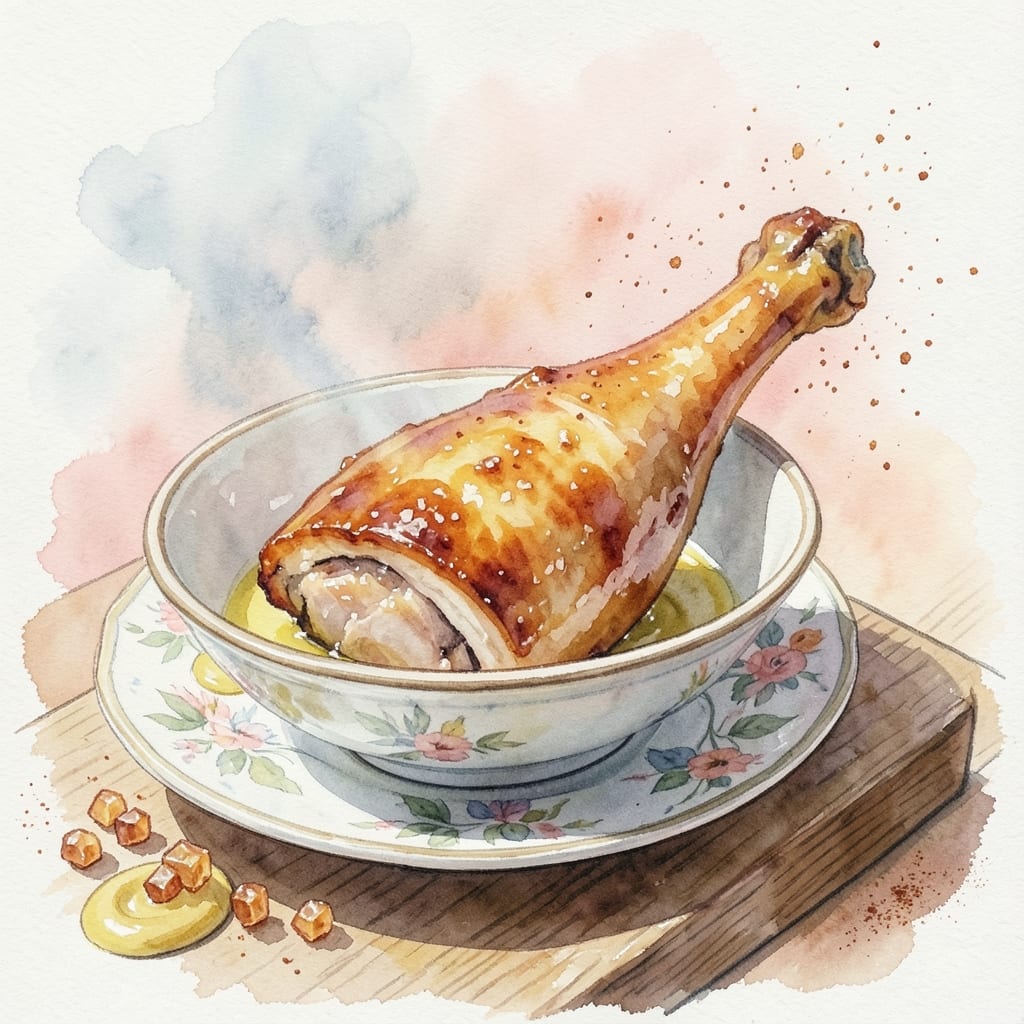
This slow-smoked BBQ pork leg delivers the perfect marriage of smoky crust and melt-in-your-mouth tenderness—exactly what you crave when you fire up the smoker. 🔥 As someone who grew up breathing in hickory smoke at family cookouts, I know the difference between good pork and exceptional pork comes down to patience, the right rub, and mastering that low-and-slow technique. The key isn’t just the time (though we’ll get to that), but how you prep the meat and control the heat to create that coveted bark while keeping the inside juicy enough to fall apart at the touch of a fork.
What makes this recipe stand out is the balance of simplicity and professional technique—no fancy equipment required, just a few high-quality ingredients and attention to detail. We’re talking about a dry rub that builds flavor in layers, a smoking process that transforms tough meat into something luxurious, and internal temperatures that guarantee perfect doneness every time. The beauty of this method is that it works whether you’re using a traditional smoker, a grill with a smoker box, or even your oven with a DIY setup.
By the time you’re done, you’ll have a pork leg that’s deeply aromatic, with a crust so crisp it shatters at the edges and meat so tender it practically dissolves. The aroma alone will have your neighbors asking what’s cooking, and the first bite will confirm why this is a showstopper for holidays, backyard gatherings, or just a Sunday dinner that feels like a celebration. The best part? The leftovers—if there are any—are even better the next day, making this a recipe that pays off twice.
We’ll cover everything from selecting the right cut to resting the meat properly, plus tips for adjusting the rub to your taste and troubleshooting common pitfalls. Whether you’re a seasoned pitmaster or just starting out, this is the pork leg recipe that will elevate your cooking game. Let’s get started.
Ingredients for bbq pork leg
Six pounds of pork, a smoky rub, and a whole lot of patience—this is the holy trinity of showstopping BBQ pork leg.
| Ingredient | Amount | Notes |
|---|---|---|
| Bone-In Pork Leg 🐷 | 6 lb | Center-cut, 4-6 inches thick |
| Yellow Mustard 🍯 | ¼ cup | For base coating |
| Brown Sugar 🍚 | ½ cup | Light or dark variety |
| Smoked Paprika 🌶️ | 2 tbsp | For deep smoky flavor |
| Ground Black Pepper 🌶️ | 1 tbsp | Freshly cracked |
| Kosher Salt 🧂 | 1 tbsp | Diamond Crystal preferred |
| Garlic Powder 🧄 | 1 tbsp | Freshly ground preferred |
| Onion Powder 🧅 | 1 tbsp | For depth |
| Ground Cumin 🌿 | 1 tsp | Toasted for warmth |
| Chopped Wood Chips 🌳 | 2 cups | Hickory or apple preferred |
| Apple Cider Vinegar 🍏 | 2 tbsp | For tangy balance |
| Honey 🍯 | ¼ cup | Wildflower preferred |
| BBQ Sauce 🍅 | ½ cup | Store-bought or homemade |
The pork leg is non-negotiable—center-cut with a thick bone-in section ensures maximum flavor and tenderness. Costco or local butchers often carry perfect cuts, but if you're buying whole, aim for a bone-in leg with a thick fat cap for moisture. Look for vibrant color and good marbling—pale, dry pork is a red flag. Prep the night before: trim excess fat (leave a thin layer for flavor), then pat dry with paper towels. The mustard coating is your secret weapon—it helps the rub stick and adds subtle tang. I always grab Stonewall Kitchen mustard for this, but any good yellow mustard works.
No smoked paprika? Regular paprika plus a pinch of liquid smoke gets you close, but you’ll lose some depth. The honey can be swapped for maple syrup if you prefer, but don’t skip the sweetness—it balances the smokiness. For the wood chips, hickory is classic, but apple or cherry adds fruity notes that pair beautifully. If you’re using a smoker box, soak the chips for 30 minutes before adding. The BBQ sauce? Stubb’s Original or Sweet Baby Ray’s are crowd-pleasers, but homemade with apple cider vinegar and a touch of molasses is next-level. Pro tip: mix your dry rub in a ziplock bag—it’s easier to shake onto the meat.
This isn’t a recipe you’ll want to rush—12-16 hours of smoking at 225°F is ideal, but start checking at 10 hours. The bark should be dark and crispy, while the internal temp should hit 195-203°F at the thickest part. Rest the pork for at least 2 hours before slicing—this is where the magic happens. Wrap it in foil and let it steam, then slice against the grain for perfect pull-apart texture. Leftovers? 3-4 days in the fridge, or freeze for up to 3 months. I always portion mine into individual servings so it’s ready for sandwiches or tacos—because nothing says ‘I love you’ like smoky pork on a bun.
Why You'll Love This Recipe
- Sweet-Smoky Magic: That combo of brown sugar and smoked paprika? It’s the kind of flavor that makes people ask, “What’s in this?” The crust gets sticky and caramelized, while the inside stays juicy—like a hug from your grandma’s kitchen, but with a little more kick.
- Budget-Buster, Crowd-Pleaser: Between us, pork leg is the most economical way to feed a houseful of people without sacrificing flavor. One bone-in cut feeds 6-8, and the mustard-sugar rub costs pennies. It’s my go-to for game days, potlucks, or when my in-laws show up unannounced—because everyone loves pork, and no one wants to stress over it.
Step-by-step instructions for smoked pork leg with perfect crust and tender center
Here's how to transform a simple pork leg into showstopping BBQ with crispy bark and juicy perfection.
🔥 Step 1: Create the Signature Rub and Coat the Pork Leg
In a medium bowl, combine the 0.5 cup brown sugar, 2 tbsp smoked paprika, 1 tbsp kosher salt, 1 tbsp garlic powder, 1 tbsp onion powder, 1 tbsp ground black pepper, and 1 tsp ground cumin. Mix thoroughly until the spices are evenly distributed and the sugar crystals are broken up.
Spread the 0.25 cup yellow mustard evenly over the entire surface of the 6 lb bone-in pork leg, including the fat cap and any crevices. Press the spice mixture firmly into the mustard coating, making sure every inch is covered. This double-layer approach creates that iconic sticky crust while locking in moisture. Let the pork leg sit at room temperature for 30 minutes before smoking—this ensures even cooking from the start.
🔥 Step 2: Set Up the Smoker for Low-and-Slow Perfection
Soak the 2 cups chopped wood chips in water for 30 minutes to prevent flare-ups. Fill your smoker with these soaked chips and preheat to 225°F, using hickory or apple wood for that classic BBQ flavor. Place a water pan in the smoker to maintain humidity and prevent the outer bark from drying out too quickly.
Once the smoker reaches temperature and you see steady, thin blue smoke (not thick white vapor), place the pork leg fat-side up on the grill grates. The fat will render slowly, basting the meat and creating that beautiful mahogany bark. Close the lid and resist the urge to peek—every time you open it, you lose 15-20 minutes of cook time and disrupt the temperature stability.
⏰ Step 3: Smoke Until Probe-Tender with Crispy Bark
Smoke the pork leg for 6-8 hours until the internal temperature reaches 165°F and the bark is deep mahogany brown. Here's the thing—don't rush this stage. The low-and-slow process breaks down the connective tissue, transforming tough muscle into melt-in-your-mouth tenderness. You'll notice the bark develop a crackly texture with a glossy sheen—this is your visual cue that the magic is happening.
When the internal temperature hits 165°F, you'll hit "the stall"—a period where the temperature plateaus as moisture evaporates. This is normal! Don't panic or adjust the heat. Instead, wrap the pork leg tightly in aluminum foil and return it to the smoker. This technique, called the "Texas crutch," helps push through the stall while preserving that beautiful bark you've worked so hard to create.
🍳 Step 4: Finish with Sweet Glaze and Rest for Maximum Juiciness
In a small saucepan, combine the 0.5 cup BBQ sauce, 0.25 cup honey, and 2 tbsp apple cider vinegar over medium heat. Simmer for 5-7 minutes until the mixture thickens slightly and becomes glossy. Remove from heat and let it cool for 5 minutes—you want it warm but not hot when you apply it.
Unwrap the pork leg and brush the glaze generously over all surfaces, including the fat cap. Return it to the smoker (now at 250°F) for 30-45 minutes until the glaze caramelizes and forms a sticky crust. The pork leg is done when the internal temperature reaches 195-203°F—this ensures it's fork-tender with a perfect balance of crust and juiciness.
🔪 Step 5: Rest and Slice for Showstopping Results
Transfer the pork leg to a cutting board and tent loosely with aluminum foil. Let it rest for 30-45 minutes before slicing. This resting period is CRITICAL—it allows the juices to redistribute throughout the meat, preventing them from pooling on your cutting board. You'll notice the pork leg will actually rise slightly as it rests, which is a good sign.
Slice the pork leg against the grain into ½-inch thick slices. The meat should be so tender it practically falls apart with a gentle tug, while the exterior maintains that perfect crispy bark. Serve immediately with extra BBQ sauce drizzled on top and a side of your favorite coleslaw or cornbread. Each bite should deliver that perfect harmony of smoky, sweet, and tangy flavors with melt-in-your-mouth tenderness.
Pro Tips For Making Bbq Pork Leg
- Trim the Fat Patch: That thick layer of fat on the pork leg’s outer edge? Don’t fight it—trim it down to about ¼-inch thick. I learned this the hard way after my first attempt rendered into a greasy mess instead of crispy bark. Leave it too thick, and you’ll steam the meat instead of searing it. ---
- Mustard First, Sugar Last: Slather on the yellow mustard before the dry rub—it sticks to the meat and carries the spices deeper. After searing, brush on the brown sugar only in the last 20 minutes. I used to mix them together, and the sugar burned before the rub could penetrate. ---
- Skip the Crowding: If you’re roasting, give that pork leg space—crowd it in the pan, and you’ll trap steam, turning your crust soggy. Use a rack over a sheet tray, and rotate the pan every 45 minutes for even heat. Yes, it looks weird, but it works every time. ---
- Probe the Thickest Part: The pork leg’s thickest section (usually the center) needs to hit 195°F (90°C) for pull-apart tenderness. I used to check the thin end and overcook the whole thing—now I jab the meat probe in the middle and wait. Patience here saves you from dry, stringy pork.
Creative variations of this bbq pork leg
Carolina-Style Vinegar Base
Swap the mustard coating for a tangy 1 cup apple cider vinegar mixed with 2 tbsp brown sugar and 1 tbsp black pepper. Brush this onto the pork leg before applying the rub, which gives that signature Carolina BBQ tang. I remember my first time trying this—it completely transformed the flavor profile. Use peach wood chips for smoking to complement the vinegar's brightness. 🍏
Hawaiian-Style Pineapple Glaze
After the initial smoke, replace the honey glaze with a ½ cup pineapple juice reduction mixed with 2 tbsp soy sauce and 1 tbsp grated fresh ginger. Simmer until syrupy, then brush on the pork leg. The acidity tenderizes the meat while adding tropical sweetness. Serve with sliced pineapple rings for a true Hawaiian fusion experience.
Mexican-Style Adobo Rub
Replace the dry rub with a blend of 2 tbsp ground cumin, 1 tbsp chili powder, 1 tbsp smoked paprika, 1 tsp oregano, and ½ tsp cayenne. Add 1 cup adobo sauce (from canned chipotles) to the mustard coating for extra smoky heat. Smoke with mesquite wood chips for an authentic Mexican touch. Serve with warm tortillas and pickled onions.
German-Style Mustard & Beer Glaze
For a German-inspired twist, replace the BBQ sauce with a glaze made from ½ cup dark beer (like Schwarzbier) reduced with 2 tbsp whole-grain mustard and 1 tbsp honey. The maltiness pairs perfectly with the pork's richness. Use beech wood chips for a subtle sweetness that complements the beer glaze. Garnish with fresh dill for a refreshing finish.
Spicy Cajun Crawfish Boil Rub
Infuse the rub with 1 tbsp cayenne pepper, 1 tbsp filé powder, and ½ tsp thyme for a Cajun-inspired kick. After smoking, baste the pork leg with a mixture of ½ cup crawfish boil sauce (like Zatarain's) and 2 tbsp hot sauce. The filé powder adds that signature gumbo texture, while the crawfish boil sauce brings deep, spicy-sweet flavors. Serve with corn on the cob and spicy shrimp.
Asian-Inspired Five-Spice Rub
Create a rub with 1 tbsp five-spice powder, 1 tbsp coriander, 1 tsp cinnamon, and ½ tsp star anise. After smoking, glaze the pork leg with a mixture of ½ cup hoisin sauce and 2 tbsp rice vinegar. The five-spice adds warmth, while the hoisin brings umami depth. Smoke with cherry wood chips for a fruity contrast. Serve with steamed jasmine rice and quick-pickled vegetables.
Nutrition facts
Frequently asked questions
Can I use a pork shoulder instead of a pork leg for this recipe?
A pork shoulder (also called a Boston butt) works beautifully with this method. The connective tissue breaks down just as well, creating that same melt-in-your-mouth texture. Just increase the cooking time by about 1-2 hours since shoulders are typically larger and have more fat to render. The rub and glaze will work perfectly on either cut.
How do I know when the pork leg is fully cooked?
Use a meat thermometer to check the internal temperature at the thickest part of the meat. The pork leg is done when it reaches 195-203°F—this ensures it's fork-tender with perfect bark. The stall (when temperature plateaus around 165°F) is normal, so don't rush it. The meat will continue cooking as it rests, so don't overshoot the temperature.
What if I don't have a smoker? Can I make this in an oven?
Yes! Preheat your oven to 275°F and place a water pan on the bottom rack to maintain moisture. Place the pork leg on a rack over a baking sheet, fat-side up. Smoke it by adding 2 soaked wood chips to a small foil packet with holes punched in it, then place it on the oven rack. Cook for 4-5 hours until the internal temp reaches 165°F, then wrap in foil and cook another 1-2 hours until it reaches 195-203°F.
Why does my pork leg sometimes come out dry?
This usually happens when you slice it too soon or overcook it. The key is resting the pork leg for 30-45 minutes before slicing—this lets the juices redistribute. Also, avoid opening the smoker too often (every peek drops internal temp). If it's still dry, try wrapping it in foil after the stall to trap moisture while finishing.
Can I make this recipe ahead of time?
Perfect for meal prep! Cook the pork leg as directed, then let it cool completely before slicing. Store in an airtight container in the fridge for 3-4 days or freeze for up to 3 months. Reheat gently in the oven at 300°F until warmed through. The flavors actually deepen overnight, making leftovers even better.