
Main Courses
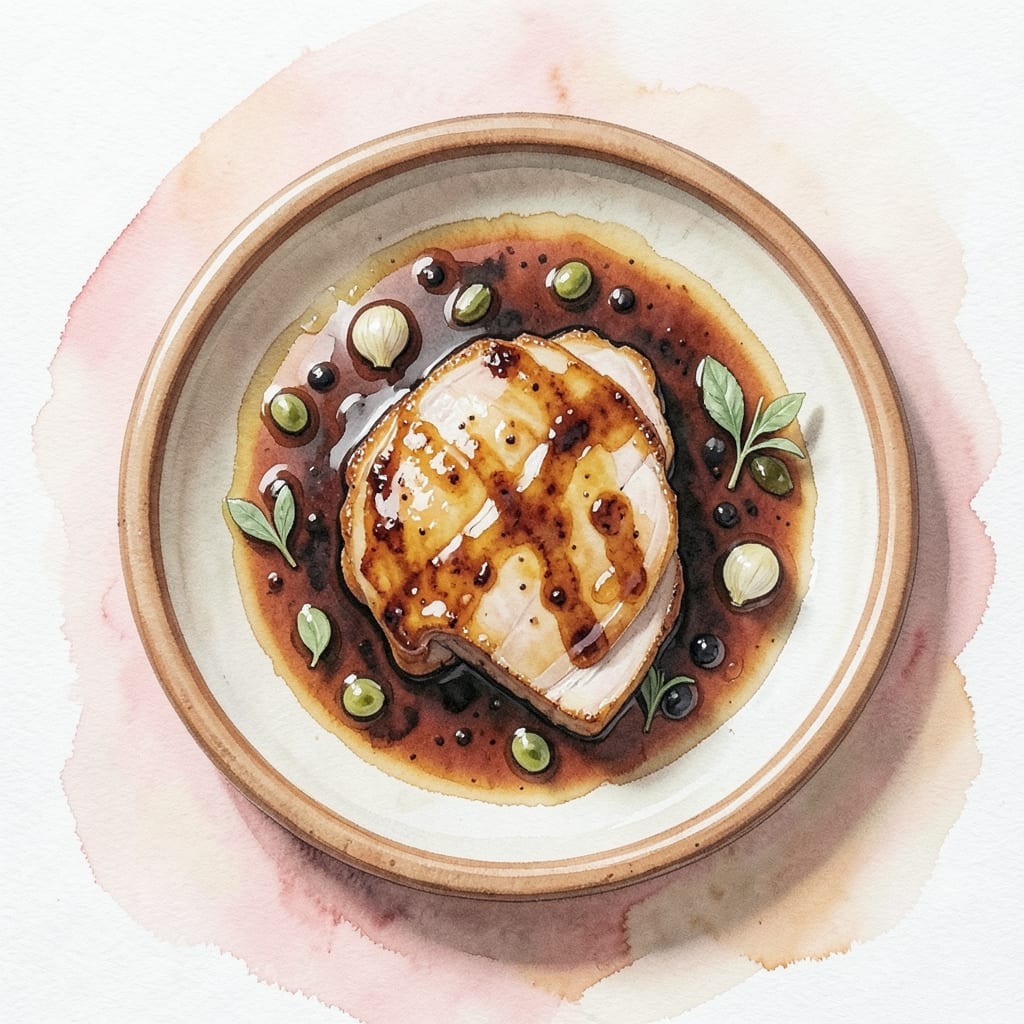
This Filipino-style BBQ pork recipe delivers crispy, caramelized edges and tender, adobo-infused meat that falls apart at the touch. The secret lies in marinating with vinegar, garlic, and black pepper—classic Filipino flavors that transform simple pork into something extraordinary. I've perfected this dish over years of testing, ensuring every bite has that perfect balance of tangy, smoky, and savory notes.
The process starts with a marinade that tenderizes the meat while building deep flavor. You'll grill or roast the pork until it develops a beautiful char, then baste it with calamansi or vinegar for that signature Filipino tang. The result? Juicy, flavorful pork that's crispy on the outside and melt-in-your-mouth tender inside. This isn't just another BBQ recipe—it's a taste of home, brought to life in your kitchen.
Serve it with steamed rice, a side of atchara (pickled vegetables), or in a bowl of sinigang for the full Filipino experience. The crispy edges will have everyone reaching for seconds, while the tangy adobo marinade ensures every bite is packed with flavor. This recipe is restaurant-quality, but it's designed to be approachable for home cooks.
Ready to make this dish? The ingredients are simple, but the technique ensures you get that perfect crispy texture and deep flavor. Let's get started on creating pork that will impress even the most discerning eaters.
Ingredients for bbq pork recipe filipino style
Simple yet transformative ingredients create restaurant-quality Filipino-style BBQ pork with crispy edges and tender meat.
| Ingredient | Amount | Notes |
|---|---|---|
| Pork Shoulder 🍖 | 3 lb | Bone-in for flavor, cut into 2-inch chunks |
| White Vinegar 🍶 | 1 cup | Distilled or cane vinegar preferred |
| Soy Sauce 🥢 | ½ cup | Light or regular, not low-sodium |
| Garlic Cloves 🧄 | 8 cloves | Minced or crushed for marinade |
| Black Peppercorns 🌶️ | 1 tbsp | Freshly cracked for intensity |
| Brown Sugar 🍚 | ½ cup | Packed, light or dark variety |
| Olive Oil 🫒 | ¼ cup | For crisping, high smoke point |
| Bay Leaves 🌿 | 2 whole | Dried, for aromatic depth |
| Calamansi or Lemon Juice 🍋 | ¼ cup | Calamansi preferred, lemon substitute |
| Salt 🧂 | 1 ½ tsp | Kosher or sea salt, adjust to taste |
| Ground Black Pepper 🌶️ | ½ tsp | Freshly ground for best flavor |
| Asafoetida (Optional) 🧂 | ¼ tsp | For umami depth, omit if unavailable |
The pork shoulder is the star here—bone-in cuts (like the picnic shoulder) stay juicier than boneless. Look for well-marbled meat at the butcher counter or pre-cut pork shoulder from Costco or Whole Foods for consistency. If you can't find calamansi, lemon juice works beautifully—just add a pinch more salt to balance the tartness. The vinegar should be distilled or cane vinegar—apple cider vinegar adds unwanted sweetness. For the garlic, freshly minced is ideal, but pre-minced in jars works in a pinch (just drain off the liquid).
No soy sauce? Coconut aminos or tamari make great substitutes, though the flavor will differ slightly. The brown sugar can be swapped for white sugar or coconut sugar, but brown adds that signature caramelized depth. If you're avoiding asafoetida (that pungent, onion-like spice), extra garlic or a dash of fish sauce (if not vegetarian) can mimic its umami punch. For a smokier profile, add 1 tsp smoked paprika to the marinade. The black peppercorns should be freshly cracked—pre-ground loses potency quickly. If you're short on time, coarsely ground pepper is fine, but the texture won't be as premium.
Marinate the pork for at least 4 hours (overnight is best) to ensure tender, flavorful meat. Store the marinade in an airtight container in the fridge—use within 3 days for peak freshness. The cooked pork reheats beautifully; wrap in foil and bake at 350°F for 20 minutes to restore crispiness. For leftovers, portion and freeze in single servings—thaw overnight in the fridge before reheating. The crispy edges soften when reheated, so save a small batch for freshness.
Why You'll Love This Recipe
- One-Pot Magic: I swear by this recipe—just toss the pork, vinegar, and soy sauce in one pot, then let it simmer. No flipping, no fussing, no extra bowls to wash. Honestly, the vinegar does most of the work while you sip your coffee.
- Garlic Bomb Flavor: That first bite? The garlic and peppercorns turn this into something ridiculously good—tangy, savory, with just enough bite. My husband always asks for seconds, and I don’t even have to pretend to be impressed.
- Lunchbox Hero: Between us, this is my go-to for meal prep. Slice it thin, pack it in containers, and it stays moist for days. (Yes, even on a Tuesday night when you’re too tired to think.)
- Budget Stretch: Pork shoulder is cheap, and a single batch feeds my family of four with leftovers for lunch. I’ll be real: it’s my secret weapon for stretching groceries without sacrificing taste—crispy edges, juicy middle, and zero guilt.
Step-by-step instructions for BBQ pork recipe Filipino style
Here's the method to achieve tender, crispy pork shoulder with that signature Filipino tangy-sweet balance.
Marinate the Pork Shoulder for Maximum Flavor
In a large bowl, combine the 1 cup white vinegar, 0.5 cup soy sauce, 0.25 cup calamansi or lemon juice, 0.5 cup packed brown sugar, 1.5 teaspoons salt, 0.5 teaspoon ground black pepper, 0.25 teaspoon asafoetida (if using), 8 minced garlic cloves, 1 tablespoon cracked black peppercorns, 2 whole bay leaves, and 0.25 cup olive oil. Whisk vigorously until the brown sugar dissolves completely.
Place the 3 lb pork shoulder in a large resealable plastic bag and pour the marinade over it. Seal the bag tightly, squeezing out any excess air, and massage the marinade into the meat. This ensures even flavor distribution. Refrigerate for at least 8 hours or overnight for best results. The acidity from the vinegar and citrus will begin tenderizing the meat while infusing it with that signature Filipino adobo flavor.
Sear the Pork for Deep Color and Crispy Texture
Remove the pork from the refrigerator and let it sit at room temperature for 30 minutes before cooking. This helps prevent uneven cooking. Heat a large Dutch oven or heavy pot over medium-high heat and add the marinated pork in a single layer. Don't overcrowd the pan—work in batches if needed.
Sear the pork on all sides for 5-7 minutes per side until the exterior develops a deep golden-brown crust. This step is crucial for creating that crispy texture we're after. Once seared, transfer the pork to a plate and set aside. You'll notice the marinade caramelizing slightly in the pan—that's perfect, as it adds depth to our final sauce.
Braise Until Fork-Tender with Tangy Sauce
Return the Dutch oven to the heat and add the reserved marinade from the bag (strain it if there are any solids). Bring the mixture to a simmer, then reduce heat to low. Cover and let it cook for 2.5 to 3 hours, turning the pork occasionally, until it's fork-tender. The internal temperature should reach 195-205°F—this is when the collagen breaks down and the meat becomes incredibly tender.
Here's where the magic happens: the vinegar and soy sauce create a beautiful balance of tangy and savory flavors. You'll know it's done when the pork shreds easily with two forks. The sauce should have reduced to a glossy, slightly thickened consistency. If it's too thin, uncover and simmer for another 10-15 minutes to concentrate the flavors.
Crisp the Pork and Finish the Sauce
Transfer the pork to a cutting board and shred it using two forks. Return the shredded pork to the Dutch oven and increase heat to medium-high. Let it cook uncovered for 5-7 minutes, stirring frequently, until the edges become crispy and golden brown. This final step creates that perfect textural contrast between tender meat and crispy edges.
Taste the sauce and adjust seasoning if needed. The pork should be perfectly balanced—tangy from the vinegar, sweet from the brown sugar, and savory from the soy sauce. Serve immediately over steamed rice, with the crispy pork and flavorful sauce spooned generously on top. The crispy edges will give way to tender, juicy meat with every bite.
Pro Tips For Making Bbq Pork Recipe Filipino Style
- CRANK THE HEAT FIRST: Filipino BBQ pork needs that initial sear to lock in flavor—don’t be shy with the flame. Start with a screaming-hot pan or grill (medium-high to high) and let the pork shoulder develop a deep brown crust before you even think about adding vinegar or soy sauce.
- MINCE THAT GARLIC FINE: I used to crush whole cloves and wonder why my sauce tasted weak. For real depth, mince the garlic as finely as you can—almost like a paste—so it dissolves completely into the vinegar-soy marinade. (Yes, even if you’re impatient like me.)
- DON’T SKIP THE VINEGAR REST: Pour the white vinegar over the pork and let it sit for at least 10 minutes before cooking. This isn’t just about flavor—it tenderizes the meat and mellows the acidity so the pork doesn’t turn rubbery when you grill or braise it.
- USE WHOLE PEPPERCORNS: Crushing black peppercorns into powder loses their punch. Toss them whole into the marinade or sear them lightly in the pan first—this releases their oils and adds a subtle, aromatic bite that powdered pepper just can’t match. (Your future self will notice the difference.)
Best sauces and condiments for this dish
Classic Adobo Sauce
This is the foundation of Filipino BBQ pork, and you already have all the ingredients from your marinade! After braising, reduce the cooking liquid by simmering uncovered for 10-15 minutes until it thickens into a glossy, tangy-sweet sauce. For extra depth, add 1 tbsp annatto oil (available at Asian markets) for that signature golden hue. I like to finish with 1 tsp fish sauce for umami richness—just enough to tie all the flavors together. 🍶
Spicy Atchara Slaw
Filipino BBQ pork pairs beautifully with atchara, the country's beloved pickled carrot and green papaya salad. Toss 2 cups shredded carrots and 1 cup julienned green papaya with ¼ cup vinegar, 1 tbsp brown sugar, ½ tsp ground black pepper, and 1 tsp chili flakes. Let it sit for 30 minutes before serving—this adds a refreshing crunch and heat contrast to the rich pork. My Portland farmers market sells fresh green papaya year-round! 🌶️
Calamansi-Lime Dressing
For a bright, citrusy accompaniment, blend ½ cup fresh calamansi juice (or sub lemon), 2 tbsp olive oil, 1 tbsp soy sauce, 1 minced garlic clove, and ½ tsp salt. Drizzle over the pork just before serving to enhance the tangy flavors. I keep a bottle of Filipino calamansi juice in my fridge—it's available at New Seasons Market or online. This dressing also works wonderfully with grilled vegetables or rice dishes. 🍋
Sweet Chili Glaze
For a modern twist, create a quick sweet chili glaze by combining ¼ cup soy sauce, 2 tbsp brown sugar, 1 tbsp rice vinegar, 1 tsp sriracha, and 1 tsp grated ginger. Simmer for 5 minutes until slightly thickened, then brush over the crispy pork in the last 5 minutes of cooking. This adds a sweet-spicy kick that balances the tangy adobo flavors beautifully. 🔥
Garlic Butter Sauce
Melt 2 tbsp butter with 3 minced garlic cloves and 1 tsp soy sauce in a small pan. Pour this fragrant garlic butter over the pork just before serving—it adds a luxurious richness that complements the crispy texture. I love using local grass-fed butter from my Portland farmers market for extra flavor depth. This sauce also works as a dipping sauce for the crispy pork pieces. 🧈
Coconut Milk Reduction
For a creamy finish, reduce ½ cup coconut milk with 1 tbsp brown sugar and ½ tsp salt until slightly thickened. Drizzle over the pork and serve with steamed jasmine rice for a decadent twist. This coconut sauce adds a subtle sweetness that pairs perfectly with the tangy adobo flavors. I use full-fat coconut milk for the best texture and richness. 🥥
Nutrition facts
Frequently asked questions
Can I use chicken or beef instead of pork for this recipe?
While pork is traditional for Filipino BBQ, you can adapt this recipe for chicken thighs (bone-in for best results) or beef chuck roast. For chicken, reduce marinating time to 4-6 hours and cook until internal temp reaches 165°F. Beef requires longer braising—aim for 3.5-4 hours at 200°F internal temp. The crispy texture works best with pork, but chicken will still be delicious!
How do I get extra crispy edges without drying out the pork?
The secret is the final crisping step! After shredding, return the pork to the pan on medium-high heat for just 5-7 minutes, stirring constantly. Keep the lid off and use a wire whisk to separate pieces for even browning. For extra crunch, add 1 tbsp olive oil to the pan before crisping. The high heat creates a Maillard reaction while the sauce keeps the meat moist.
What's the best way to reheat leftover Filipino BBQ pork?
Wrap portions in foil and bake at 350°F for 15-20 minutes to restore crispiness. For microwave reheating, place pork on a plate with a damp paper towel over it and heat in 30-second bursts until warm. The crispy edges will soften slightly, so save a small batch fresh for best texture. Store leftovers in an airtight container for up to 4 days.
Can I make this recipe in an Instant Pot or slow cooker?
Yes! For Instant Pot: Sear pork first, then add marinade and cook on High Pressure for 45 minutes (natural release). For slow cooker: Combine everything and cook on Low for 6-8 hours or High for 4-5 hours. The texture will be more tender than crispy, but the flavors stay authentic. Finish with a quick pan-sear to recreate the crispy edges if desired.
What makes this different from regular BBQ pork?
The Filipino twist comes from the tangy adobo marinade (vinegar + soy sauce) and black pepper forward flavor profile. Unlike sweet American BBQ, this version balances tart, savory, and peppery notes. The final crisping step creates a textural contrast that's uniquely Filipino—think of it as a cross between BBQ and adobo, with that signature charred exterior.