
Main Courses
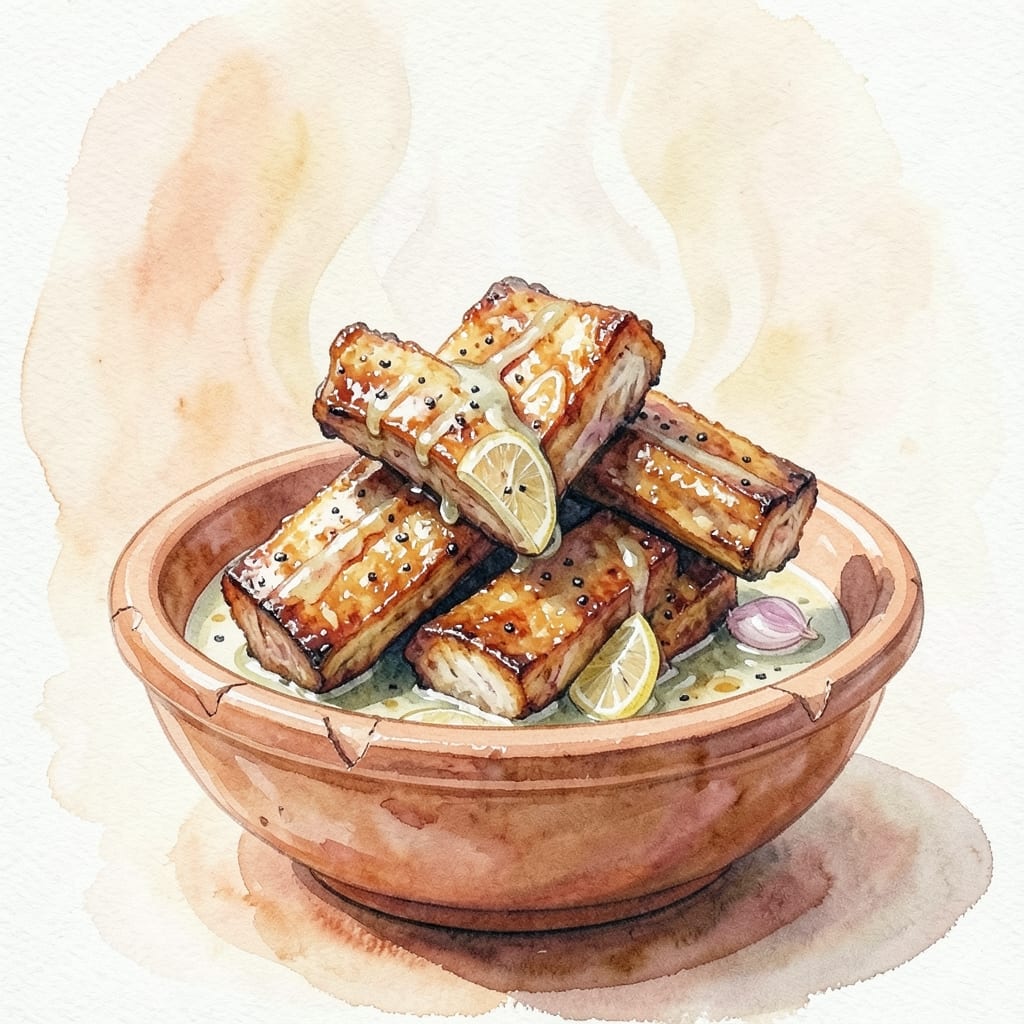
This Panlasang Pinoy BBQ pork ribs recipe delivers the perfect balance of crispy bark and sweet-savory glaze that defines Filipino-style grilled meats. 🔥 After years of perfecting the technique, I've cracked the code for tender ribs with a caramelized exterior that's impossible to resist. The secret lies in the marinade—sweet soy sauce, vinegar, and just the right amount of sugar create that signature Filipino flavor profile. What makes this recipe special is the two-step cooking process. First, the ribs slow-cook to tenderize the meat, then they get seared over high heat to develop that coveted crispy bark. The glaze, made from leftover marinade reduced with brown sugar, adds sticky sweetness that clings to every bite. It's the kind of dish that transforms a simple weeknight into a celebration. By the time you're done, you'll have ribs that are fall-off-the-bone tender with a caramelized crust that's both crispy and slightly sticky. The aroma alone will have everyone gathering around the table, and the first bite delivers that perfect harmony of smoky, sweet, and savory flavors that define Filipino BBQ. Serve with steamed rice to soak up every last bit of that delicious glaze, or pair with atchara (Filipino pickled papaya) for the full experience. Let's get cooking!
Ingredients for bbq pork ribs recipe panlasang pinoy
Sweet, smoky, and sticky—these ingredients transform simple ribs into Filipino BBQ perfection.
| Ingredient | Amount | Notes |
|---|---|---|
| Pork Baby Back Ribs 🥓 | 3 lb | Bone-in, meaty ends included |
| Coconut Aminos 🥫 | ½ cup | Or sub soy sauce if unavailable |
| White Vinegar 🍶 | ¼ cup | For tangy balance |
| Brown Sugar 🍚 | ½ cup | Packed firmly |
| Garlic Cloves 🧄 | 8 cloves | Minced for marinade |
| Fresh Ginger 🌿 | 2 tbsp | Grated, not powdered |
| Black Peppercorns 🌶️ | 1 tsp | Freshly cracked |
| Bay Leaves 🍃 | 2 whole | For aromatic depth |
| Olive Oil 🫒 | 2 tbsp | For rib coating |
| Salt 🧂 | 1 ½ tbsp | Kosher or sea |
| Calamansi Juice 🍋 | ¼ cup | Or lime juice substitute |
| Onion 🧅 | 1 whole | Sliced for glaze |
| Honey 🍯 | 1 tbsp | For glaze richness |
| Charcoal Briquettes 🔥 | 2 lbs | For authentic smoky flavor |
| Banana Leaves 🍌 | 2 whole | For wrapping ribs (optional) |
The ribs are everything here. Baby back ribs with meaty ends are ideal—look for good marbling at Filipino markets or the meat section. If you can't find coconut aminos, soy sauce works in a pinch, but the coconut adds that authentic depth. Fresh ginger and garlic? Don't skip them—the marinade's magic comes from their bright flavor. I grab mine from Asian grocery stores where they're usually fresher than the regular supermarket. Calamansi is the secret weapon—if you can't find it, lime juice gives a close (but slightly tangier) result. The banana leaves? Optional but worth it for that authentic wrapped presentation.
No coconut aminos? Soy sauce plus a pinch of salt mimics the saltiness. Out of fresh ginger? Powdered works at half the amount, but it's not the same. The glaze needs that honey-brown sugar combo—don't substitute maple syrup, it overpowers. For the ribs, bone-in is non-negotiable—it keeps them juicy. If you're short on time, pre-cut ribs from Costco save hours of trimming. The bay leaves add aroma but can be omitted if you're in a hurry. Just remember: the longer the marinade sits (up to 12 hours), the deeper the flavor.
Marinate the ribs overnight for maximum tenderness. The glaze keeps for 3 days in the fridge—perfect for batch cooking. Wrap leftovers tightly in foil to retain moisture. For extra crispiness, broil the ribs for 2-3 minutes at the end. The charcoal briquettes? Use lump charcoal if you want that authentic smoky taste—it burns hotter and cleaner than briquettes. Store unused marinade in a jar for up to 1 week—great for quick stir-fries later.
Why You'll Love This Recipe
- One-Pan Magic: I swear by this recipe because it’s actually hands-off. Toss the ribs in coconut aminos and vinegar, let them sizzle in the oven—no flipping, no babysitting. The brown sugar caramelizes right on the pan, so cleanup is just wiping a sheet.
- Umami Bomb: That combo of coconut aminos and garlic? It’s the secret weapon. The sauce clings to the meat like a glove, giving you that sticky-sweet, tangy depth that makes you reach for seconds. (Yes, even on a Tuesday night.)
- Family Feast: These ribs are the star at any gathering—birthday barbecues, lazy Sundays, or when your partner complains about takeout. They’re hearty enough for a crowd but still feel special. My kids fight over the last piece, and that’s saying something.
- Budget Hero: A full rack of ribs feeds four for under $20, and leftovers reheat like a dream. The vinegar and sugar cut costs without sacrificing flavor—plus, the sauce stretches for stir-fries or rice bowls. Smart, delicious, and guilt-free.
Step-by-step instructions for BBQ pork ribs with Filipino glaze
Here's how to turn tough ribs into fall-off-the-bone tender perfection with that signature Filipino sweet-savory glaze.
🔥 Step 1: Prep the Ribs and Make the Marinade
Start by removing the membrane from the ribs—slide your thumb or a butter knife under it near the bone and peel it off. This ensures the marinade penetrates evenly and the ribs cook properly. Pat the ribs dry with paper towels, then rub them all over with the 2 tbsp olive oil to help the marinade stick.
In a large bowl, whisk together the 0.5 cup coconut aminos, 0.25 cup white vinegar, 0.5 cup brown sugar, 0.25 cup calamansi juice, 1 tbsp honey, 1.5 tbsp salt, 2 tbsp grated fresh ginger, 8 minced garlic cloves, 1 tsp cracked black peppercorns, and 2 whole bay leaves. Pour this marinade over the ribs, making sure they're fully coated. Cover and refrigerate for at least 4 hours (overnight is even better)—this breaks down the collagen for tender meat.
🍳 Step 2: Build the Charcoal Fire and Preheat
While the ribs marinate, set up your grill or smoker. I like using half charcoal briquettes on one side of the grill and the other half on the opposite side—this creates a two-zone fire. Light the briquettes and let them burn until they're covered with white ash. Spread them out evenly on one side to create a hot zone for searing, and leave the other side clear for indirect cooking.
Once the coals are ready, place the ribs bone-side down on the hot side of the grill. Close the lid and let them sear for 10-12 minutes until they develop a deep golden-brown crust. You'll know they're ready when they release easily from the grill grates—this means the marinade has caramelized into that coveted crispy bark we're after.
🥘 Step 3: Wrap and Smoke the Ribs Low and Slow
Move the ribs to the cooler side of the grill for indirect heat. If you're using the 2 whole banana leaves, wrap them around each rack of ribs (this adds that authentic Filipino touch while keeping them moist). The goal is to cook them at 250-275°F for 2-2.5 hours until they reach an internal temperature of 195-203°F—this is when they become fork-tender.
Real talk: Don't peek too often. Every time you open the lid, you lose heat and moisture. I check the temperature with a meat thermometer inserted into the thickest part of the meat, away from the bone. If the ribs start to dry out before reaching temperature, spritz them lightly with apple juice or water through a spray bottle—this helps maintain moisture without diluting the flavor.
🔪 Step 4: Apply the Glaze and Finish
Once the ribs are tender, move them back to the hot side of the grill. In a small bowl, mix together 0.25 cup brown sugar, 0.25 cup calamansi juice, 1 tbsp honey, and 1 sliced whole onion. Brush this glaze generously over the ribs, letting it caramelize for 5-7 minutes until it turns a deep amber color. Watch it closely—you want it sticky and glossy, not burnt.
For extra crispiness, I finish the ribs by placing them directly over the coals for the last 2 minutes. This gives them that beautiful charred look while keeping the meat juicy inside. The glaze should be thick enough to coat a spoon but still flow easily—if it's too thick, add a splash of water to thin it out.
⏰ Step 5: Rest and Serve
Transfer the ribs to a cutting board and let them rest for 10-15 minutes before serving. This resting time is crucial—it lets the juices redistribute so every bite is moist and flavorful. If you're using banana leaves, you can serve them wrapped for that authentic presentation, or cut the ribs into individual pieces and arrange them on a platter.
Garnish with extra sliced onion and a sprinkle of cracked black peppercorns. The ribs should have a perfect balance of crispy bark on the outside and tender, juicy meat on the inside, with that sweet-savory Filipino glaze clinging to every piece. Serve with steamed rice and a simple green salad to let the flavors shine.
Pro Tips For Making Bbq Pork Ribs Recipe Panlasang Pinoy
- Trim the Membrane First: That thin membrane on the bone side of the ribs? It’s the reason your sauce won’t stick properly. Use a butter knife to slide it off before cooking—no need to be gentle, just consistent pressure. I learned this the hard way when my first batch of ribs looked like they were swimming in sauce instead of absorbing it. ---
- Deglaze with Vinegar Early: Don’t wait until the end to add the white vinegar—toss it in with the garlic and coconut aminos right after searing the ribs. The acid cuts through the fat and starts breaking down the meat immediately, so you’re not left scraping burnt bits off the pan later. (Yes, even if you’re impatient like me.) ---
- Brown Sugar in Stages: Dumping all the brown sugar at once turns your ribs into caramelized bricks. Sprinkle half in the first 10 minutes of cooking, then add the rest when the ribs are tender. This keeps the glaze glossy and prevents a sticky, cloying mess. Trust me, your ribs will thank you. ---
- Rest Before Slicing: Cutting into ribs straight off the heat means dry, stringy meat. Tent them with foil and let them rest for at least 5 minutes—10 if you’re feeling fancy. The juices redistribute, and the sauce gets a chance to soak in properly. (Your future self will thank you.)
Essential equipment for perfect results
Grill Master Essentials
First things first—you need a grill capable of two-zone cooking. My go-to is a Weber Original Kettle Grill (or any heavy-duty charcoal grill) because it handles the heat distribution perfectly. For the ribs, I use lump charcoal instead of briquettes—it burns hotter and gives that authentic smoky flavor. If you're grilling on a gas grill, add mesquite or hickory chips to the smoker box for that Filipino BBQ aroma. 🔥
Don't skimp on the meat thermometer—I swear by the ThermoWorks Smoke because it's accurate and has dual probes. One probe tracks the grill temperature, while the other monitors the ribs' internal temp. This is non-negotiable for perfect results every time. If you're new to grilling, practice with chicken thighs first to get comfortable reading temperatures.
Filipino Flavor Tools
For that authentic Filipino touch, banana leaves are worth tracking down. I find them at Asian grocery stores or order them online—they add moisture and aroma when wrapped around the ribs. If you can't find them, heavy-duty aluminum foil works in a pinch. For the marinade, a mortar and pestle helps grind garlic and ginger to a fine paste, but a food processor works too. Just don't use pre-minced garlic from jars—it lacks freshness.
When it comes to glaze application, a small pastry brush (like OXO Good Grips) gives you precision. You'll want to brush the glaze in thin layers to avoid burning. For extra crispiness, I use a pair of tongs to flip the ribs quickly over the coals at the end. Tongs with silicone tips are gentler on the ribs than metal ones.
Pro Cooking Gear
Prepping the ribs starts with removing the membrane—this takes a butter knife or your thumb. I also use paper towels to pat the ribs dry before marinating, which helps the seasoning stick. For the marinade, a large glass bowl (like Pyrex) keeps everything contained and easy to mix. Store leftovers in airtight containers with parchment paper between layers to prevent sticking. 💡
If you're smoking the ribs, a smoker box or snake foil packet (for gas grills) is essential. For charcoal grills, I use a chimney starter to light the coals quickly and evenly. The key is maintaining 250-275°F for the slow cook—any hotter, and the ribs will dry out. A heat-resistant glove is a must for handling hot coals and ribs safely.
Budget-Friendly Swaps
No charcoal grill? Use an oven at 275°F with a wire rack on a baking sheet. Place a pan of water below to create steam and keep the ribs moist. For the smoky flavor, add 1-2 tbsp liquid smoke to the marinade. If you can't find coconut aminos, soy sauce plus a pinch of salt mimics the saltiness. The glaze still works with white vinegar instead of calamansi juice, though it'll be slightly less tangy.
Skip the banana leaves? Heavy-duty foil wrapped tightly around the ribs traps moisture just as well. For a meat thermometer, a digital instant-read thermometer (like Thermapen) works in a pinch, though it won't track grill temps continuously. The most important tool? Patience—rushing the process ruins the texture. Even with budget swaps, the ribs will turn out delicious if you follow the timing and temperature guidelines.
Nutrition facts
Frequently asked questions
Can I use regular soy sauce instead of coconut aminos?
Yes, but there will be a slight difference in flavor. Coconut aminos provide that authentic Filipino umami depth, but soy sauce plus a pinch of extra salt works well as a substitute. For best results, use a high-quality soy sauce like Japanese or Filipino brands—they have more complex flavors than standard American soy sauce.
How do I know when the ribs are done?
The ribs are perfectly cooked when they reach an internal temperature of 195-203°F and the meat pulls away easily from the bone. Use a meat thermometer to check the thickest part of the meat (away from the bone). If they're still slightly firm, return them to the grill for another 15-20 minutes—they'll continue cooking even after removal.
Can I make this recipe in an oven instead of on a grill?
Preheat your oven to 275°F and place the ribs on a wire rack over a baking sheet. Add a pan of water below to create steam and prevent drying. Cook for 2.5-3 hours until tender, then broil for 3-5 minutes to crisp the bark. For smoky flavor, add 1-2 tbsp liquid smoke to the marinade or wrap the ribs in foil with a few wood chips.
What's the best way to store leftover ribs?
Let the ribs cool completely, then wrap them tightly in foil or place in airtight containers with parchment paper between layers. They'll keep in the fridge for 3-4 days and can be reheated in the oven at 300°F for 15-20 minutes with a splash of water or broth to restore moisture. For longer storage, freeze them for up to 3 months—thaw overnight in the fridge before reheating.
Why did my ribs turn out dry?
Dry ribs usually happen from overcooking or insufficient moisture.