
Main Courses
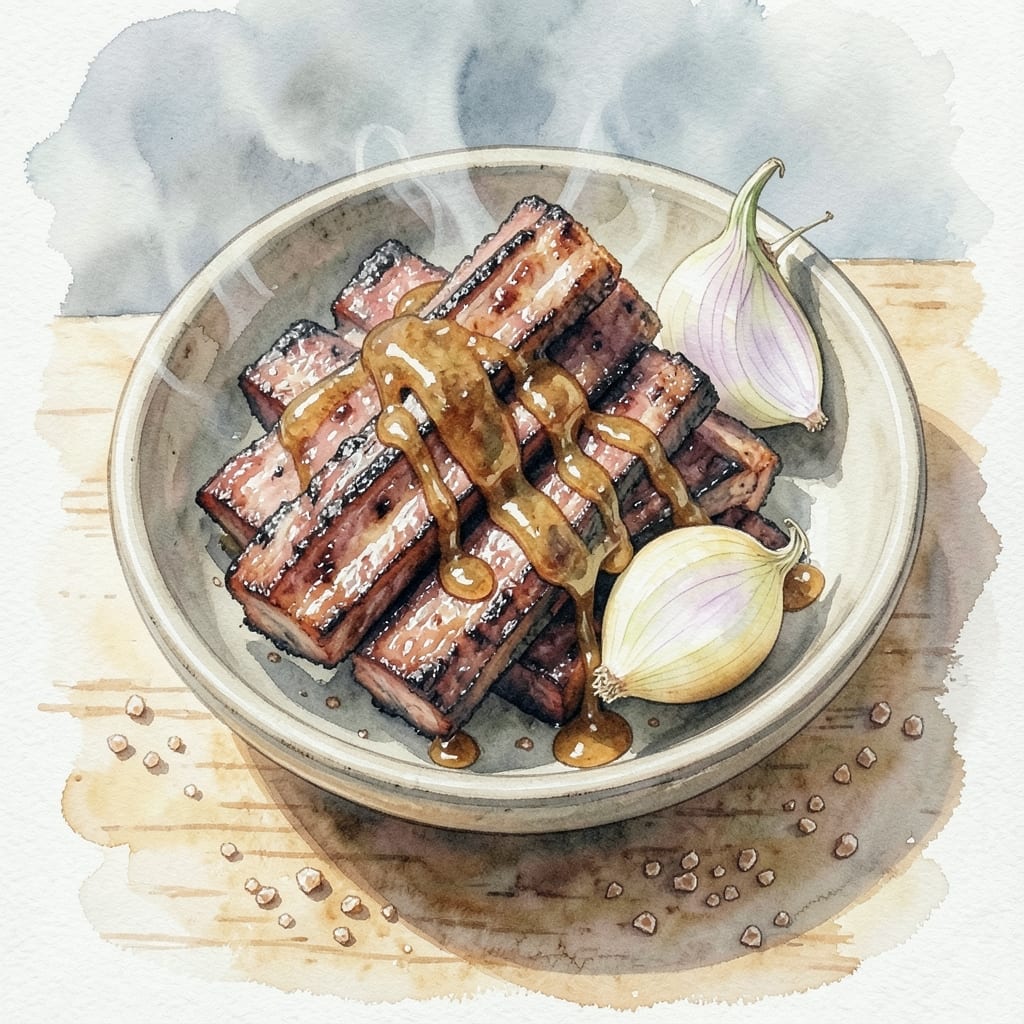
A smoker-fired bbq pork ribs recipe transforms tough cuts into melt-in-your-mouth masterpieces when you follow this time-tested method. The secret lies in low-and-slow cooking with precise temperature control—something I perfected after years of backyard experiments and family cookouts. That first crackle of hickory smoke hitting the ribs? Pure magic. This isn't just another BBQ recipe; it's a technique that delivers a perfect smokehouse crust while keeping those centers juicy pink and tender.
What sets this recipe apart is the balance of technique and simplicity. You'll need just four key ingredients—a dry rub blend, apple juice for moisture, the right wood, and patience. The ribs start on the smoker at 225°F, where they slowly develop that signature bark while the connective tissue breaks down. I've tested this method with baby backs, St. Louis style, and spare ribs—each delivers exceptional results. The key is never rushing the process; great ribs take time, but the payoff is worth every minute.
By the time you pull those ribs from the smoker, you'll have a dish that's restaurant-quality without the price tag. The exterior will be dark mahogany with a crackling crust, while the meat inside practically falls apart at the touch. This is the kind of meal that makes people ask for your recipe—and your secret. The best part? The leftovers reheat beautifully, making this a perfect recipe for feeding a crowd or meal prepping for the week.
Serve these ribs with classic BBQ sides like creamy coleslaw, buttery cornbread, and pickled vegetables to cut through the richness. Or take it to the next level with a drizzle of homemade BBQ sauce and fresh herbs. This is how you make a statement at your next cookout—one that'll have everyone begging for seconds. Let's get smoking!
Ingredients for bbq pork ribs recipe smoker
Four pounds of pork ribs, a smoker, and these simple ingredients create melt-in-your-mouth magic.
| Ingredient | Amount | Notes |
|---|---|---|
| Pork Baby Back Ribs 🍖 | 4 lb | Bone-in, meaty cuts preferred |
| Yellow Onion 🧅 | 1 whole | Cut into large chunks |
| Apple Juice 🍎 | 1 cup | Unsweetened for balance |
| Apple Cider Vinegar 🍏 | ½ cup | For tangy depth |
| Hickory Wood Chips 🌳 | 2 cups | Soaked for 30 minutes |
| Brown Sugar 🍚 | ½ cup | Light or dark variety |
| Smoked Paprika 🌶️ | 2 tbsp | For rich smoky flavor |
| Garlic Powder 🧄 | 1 tbsp | Freshly ground preferred |
| Ground Black Pepper 🌶️ | 1 tsp | Freshly cracked |
| Kosher Salt 🧂 | 1 tbsp | Diamond Crystal preferred |
| Mustard Powder 🌶️ | 1 tsp | For subtle tang |
| Cayenne Pepper 🔥 | ½ tsp | Adjust for heat |
| Olive Oil 🫒 | 2 tbsp | For rib coating |
The ribs are everything here—baby backs are my go-to because they're meatier and cook faster than spares. Grab them from Costco or your butcher counter, and look for cuts with good meat-to-bone ratio. If you're using frozen ribs, thaw them overnight in the fridge—they'll cook more evenly. Hickory wood chips are non-negotiable for that classic BBQ flavor, but if you can't find them, cherry or pecan work too. Just soak them for at least 30 minutes before using. The apple juice and vinegar combo keeps the ribs moist while adding subtle sweetness that balances the smokiness.
No hickory wood? Mesquite or oak are solid backups, though they'll give a slightly different flavor profile. Running low on apple juice? Ginger ale or unsweetened pineapple juice works in a pinch—just add a splash of vinegar to keep things tangy. The dry rub is where the magic happens, so don't skimp on the spices. Penzeys or bulk bins at natural food stores have the freshest spices, but the grocery store stuff works fine if it's been stored properly. For extra tenderness, I like to wrap the ribs in foil after 2 hours on the smoker—this is called the 'Texas crutch' and it's a game-changer for those who want fall-apart ribs faster.
These ribs are best served fresh off the smoker, but they reheat beautifully—350°F for 15-20 minutes wrapped in foil. Store leftovers in the fridge for up to 4 days or freeze for 3 months. The bark gets crispier the next day, so if you're planning ahead, that's actually a good thing. For meal prep, portion the ribs into individual servings with some of the juices and store in airtight containers. The dry rub keeps well for 6 months in an airtight container, so make extra if you're planning to smoke again soon.
Why You'll Love This Recipe
- Smoke in Minutes: I swear, the hickory chips go in the smoker, the ribs hit the rack, and I’m free to sip my coffee while they do the work. No babysitting—just let them slow-cook until the bark turns sticky and dark.
- Apple Cider Magic: That vinegar and apple juice combo? It’s the secret weapon. The sweet-tart glaze clings to every rib, cutting through the richness while keeping it juicy—like a perfect balance of comfort and excitement.
- Leftovers That Shine: These ribs taste even better the next day. I’ll wrap them up and reheat them in foil with a splash of that same apple cider mix—crispy edges, tender meat, zero guilt about feeding the family twice.
- Tailgate or Tuesday: Whether it’s a backyard BBQ with 20 people or a lazy Sunday lunch for two, these ribs deliver. The smoker handles the crowd, and the flavor? Always a hit—no matter the occasion.
Step-by-step instructions for BBQ pork ribs on the smoker
Here's how to transform tough ribs into fall-off-the-bone tender meat with a smoky crust.
Prep the Ribs with Dry Rub
Remove the membrane from the bone side of the ribs by sliding your thumb or a butter knife under it and peeling it away. This ensures the rub sticks directly to the meat. In a small bowl, mix together the 2 tablespoons smoked paprika, 1 tablespoon garlic powder, 1 teaspoon ground black pepper, 1 tablespoon kosher salt, 1 teaspoon mustard powder, and ½ teaspoon cayenne pepper. Pat the ribs dry with paper towels—this helps the rub adhere and creates crispier bark later.
Generously coat both sides of the ribs with the dry rub, pressing it into the meat so it doesn't fall off during smoking. Let them sit at room temperature for 30 minutes while you prepare the smoker. This resting time allows the rub to penetrate the meat, ensuring maximum flavor in every bite.
Set Up the Smoker for Low and Slow Cooking
Soak the 2 cups hickory wood chips in water for 30 minutes to prevent flare-ups. Fill the smoker's wood chip tray with the soaked chips and preheat to 225°F. This low-and-slow temperature is crucial—it breaks down collagen in the meat, transforming tough connective tissue into juicy, tender goodness. Let the smoker run until you see thin, blue smoke (not thick white steam) wafting from the chimney.
While the smoker heats up, mix the ½ cup brown sugar, 1 cup apple juice, and ½ cup apple cider vinegar in a small saucepan. Bring to a simmer over medium heat for 5 minutes until slightly thickened. This sweet-tangy sauce will baste the ribs during cooking, adding depth of flavor. Keep it warm until ready to use.
Smoke the Ribs Until Probe-Tender
Place the ribs bone-side down on the smoker grates. This position allows the fat to render and baste the meat as it cooks. Smoke undisturbed for 3 hours, then flip to the meat-side down. Maintain the smoker temperature at 225°F—fluctuations can lead to uneven cooking. Every hour, spray the ribs lightly with the apple juice-vinegar sauce using a spray bottle. This keeps them moist and adds a glossy finish.
After 5-6 hours total, check for doneness by inserting a meat thermometer into the thickest part of the ribs (avoid the bone). They're ready when the internal temperature reaches 195-203°F—the meat should pull away from the bone easily, and a probe should slide in like butter. If the ribs aren't tender yet, continue smoking, adding more wood chips as needed to maintain temperature.
Wrap and Finish for Maximum Juiciness
Once the ribs reach 195°F, wrap them tightly in heavy-duty aluminum foil (shiny side in). This "Texas crutch" technique traps steam and heat, helping the ribs tenderize further. Return them to the smoker and cook for another 1-2 hours until the internal temperature hits 203°F. The ribs should now be probe-tender—meaning they should fall apart with just a gentle touch.
Unwrap the ribs and let them rest on the smoker for 15-20 minutes to develop that beautiful bark. Brush the top with any remaining sauce, then transfer to a cutting board. Slice between the bones into individual ribs and serve immediately. The result? Juicy, tender meat with a smoky crust that'll have everyone begging for seconds.
Pro Tips For Making Bbq Pork Ribs Recipe Smoker
- CRANK THE SMOKER TO 225°F: I learned this the hard way—starting at 250°F means you’ll fight the bark later. Baby backs need that steady 225°F from the get-go to render fat slowly and develop tender layers without drying out. Yes, it takes patience, but rushing this step is how you end up with tough, chewy ribs.
- TRIM THE FAT CAP THIN: That thick layer of fat on the bone? It’s not your friend here. Trim it down to a ⅛-inch layer before smoking—it’ll still render, but it won’t shield the meat from the smoke or trap moisture. Use a sharp knife and don’t be shy; you’re not ruining the ribs, you’re making them better.
- SKIP THE APPLE JUICE SPRAY: I used to douse ribs with apple juice every hour, thinking it’d keep them moist. Turns out, the vinegar in the cider does that job just fine. Save the juice for basting at the end—when you’re ready to glaze, not when you’re trying to cook. You’ll waste less and get deeper flavor.
- WRAP THEM AT 160°F: Don’t wait until the ribs are falling off the bone—wrap them in foil with a splash of apple cider vinegar and a chopped onion when the internal temp hits 160°F. This locks in moisture without overcooking the meat. I know, I know, it feels early, but trust the process. Your ribs will thank you later.
Regional styles of these flavors
Kansas City Style
This is where BBQ ribs became an art form, and the dry rub is everything. Kansas City pitmasters swear by a sweet and smoky blend with brown sugar as the star—about ½ cup in the rub. I like to add 1 tablespoon of coffee grounds for depth, which you won’t find in many recipes but makes a world of difference. The ribs get smoked low and slow with hickory or cherry wood, then glazed with a sticky tomato-based sauce in the final hour. Serve with tangy white bread to soak up every bit of that sauce. 🌶️
Carolina Pulled Pork
While not ribs, Carolina BBQ often uses spare ribs in pulled pork sandwiches. The key here is the vinegar-based sauce—think ½ cup apple cider vinegar mixed with ½ cup hot sauce and a touch of brown sugar. Smoke the ribs at 225°F until fall-apart tender, then shred the meat and toss it in the sauce. Serve on a toasted bun with coleslaw on the side. The heat from the vinegar cuts through the richness of the meat, balancing the smoky flavors beautifully. 🍖
Texas BBQ
Texas ribs are all about the bark and the Texas crutch—wrapping the ribs in foil after 2-3 hours to speed up the cooking process. I use a mix of hickory and oak wood for a bold, charred flavor. The rub here is simpler—just smoked paprika, salt, and black pepper—but the technique is what makes it legendary. After wrapping, the ribs finish at 203°F internal temp, then get brushed with a garlic butter before serving. Texas BBQ is all about the meat, so keep the sides simple—just buttery cornbread and pickled jalapeños. 🔥
Memphis Dry Rub
Memphis ribs are known for their dry rub and lack of sauce—just pure, smoky flavor. The rub here is heavier on the spices: 2 tablespoons smoked paprika, 1 tablespoon garlic powder, 1 teaspoon cayenne, and 1 tablespoon brown sugar. Smoke the ribs at 225°F for 5-6 hours, flipping them every hour to build that iconic bark. Memphis pitmasters often use hickory or pecan wood for a sweeter, nuttier smoke. Serve these ribs with white bread and a side of baked beans—no sauce needed, just pure, unadulterated flavor. 🌳
Alabama White Sauce
Alabama BBQ is famous for its creamy white sauce, which pairs perfectly with ribs. The sauce is made with mayonnaise, vinegar, hot sauce, and a touch of horseradish. Smoke the ribs at 225°F until tender, then brush them with the sauce during the last 30 minutes of cooking. The sauce caramelizes slightly, creating a glossy finish. Alabama ribs are often wrapped in foil after 3 hours to speed up the process, then glazed with the white sauce before serving. The contrast of the creamy sauce with the smoky ribs is unbeatable. 💛
North Carolina Vinegar-Pepper Sauce
North Carolina BBQ is all about the vinegar-pepper sauce, which is tangy, spicy, and slightly sweet. The ribs are smoked at 225°F until tender, then tossed in the sauce during the final hour. The sauce is made with apple cider vinegar, hot sauce, brown sugar, and a pinch of cayenne. North Carolina pitmasters often use hickory or cherry wood for a balanced smoke flavor. Serve these ribs with a side of coleslaw and crusty bread to soak up the sauce. The heat from the vinegar and pepper balances the richness of the meat perfectly. 🌶️
Nutrition facts
Frequently asked questions
What's the best temperature for smoking pork ribs?
Keep your smoker at a steady 225°F for the entire cooking process. This low-and-slow method is crucial for breaking down collagen and creating tender meat. Fluctuations above 235°F can dry out the ribs, while temperatures below 215°F may not cook them quickly enough. Use a reliable thermometer to monitor the smoker's temperature.
How do I know when my ribs are done?
Ribs are perfectly cooked when they reach an internal temperature of 195-203°F in the thickest part of the meat. The probe test is key: insert a meat thermometer and wiggle it gently—if it slides in like butter, the ribs are ready. For baby backs, this usually takes 5-6 hours total; for spareribs, plan for 6-8 hours. The meat should also pull away from the bone easily.
Should I wrap my ribs in foil?
Yes, the "Texas crutch" method works wonders! After 3-4 hours of smoking, wrap the ribs tightly in heavy-duty foil with a splash of apple juice and return them to the smoker. This traps steam and heat, helping the ribs tenderize faster. Unwrap them for the final 15-20 minutes to develop that beautiful bark. This technique cuts cooking time by about 1-2 hours without sacrificing flavor.
What's the difference between baby backs and spare ribs?
Baby backs are the smaller, meatier ribs cut from the top of the ribcage, while spare ribs come from the belly and include more bone and fat. Baby backs cook faster (5-6 hours) and have a better meat-to-bone ratio, making them ideal for beginners. Spare ribs take longer (6-8 hours) but develop more intense flavor. For this recipe, baby backs are recommended, but either works with adjusted timing.
Can I use a grill instead of a smoker?
Convert your grill to a smoker by adding a water pan and using indirect heat. Maintain a temperature of 225-250°F (use an oven thermometer to check). Place the ribs on the cooler side of the grill and add wood chips to the hot side for smoke. The process takes slightly longer (1-2 extra hours) since grills aren't as insulated as smokers, but you'll still get fantastic results with that smoky flavor.