
Main Courses
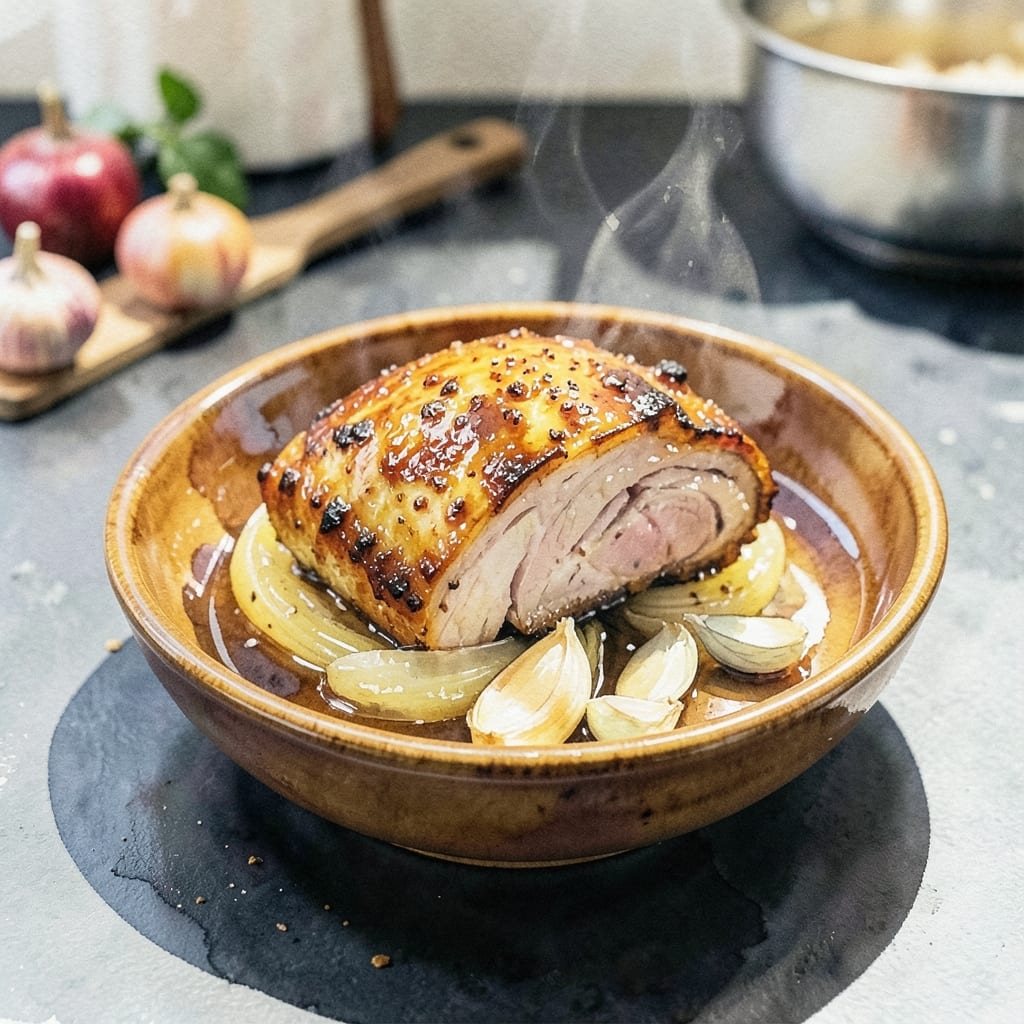
This BBQ pork shoulder roast recipe delivers the kind of smoky, fall-apart tenderness that turns every meal into a celebration. 🔥 The secret lies in slow-cooking until the meat reaches 203°F—where collagen transforms into rich, juicy strands—while developing that coveted crispy bark. I've been perfecting this technique for years, blending my French training with pitmaster traditions to create a dish that's both restaurant-worthy and achievable at home.
The process starts with a dry rub of bold spices and a long smoke (or oven-roast with wood chips), which builds deep flavor while keeping the meat moist. What makes this recipe special is the balance—crispy edges that crackle with every bite, tender meat that practically melts, and a sauce that clings to each strand. No guesswork here: precise temperatures and timing ensure perfect results every time.
By the time you're serving, you'll have a pork shoulder that's so tender it falls apart at the touch, with a bark so crispy it could stand up on its own. The aroma alone will have everyone gathering at the table, and the first bite delivers that perfect harmony of smoky, sweet, and savory flavors. This is the kind of dish that becomes a family tradition.
Serve with classic BBQ sides like coleslaw and cornbread, or pair it with roasted vegetables for a more modern twist. The leftovers? Even better the next day. Let's get started on creating your showstopping centerpiece.
Ingredients for bbq pork shoulder roast
Six pounds of pork shoulder transforms into a showstopper with just these 14 ingredients.
| Ingredient | Amount | Notes |
|---|---|---|
| Pork Shoulder (Bone-In) 🍖 | 6 lb | Well-marbled, not lean |
| Yellow Onion 🧅 | 1 whole | Large, sliced into rings |
| Garlic Cloves 🧄 | 8 cloves | Fresh, peeled and smashed |
| Brown Sugar 🍚 | ½ cup | Packed, light or dark |
| Smoked Paprika 🌶️ | 2 tbsp | Not sweet paprika |
| Ground Black Pepper 🌶️ | 1 tbsp | Freshly cracked |
| Kosher Salt 🧂 | 2 tbsp | Diamond Crystal preferred |
| Dried Thyme 🌿 | 1 tbsp | Or 1 tbsp fresh thyme |
| Mustard Powder 🍯 | 1 tsp | Yellow or Dijon |
| Apple Cider Vinegar 🍎 | ¼ cup | For tangy kick |
| BBQ Sauce 🍅 | 1 cup | Store-bought or homemade |
| Wood Chips (Hickory or Oak) 🌳 | 2 cups | Soaked 1 hour minimum |
| Butter 🧈 | ½ cup | Unsalted, softened |
| Fresh Rosemary 🌿 | ¼ cup | Chopped, for finishing |
The pork shoulder is non-negotiable here—bone-in with good marbling ensures juicy results. Costco or your local butcher usually have the best cuts. Look for a shoulder that's well-covered in fat; this is what keeps it moist during the long cook. If you're buying a whole shoulder, trim any large silver skin patches (they're tough). For the dry rub, Penzeys or the spice aisle at Whole Foods have the best smoked paprika. If you can't find it, regular paprika plus a pinch of liquid smoke works in a pinch.
No smoked paprika? Substitute 1 tbsp regular paprika plus 1 tsp liquid smoke. Fresh thyme is ideal, but dried works at the same amount. The apple cider vinegar adds tang—substitute lemon juice if you're out. For the wood chips, hickory gives classic BBQ flavor, but oak works too. If you're oven-roasting, use wood chips soaked in water and wrapped in foil. The butter at the end? Full-fat, unsalted—don't skip this for that rich finish. And if you're short on time, pre-made BBQ sauce from Sweet Baby Ray's or Stubb's is totally fine.
This makes enough for a crowd—plan for 2 cups of leftovers per person since it tastes even better the next day. Store in the fridge for 5-6 days or freeze for 3 months. For reheating, slow cook on low with a splash of water until warmed through. The bark gets crispier as it sits, so if you're serving it cold, wrap it tightly in foil to keep it intact. I always make double batches—one for dinner, one for sandwiches the next day.
Why You'll Love This Recipe
- One-Pan Magic: I swear by this recipe because it’s the rare dish where you actually use the same pan for cooking and serving. Slice that bone-in pork shoulder, toss it with onions and garlic, and let the oven do the work—no flipping, no fussing, just pure, sticky, smoky goodness waiting for you.
- Sweet-Smoky Bomb: That brown sugar and smoked paprika combo? It’s what turns this from "weeknight dinner" to "holiday-worthy centerpiece" without trying. The edges get this caramelized crust while the inside stays juicy—like a hug from your grandma’s kitchen, but with less cleanup.
- Leftovers That Win: Between us, I make this twice for a crowd because the seconds (and thirds) are always better. Cold slices on sandwiches? Yes. Tacos? Obviously. Even reheated, it’s so tender it falls apart at the touch—no sad, rubbery pork here.
- Budget Hero: A bone-in pork shoulder is basically the dollar-store superstar of meat—cheaper than chicken thighs, way more forgiving than steak, and packed with flavor. Honestly, I’ve fed six people for under $15 with this, and they all left happy (and full). Your wallet will thank you.
Step-by-step instructions for slow-smoked pork shoulder
Here's how to nail that perfect balance of crispy bark and melt-in-your-mouth tenderness.
🔥 Step 1: Prep the Pork and Build the Rub
Start by removing the pork shoulder from the fridge and letting it sit at room temperature for 1 hour. This ensures even cooking. Pat it dry with paper towels—you want it bone dry for that crispy bark we're after.
In a small bowl, combine the 0.5 cup brown sugar, 2 tbsp smoked paprika, 1 tbsp ground black pepper, 2 tbsp kosher salt, 1 tbsp dried thyme, and 1 tsp mustard powder. Rub this mixture all over the pork shoulder, pressing it into the meat so it sticks. Don't skip this—it's what gives you that deep, smoky flavor and perfect crust.
Here's the thing—press hard on the fat cap. You want that rub to adhere well because it's going to create that beautiful bark as it smokes. Wrap the pork loosely in plastic wrap and let it rest for another 30 minutes before smoking. This extra rest time helps the rub penetrate and the meat cook more evenly.
🔥 Step 2: Set Up Your Smoker for Low and Slow
Soak the 2 cups wood chips (hickory or oak) in water for at least 1 hour before using. This prevents them from burning too quickly and creating too much smoke. When ready, fill your smoker's wood chip tray and preheat to 225°F.
Place the pork shoulder fat-side up on the smoker grate. The fat will render and baste the meat as it cooks, adding extra flavor and moisture. Close the lid and let it smoke undisturbed for 6-8 hours. I know it's tempting to peek, but every time you open that lid, you lose heat and moisture—so resist the urge.
You'll know it's ready for the next step when the internal temperature reaches 165-170°F. This is called "the stall," and it's normal. The meat will stop rising in temperature as moisture evaporates. Don't panic—this is just part of the process.
🥘 Step 3: Wrap and Finish the Cook
At the stall, it's time to wrap the pork shoulder. Tear off a large sheet of aluminum foil and place the pork shoulder on it. Add 0.25 cup apple cider vinegar and 0.5 cup softened butter to the foil. The vinegar adds tanginess, and the butter keeps the meat moist. Fold the foil tightly to seal in all that delicious smoke and moisture.
Return the wrapped pork to the smoker and continue cooking until the internal temperature reaches 195-203°F. This usually takes another 3-5 hours. The meat should be fork-tender, with the probe sliding in like butter. If it's not, give it more time—rushing this step ruins everything.
Once it's done, remove the pork from the smoker and let it rest for 15-20 minutes before unwrapping. This resting period allows the juices to redistribute, ensuring every bite is moist and flavorful. Real talk: Don't skip this step, no matter how hungry you are.
🍽️ Step 4: Apply the Sauce and Serve
Unwrap the pork shoulder and transfer it to a cutting board. Brush it generously with 1 cup BBQ sauce, making sure to get it on all sides. Sprinkle with 0.25 cup chopped fresh rosemary for a pop of freshness and aroma.
Let it rest for another 10 minutes before slicing. The sauce will caramelize slightly during this time, adding extra depth of flavor. When you're ready to serve, slice against the grain into ½-inch thick pieces. You'll see those beautiful layers of pink meat and crispy bark—this is what we've been working toward.
Serve the pork shoulder with your favorite sides—crusty bread, coleslaw, or roasted vegetables all work great. The meat should be tender enough to pull apart with a fork, with a crispy, smoky exterior that gives way to juicy, flavorful meat. Enjoy your hard-earned masterpiece!
Pro Tips For Making Bbq Pork Shoulder Roast
- CRANK THE HEAT FIRST: Sear that pork shoulder hard over high heat for 5-7 minutes per side before you even think about adding onions or garlic. I used to skip this, and my roast never got that deep, caramelized crust—now it’s the thing that makes people ask, "What’s the secret?" (It’s not, really. Just patience.)
- CHOP ONIONS LIKE YOU MEAN IT: Dice those yellow onions into even ¼-inch pieces—no big chunks hiding in the rub. My grandmother swore by this, and she was right: uniform size means even cooking, and the onions won’t turn to mush while the pork rests. (Yes, even if you’re impatient like me.)
- DON’T SKIP THE SMASH: After searing, smash the pork shoulder flat with your palm or a meat mallet—about ½-inch thick. This isn’t about looks; it’s about ensuring the center hits 145°F without drying out the outer edges. I learned this the hard way when my first roast came out like a hockey puck.
- USE MORE PAPRIKA THAN YOU THINK: Don’t be shy with the smoked paprika—aim for 2 tablespoons per pound of pork. I was skeptical until I tried it: the extra layer of color and smokiness cuts through the sweetness of the brown sugar, giving that classic BBQ depth. (And yes, it stains your hands. Wear gloves if you care.)
Troubleshooting perfect results
Uneven Cooking
If your pork shoulder cooks unevenly, the issue is usually uneven heat distribution or improper placement. I’ve seen this happen when the pork isn’t positioned fat-side up—always place it that way so the fat renders and baste the meat evenly. Also, check your smoker’s temperature zones: if one side is hotter, rotate the pork 90 degrees every 2 hours to ensure even exposure. A digital thermometer like the ThermoWorks Smoke helps monitor temperature consistency. 🌡️
Dry or Tough Meat
Dry pork shoulder usually means it wasn’t cooked low and slow enough or wasn’t wrapped properly during the stall. If the internal temp hits 165°F and the meat feels dry, wrap it immediately in foil with ¼ cup apple cider vinegar and ½ cup butter to lock in moisture. Never skip the wrap—it’s what gets you that tender, juicy result. Also, avoid overcooking beyond 203°F, or the collagen will break down too much, leaving you with dry meat.
Bark Not Forming
If your bark isn’t crispy, your pork might not have been dry enough before smoking, or the rub wasn’t applied thickly enough. Pat the pork very dry with paper towels before applying the rub—no moisture means better bark adhesion. Press the rub hard into the meat, especially the fat cap, and let it rest uncovered for 30 minutes before smoking. A dry rub with smoked paprika and brown sugar is key—skip the sweet paprika, or you’ll miss that deep, smoky flavor.
Smoke Too Heavy
If your pork tastes like it’s been smoked with fireplace logs instead of wood chips, your smoke level is too high. Soak your wood chips for at least 1 hour before using, and avoid overloading the chip tray. A good rule of thumb: if you can’t see through the smoke, it’s too thick. Keep your smoker’s temperature steady at 225°F, and avoid adding fresh chips too often. A little smoke goes a long way—think subtle, not overwhelming. 🌳
Sauce Not Sticking
If your BBQ sauce slides off instead of clinging to the meat, the issue is usually timing or moisture. Apply the sauce after the pork has rested and just before serving—this gives it time to caramelize slightly. If the meat feels dry, brush it with a little apple cider vinegar or beef broth before adding the sauce to help it adhere. Also, make sure your pork isn’t too wet when you apply the sauce; excess moisture will cause it to pool instead of stick.
Nutrition facts
Frequently asked questions
Can I cook pork shoulder in the oven instead of smoking it?
For oven-roasted pork shoulder, preheat your oven to 275°F and place the pork on a rack in a roasting pan. Add soaked wood chips to the pan and cover tightly with foil. Cook until the internal temperature reaches 203°F (about 6-8 hours). The key is keeping the oven at a steady low temperature—just like smoking, but with less fuss.
How do I know when the pork shoulder is fully cooked?
Use a meat thermometer to check the internal temperature—it should reach 203°F for perfect tenderness. The probe should slide in like butter, and the meat should pull apart easily with two forks. If it's not quite there, give it another 30-60 minutes wrapped in foil. Patience is key!
What’s the best way to store leftovers?
Let the pork shoulder cool to room temperature, then wrap it tightly in aluminum foil or store it in an airtight container. It keeps well in the fridge for 5-6 days or can be frozen for up to 3 months. For reheating, slow-cook on low with a splash of water or broth until warmed through—this keeps it moist and delicious.
Can I use a different wood for smoking?
While hickory and oak are classic choices, you can experiment with cherry (sweeter) or mesquite (stronger flavor). Just soak the chips for 1 hour first, and avoid fruit woods like apple or cherry if you prefer a more neutral smoke. The key is balance—start with 225°F and monitor the smoke level closely.
Why does the pork get tough if I don’t wrap it during the stall?
The stall (when the meat hits 165°F) is critical—without wrapping, moisture evaporates too quickly, leaving the pork dry and tough. Wrapping with butter and vinegar traps steam, which keeps the meat tender while it finishes cooking. Think of it like a pressure cooker for your smoker!