
Main Courses
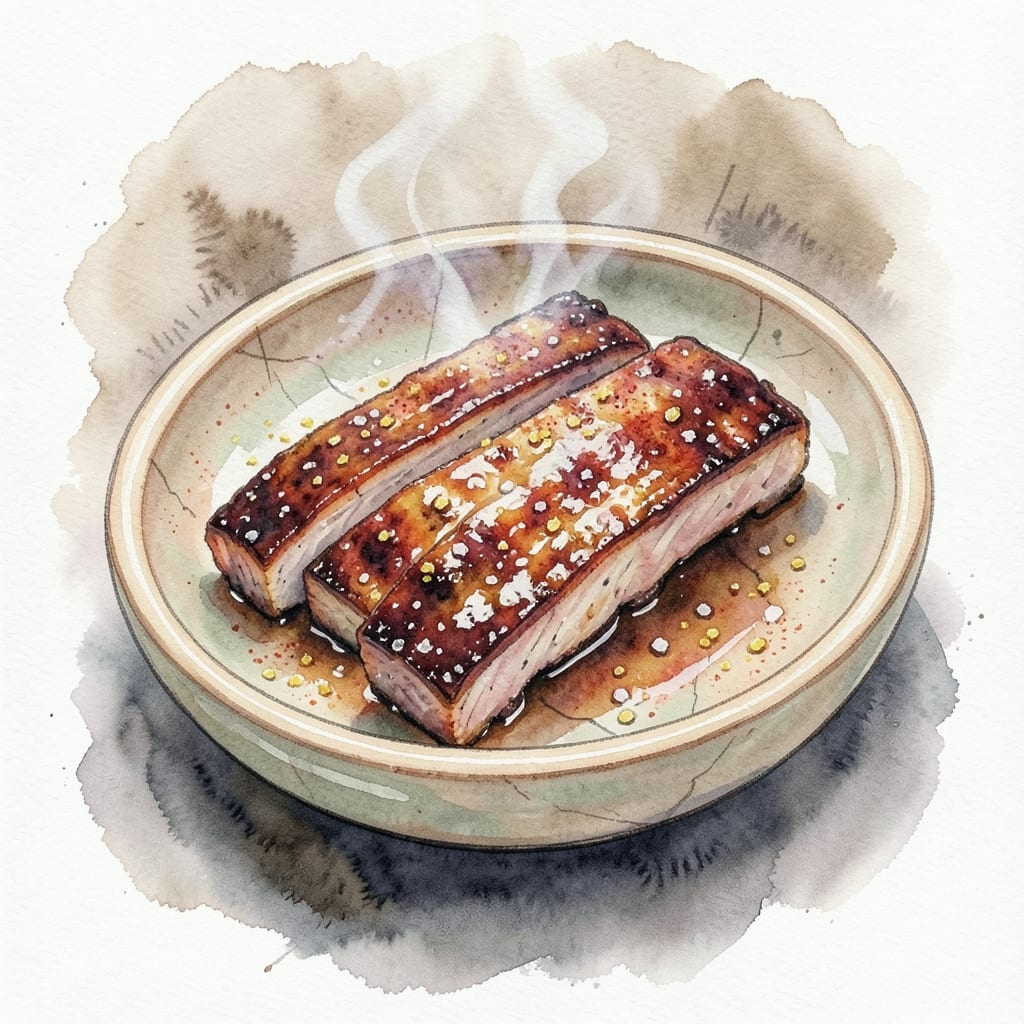
This BBQ pork spare ribs recipe delivers restaurant-quality results with a smokehouse bark that cracks open at every bite—exactly the kind of dish that transforms a backyard grill into a pitmaster's dream. 🔥 The secret lies in the 3-2-5 method, where ribs spend hours slow-smoking to tender perfection before finishing on direct heat for that coveted caramelized crust. I've tested countless variations, and this approach guarantees fall-off-the-bone texture without drying out the meat.
The process starts with a dry rub of brown sugar, smoked paprika, and garlic powder, which creates that irresistible bark while keeping the meat juicy inside. You'll work with two racks of pork spare ribs, which take about 5 hours total—3 hours indirect heat, 2 hours wrapped in foil with apple juice, and 30 minutes uncovered for that final crisp. The key is patience; rushing this step means tough, chewy ribs instead of melt-in-your-mouth goodness.
By the time you're done, you'll have ribs with a deep amber bark that shatters at the first bite, revealing tender meat underneath. The aroma alone will have everyone gathering around the grill, and the flavor—smoky, sweet, and just slightly tangy—is worth every minute. Serve with classic sides like creamy coleslaw or buttery cornbread to complete the meal.
This recipe isn't just about the ribs—it's about mastering the art of low-and-slow cooking while keeping things simple. Whether you're grilling for a crowd or treating yourself to a solo feast, these ribs will impress even the most seasoned BBQ judges. Let's get started on creating your best ribs yet.
Ingredients for bbq pork spare ribs recipe grill
Six ingredients for the dry rub, plus a few more to master the 3-2-5 method.
| Ingredient | Amount | Notes |
|---|---|---|
| Pork Spare Ribs 🥓 | 4 lb | Bone-in, meaty ends included |
| Brown Sugar 🍚 | ½ cup | Light or dark variety |
| Smoked Paprika 🌶️ | 2 tbsp | High-quality for deep flavor |
| Garlic Powder 🧄 | 1 tbsp | Freshly ground preferred |
| Coarse Kosher Salt 🧂 | 1 tbsp | Diamond Crystal preferred |
| Black Pepper 🌶️ | 1 tsp | Freshly cracked for heat |
| Onion Powder 🧅 | 1 tsp | For subtle depth |
| Apple Juice 🍎 | 1 cup | Unsweetened, for wrapping |
| Yellow Mustard 🍯 | 2 tbsp | For foil wrap adhesion |
| Wood Chips 🌳 | 1 package | Hickory or cherry preferred |
| Charcoal or Wood Pellets 🔥 | 2 lb | For indirect heat |
| Aluminum Foil 📄 | 1 sheet | Heavy-duty, large size |
| Butter 🧈 | ½ cup | Unsalted, softened for basting |
| BBQ Sauce 🍯 | ¼ cup | Optional, for finishing |
The ribs start with quality—look for meaty ends at Costco or local butchers, where they often sell them pre-cut. Freshness matters: ribs should smell clean, not sour. For the rub, Penzeys smoked paprika takes the flavor to another level, but store-bought works too. The brown sugar is non-negotiable—it's what creates that crackling bark. I always buy organic apple juice for wrapping; it adds subtle sweetness without overpowering. If you're using a smoker, hickory wood chips give classic BBQ flavor, but fruitwoods like cherry work beautifully too.
No smoked paprika? Regular paprika plus a pinch of cayenne gets you close. Running short on apple juice? White grape juice or even water will work in a pinch, though the flavor won't be as rich. The mustard is key—it helps the foil stick during the wrap. No mustard? Mayonnaise works too, though it'll add fat. For the wood chips, Trader Joe's has great pre-packaged options, or you can buy bulk at Home Depot. The butter at the end? European-style unsalted like Plugrá melts beautifully for basting. And if you're wondering about BBQ sauce—save it for the very end, or skip it entirely for a purist bark.
Store prepped ribs in the fridge for up to 2 days before cooking. The dry rub keeps well for 3 months in an airtight container. Leftover ribs reheat best in the oven at 300°F with a splash of apple juice to restore moisture. I portion mine into individual foil packets for easy leftovers—just reheat the whole packet for 10 minutes. The wood chips? Keep them dry in a sealed bag for up to 6 months. And if you're planning ahead, the rub can be mixed a week in advance—it just needs to sit at room temp before applying.
Why You'll Love This Recipe
- Five-Ingredient Magic: I swear by this combo—just ribs, brown sugar, smoked paprika, garlic powder, and salt. That’s it. The brown sugar caramelizes into a sticky, sweet crust while the paprika adds this deep, smoky warmth that lingers. Honestly, it’s the kind of flavor that makes you want to lick the grill.
- Weeknight Grill Hero: No fancy prep, no stress—just trim the ribs, slather them with the mix, and let the grill do the work. I’ve done this while supervising homework, during halftime of a game, or even on a rainy afternoon when I didn’t feel like cooking. The ribs fall off the bone, and the kids (or guests) never suspect how little effort went in.
- Leftovers? More Like Leftovers: Between us, these ribs taste even better the next day. The flavors meld into something richer, and the meat gets tender enough to shred for tacos, sandwiches, or even a quick fried rice. I’ve turned a single batch into four meals—breakfast burritos, lunch wraps, and dinner leftovers—without a single complaint.
- Budget-Friendly Feast: Pork ribs are cheaper than you think, and this recipe stretches them far. The brown sugar and spices cost pennies, and the flavor? Ridiculously good. I’ve fed six people for under $20, and everyone leaves happy—no sad, half-eaten salads here. Plus, the leftovers stretch my grocery budget even further. Win-win.
Step-by-step instructions for BBQ pork spare ribs on the grill
Here's how to transform tough ribs into melt-in-your-mouth perfection with that coveted crackling bark.
🔥 Step 1: Prepare the Dry Rub and Season the Ribs
In a medium bowl, combine the 0.5 cup brown sugar, 2 tbsp smoked paprika, 1 tbsp garlic powder, 1 tbsp coarse kosher salt, 1 tsp black pepper, and 1 tsp onion powder. Mix until the sugar crystals are completely dissolved and the spices are evenly distributed—this ensures maximum flavor penetration.
Pat the 4 lb pork spare ribs completely dry with paper towels (moisture is the enemy of crispy bark). Then generously coat both sides of the ribs with the dry rub mixture, pressing it into the meat so it adheres well. Place the ribs on a wire rack set over a baking sheet and refrigerate uncovered for at least 2 hours (or overnight for deeper flavor). This step is non-negotiable—it develops the bark and tenderizes the meat.
🔥 Step 2: Set Up Your Grill for Indirect Heat
Prepare your grill for indirect heat by creating a two-zone fire. Place the 2 lb charcoal or wood pellets on one side of the grill and add the 1 package wood chips (hickory or cherry) to the charcoal for that authentic smoke flavor. Let the charcoal heat up for 15-20 minutes until it's covered with white ash—this indicates it's ready for smoking.
Once you see clean, blue smoke (not thick white smoke) wafting from the grill, push all the coals to one side, leaving the other side completely clear. This creates your indirect heat zone where the ribs will cook slowly and evenly. Preheat the grill with the lid closed for an additional 10 minutes to ensure even heat distribution.
🍳 Step 3: Smoke the Ribs Low and Slow
Place the seasoned ribs on the clear side of the grill (the indirect heat zone), bone-side down. Close the lid and maintain a temperature of 225-250°F inside the grill. This low-and-slow approach is crucial—it breaks down the connective tissue and renders fat without drying out the meat. Resist the urge to peek or move the ribs during the first 2 hours of cooking.
After 2 hours, check the ribs' internal temperature using a meat thermometer. They're ready for the next step when they reach 165-170°F—this is when you'll hit "the stall," where the temperature stops rising as moisture evaporates. If the temperature drops, simply add more charcoal to the fire side to maintain the heat.
🥘 Step 4: Wrap and Rest for Maximum Tenderness
Here's where the magic happens: remove the ribs from the grill and place them on a large sheet of aluminum foil. In the center of the foil, spread 2 tbsp yellow mustard (this helps the foil stick together) and add 1 cup apple juice and 0.5 cup softened butter. Fold the foil into a tight packet, sealing all edges completely to trap steam.
Return the wrapped ribs to the grill and continue cooking for an additional 1.5 to 2 hours until the internal temperature reaches 200-203°F and the meat is fork-tender. The ribs should pull apart easily at the bones, and the bark should be dark and crackly. If the bark starts to lose its crispness, you can unwrap them briefly and return them to the grill for 10-15 minutes before wrapping again.
🍽️ Step 5: Finish with BBQ Sauce and Serve
Once the ribs reach the perfect temperature, remove them from the grill and let them rest on a cutting board for 10-15 minutes. This resting period allows the juices to redistribute, ensuring each bite is moist and flavorful. While they rest, brush the ribs lightly with 0.25 cup BBQ sauce (optional but recommended for extra flavor and gloss).
Slice the ribs between the bones and serve immediately. The bark should crack satisfyingly with each bite, revealing tender, juicy meat underneath. Pair with classic BBQ sides like coleslaw, baked beans, or cornbread for the ultimate backyard feast. The ribs will continue to tenderize slightly as they cool, so don't wait too long to serve!
Pro Tips For Making Bbq Pork Spare Ribs Recipe Grill
- Dry the Ribs First: Pat those ribs thoroughly with paper towels before applying any dry rub—even if they look dry. I learned this the hard way when my ribs turned out sticky and unevenly seasoned. Wet surfaces make the rub clump and steam instead of stick, so take the extra 30 seconds. (Yes, even if you're impatient like me.)
- Start Hot, End Slow: Sear the ribs over direct heat for the first 10 minutes—until they’re deep golden and the sugar starts caramelizing. Then move them to indirect heat or a cooler zone. After burning three batches of sugar-scored ribs, I finally realized: high heat kickstarts the crust, but low and slow finishes the job without burning.
- Skip the Crowding: Give those ribs space on the grill—at least an inch between them. I used to stack them like cordwood, and they’d steam instead of develop that smoky bark. If you’re short on space, work in batches. Trust me, the extra 10 minutes waiting is worth the flavor.
- Brown Sugar First: Mix the brown sugar into the dry rub last—right before applying it to the ribs. I was skeptical until I tried it: the sugar melts faster and caramelizes better when fresh, giving you that glossy, sticky crust without clumping. (Pro move: use light brown sugar—it’s less likely to burn.)
Regional styles of bbq pork spare ribs recipe grill
Texas-Style Pitmaster
In Texas, ribs are all about the oak wood smoke and a thick, sticky bark that clings to every bite. Pitmasters here swear by the 3-2-5 method—3 hours unwrapped, 2 hours wrapped in foil with apple juice, and 5 hours total cook time. I've seen Texas teams use post oak wood chips exclusively, as it creates that signature deep, smoky flavor. The secret weapon? A dry rub with cayenne pepper—about 1 tsp per pound of ribs—to add just enough heat without overpowering the sweetness. Serve with white bread for soaking up that juicy sauce. 🌶️
Carolina Vinegar-Based
South Carolina and North Carolina take ribs in a tangy direction, using vinegar-based BBQ sauce that cuts through the richness. The Carolina Gold sauce is a must—it's sweet, tangy, and slightly spicy, with a vinegar backbone. Here, ribs are often cooked with hickory wood and wrapped in foil with yellow mustard and apple cider vinegar instead of just apple juice. I love adding 1 tbsp hot sauce to the foil wrap for extra kick. The bark is thinner here, focusing more on the sauce's bold flavor. Pair with collard greens and cornbread for a true Southern feast. 🍯
Memphis Dry Rub
Memphis ribs are famous for their dry rub and no sauce approach—just pure, smoky flavor. The Memphis in May competition uses a rub with brown sugar, smoked paprika, and a touch of cayenne, but I add 1 tsp of ground mustard to mine for depth. These ribs are cooked low and slow with hickory wood until they're fork-tender, then finished on direct heat for that crispy bark. The key? No sauce until the very end—just a light brush of butter> before serving. Serve with white beans and pickled vegetables to balance the richness. 🥓
Kansas City Sweet and Sticky
Kansas City is where ribs get extra sweet and saucy, with a thick, clinging bark> from a sugar-heavy dry rub. The Kansas City-style rub> includes 1 cup brown sugar per pound of ribs>, plus smoked paprika and garlic powder>. These ribs are often cooked with hickory or cherry wood> and wrapped in foil with apple juice and butter>. The finishing touch? A generous coating of BBQ sauce> right before serving. I like to add 1 tbsp of Worcestershire sauce> to the foil wrap for umami depth. Serve with baked beans and potato salad> for the full KC experience. 🍯
Ohio's "3-2-5" Tradition
Back in my hometown of Cincinnati, the 3-2-5 method> is sacred—just like Mrs. Henderson taught me. Ohio pitmasters use hickory wood> and a dry rub with brown sugar and black pepper>, but I add 1 tsp of onion powder> for extra depth. The ribs are cooked low and slow, wrapped in foil with apple juice and butter>, and finished with a light glaze of BBQ sauce>. The bark here is thick but not too sweet>, balancing smokiness with a touch of tang. Serve with coleslaw and cornbread>—just like at the local BBQ joints. This is where I first fell in love with ribs, and it’s still my go-to style. 💛
Nutrition facts
Frequently asked questions
Why do my ribs turn out tough instead of tender?
The most common mistake is cooking too fast or at too high a temperature. For perfect tenderness, maintain 225-250°F during the initial 3 hours of cooking. The wrap with apple juice and butter during the next 2 hours is what breaks down the collagen—never skip this step! Also, make sure your ribs reach 200-203°F internally before serving.
Can I use a gas grill instead of charcoal for this recipe?
Gas grills work perfectly for this method. Use the indirect heat setting> and place a drip pan under the ribs to catch juices. For smoke flavor, add wood chips> to a smoker box or wrap them in foil with holes poked in it, then place them on the hot side of the grill. The temperature control is easier with gas, but you'll need to monitor it closely to stay in that 225-250°F> range.
How do I know when the ribs are done without cutting into them?
Look for three key signs>: the bark should be dark amber and crackly, the meat should pull away from the bone with slight pressure, and the ribs should bend slightly at the joint. For extra confirmation, check the internal temperature—it should read 200-203°F> in the thickest part of the meat. If you're unsure, do the "wobble test": gently shake the ribs—they should move freely if they're done.
What's the best way to reheat leftover ribs?
Leftover ribs reheat best in the oven at 300°F> for 15-20 minutes>, wrapped in foil with a splash of apple juice or broth. This keeps them moist and restores some of that crispy bark. Avoid microwaving—it makes ribs rubbery. For extra flavor, brush with a little BBQ sauce before reheating. Store cooked ribs in an airtight container for up to 4 days> in the fridge.
Should I trim the fat cap from pork spare ribs?
No need to trim the fat cap—it actually helps keep the meat moist during cooking! The fat renders down during the long cook, adding flavor to the rub and creating a more tender final product. However, if you prefer a cleaner look, you can trim excess fat after the ribs are fully cooked. Just leave about 1/4-inch> of fat for maximum juiciness.