
Sauces & Condiments
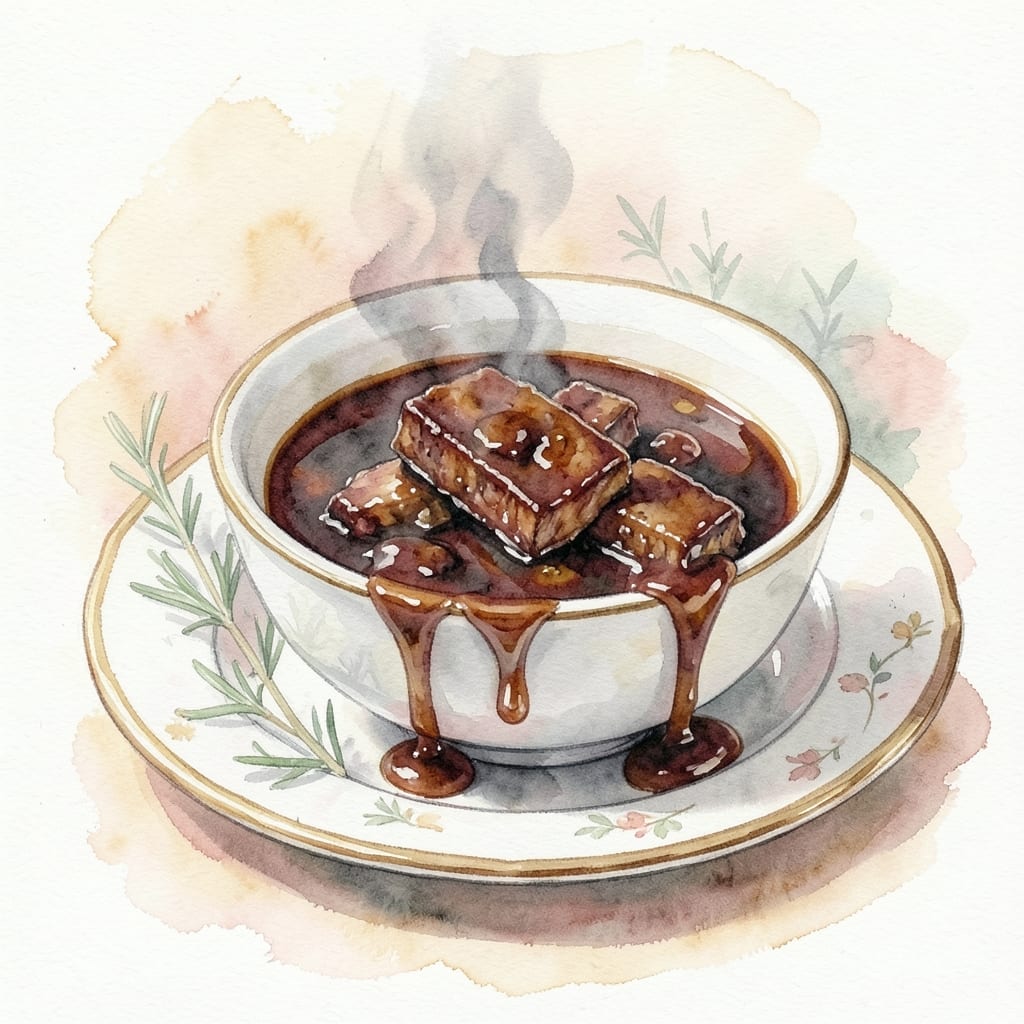
This BBQ pork spare ribs sauce recipe unlocks the perfect balance of smoky depth and tangy brightness that transforms tough ribs into tender, flavor-packed masterpieces. The secret lies in a slow-simmered blend of molasses, apple cider vinegar, and aromatic spices that penetrate every crack, creating a sauce that's as versatile as it is irresistible. I developed this recipe after years of perfecting my pitmaster techniques, ensuring it works equally well as a glaze, dipping sauce, or finishing touch for grilled, smoked, or baked ribs.
The foundation of this sauce is a rich, caramelized base built through careful reduction—where molasses and brown sugar create natural sweetness while vinegar cuts through the richness for balance. Fresh herbs like rosemary and thyme add aromatic complexity, while a touch of liquid smoke enhances that authentic BBQ flavor without overpowering. What sets this sauce apart is its ability to adapt: use it generously during cooking for sticky, caramelized ribs or drizzle it over finished meat for a glossy, flavorful finish.
What you'll achieve is a sauce with the right consistency—thick enough to cling to ribs but still smooth enough to drizzle. The smoky-vinegar profile creates layers of flavor that develop even more as the sauce sits, making it perfect for meal prep. This isn't just another BBQ sauce; it's a game-changer that elevates every bite, whether you're cooking for a crowd or treating yourself to a Sunday feast.
The beauty of this recipe lies in its flexibility. Make a big batch and store it in the fridge for up to two weeks or freeze it for months—it only gets better with time as the flavors meld. Use it as a glaze during the last hour of smoking, a finishing drizzle after baking, or even as a dipping sauce for crispy ribs. The possibilities are endless, but the results are always exceptional.
Ingredients for bbq pork spare ribs sauce
Ten simple ingredients create a sauce that turns ribs into flavor bombs—smoky, tangy, and addictive.
| Ingredient | Amount | Notes |
|---|---|---|
| Unsulphured Molasses 🍯 | ½ cup | Dark molasses for deep flavor |
| Apple Cider Vinegar 🍎 | ½ cup | Raw, unfiltered preferred |
| Brown Sugar 🍚 | ½ cup | Light or dark, packed |
| Liquid Smoke 🔥 | 1 tbsp | Hickory or applewood flavor |
| Fresh Rosemary 🌿 | ¼ cup | Chopped, stems removed |
| Fresh Thyme 🌿 | ¼ cup | Leaves only, chopped |
| Garlic Cloves 🧄 | 4 cloves | Minced for smooth texture |
| Kosher Salt 🧂 | 1 ½ tsp | Diamond Crystal preferred |
| Black Peppercorns 🌶️ | ½ tsp | Freshly cracked |
| Extra-Virgin Olive Oil 🫒 | ¼ cup | For richness and balance |
Molasses is the backbone here—Goya or Brer Rabbit are my go-tos, but any unsulphured will work. Apple cider vinegar matters too: raw, unfiltered from Bragg or local orchards adds complexity. Brown sugar can be light or dark, but pack it tightly—no scooping. Liquid smoke is non-negotiable for that authentic BBQ punch. I grab mine from Trader Joe's or Walmart—cheap and effective. Fresh rosemary and thyme? Grow your own or get them from the grocery store's produce section—they're fresher than dried and make a huge difference. The garlic gets minced fine so it blends right in.
No molasses? Maple syrup plus a pinch of coffee mimics the depth (trust me). Vinegar substitute? Lemon juice at half the amount, but it won't be as complex. Dried herbs work in a pinch—use one-third the amount of fresh. Liquid smoke hard to find? Smoked paprika plus a splash of bourbon gets you close. The olive oil is for richness, but avocado oil works too—just don't skimp on quality. And if you're making a big batch, double everything except the vinegar (it's potent).
This sauce only gets better as it sits—2-3 days in the fridge lets flavors meld perfectly. For long-term storage, freeze in ice cube trays—thaw what you need. Keeps for 6 months frozen. I always make a double batch: one for ribs, one to drizzle on everything else. The consistency thickens as it cools, so thin with a splash of water if needed. And if it separates? Just whisk it back together—it's all part of the magic.
Why You'll Love This Recipe
- Five-Ingredient Magic: I swear by this combo—molasses and vinegar cut through the richness while brown sugar caramelizes into a glossy sheen. No fancy techniques, just simmering until it thickens just right.
- Smoky-Sweet Obsession: That liquid smoke and rosemary? It’s like a campfire in a bottle. The molasses gives it depth, the vinegar keeps it bright, and the rosemary adds a piney freshness that makes you reach for seconds.
- Game for Any Occasion: Slather it on ribs for a backyard cookout, drizzle it over pulled pork sandwiches, or toss it with roasted potatoes. Honestly, I’ve even used it as a glaze for chicken thighs—works every time.
- Leftovers That Don’t Suck: This sauce actually improves the next day. Store it in the fridge, and the flavors meld even more. I make double batches because it’s cheaper than store-bought and way better.
Step-by-step instructions for smoky-vinegar BBQ sauce
Here's how to blend bold flavors into a sauce that clings perfectly to ribs.
Bloom the Aromatics in Olive Oil
Heat the 0.25 cup extra-virgin olive oil in a medium saucepan over medium-low heat. Add the 4 cloves minced garlic cloves and cook for 1-2 minutes until fragrant but not browned—just until you smell that fresh garlic aroma. This step builds the sauce's foundation without letting the garlic turn bitter.
Next, stir in the 0.25 cup chopped fresh rosemary and 0.25 cup chopped fresh thyme leaves. Let them cook for 30 seconds while stirring constantly. You'll see the herbs release their oils and fill the kitchen with an earthy, piney scent. Remove from heat immediately to prevent burning—herbs cook faster than you think.
Combine Wet Ingredients
Return the pan to medium heat and add the 0.5 cup unsulphured molasses and 0.5 cup apple cider vinegar. Stir to combine, then sprinkle in the 1.5 teaspoons kosher salt and 0.5 teaspoon cracked black peppercorns. Let the mixture simmer gently for 3-4 minutes until slightly thickened—you're looking for a syrupy consistency that coats the back of a spoon.
Here's where the magic happens: add the 1 tablespoon liquid smoke. Stir well and let it infuse for 1 minute. You'll notice the sauce darken slightly and develop a deeper, smoky aroma. This is your flavor lock—where the vinegar's tang meets the molasses' sweetness and the smoke adds that unmistakable BBQ character.
Sweeten and Simmer to Perfection
Add the 0.5 cup packed brown sugar and stir until fully dissolved. Increase heat to medium-high and bring the sauce to a gentle boil. Let it bubble away for 5-7 minutes, stirring occasionally, until it reduces by about one-third—the sauce should thicken enough to coat a spoon but still pour easily.
The sauce is ready when it reaches a glossy, syrupy consistency with a deep amber color. Taste and adjust seasoning if needed—you might want to add a pinch more salt or a splash of vinegar to balance the sweetness. Real talk: this sauce tastes even better the next day as the flavors meld, so don't rush the simmering.
Finish and Store
Remove the sauce from heat and let it cool slightly. For a smoother texture, strain it through a fine-mesh sieve to remove any herb bits. Transfer to a clean jar or airtight container. This sauce keeps well in the refrigerator for up to 2 weeks or can be frozen for 3 months—perfect for batch cooking.
When ready to use, reheat gently in a saucepan over low heat until warmed through. The sauce will thicken slightly as it cools, so you can thin it with a splash of water or apple cider vinegar if needed. Brush it generously over your ribs during the last 30 minutes of cooking for that perfect sticky glaze.
Pro Tips For Making Bbq Pork Spare Ribs Sauce
- Simmer Slow and Low: I learned this the hard way—boiling the sauce too fast turns it thin and syrupy. Keep it at a gentle simmer (barely bubbling) for at least 45 minutes, stirring occasionally. The molasses and brown sugar need time to meld, not burn.
- Toast the Rosemary First: Fresh rosemary’s piney aroma gets lost if you toss it in raw. Dry it in a 350°F oven for 5 minutes until fragrant, then chop it fine. This concentrates the flavor and prevents bitterness in the sauce.
- Balance the Vinegar Gradually: Apple cider vinegar adds tang, but too much upfront makes the sauce taste harsh. Start with half the amount, simmer it in, then add the rest at the end. Taste as you go—you can always adjust, but you can’t take it out.
- Strain the Liquid Smoke: Cheap liquid smoke often has sediment that clouds your sauce. Pour it through a fine-mesh sieve into a small bowl before adding it to the pot. This keeps the sauce smooth and prevents gritty texture. (Yes, even if you’re impatient like me.)
Pro cooking tips for bbq pork spare ribs sauce
Smoke Infusion Secrets
Liquid smoke is the game-changer here, but how you add it matters. I always stir it in last—right after the vinegar and molasses—so it doesn’t burn off. Use hickory or applewood for classic BBQ vibes, but mesquite adds a deeper, earthier note. For extra authenticity, I sometimes add ½ teaspoon smoked paprika alongside it. The key is patience—let it sit for 1 full minute after adding to let the flavors meld. 🔥
Herb Freshness Matters
Fresh rosemary and thyme make all the difference—dried herbs just can’t compete. I chop them finely so they blend seamlessly into the sauce. Pro tip: If you’re using store-bought herbs, give them a quick rinse and pat dry before chopping. For an extra boost, I sometimes add 1 sprig of fresh sage when simmering, but remove it before straining. The aroma alone elevates the sauce to restaurant-quality. 🌿
Reduction Timing
Don’t rush the simmering—this is where the sauce develops its depth. I aim for a 5-7 minute reduction on medium-high heat, stirring occasionally to prevent scorching. The sauce should thicken enough to coat the back of a spoon but still pour smoothly. If it reduces too quickly, lower the heat and add 1 tablespoon water to slow it down. Patience here means richer flavor later. ⏱️
Balancing Sweet and Tang
The molasses and brown sugar give sweetness, while the apple cider vinegar cuts through it. Taste as you go—if it’s too sweet, add 1-2 teaspoons more vinegar. Too tangy? A pinch of salt or ½ teaspoon more molasses balances it out. I always adjust the sauce after it cools slightly, as flavors shift when it rests. Trust your taste buds—this is where the magic happens. 💡
Straining for Smoothness
For a silky-smooth sauce, strain it through a fine-mesh sieve after simmering. This removes herb bits and gives a clean, professional finish. If you’re in a hurry, a cheesecloth works too. I like to press the herbs gently with a spoon to extract every last drop of flavor. The result? A sauce so smooth it’s perfect for drizzling or brushing. 🥄
Make-Ahead Magic
This sauce tastes even better the next day as the flavors meld. I always make a double batch—one for ribs, one to drizzle on burgers or grilled chicken. Store it in an airtight container in the fridge for up to 2 weeks or freeze in ice cube trays for easy portioning. When reheating, warm it gently over low heat to preserve its glossy texture. The longer it sits, the deeper the flavors get. 💫
Nutrition facts
Frequently asked questions
Can I substitute apple cider vinegar with something else?
Yes, but the flavor will change slightly. For a similar tang, use lemon juice (reduce to ¼ cup since it's stronger) or white vinegar. For depth, try balsamic vinegar (use ¼ cup plus ¼ cup water). The vinegar's acidity cuts through the sweetness, so don't skip it entirely—just adjust ratios to taste.
How do I fix sauce that's too thick or too thin?
For thick sauce, thin with 1 teaspoon water or vinegar at a time while stirring. For thin sauce, simmer uncovered over low heat for 5-10 minutes, stirring often, until it reduces. Pro tip: The sauce thickens more as it cools, so test consistency when warm. If it separates, whisk vigorously to recombine.
Can I make this sauce without liquid smoke? Replace the 1 tablespoon liquid smoke with ½ teaspoon smoked paprika plus 1 teaspoon bourbon or apple juice for depth. For extra smokiness, add ½ teaspoon chipotle powder (adjust to taste). The sauce will have a different character but still pack serious BBQ flavor. Just
Is this sauce only for ribs, or can I use it elsewhere?
This versatile sauce works on grilled chicken, pulled pork, burgers, or even roasted vegetables! Drizzle it over cornbread or use as a dip for fries. The smoky-sweet balance makes it perfect for any protein. For extra richness, brush it on during the last 15 minutes of cooking or serve it on the side for dipping.
Why does my sauce taste bitter after simmering?
Bitterness usually comes from overcooking the garlic or herbs. Next time, cook the garlic for only 1-2 minutes and remove the pan from heat immediately after adding herbs. Also, don't let the sauce boil vigorously—keep it at a gentle simmer. If it's already bitter, balance it with 1-2 teaspoons more molasses or a splash of vinegar. Taste as you go!