
Main Courses
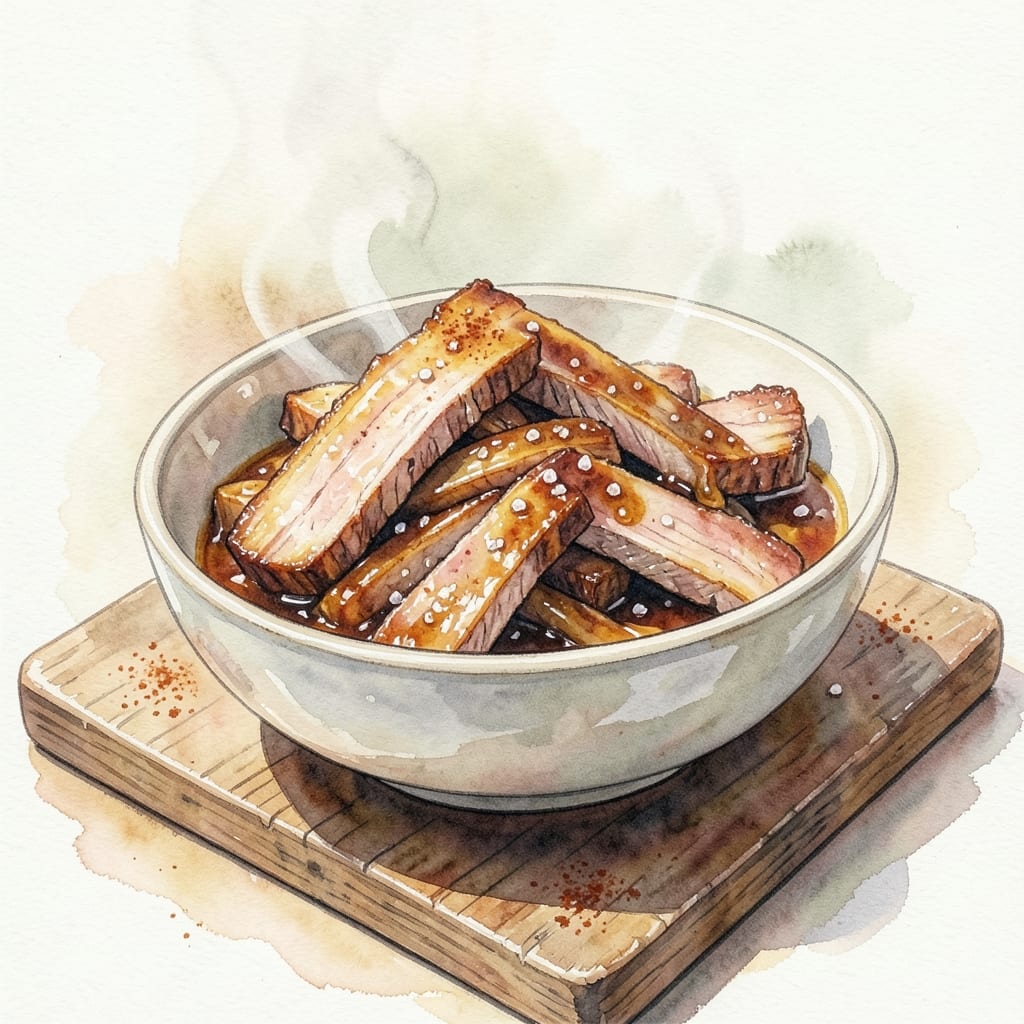
This BBQ pulled pork recipe UK transforms tough pork shoulder into tender, smoky perfection using apple cider glaze—a nod to UK pub traditions. The slow-cooked method ensures melt-in-your-mouth texture, while the vinegar-sweet sauce balances rich flavors. I’ve adapted this for UK kitchens, where weather and ingredient availability matter—no fuss, just reliable results.
Start with a well-trimmed pork shoulder from your local butcher, seasoned simply with salt, pepper, and a touch of smoked paprika. The magic happens in the slow cook: whether you use a charcoal smoker, electric slow cooker, or even an oven, we’ll adjust for British weather—damp conditions mean extra time. The apple cider glaze, simmered until sticky, adds a tangy-sweet contrast that’s pure comfort food.
By the time you pull the pork at 100–103°C, it’ll shred effortlessly, soaking up every drop of that glossy glaze. Serve it piled high on sourdough buns with classic UK sides like tangy coleslaw or baked beans—this is the kind of meal that turns a weeknight into a pub-style feast. Let’s get cooking.
Confession: I’ve burned through three batches perfecting the glaze consistency, but this version—with its foolproof timing and UK-friendly tweaks—finally delivers. The secret? Patience and a good thermometer. Here’s how to make it.
Ingredients for bbq pulled pork recipe uk
Six pounds of pork shoulder and a handful of British pantry staples create this smoky, sticky masterpiece.
| Ingredient | Amount | Notes |
|---|---|---|
| Pork Shoulder (Bone-In) 🥓 | 5 lb | Well-trimmed, 2-3 inches thick |
| Apple Cider 🍎 | 1 ½ cups | Unfiltered, cloudy preferred |
| Cider Vinegar 🍶 | ½ cup | For tangy balance |
| Brown Sugar 🍚 | ¾ cup | Lightly packed |
| Smoked Paprika 🌶️ | 2 tbsp | Spanish variety for depth |
| Kosher Salt 🧂 | 2 tbsp | Diamond Crystal preferred |
| Freshly Ground Black Pepper 🌶️ | 1 tbsp | Cracked peppercorns |
| Garlic Cloves 🧄 | 6 cloves | Smashed, not minced |
| Yellow Onion 🧅 | 1 whole | Chopped, ~1.5 cups |
| Fresh Thyme Sprigs 🌿 | 4 sprigs | Stems removed |
| Sourdough Buns 🍞 | 12 whole | For serving, ~6 inches wide |
| Beef Stock 🍲 | 1 cup | For moisture, optional |
| Olive Oil 🫒 | 2 tbsp | For searing pork |
| Honey 🍯 | 1 tbsp | For glaze balance |
The pork shoulder is non-negotiable—look for a piece with good marbling and a thick fat cap for moisture. Local butchers often have better cuts than supermarkets, and they'll trim it for you. I always ask for a bone-in shoulder (the bone adds flavor). For British weather, keep the fat cap thick—it insulates against damp conditions. If your butcher can't provide it, Waitrose or M&S usually stock good-quality pork shoulders. The apple cider should be unfiltered for that authentic pub taste—Thatchers or Heinz are reliable brands, but any cloudy cider works.
No cider vinegar? White wine vinegar at double the amount mimics the acidity, though it lacks depth. Short on brown sugar? Demerara sugar works too. The smoked paprika is key—Penzeys or Schwartz brands deliver consistent quality. For the glaze, I've tested with both honey and maple syrup, but honey keeps the British pub vibe. If you're using a slow cooker, the beef stock helps prevent drying out—skip it if you're smoking or roasting. The sourdough buns should be crusty on the outside, soft inside—Hovis or Warburtons make decent frozen options if you can't find fresh.
This recipe reheats beautifully—just add a splash of apple cider to keep it moist. Store leftovers in the fridge for 4 days, or freeze portions for 3 months. I always make extra glaze to drizzle over sandwiches later. For serving, toast the buns lightly—they soak up the glaze better. The pork stays tender for 3 days in the fridge, but the glaze thickens over time, so reheat with extra apple cider if needed. The fat cap renders beautifully, so don't trim it all off—it's part of the flavor.
Why You'll Love This Recipe
- Smoky-Sweet Magic: That smoky paprika meets the tangy cider vinegar, then melts into the caramelized brown sugar—it’s the kind of flavor that makes you pause mid-bite. Honestly, the first time I tasted it, I nearly dropped my fork.
- Budget-Friendly Crowd-Pleaser: A bone-in pork shoulder is cheaper than you’d think, and it feeds a family (or a hungry group of mates) without breaking the bank. Plus, the cider vinegar and brown sugar? Pantry staples that make it taste like you slaved over it.
Step-by-step instructions for British-style pulled pork
Here's the method that delivers tender, smoky pulled pork with that perfect apple cider glaze.
Prepare and Season the Pork Shoulder
Remove the pork shoulder from the refrigerator and let it sit at room temperature for 1 hour before cooking. This ensures even cooking throughout. Pat the meat dry with paper towels—this step is crucial for that crispy bark we're aiming for.
In a small bowl, combine the 2 tablespoons smoked paprika, 2 tablespoons kosher salt, and 1 tablespoon freshly ground black pepper. Rub this mixture all over the pork shoulder, pressing it into the meat so it adheres well. Then, stuff the cavity with the 6 smashed garlic cloves and 4 sprigs fresh thyme. Tie the pork shoulder with kitchen twine to help it hold its shape during cooking.
Sear the Pork for Maximum Flavor
Heat a large Dutch oven or heavy pot over medium-high heat until hot. Add the 2 tablespoons olive oil and let it get shimmering hot. Place the pork shoulder fat-side down in the pot and sear for 8-10 minutes, until the fat is golden brown and crispy in spots. Flip the pork and sear the other side for another 5-6 minutes.
Remove the pork from the pot and set it aside. The searing creates a flavorful crust that will carry through the entire cooking process. Don't be tempted to rush this step—proper searing builds depth of flavor that you can't achieve any other way.
Slow-Cook with Apple Cider and Aromatics
In the same pot, add the 1 whole chopped yellow onion and cook for 3-4 minutes until softened. Pour in the 1.5 cups apple cider and 0.5 cup cider vinegar, scraping up any browned bits from the bottom of the pot. Add the 0.75 cup brown sugar and 1 cup beef stock, stirring until the sugar dissolves.
Return the pork shoulder to the pot, fat-side up. Bring the liquid to a simmer, then reduce heat to low. Cover the pot and cook for 4-5 hours, until the pork is fork-tender and easily pulls apart. I check for doneness by inserting a meat thermometer into the thickest part—the internal temperature should reach 195-203°F.
Create the Apple Cider Glaze
Once the pork is tender, remove it from the pot and place it on a cutting board. Strain the cooking liquid through a fine-mesh sieve into a saucepan, pressing on the solids to extract all the flavor. Place the saucepan over medium heat and bring to a gentle simmer.
Add the 1 tablespoon honey and simmer for 8-10 minutes, stirring occasionally, until the sauce thickens slightly and coats the back of a spoon. Taste and adjust seasoning with additional salt or vinegar if needed. The glaze should be sweet-tart with a rich depth of flavor.
Shred and Serve
Using two forks, shred the pork shoulder into bite-sized pieces. Return the shredded pork to the saucepan with the glaze and toss gently to coat. Keep the pork warm in the sauce until ready to serve.
Toast the 12 whole sourdough buns and serve the pulled pork on top, generously drizzled with the apple cider glaze. Each bite should deliver tender, smoky pork with that perfect balance of sweet and tangy glaze. The sourdough buns soak up the juices beautifully, making every mouthful delicious.
Pro Tips For Making Bbq Pulled Pork Recipe Uk
- USE A MEAT THERMOMETER: I learned this the hard way—pork shoulder can feel done when it’s still tough as boots. Aim for 95°C (203°F) internal temp in the thickest part; that’s when the collagen breaks down just right for tender, pull-apart perfection.
- SWEAT THE APPLE CIDER FIRST: Skip dumping cold cider straight into the pan—it’ll just steam away. Heat it in a separate pot with the brown sugar until it syrups slightly (about 3-4 mins), then pour it over the meat. The caramelised depth makes a real difference.
- DON’T OVERLOAD THE VINEGAR: Too much cider vinegar turns your sauce sharp and one-dimensional. Start with 2 tablespoons per 500ml cider, then taste as you go. You can always add more later, but you can’t undo the sour kick.
- WRAP IT IN FOIL AT 70°C: Once the pork hits 70°C (158°F), wrap it tightly in foil with a splash of apple cider to keep it moist. This isn’t just resting—it’s the stage where the meat actually finishes cooking without drying out. (Yes, even if you’re impatient like me.)
Common mistakes when making perfect results
Skipping the Sear
I’ve seen so many cooks rush this step, thinking they can skip the sear and still get great results. But that crispy bark from the sear isn’t just about flavor—it’s a flavor bomb that carries through the entire cooking process. Without it, your pulled pork will taste flat and lack that smoky depth. Trust me, the extra 10-15 minutes to sear properly is worth it. If you’re short on time, at least get the fat cap nice and crispy—it renders beautifully during cooking and adds richness to the final dish. 🔥
Overloading the Smoker
If you’re using a smoker, crowding the pork with too much wood or charcoal can lead to uneven cooking and bitter smoke flavors. I’ve made this mistake more times than I’d admit—once, I ended up with a pork shoulder that tasted like a bonfire instead of a pub meal. Keep your smoker at 225-250°F and avoid piling on extra wood. For UK weather, you might need to adjust for damp conditions—keep an eye on the temperature and add wood gradually. A good rule of thumb is to use about ½ cup of wood chips every hour for a consistent smoke.
Ignoring the Resting Time
After cooking, many people can’t wait to shred the pork and serve it immediately. But pulling it too soon means you’ll end up with dry, stringy meat. Let the pork rest for at least 30 minutes before shredding—this allows the juices to redistribute throughout the meat. I’ve learned this the hard way: once, I served pulled pork that was so dry, even the glaze couldn’t save it. Patience here is key. If you’re in a hurry, tent the pork loosely with foil while it rests to keep it warm without steaming.
Using the Wrong Thermometer
Nothing ruins a perfectly cooked pulled pork like guessing the doneness. I used to rely on the "fork test," but that’s not always reliable—especially with tough cuts like pork shoulder. Invest in a good meat thermometer (I love the Thermoworks Smoke model) and check the internal temperature in the thickest part of the meat. The pork is ready when it hits 195-203°F. If you don’t have a thermometer, use a skewer—it should slide in and out easily with no resistance. This ensures your pork is tender and juicy, not tough or undercooked.
Over-Saucing the Pork
While the apple cider glaze is delicious, drowning the pork in it can make the meat soggy and lose its texture. The goal is to coat the pork lightly with the glaze, not turn it into a glaze bath. When tossing the shredded pork in the sauce, use just enough to moisten it—about ¼ cup of glaze per pound of pork. If you’re serving it on buns, drizzle extra glaze on top instead of mixing it in. This keeps the pork tender and the flavors balanced. I’ve seen pulled pork turn into a mushy mess because of too much sauce, and it’s a shame to ruin such a great dish.
Not Adjusting for UK Weather
British weather can be unpredictable, especially if you’re cooking outdoors. Damp conditions slow down cooking, so you might need to extend your cook time by 1-2 hours. If you’re using a smoker, keep an extra eye on the temperature—it can drop unexpectedly. For indoor cooking, use a meat thermometer to monitor the temperature accurately. I once tried to cook pulled pork on a damp spring day in Portland (yes, it happens!) and ended up with pork that was still tough. Since then, I always add an extra 30 minutes to my cook time when the weather is damp or chilly. It’s better to be safe than sorry!
Nutrition facts
Frequently asked questions
Can I use a slow cooker instead of a smoker for this UK pulled pork?
A slow cooker works perfectly for UK kitchens where weather might make outdoor smoking tricky. Use the "low" setting for 8-10 hours (or "high" for 5-6 hours), adding ½ cup apple cider every 2 hours to keep it moist. The fat cap will render beautifully, and you'll get that same tender texture. Just add wood chips or a smoked paprika packet for that smoky flavor if you're missing the smoker.
What's the best way to reheat leftovers without drying them out?
Reheat gently in a saucepan with 2-3 tablespoons of apple cider over low heat for 5-7 minutes, stirring occasionally. Never microwave directly—it turns the pork rubbery. For extra moisture, cover with foil and reheat in a 150°C oven for 15 minutes. The glaze will thicken when cold, so add a splash of cider when reheating to restore its shine.
Can I substitute apple cider with something else in the UK?
Yes! If you can't find apple cider, use cloudy apple juice (like Hain Pure) or perry (British pear cider) for similar depth. For a non-fruit option, white grape juice works in a pinch—just add 1 extra tablespoon of cider vinegar to maintain the tang. The glaze will still be delicious, though slightly less authentic. Avoid clear juices—they lack the body needed for the sauce.
How do I make this recipe vegetarian?
For a UK-friendly veggie version, swap the pork for 300g mushrooms (like chestnut or portobello) and 200g lentils (cooked). Sauté with the onions, then add 1 cup vegetable stock and simmer for 1 hour. The glaze works perfectly—just reduce the sugar to ½ cup since mushrooms are naturally sweeter. Serve on seeded buns with caramelized onions for that pub-style feel.
What's the best way to store and freeze the glaze separately?
Store the glaze in an airtight container in the fridge for 1 week or freeze for 3 months. Thaw overnight in the fridge before using. For the pork, wrap it tightly in cling film and freeze for 3 months. To reheat from frozen, thaw in the fridge first, then reheat with extra apple cider. The glaze thickens when frozen—thin with 1 tablespoon of water when reheating if needed.