
Sauces & Condiments
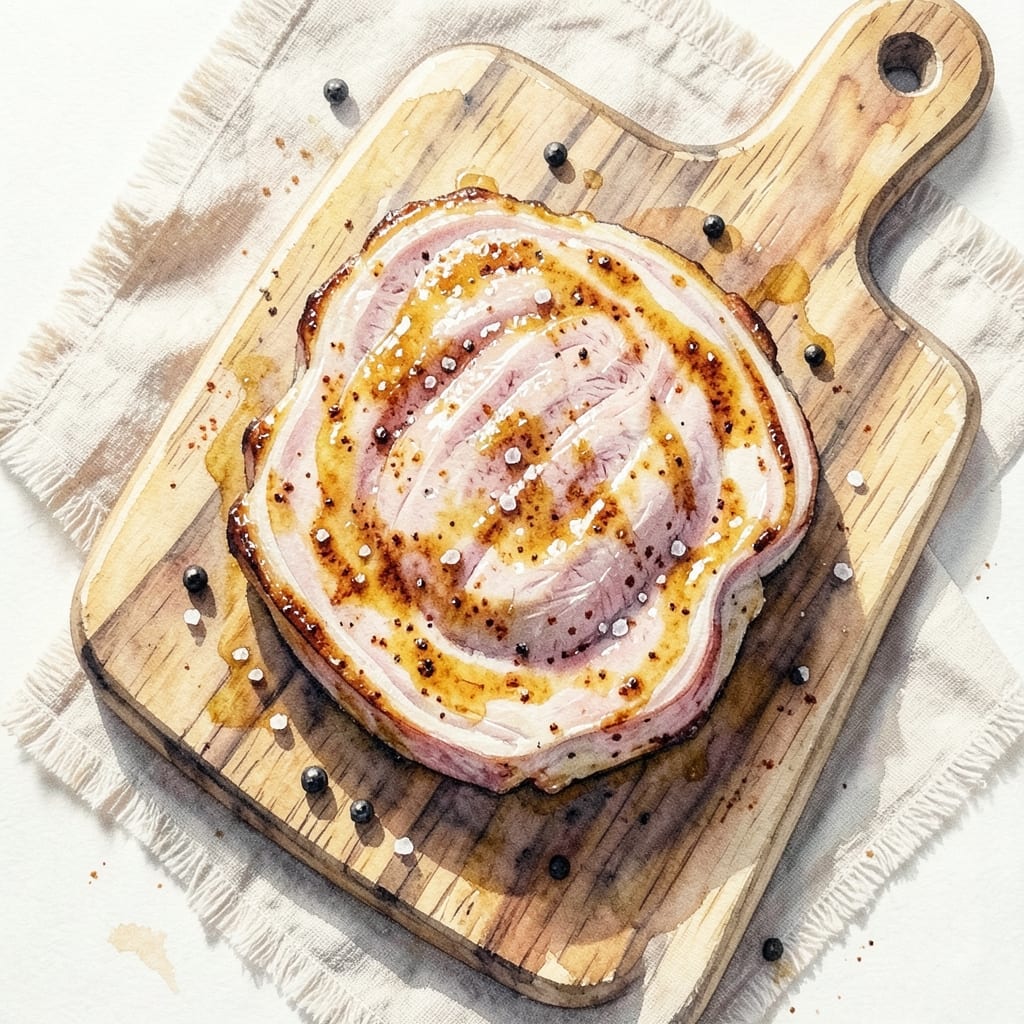
A smoky-spiced crust that transforms tough pork shoulder into fall-off-the-bone tenderness is what this BBQ rub delivers—moist meat with a crackling exterior every time. I developed this blend after years of perfecting rubs for competitions, where the difference between good and award-winning pork comes down to the seasoning. The key is balancing sweet, smoky, and spicy notes to create a crust that caramelizes beautifully while keeping the meat juicy inside.
This dry rub recipe uses simple pantry staples—no fancy ingredients, just carefully measured spices that work together to build deep flavor. The brown sugar and smoked paprika create that signature bark, while black pepper and garlic powder add complexity. I've tested this blend on everything from smoker-cooked shoulders to oven-roasted pork, and it never fails to impress.
What makes this rub special is how it transforms ordinary pork into something extraordinary. The spices penetrate the meat during the initial sear, locking in moisture while creating that irresistible crust. Whether you're slow-cooking for 8 hours or grilling for 4, this blend ensures your pork shoulder stays moist and develops layers of smoky, spiced flavor that'll have everyone asking for seconds.
The best part? This rub keeps well in an airtight container for up to 6 months, so you can make a big batch and have it ready whenever pork cravings strike. Apply it generously before cooking—don't be shy with the seasoning—and let the smoker or grill work its magic. Your pork shoulder will thank you.
Ingredients for bbq rub recipe for pork shoulder
Nine spices and one sugar create the perfect smoky-spiced crust for pork shoulder.
| Ingredient | Amount | Notes |
|---|---|---|
| Brown Sugar 🍚 | ¾ cup | Light or dark, packed tightly |
| Smoked Paprika 🌶️ | ½ cup | High-quality for authentic smoke |
| Kosher Salt 🧂 | ¼ cup | Diamond Crystal preferred |
| Black Peppercorns 🌶️ | 1 tbsp | Freshly cracked for bold flavor |
| Garlic Powder 🧄 | 2 tbsp | Not garlic salt |
| Onion Powder 🧅 | 1 tbsp | Finely ground for smooth texture |
| Ground Mustard 🌿 | 1 tbsp | Dry, not prepared |
| Ground Cumin 🌿 | 1 tbsp | Toasted for deeper aroma |
| Chili Powder 🌶️ | 1 tbsp | Medium heat preferred |
| Cayenne Pepper 🔥 | 1 tsp | Adjust for desired heat |
The brown sugar is non-negotiable here—it's what creates that signature caramelized bark. Domino or C&H work perfectly, but if you're feeling fancy, raw cane sugar adds subtle molasses notes. Smoked paprika? Penzeys or McCormick Gourmet are my go-tos for that authentic smoky depth. The Diamond Crystal kosher salt is key too—it dissolves more easily than table salt, so the crust forms better. If you're buying whole peppercorns, toast them lightly in a dry pan before grinding for extra complexity. This rub works best when all spices are fresh, so grab them from the bulk bins if possible.
No smoked paprika? Substitute with a mix of regular paprika and a pinch of liquid smoke—about half a teaspoon does the trick. Running low on ground cumin? Toast whole cumin seeds and grind them fresh for a more aromatic profile. The cayenne can be skipped if you're sensitive to heat, but don't omit it entirely—it adds that subtle kick that makes the rub sing. For a sweeter profile, increase the brown sugar to 1 cup and reduce the salt slightly. This blend is designed to be applied generously—don't be shy with the seasoning. A little goes a long way, but more means more flavor.
Store this rub in an airtight container in a cool, dark place where it'll stay potent for up to 6 months. I like to use a glass jar with a metal clasp—it keeps out moisture and makes it easy to scoop. For best results, apply the rub 24 hours before cooking so the spices have time to penetrate the meat. If you're short on time, at least 30 minutes before searing will make a noticeable difference. The rub doubles as a fantastic seasoning for chicken, ribs, or even roasted vegetables—just adjust the amount based on the surface area.
Why You'll Love This Recipe
- Five-Ingredient Magic: I swear by this combo—just brown sugar, smoked paprika, salt, pepper, and garlic powder. No fancy spices, no measuring headaches. The smoked paprika alone gives that deep, smoky backbone, while the brown sugar caramelizes into a sticky, finger-licking crust.
- Pull-Apart Perfection: That crispy bark on the outside? It cracks like a puzzle when you pull it. Honestly, it’s the kind of pork shoulder that makes people pause mid-bite—then ask for the recipe. The garlic powder sneaks in warmth without overpowering, and the kosher salt keeps every bite balanced.
- Leftovers That Last: I make this rub for a big batch of pork shoulder, then turn the rest into sandwiches, tacos, or even breakfast hash. The flavor only gets better after a day or two in the fridge—it’s like the rub mellows into something even richer. (Yes, even on a Tuesday night.)
- Smokehouse in Minutes: No need for a fancy smoker or hours of babysitting. I toss this rub on, slow-cook it low and slow, and walk away. The smoked paprika gives that authentic BBQ vibe without the hassle, and the brown sugar ensures it’s sweet enough to satisfy even the pickiest crowd. Budget-friendly? Absolutely. Stress-free? Even better.
Step-by-step instructions for smoky-spiced pork shoulder rub
This blend delivers the perfect balance of bark and moisture—let's make it together.
Measure and Prepare All Ingredients
Start by gathering all your ingredients and reading through the instructions once. Precision matters here—especially with the brown sugar and smoked paprika. Use a kitchen scale for the 0.75 cup brown sugar if possible, packing it tightly into your measuring cup. The 0.5 cup smoked paprika should be high-quality; you'll notice the difference in depth of flavor.
For the 1 tbsp black peppercorns, freshly cracked is non-negotiable. Use a mortar and pestle or a dedicated pepper grinder—pre-ground pepper loses its punch quickly. The 2 tbsp garlic powder and 1 tbsp onion powder should be finely ground for even distribution. Spread them out on a plate before measuring to prevent clumping.
Combine Dry Ingredients in a Mixing Bowl
In a large mixing bowl, add the 0.75 cup brown sugar, 0.5 cup smoked paprika, 0.25 cup kosher salt, and all remaining dry ingredients: 2 tbsp garlic powder, 1 tbsp onion powder, 1 tbsp ground mustard, 1 tbsp ground cumin, 1 tbsp chili powder, and 1 tsp cayenne pepper.
Use a whisk to break up any sugar crystals and distribute the smoked paprika evenly. This step ensures every grain gets coated with the paprika's smoky essence. If you're making this ahead, cover the bowl with plastic wrap and let it sit for 10 minutes—this allows the flavors to begin melding. The mixture will look coarse at this stage, but that's perfect for maximum adhesion to the pork.
Blend Until Uniform and Aromatic
Transfer the mixture to a food processor fitted with the metal blade. Pulse for 30-45 seconds until everything is finely ground but not powdered. You want visible texture—this helps the rub cling to the pork and develop that coveted bark. Stop occasionally to scrape down the sides and check your progress.
Here's where it gets good: give the mixture a sniff. You should detect layers of sweetness from the brown sugar, deep smokiness from the paprika, and a subtle heat from the cayenne. If it smells flat, you might need to adjust the cayenne or smoked paprika slightly. For maximum flavor development, let the finished rub sit in an airtight container for 24 hours before using—this gives the spices time to fully awaken.
Apply Generously to Pork Shoulder
Pat your pork shoulder completely dry with paper towels—this is crucial for bark development. Working in batches if needed, rub the mixture all over the meat, pressing firmly so it adheres. Don't be shy—you want a thick, even coating. The kosher salt in this blend helps draw out moisture initially, but the brown sugar will caramelize to create that perfect crust while keeping the meat moist underneath.
For best results, let the rubbed pork sit uncovered in the refrigerator for 4-12 hours. This resting period allows the rub to penetrate the meat and develop deeper flavor. If you're short on time, even 30 minutes at room temperature will help. The longer you wait, the more intense the flavor—this is where patience pays off for that restaurant-quality bark.
Pro Tips For Making Bbq Rub Recipe For Pork Shoulder
- CRUSH THE PEPPERCORNS: I used to just eyeball the peppercorns and end up with uneven texture—some gritty, some dust. Grab a rolling pin or heavy mug and crush them lightly first, then pulse in a spice grinder until you’ve got a fine, consistent powder. Too fine? You’ll lose heat. Too coarse? You’ll bite into tiny surprises.
- SALT THE MEAT FIRST: Don’t wait until the last minute to salt the pork shoulder—do it 24 hours ahead if you can. Pat it dry, then slather on 1-2 teaspoons of kosher salt per pound and let it sit uncovered in the fridge. This breaks down the surface proteins, so the rub sticks better and the crust forms faster when you smoke it.
- DON’T SKIP THE GARLIC POWDER TOAST: That garlic powder sitting in your cabinet might be stale—just a hint of flavor left. Toast it in a dry skillet over medium heat for 30 seconds, stirring constantly, until it smells intense and aromatic. Freshly toasted garlic powder makes a real difference in the depth of the rub.
- SMOKE IT HOT THEN LOW: Start your pork shoulder over direct heat (350°F) for the first 30 minutes to render fat and build an initial crust. Then drop the temp to 225°F and let it slow-cook—this two-stage approach keeps the meat juicy and the bark crispy without burning the sugar in the rub. (Yes, even if you’re impatient like me.)
Essential equipment for perfect results
Must-Have Smoker Tools
First up, you'll need a quality smoker—I swear by my Traeger Pellet Grill for consistency, but a traditional offset smoker or even a charcoal grill with a water pan works too. The key is maintaining 225-250°F for those long cooks. I also recommend a meat thermometer with dual probes: one for the smoker temp and one for the pork's internal temperature. The ThermoWorks Smoke is my go-to for accuracy. 🌡️
Prep Essentials
Before applying the rub, gather these prep tools: a sharp boning knife (I use a Victorinox 8-inch for trimming fat), paper towels (for patting dry), and a wire cooling rack. A kitchen scale helps measure the pork precisely—aim for a 4-6 lb pork shoulder for perfect bark-to-meat balance. Don’t skip the plastic wrap for storing rubbed meat overnight.
Rub Application Gear
For even rub distribution, I use disposable latex gloves—they keep my hands clean and make it easy to press the rub into the meat. A large mixing bowl and whisk are essential for blending the spices, but if you're making a big batch, a food processor (like my Cuisinart DLC-2BC) saves time. Keep a fine-mesh strainer handy to sift out any large sugar crystals if needed.
Post-Cooking Tools
After smoking, you’ll need heavy-duty aluminum foil for wrapping (I use Reynolds Wrap), a carving fork, and a meat mallet for tenderizing any stubborn connective tissue. A digital instant-read thermometer (like the Thermoworks Thermapen) ensures you hit 195-203°F internal temp for pull-apart perfection. 💪
Storage Containers
Store your finished rub in an airtight glass jar with a metal clasp lid—I love the Ball Mason Jars for their seal. For leftovers, use vacuum-sealed bags or glass storage containers with snap lids. Label everything with the date to track freshness. Pro tip: Keep a small spice grinder on hand to refresh old rubs by adding a pinch of fresh smoked paprika or cayenne.
Nutrition facts
Frequently asked questions
Can I use this rub on other meats besides pork shoulder?
This versatile blend works beautifully on chicken thighs, ribs, and even roasted vegetables. For poultry, reduce the cayenne slightly (cut to ½ tsp) to avoid overpowering the delicate flavor. The brown sugar and smoked paprika make it perfect for creating bark on brisket too—just increase the cooking time to 12-16 hours for optimal tenderness.
How do I adjust the heat level in this rub?
For milder heat, reduce the cayenne to ½ tsp or omit it entirely. If you love spice, add an extra ½ tsp cayenne or swap in 1 tsp chipotle powder for smoky heat. Pro tip: Toast the chili powder in a dry pan for 30 seconds before mixing to deepen its flavor without adding more heat.
What's the best way to store leftover rub?
Keep it in an airtight glass jar in a cool, dark place for up to 6 months. For long-term storage, freeze portions in ice cube trays—just thaw overnight in the fridge before using. The spices stay fresher longer this way, and you can revive old rubs by adding ¼ tsp fresh smoked paprika to refresh the flavor.
Why does my pork shoulder sometimes come out dry?
Dryness usually means the meat lost moisture during cooking. Always pat the pork dry before applying rub, and never skip the 4-12 hour rest in the fridge—this helps the rub penetrate evenly. For extra moisture, wrap the pork in butcher paper during the last 2 hours of cooking, or use a water pan in your smoker to maintain humidity.
Can I make this rub without a food processor?
Yes! Use a mortar and pestle or whisk in a bowl to break up sugar crystals and distribute spices evenly. For best texture, pulse in a spice grinder (like a mini coffee grinder) for 10-15 seconds. The key is achieving a coarse, even consistency—this helps the rub stick to the meat and develop that perfect crust.