
Sauces & Condiments
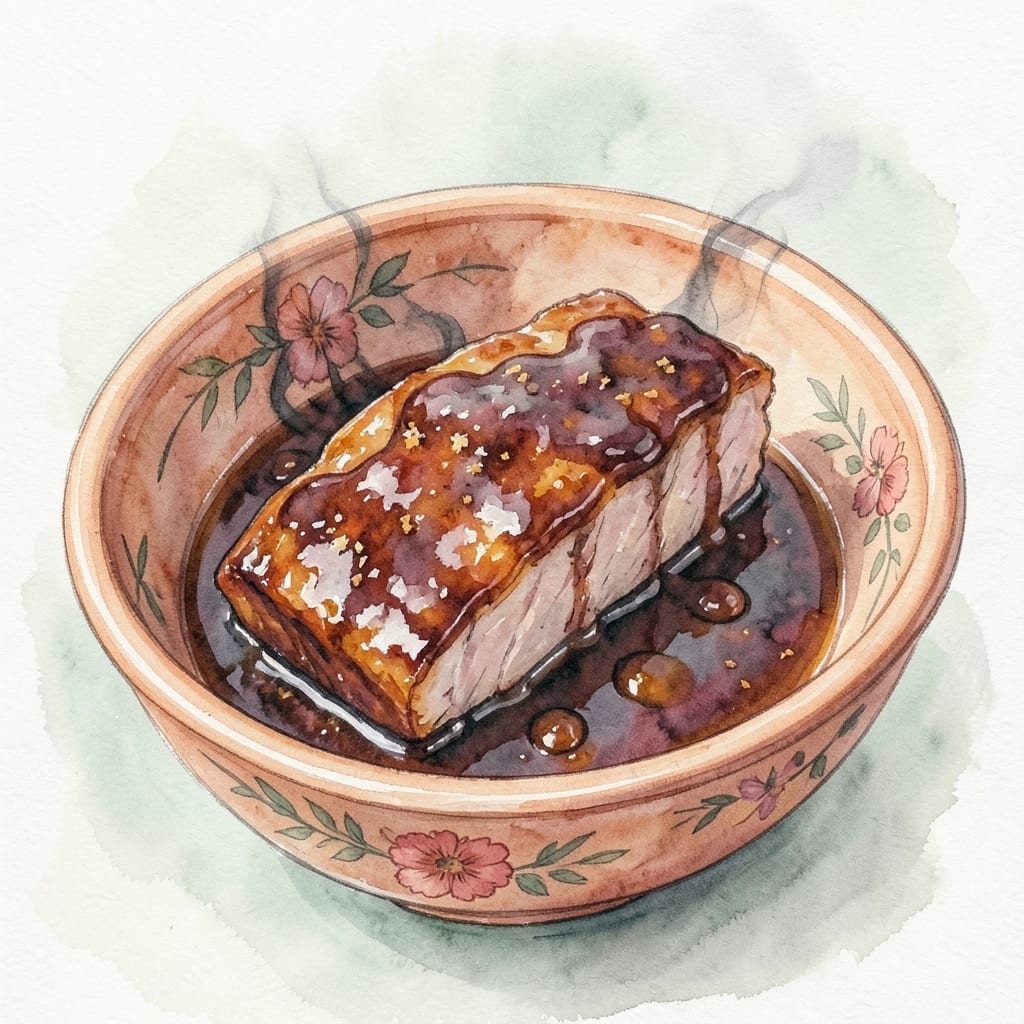
This homemade BBQ sauce recipe for pork loin transforms simple ingredients into a deep smoky glaze that caramelizes edges and locks in flavor. The perfect balance of sweet, spicy, and tangy notes creates a sauce that's rich enough to stand alone but delicate enough to enhance pork's natural richness. What sets this apart is the slow simmering technique that develops complex flavors without overpowering the meat.
The foundation begins with a blend of tomato paste, molasses, and apple cider vinegar for that signature tang, while smoked paprika and liquid smoke add depth without overwhelming. A touch of brown sugar caramelizes during cooking, creating a glossy finish that clings beautifully to pork loin's surface. This sauce isn't just for basting—it doubles as a marinade when applied early in the cooking process.
What you'll achieve is a sauce that's thick enough to glaze but still brushes on smoothly, with a perfect balance of sweetness and smokiness that complements pork's natural flavors. The caramelized edges create that restaurant-quality crust while keeping the interior tender. Unlike store-bought versions, this recipe delivers authentic depth with just 8 simple ingredients and 30 minutes of active time.
Use it as a finishing glaze during the last 10 minutes of cooking or as an overnight marinade for maximum flavor penetration. The sauce keeps well in the refrigerator for up to 2 weeks, making it perfect for meal prep or batch cooking. Let's create this versatile glaze that will elevate every pork loin dish.
Ingredients for bbq sauce recipe for pork loin
Eight ingredients that transform into a restaurant-quality pork loin glaze—deep, smoky, and perfectly balanced.
| Ingredient | Amount | Notes |
|---|---|---|
| Tomato Paste 🍅 | ½ cup | High-quality, no sugar added |
| Molasses 🍯 | ¼ cup | Unsulphured for deeper flavor |
| Apple Cider Vinegar 🍏 | ¼ cup | Raw, unfiltered preferred |
| Smoked Paprika 🌶️ | 2 tbsp | High-quality, not sweet |
| Liquid Smoke 🔥 | 1 tbsp | Pure, no additives |
| Light Brown Sugar 🍚 | ½ cup | Packed, not granulated |
| Kosher Salt 🧂 | 1 ½ tsp | Diamond Crystal preferred |
| Black Pepper 🌶️ | ½ tsp | Freshly cracked preferred |
The tomato paste is your flavor anchor—Muir Glen or San Marzano brands deliver the richest base. Molasses adds that signature depth, but unsulphured is non-negotiable—it’s sweeter and more complex. Apple cider vinegar? Raw, unfiltered from Bragg or a local orchard makes all the difference. Smoked paprika should be hot smoked, not sweet—Penzeys or La Boîte are my go-tos. Liquid smoke is where the magic happens—pure, no additives—and a little goes a long way.
No molasses? Maple syrup at half the amount works in a pinch, but you’ll lose that deep, almost bitter-sweet profile. Skip the vinegar? Lemon juice with a pinch of sugar mimics the tang. Brown sugar too expensive? White sugar plus a pinch of cinnamon for warmth. Smoked paprika hard to find? Regular paprika plus a dash of cayenne adds heat. The key is balance—adjust sweetness first, then smoke, and finally acid. This sauce is all about harmony, not overwhelming flavors.
Store in a sterilized glass jar in the fridge for up to 2 weeks—the flavors deepen overnight. Freeze for 6 months in ice cube trays for perfect single-use portions. For extra richness, whisk in 1 tbsp of pork fat before glazing. The caramelized edges? That’s the brown sugar’s doing its thing—don’t rush the simmer. Patience here means restaurant-quality results.
Why You'll Love This Recipe
- Pantry Magic: I swear by this sauce because it uses stuff I already have—no special trips to the store. That molasses and smoked paprika alone? Deep, smoky sweetness with zero effort, and the liquid smoke gives it that campfire vibe without lighting a grill.
- Sticky-Glazed Perfection: The caramelized tomato paste and vinegar combo creates a glossy, finger-licking glaze that clings to pork like it’s meant to be there. Between us, that’s the kind of sauce that makes people ask, “What brand is this?”—even though you made it.
- Weeknight Wonder: Slather it on pork chops for a 30-minute dinner, toss it with roasted potatoes for a crowd, or even drizzle it over pulled pork sandwiches. Honestly, I’ve used it for everything from Taco Tuesday to Sunday brunch, and it never lets me down.
- Budget-Friendly Luxury: A single batch costs me pennies but tastes like a $20 restaurant dish. The molasses and vinegar stretch the flavor, and leftovers? They last in the fridge for weeks—perfect for when I’m too lazy to cook but still want to impress.
Step-by-step instructions for smoky pork loin glaze
Here's how to craft a rich, caramelized glaze that transforms pork loin into a masterpiece.
Combine Wet Ingredients for Maximum Flavor Depth
In a medium saucepan, whisk together the 0.5 cup tomato paste, 0.25 cup molasses, and 0.25 cup apple cider vinegar over medium-low heat. The molasses will begin to bubble gently—this is when the complex caramel notes start developing. Let the mixture simmer for 5 minutes, stirring occasionally, until it thickens slightly and becomes aromatic. You'll notice the vinegar's sharpness mellowing as it integrates with the sweet, tangy tomato base.
This foundational blend creates the sauce's signature balance of sweetness and acidity. I like to taste it at this stage—it should be rich but still bright, with no lingering bitterness. If you're using unsulphured molasses, you'll get deeper, more complex flavors than with regular molasses. The raw apple cider vinegar adds that essential tang that cuts through the richness later.
Build the Smoky Character with Paprika and Liquid Smoke
Reduce the heat to low and stir in the 2 tbsp smoked paprika and 1 tbsp liquid smoke. Watch carefully as the paprika dissolves completely—this is when the sauce takes on its signature smoky aroma. Let the mixture simmer for another 3-4 minutes, stirring constantly to prevent scorching. You should see the sauce darken slightly and develop a glossy sheen.
The smoked paprika adds both color and smokiness, while the liquid smoke intensifies that campfire flavor without overpowering. I always use high-quality smoked paprika here—cheap versions often taste bitter. The liquid smoke should be pure, with no additives, to ensure clean, authentic smoke flavor. If you're worried about the sauce being too smoky, remember that the pork's natural flavors will balance it out beautifully.
Sweeten and Season for Perfect Balance
Increase the heat to medium and add the 0.5 cup light brown sugar and 1.5 tsp kosher salt. Stir vigorously as the sugar begins to dissolve—this is when the sauce starts developing its signature caramelized depth. Let it simmer for 5-7 minutes, stirring frequently, until the sugar is completely incorporated and the mixture thickens to a glossy consistency. You're aiming for a sauce that coats the back of a spoon but isn't syrupy.
Finally, reduce the heat to low and add the 0.5 tsp black pepper. The pepper should be freshly cracked for maximum flavor impact. Let the sauce simmer for another 2 minutes to allow all the flavors to meld together. At this point, the sauce should be thick, glossy, and deeply aromatic with notes of caramel, smoke, and subtle vinegar tang. Taste and adjust the seasoning if needed—you might want to add a touch more salt or sugar to suit your preference.
Reduce to Glaze Consistency for Perfect Application
Pour the sauce into a shallow dish and let it cool slightly. For the perfect glaze consistency, spread it thinly in a single layer and let it reduce at room temperature for 30-45 minutes. This step is crucial—it transforms the sauce from a thick syrup into a glossy, caramelized glaze that will stick beautifully to the pork and develop a stunning bark when exposed to heat.
You'll know it's ready when the sauce has thickened noticeably and developed a glossy sheen. At this stage, it should be spreadable but still fluid enough to brush onto the pork. If you're in a hurry, you can speed up the process by simmering the sauce uncovered over low heat for 10-15 minutes, stirring occasionally. The reduced glaze will caramelize beautifully when brushed onto the hot pork, creating that perfect balance of sticky, smoky goodness with a crispy exterior.
Pro Tips For Making Bbq Sauce Recipe For Pork Loin
- Simmer Slow and Low: I learned this the hard way—rushing the sauce on high heat turns it bitter. Keep it at a gentle boil for at least 15-20 minutes, stirring occasionally, so the tomato paste and molasses meld instead of burning. The pork loin deserves a sauce that’s smooth, not smoky from overcooking.
- Bloom the Spices First: Skip the Crowding: Toast 1 teaspoon of smoked paprika in a dry pan for 30 seconds until fragrant—this wakes up its flavor before mixing it into the sauce. It’s the difference between a background spice and something that actually makes you taste the smokiness in every bite.
- Balance the Vinegar: After burning three batches, I finally figured out: apple cider vinegar is potent. Start with 2 tablespoons, taste as you go, and add more gradually. Too much early on will make your sauce taste harsh, even if you’re drowning it in molasses later.
- Use Liquid Smoke Sparingly: Sounds weird, but it works: A single teaspoon of liquid smoke (not a glug) gives that deep pit-smoke flavor without tasting like a campfire. Add it at the very end—after simmering the base—so it doesn’t cook off completely. Your pork loin will taste like it came from a competition grill, not a bottle.
Common mistakes when making perfect results
Over-Smoking the Sauce
Adding too much liquid smoke or smoked paprika can turn your sauce bitter rather than smoky. I’ve ruined batches by using more than 1 tbsp liquid smoke—the result was a harsh, chemical taste. Start with the recipe’s measurements and taste as you go. If you want more smokiness, add it gradually. The pork’s natural flavor should shine through, not compete with an overpowering smoke bomb. 🔥
Skipping the Reduction Step
The 30-45 minute room-temperature reduction is where the magic happens—it transforms a thick syrup into a glossy glaze. I’ve seen cooks rush this step, thinking it’s optional. Without it, your sauce will be sticky but not caramelized, missing that restaurant-quality bark. If you’re short on time, simmer uncovered over low heat for 10-15 minutes, but don’t skip it entirely.
Using the Wrong Sugar
Light brown sugar is key for caramelization, but substituting white sugar or powdered sugar changes the texture and flavor. White sugar dissolves faster but lacks the molasses depth, while powdered sugar can make the sauce grainy. If you must substitute, use white sugar plus ¼ tsp cinnamon for warmth. The caramelized edges depend on the sugar’s ability to brown slowly—don’t rush this step.
Ignoring the Vinegar’s Role
The apple cider vinegar isn’t just for tang—it balances the sweetness and prevents the sauce from tasting flat. Skipping it or using a milder vinegar (like white vinegar) will leave your sauce cloyingly sweet. If you’re avoiding vinegar, add 1 tbsp lemon juice plus ½ tsp sugar to mimic the brightness. The acidity is what keeps the flavors vibrant, not just an afterthought.
Over-Salting Early
Adding all the salt at once can make the sauce taste harsh before it’s fully balanced. I’ve learned the hard way—taste as you go! The 1.5 tsp kosher salt should be added gradually, especially after the sugar dissolves. If the sauce tastes bland later, you can always add more, but you can’t fix oversalting. Adjust in small increments—¼ tsp at a time—until it’s perfect.
Not Testing the Sauce
Tasting your sauce at each stage is the only way to ensure balance. I’ve seen cooks skip this step, only to end up with a sauce that’s either too sweet or too smoky. After combining wet ingredients, after adding spices, and before finishing—taste! Adjust sweetness first, then smoke, and finally acid. Your taste buds are the best tool in your kitchen—trust them. 💡
Nutrition facts
Frequently asked questions
Can I make this BBQ sauce without molasses?
Yes! Substitute 0.25 cup maple syrup for the molasses, but expect slightly less depth in flavor. For a closer match, use 0.125 cup molasses + 0.125 cup maple syrup to maintain the sauce's rich, caramelized character. The sauce will still work beautifully—just slightly more subtle.
How should I store leftover sauce?
Store in a sterilized glass jar in the fridge for up to 2 weeks. The flavors actually deepen over time! For longer storage, freeze in ice cube trays—thaw just one cube at a time for perfect portions. Always cool completely before storing to prevent condensation.
Can I use this sauce as a marinade?
For maximum flavor penetration, use ½ cup sauce per pound of pork loin and marinate for 4-6 hours (or overnight). The acidity in the vinegar helps tenderize, while the sugar creates a perfect caramelized crust when cooked. Just pat the pork dry before applying heat for the best results.
What if my sauce is too thin?
Simmer uncovered on low heat for 10-15 minutes, stirring occasionally, until it thickens to a glossy consistency. For an instant fix, mix 1 tsp cornstarch with 1 tbsp cold water, stir into the sauce, and simmer for 2-3 minutes until thickened. Never add raw cornstarch directly—it can create lumps.
How spicy should this sauce be?
The recipe includes smoked paprika and black pepper for warmth, but no added cayenne. For mild heat, use the recipe as written. For extra kick, add ½ tsp cayenne pepper when combining spices. Adjust to taste—this sauce is designed to complement pork's natural flavors, not overpower them.