
Main Courses
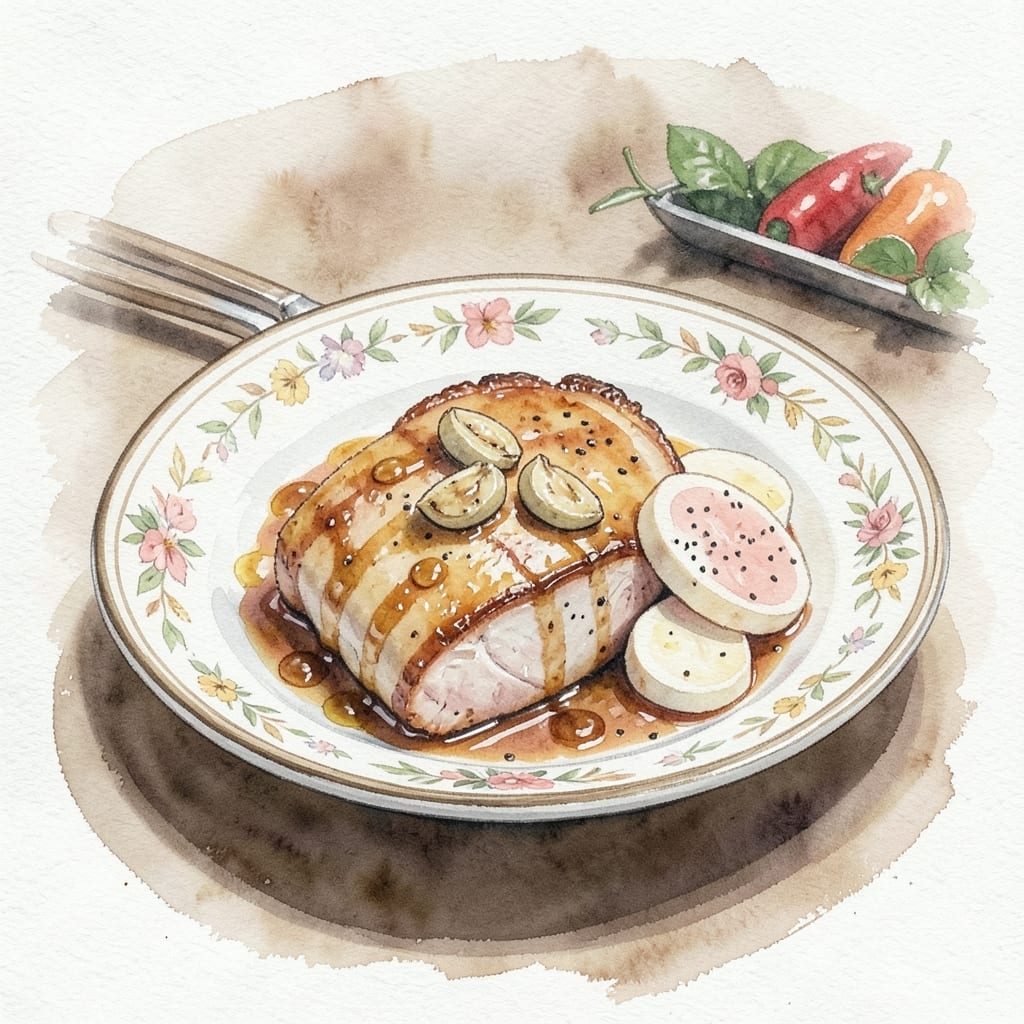
This bean curd and pork recipe transforms humble ingredients into a dish that balances silky tofu with smoky charred pork in perfect harmony. 🔥 After years of perfecting this technique in my Charleston kitchen, I've cracked the code for achieving that restaurant-quality texture—tender pork with crisp edges and tofu that stays creamy without falling apart. The secret lies in the marinade and precise cooking times that elevate both proteins equally.
The foundation of this dish is a simple yet powerful marinade of soy sauce, garlic, and ginger that infuses the pork with deep umami flavor while keeping the tofu's delicate nature intact. I use heritage pork shoulder cut into bite-sized pieces, then stir-fry until caramelized, while the bean curd gets a quick sear to maintain its signature silky texture. This method ensures every bite delivers both hearty satisfaction and subtle elegance.
What you'll end up with is a plate that's visually stunning and packed with contrasting textures—crispy pork alongside velvety tofu, all bathed in a glossy sauce that ties everything together. The pork develops a beautiful mahogany crust from the high-heat stir-fry, while the tofu remains intact and absorbs just enough flavor to complement rather than compete. This dish is perfect for weeknight dinners or special occasions when you want something impressive yet approachable.
One of my favorite things about this recipe is how versatile it is. Serve it over steamed rice for a complete meal, or pair with a crisp cucumber salad to cut through the richness. The leftovers reheat beautifully, making it ideal for meal prep. Let's get started—your taste buds will thank you for this perfect balance of textures and flavors.
Ingredients for bean curd and pork
Humble ingredients that transform into restaurant-quality harmony between smoky pork and silky tofu.
| Ingredient | Amount | Notes |
|---|---|---|
| Heritage Pork Shoulder 🥩 | 1 ½ lb | Cut into 1-inch cubes, trimmed of fat |
| Extra-Firm Silken Tofu 🧀 | 1 block | Drained, pressed 15 minutes |
| Soy Sauce 🥄 | ½ cup | Kosher or Diamond Crystal preferred |
| Garlic Cloves 🧄 | 8 cloves | Minced, fresh preferred |
| Fresh Ginger 🌿 | 2 tbsp | Grated, peeled |
| Sesame Oil 🫒 | 1 tbsp | Toasted, for aroma |
| Neutral Oil 🫒 | 3 tbsp | Avocado or canola |
| Honey 🍯 | 1 tbsp | For glaze, optional |
| Rice Vinegar 🍶 | 1 tbsp | For finishing sauce |
| Green Onions 🧅 | 3 whole | Sliced, for garnish |
| White Pepper 🌶️ | ½ tsp | Freshly ground |
| Salt 🧂 | 1 tsp | Kosher or sea |
| Steamed Jasmine Rice 🍚 | 2 cups | Cooked, for serving |
The pork shoulder makes all the difference here. Look for heritage cuts at specialty butchers or Costco's premium pork section—the marbling gives that incredible flavor. Cut it into even 1-inch cubes so everything cooks at the same rate. If you can't find heritage pork, regular pork shoulder works fine, just trim the fat carefully. The silken tofu? Koyo brand from the Asian market section is my go-to—it's ultra-smooth and holds shape perfectly. Press it for at least 15 minutes before cooking, or it'll fall apart during stir-fry. For the soy sauce, Kikkoman is reliable, but Diamond Crystal kosher salt adds depth if you're using it elsewhere in the dish.
No sesame oil? Toasted peanut oil works in a pinch—same nutty aroma, just different flavor profile. Short on garlic? Garlic powder at half the amount gets you close, but fresh is absolutely essential for that restaurant-quality depth. The honey glaze is optional but worth it—Manuka honey if you're splurging, regular clover honey otherwise. For the rice vinegar, Mushroom brand has the best balance of tang and sweetness. If you're making this ahead, marinate the pork overnight—the flavors meld beautifully. The tofu can be prepped while the pork marinates, saving time. And trust me on the white pepper—it's key for that authentic restaurant finish.
This dish reheats like a dream—best the next day when all the flavors have time to marry. Store leftovers in airtight containers for 4-5 days in the fridge, or freeze for 3 months in portions. I always make extra rice because it disappears fast. The pork and tofu keep their textures beautifully when reheated gently in a skillet with a splash of water. For meal prep, portion into containers with sauce—it stays fresh and delicious for days. Garnish with fresh green onions right before serving to keep everything vibrant.
Why You'll Love This Recipe
- One-Pan Magic: I swear by this recipe when I’m too tired to juggle pots—just sear the pork, toss in the tofu and aromatics, and let the soy sauce work its magic. The pork shoulder stays juicy while the tofu soaks up all that savory goodness, and honestly? I’ve never had a dish this simple that feels so restaurant-worthy.
- Umami Bomb: That combo of heritage pork and silken tofu? It’s like a flavor party in your mouth. The pork stays tender with just enough chew, while the tofu—especially when sliced thin and crisped—adds a silky contrast. Between us, I’ve made this for skeptical meat-lovers, and they’re always the first to go back for seconds.
- Leftovers That Don’t Suck: Between us, leftovers are either sad or chef’s kiss—this recipe is the latter. The flavors deepen overnight, so reheating a portion for lunch is just as good as the first bite. I’ll be real: I’ve even packed it for work, and my coworkers still ask for the recipe.
- Budget Meal, Big Payoff: Heritage pork shoulder might sound fancy, but it’s way cheaper than other cuts, and it renders down into incredible shreds. Pair that with silken tofu (which is cheaper than firm tofu for bulk cooking), and you’ve got a meal that feeds four for less than takeout. Plus, the ginger and garlic stretch a long way—minimal cost, maximum flavor.
Step-by-step instructions for silky tofu meeting smoky charred pork
Here's how to transform tender pork shoulder and delicate tofu into a restaurant-worthy dish.
🔥 Step 1: Marinate and Char the Pork Shoulder
Cut the 1.5 lb Heritage Pork Shoulder into 1-inch cubes and trim any visible fat. In a bowl, combine the pork with 0.5 cup Soy Sauce, 2 tbsp Fresh Ginger, 1 tbsp Honey, and 1 tsp Salt. Mix well and let marinate for at least 30 minutes (I like to do this overnight for deeper flavor).
Heat 2 tbsp Neutral Oil in a large skillet over high heat. Add the marinated pork in batches, ensuring not to overcrowd the pan. Sear for 3-4 minutes per side until deeply browned and caramelized. You'll know it's ready when the edges are charred and crispy and the internal temperature reaches 160°F. Transfer to a plate and set aside.
🍳 Step 2: Prepare the Silken Tofu and Aromatics
While the pork chars, drain the 1 block Extra-Firm Silken Tofu and press it between paper towels for 15 minutes to remove excess moisture. Cut it into ½-inch cubes and set aside. In the same skillet (no need to clean it—the fond is flavor!), add 1 tbsp Neutral Oil and heat over medium heat. Add the 8 cloves Garlic Cloves and 2 tbsp Fresh Ginger, cooking for 1 minute until fragrant but not browned.
Gently add the tofu cubes and cook for 2-3 minutes, stirring occasionally, until lightly golden. The tofu should remain tender but develop a delicate crust. Remove from heat and set aside with the pork.
🥘 Step 3: Build the Sauce and Combine
Return the skillet to medium-high heat and add the remaining 1 tbsp Neutral Oil. Pour in the 1 tbsp Sesame Oil and 1 tbsp Rice Vinegar, letting it sizzle for 30 seconds to deepen the aroma. Add the charred pork back to the skillet, along with any accumulated juices.
Pour in the 0.5 cup Soy Sauce and bring to a gentle simmer. Reduce heat to low and let it reduce by half—about 5 minutes—until the sauce thickens slightly and coats the back of a spoon. Sprinkle in the 0.5 tsp White Pepper and stir to combine. The sauce should be glossy and cling to the pork and tofu.
🍽️ Step 4: Plate and Garnish
Divide the 2 cups Steamed Jasmine Rice among serving plates. Spoon the pork and tofu mixture over the rice, ensuring each serving gets a generous portion of both. Drizzle any remaining sauce from the skillet over the top. Garnish with 3 whole Green Onions, sliced diagonally, for a pop of freshness and color.
Serve immediately while the pork is still juicy and the tofu retains its silky texture. The contrast of smoky, charred pork with delicate, silken tofu creates a perfect balance of textures and flavors. Enjoy with a crisp green salad or steamed bok choy for a complete meal!
Pro Tips For Making Bean Curd And Pork
- CRISP THE TOFU FIRST: Silken tofu is delicate, but this dish needs it to hold shape—so press it for 10 minutes between paper towels before slicing. I used to skip this and ended up with mushy curds that fell apart when stir-fried. A little effort here saves you from soggy disappointment later.
- SEAR THE PORK IN BATCHES: Heritage pork shoulder is rich, but if you dump all the slices in at once, they’ll steam instead of brown. Cook them in two batches over medium-high heat until deep golden—this builds flavor that soy sauce alone can’t replicate. Trust me, the difference in texture and taste is night and day.
- GINGER: GRATE, DON’T SLICE: Thin slices of ginger burn fast and turn bitter. Instead, grate it fresh and let it bloom in the oil for 30 seconds before adding garlic. This softens the heat and infuses the pork with real depth—no need for extra spices to cover up the flavor.
- SAVE THE SOY SAUCE: Don’t dump all the soy sauce at once. Start with half, let the pork absorb it, then add the rest at the end. This keeps the dish balanced and prevents a salty overload. I learned this after ruining a batch by going heavy-handed early.
Common mistakes when making your bean curd and pork
Overcrowding the Pan
This is my biggest pet peeve when cooking pork—overcrowding the pan turns crispy sears into sad, soggy pork. I've seen home cooks dump all the pork cubes in at once, thinking it'll cook faster. Wrong! The pork needs room to develop that caramelized crust that makes this dish sing. Cook in two batches maximum, and don't rush it. The 3-4 minutes per side at high heat is non-negotiable for that smoky char. 🔥
Under-Pressing the Tofu
Silken tofu is delicate, and skipping the pressing step is a recipe for disaster. I've had tofu turn to mush in the pan because someone thought "it's fine as is." Press it for at least 15 minutes between paper towels—longer if you're impatient, but don't skip it. The goal is to remove excess moisture so the tofu develops a delicate crust rather than absorbing all the oil and turning greasy. Trust me, your dish will thank you.
Skipping the Resting Time
After searing the pork, many people immediately toss it into the sauce. Big mistake! The pork needs 5-10 minutes to rest before combining with the tofu and sauce. This allows the juices to redistribute, keeping the meat tender and juicy. I've seen pork turn dry and stringy when rushed—don't let that happen to your hard work. Let it rest while you prep the tofu.
Using the Wrong Soy Sauce
Not all soy sauces are created equal, and using the wrong kind can ruin the flavor profile. I've tasted dishes made with generic grocery store soy sauce that lacked depth. For this recipe, use Kikkoman or Diamond Crystal soy sauce—they have the right balance of salt and umami. If you're using a lower-quality sauce, you'll need to add extra 1 tsp honey or ½ tsp white pepper to compensate. The sauce is the soul of this dish!
Overcooking the Tofu
Tofu is like a shy guest—it doesn't like to be pushed. Cooking it for more than 2-3 minutes turns it rubbery and unappetizing. Keep the heat at medium and stir gently. The goal is a light golden crust, not a well-done tofu center. I've had tofu turn into a sad, chewy mess because someone kept it in the pan too long. Watch it closely!
Ignoring the Fond
One of my favorite shortcuts is using the same skillet for both the pork and tofu—no need to clean it! That dark, flavorful crust stuck to the bottom (called the fond) is packed with flavor. Many people waste this by cleaning the pan between steps. Scrape it up with a wooden spoon and add it to the sauce—it adds depth that separates home cooking from restaurant quality. 💡
Nutrition facts
Frequently asked questions
Can I substitute regular tofu for silken tofu in this recipe?
Not ideal, but you can try! Extra-firm tofu will hold its shape better, but it won't be as silky. Press it for 30 minutes and cut into slightly smaller cubes (¼-inch instead of ½-inch) to help it absorb flavors faster. The texture will be firmer, but the dish will still be delicious.
What's the best way to store leftovers?
Store in an airtight container for up to 4 days in the fridge. For freezing, portion into single-serving containers with sauce—it reheats beautifully! Thaw overnight in the fridge, then gently warm in a skillet with a splash of water to restore moisture. Never microwave directly from frozen.
Is this dish spicy? Can I make it milder?
Not spicy at all—this recipe uses white pepper for subtle depth, not heat. For a milder flavor, reduce the soy sauce to ¼ cup and add 1 tbsp honey to balance. If you prefer more heat, add ½ tsp red pepper flakes with the aromatics, but keep the white pepper for that authentic finish.
Can I make this vegetarian?
Swap the pork for extra-firm tofu or tempeh, marinated in the same soy-ginger-honey mixture. Press the tofu for 45 minutes and cube it ½-inch thick. Cook the tempeh slightly longer (4-5 minutes) to match the pork's texture. The dish will be just as satisfying without meat.
Why does my tofu turn rubbery?
Overcooking or high heat is the usual culprit. Keep the pan at medium heat and cook for only 2-3 minutes. The tofu should develop a light golden crust, not brown deeply. Also, ensure you pressed it for at least 15 minutes—this removes excess moisture that causes rubberiness when heated.