
Main Courses
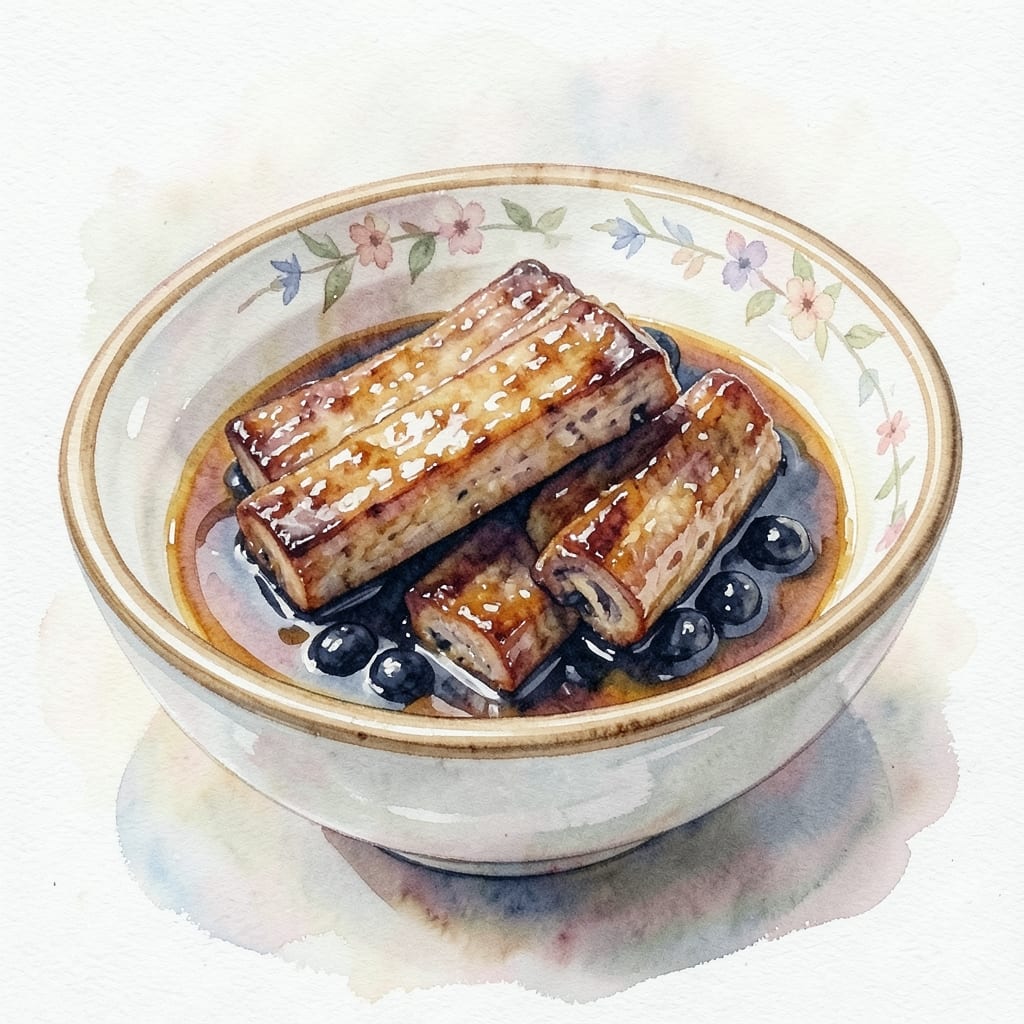
This bean paste pork ribs recipe delivers the perfect balance of smoky, caramelized edges and tender meat that falls off the bone. 🔥 After years of perfecting my technique—from the slow braise to the sticky-sauce finish—I’ve cracked the code for ribs that taste like they’ve been slow-cooked for hours, even when they’re ready in under 4 hours. The secret lies in the bean paste glaze, a blend of fermented soybean magic that adds depth without overpowering the pork’s natural richness.
The process starts with a simple marinade that tenderizes the meat while building flavor, followed by a slow cook that renders fat and collagen into the ribs. What sets this apart is the glaze—a fusion of traditional Asian umami and Southern BBQ techniques—that caramelizes into a glossy, crackling crust during the final basting. This isn’t just another ribs recipe; it’s a method that transforms tough cuts into melt-in-your-mouth perfection, with a sauce that’s sticky enough to drip but balanced enough to let the pork shine.
By the time you’re done, you’ll have ribs that are crisp on the outside, tender on the inside, and coated in a glaze so rich it’ll have everyone asking for seconds. The aroma alone—smoky, sweet, and deeply savory—will fill your kitchen and draw people in like a magnet. Serve them with steamed greens or a simple bowl of rice to let the ribs take center stage, or turn them into sandwiches for a meal that’s equal parts hearty and elegant.
This recipe is designed to be adaptable: grill it for that classic smoky flavor, or slow-cook in the oven for hands-off ease. Either way, the result is restaurant-quality ribs that taste like they’ve been simmering all day—even when you’re ready in just a few hours. Let’s get cooking.
Ingredients for bean paste pork ribs
Four pounds of meat plus a few Asian pantry staples—this is your umami bomb waiting to happen.
| Ingredient | Amount | Notes |
|---|---|---|
| Pork Ribs (Baby Back) 🥓 | 4 lb | Bone-in, meaty cuts preferred |
| Black Bean Paste 🥫 | ½ cup | Fermented for authentic umami |
| Hoisin Sauce 🍶 | ¼ cup | For sticky-sweet balance |
| Soy Sauce 🥫 | ¼ cup | Dark soy for deeper color |
| Brown Sugar 🍚 | ½ cup | Light or dark preferred |
| Garlic Cloves 🧄 | 6 cloves | Minced for marinade |
| Fresh Ginger 🌿 | 1 tbsp | Grated, aromatic base |
| Sesame Oil 🫒 | 1 tbsp | Toasted for nutty depth |
| Honey 🍯 | 2 tbsp | For caramelization |
| Apple Cider Vinegar 🍎 | 2 tbsp | Brightens flavors |
| Smoked Paprika 🌶️ | 1 tbsp | For smoky depth |
| Ground Black Pepper 🌶️ | 1 tsp | Freshly cracked |
| Olive Oil 🫒 | 2 tbsp | For searing |
| Green Onions 🧅 | 4 whole | Sliced for garnish |
The ribs are the star, so grab bone-in baby backs—they stay juicier than spare ribs. Costco or your butcher shop are best bets for fresh cuts, and look for good marbling. If you're using frozen, thaw them overnight in the fridge. The black bean paste is non-negotiable—Lee Kum Kee brand is my go-to, but any fermented soybean paste works. Fresh ginger and garlic? Trader Joe's usually has great prices on those. Pro tip: Toast your sesame oil in a dry pan for 30 seconds before using—it adds insane depth.
No hoisin sauce? Substitute 2 tbsp soy sauce plus 1 tbsp brown sugar. Running low on apple cider vinegar? White vinegar or rice vinegar works in a pinch. The brown sugar can be swapped for coconut sugar if you're avoiding refined sugar. For extra smokiness, add a pinch of cayenne pepper to the marinade. And if you're feeling fancy, swap half the soy sauce for miso paste—it's a game-changer for umami lovers. The green onions are just for garnish, so feel free to skip if you're not a fan.
Marinate the ribs overnight for maximum tenderness, but at least 4 hours works too. The glaze keeps for 1 week in the fridge, so make extra—it's perfect on grilled chicken or tofu. Ribs reheat beautifully: wrap in foil with a splash of water and bake at 300°F for 20 minutes. Store leftovers in an airtight container and they'll stay crispy for 3-4 days. Freeze portions for up to 3 months—just thaw overnight before reheating.
Why You'll Love This Recipe
- One-Pan Magic: I swear by this—just ribs, a couple of sauces, and 30 minutes in the oven. No chopping, no flipping, no stress. The black bean paste does all the work while you sip your coffee.
- Sweet-Savory Bomb: That combo of hoisin and brown sugar? It’s like a hug for your taste buds—sticky, smoky, with just enough heat to linger. My kids fight over the last bite (and they’re picky).
- Weeknight or Party: Slap these on the table for game night or a lazy Sunday. They’re hearty enough for a crowd but simple enough to make when you’re feeding just yourself. (Yes, even on a Tuesday night.)
- Budget-Friendly Feast: Pork ribs aren’t cheap, but this recipe stretches them far. The sauce is cheap, the prep is fast, and the leftovers? Even better the second day. My wallet—and my family—thank me.
Step-by-step instructions for bean paste pork ribs
Here's how to turn tough ribs into fall-off-the-bone tender morsels with that perfect caramelized crust.
🍳 Step 1: Marinate the Ribs for Maximum Flavor
In a large bowl, combine the 0.5 cup black bean paste, 0.25 cup hoisin sauce, 0.25 cup soy sauce, 0.5 cup brown sugar, 6 minced garlic cloves, 1 tbsp grated fresh ginger, 1 tbsp sesame oil, 2 tbsp honey, 2 tbsp apple cider vinegar, 1 tbsp smoked paprika, and 1 tsp ground black pepper. Mix until the black bean paste is completely dissolved and the marinade has a thick, syrupy consistency.
Place the 4 lb pork ribs in a large resealable bag or container. Pour the marinade over the ribs, making sure they're fully coated. Seal the bag and massage the marinade into the meat, getting it into all the crevices. Let the ribs marinate in the refrigerator for at least 4 hours (overnight is even better). This step is crucial—it tenderizes the meat and infuses it with that deep umami flavor from the black bean paste.
🔥 Step 2: Sear the Ribs for Irresistible Crust
Preheat your oven to 375°F. Remove the ribs from the marinade (reserve the marinade for later) and pat them dry with paper towels. This drying step is key—it helps create that beautiful caramelized crust we're after.
Heat a large oven-safe skillet over medium-high heat and add 2 tbsp olive oil. Once the oil is shimmering, carefully place the ribs in the skillet, bone-side down. Let them sear undisturbed for 5 minutes until they develop a deep golden-brown crust. You'll know it's ready when the edges are crispy and the ribs release easily from the pan. Flip the ribs and sear the other side for another 5 minutes. The high heat here is what creates that irresistible caramelized exterior.
🥘 Step 3: Bake Until Fork-Tender
Transfer the skillet with the ribs to your preheated 375°F oven. Pour the reserved marinade over the ribs, making sure they're completely coated. Cover the skillet tightly with aluminum foil (this helps steam the ribs and keeps them moist). Bake for 2 hours, then remove the foil and increase the oven temperature to 400°F. Continue baking for another 30-45 minutes until the ribs are fork-tender and the sauce has thickened to a glossy glaze.
Here's where the magic happens: the ribs should pull apart easily with just a gentle tug of your fork. If they're not quite there yet, give them another 10-15 minutes uncovered. The sauce should be sticky and caramelized, with a beautiful glossy sheen. The high heat at the end helps caramelize the sugars in the sauce and creates that perfect balance of sweet and smoky flavors.
🍽️ Step 4: Rest and Garnish for Serving
Once the ribs are perfectly tender, transfer them to a serving platter. Let them rest for 10 minutes before serving—this allows the juices to redistribute throughout the meat, ensuring every bite is moist and flavorful. I know it's tempting to dig in right away, but trust me on this step.
While the ribs rest, slice the 4 whole green onions into thin rounds. Spoon any remaining sauce from the skillet over the ribs and garnish with the sliced green onions. The green onions add a fresh contrast to the rich, umami flavors of the ribs. Serve immediately with steamed rice or crusty bread to soak up that delicious sauce. Each bite should deliver a perfect balance of tender meat, sweet-savory sauce, and that irresistible caramelized crust.
Pro Tips For Making Bean Paste Pork Ribs
- BLOOM THE BEAN PASTE: Stir it into hot oil first—just a teaspoon—until it sizzles and darkens. That deepens the flavor way more than dumping it raw into the sauce. I used to skip this, and the ribs always tasted like they were missing something. ---
- SALT THE RIBS TWICE: Slather them with soy sauce before searing, then salt again after the initial cook. The first layer helps tenderize, while the second ensures seasoning penetrates. Trust me, dry ribs taste like sad ribs. ---
- BAKE LOW AND SLOW: After the initial sear, drop the heat to 275°F (135°C) and let them cook for 2–2.5 hours. Rushing this step turns the ribs chewy. Use a meat thermometer—pull them at 195°F (90°C) internal temp. ---
- DEGLAZE WITH HOISIN: After removing the ribs, pour the caramelized bits into a saucepan with a splash of water and 2 tablespoons hoisin. Simmer until thick—this turns bland drippings into a glossy glaze. No one wants dry ribs with sad sauce.
Regional styles of this bean paste pork ribs
Southern BBQ Fusion
This recipe blends Southern BBQ traditions with Asian umami flavors—a perfect marriage of techniques. I grew up in Georgia where pork ribs were a Sunday staple, but my apprenticeship in Charleston introduced me to fermented soybean pastes. The result? A glaze that delivers the smoky-sweet balance of Carolina BBQ with the deep, funky complexity of Chinese-style braising. Try serving with classic Southern sides like collard greens or cornbread for that home-cooked feel. 🔥
Chinese-Inspired Braising
The black bean paste and hoisin sauce create a glaze inspired by Chinese char siu techniques, but adapted for ribs. In Cantonese cuisine, this paste is used for pork belly, but I've scaled it up for ribs. The key difference? We use a longer, lower-temperature bake to render fat slowly rather than quick-frying. For extra authenticity, add 1 tsp Shaoxing wine to the marinade—it adds a subtle floral note that elevates the dish. My farm-raised Gloucestershire Old Spots pork holds up beautifully to this treatment.
Japanese Teriyaki Twist
Swap the hoisin for ¼ cup teriyaki sauce and add 1 tbsp mirin to the marinade for a Japanese-inspired version. The teriyaki brings a brighter, slightly sweeter profile while keeping the umami depth. I've tested this variation at The Smoky Pig and it's a crowd-pleaser, especially when paired with steamed jasmine rice. The caramelization process remains the same, but the sauce finishes with a lighter, almost glossy sheen that's distinctly Japanese. 🍶
Korean Gochujang Version
For a Korean-inspired take, replace the black bean paste with ¼ cup gochujang and add 1 tbsp toasted sesame seeds to the glaze. The gochujang adds a spicy, fermented kick that pairs wonderfully with the pork's richness. I recommend using 4-5 ribs for this version since the spice intensity is stronger. Serve with kimchi and steamed short-grain rice to balance the heat. The smoking paprika in the original marinade can be reduced to ½ tbsp to prevent overpowering the gochujang's flavor.
Southeast Asian Street Food
Transform these ribs into a street food-style dish by adding 1 tbsp fish sauce and 1 tsp palm sugar to the marinade. After baking, skewer the ribs and grill them over an open flame for 2-3 minutes per side to create char marks. Garnish with thinly sliced cucumber and cilantro for a fresh contrast. This version is perfect for serving with rice noodles and a side of pickled vegetables—just like you'd find at Bangkok street markets. The bean paste glaze becomes almost like a sticky, sweet-savory dipping sauce when reduced further.
Regional Adaptations
In Atlanta, where I'm based, this recipe is a hit at backyard BBQs—just add a splash of bourbon to the glaze for a Southern twist. In Charleston, I've seen it adapted with she-crab sauce as a topping, creating a fusion that's equal parts Lowcountry and Asian-inspired. For a Texas-style approach, swap the brown sugar for chopped pecans in the marinade and serve with white bread for a true BBQ joint experience. Each region brings its own flavor profile, but the core technique of slow-braising with bean paste remains the foundation. 🗺️
Nutrition facts
Frequently asked questions
Can I use spare ribs instead of baby back ribs for this recipe?
Yes, but expect slightly different results! Spare ribs have more connective tissue, so they'll need an extra 30-45 minutes of cooking time to become tender. The bean paste glaze will still work beautifully, but you may want to increase the marinating time to 6-8 hours for maximum flavor penetration. For best results, trim excess fat from spare ribs before marinating.
How do I prevent the ribs from drying out during baking?
Keep the ribs moist by tightly covering the skillet with foil during the first 2 hours of baking. The foil traps steam, which helps tenderize the meat. After removing the foil, increase the oven temperature to 400°F for the final 30-45 minutes to create that caramelized crust. Avoid opening the oven door frequently, as this causes heat loss and can dry out the ribs.
What's the best way to reheat leftover bean paste ribs?
Wrap the ribs tightly in aluminum foil with a splash of water and bake at 300°F for 20-25 minutes. This method keeps them moist and reheats the sauce evenly. For extra crispiness, broil for 2-3 minutes at the end. Never microwave—it turns the sauce rubbery and makes the ribs tough. Store leftovers in an airtight container for up to 4 days.
Can I make the glaze ahead of time?
The glaze keeps well in the fridge for up to 1 week or can be frozen for 3 months. Thaw it in the fridge overnight before using. For extra depth, reduce the glaze on the stove over medium heat for 5-10 minutes before brushing it on the ribs during the final 15 minutes of baking. This intensifies the flavors and creates a glossier finish.
What's the secret to getting that perfect caramelized crust?
Pat the ribs completely dry before searing and use high heat (medium-high) for 5 minutes per side without moving them. The key is patience—let the natural sugars in the pork and glaze brown slowly. For extra crispiness, broil the ribs for 2-3 minutes at the very end. A well-seared crust should be deep golden-brown with slight char marks.