
Main Courses
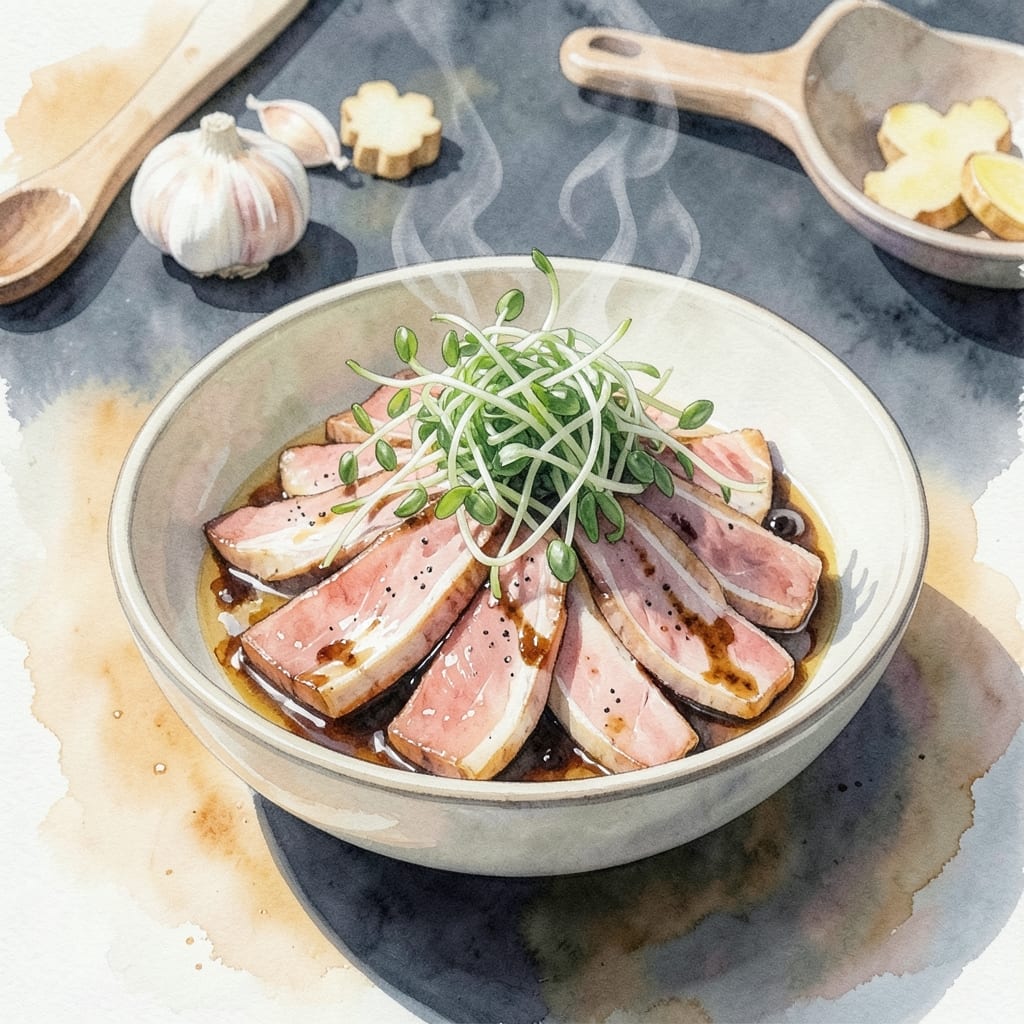
This bean sprout pork recipe delivers the authentic Cantonese stir-fry experience in just 15 minutes—crisp pork, vibrant sprouts, and a wok-hei finish that transports you to Hong Kong. 🔥 I perfected this technique after years of studying traditional Chinese stir-frying methods, where high heat and quick cooking preserve both texture and freshness. The secret lies in properly prepping the pork and bean sprouts to ensure that signature balance of tenderness and crunch.
What sets this recipe apart is the two-stage cooking process: first, the pork is marinated and quickly seared to lock in juices, then tossed with bean sprouts at the last moment to maintain their crispness. This method guarantees restaurant-quality results without requiring specialized equipment—just a sturdy skillet and a hot stove. The combination of garlic, ginger, and soy sauce creates a savory-sweet depth that pairs perfectly with the fresh, peppery bean sprouts.
By the time you serve this dish, you'll have golden-brown pork slices with crisp edges and tender centers, surrounded by bright green bean sprouts that stay crunchy. The aroma alone will have everyone at the table anticipating that first bite—savory, slightly sweet, with a hint of garlic and ginger. This is the kind of meal that feels special without being complicated, perfect for weeknight dinners or weekend gatherings.
Serve it with steamed jasmine rice to soak up the flavorful sauce, or pair with a light cucumber salad to balance the richness. The leftovers reheat beautifully, making this an ideal recipe for meal prep. Let's get started on creating this Cantonese classic in your own kitchen.
Ingredients for bean sprout pork
Authentic Cantonese stir-fry ingredients that deliver crisp pork and vibrant bean sprouts in record time.
| Ingredient | Amount | Notes |
|---|---|---|
| Lean Pork Shoulder 🥩 | 1 lb | Thinly sliced against grain |
| Bean Sprouts 🌱 | 4 cups | Fresh, rinsed thoroughly |
| Garlic Cloves 🧄 | 6 cloves | Minced finely for aroma |
| Fresh Ginger 🌿 | 1 ½ tbsp | Grated finely, no peeling |
| Light Soy Sauce 🥄 | 2 tbsp | Kikkoman preferred |
| Dark Soy Sauce 🥄 | 1 tbsp | For color depth |
| Cornstarch 🌾 | 1 tbsp | For tenderizing pork |
| Sesame Oil 🫒 | 1 tbsp | Toasted for aroma |
| Neutral Oil 🫒 | 2 tbsp | Vegetable or canola |
| White Pepper 🌶️ | ½ tsp | Freshly ground preferred |
| Sesame Seeds 🌰 | 1 tsp | Toasted for garnish |
| Green Onions 🧅 | 3 whole | Sliced diagonally for garnish |
The pork shoulder is non-negotiable—its marbling ensures juicy slices. Ask your butcher for thinly sliced pork shoulder (about 1/8-inch thick) cut against the grain for maximum tenderness. If pre-sliced isn't available, freeze the raw slices for 30 minutes to firm up before slicing yourself. For bean sprouts, Asian markets carry the freshest varieties, but the plastic-wrapped kind at regular grocery stores works fine if you rinse them well. The garlic and ginger should be vibrant and firm—no shriveled cloves or moldy roots. Toast your sesame seeds in a dry pan for 30 seconds before adding to the dish—they'll release their nutty aroma instantly.
No light soy sauce? Substitute with regular soy sauce at half the amount plus a pinch of sugar. Dark soy sauce can be omitted if unavailable, though it adds that signature deep color. For extra crispness, toss the bean sprouts with 1/2 teaspoon of cornstarch before stir-frying. The sesame oil should be 100% pure, toasted sesame oil—the cheap stuff in tiny bottles won't cut it. If you're using pre-sliced pork, pat it dry with paper towels before marinating to ensure proper browning. The green onions can be swapped for regular onions if needed, but the mild sweetness of green onions pairs perfectly with the dish's savory notes.
Store any leftover pork and bean sprouts separately in airtight containers for up to 3 days. Reheat gently in a skillet with a splash of water to maintain crispness. The marinade leftovers keep for 1 week in the fridge—perfect for quick stir-fry sauces later. For meal prep, portion the pork and bean sprouts into separate containers and assemble just before serving to preserve texture. This dish reheats beautifully, making it ideal for batch cooking—just add fresh green onions and sesame seeds when serving to maintain that restaurant-fresh appearance.
Why You'll Love This Recipe
- No-Fuss Ingredients: I keep a bag of bean sprouts and pork shoulder in my fridge just for this—no specialty shopping needed. Honestly, the only prep is slicing the pork thin and mincing garlic, which takes less time than scrolling through recipes.
- Umami Bomb: That light soy sauce and ginger combo? It transforms the pork into something crispy yet tender, with a savory depth that lingers. Between us, the bean sprouts add this fresh crunch that cuts through the richness—like a little bite of spring in every mouthful.
- Lunchbox Hero: Pack the leftovers cold or reheated—they hold up perfectly. I’ll be real: my kids grab these for school lunches, and even my picky-eater husband finishes his portion. (Yes, even on a Tuesday night.)
- Budget Stretch: A pound of pork shoulder and a handful of sprouts feed four for under $10. Honestly, it’s my go-to for feeding the family without breaking the bank. Plus, the flavors get better the next day—proof it’s worth making extra.
Step-by-step instructions for bean sprout pork stir-fry
Master this Cantonese classic with precise timing and wok technique.
🍳 Step 1: Marinate and Prep the Pork
In a bowl, combine the 1 lb lean pork shoulder with 1 tbsp cornstarch, 2 tbsp light soy sauce, 1 tbsp dark soy sauce, 1.5 tbsp fresh ginger, 6 cloves minced garlic, and 0.5 tsp white pepper. Mix thoroughly until the pork is evenly coated and tenderized. Let it marinate for 15 minutes at room temperature—this ensures maximum flavor absorption and prevents tough texture.
While the pork marinates, rinse the 4 cups bean sprouts thoroughly under cold water to remove any debris, then drain completely in a colander. Slice the 3 whole green onions diagonally into ½-inch pieces and set aside. The bean sprouts should stay crisp—over-soaking will make them limp and waterlogged.
🔥 Step 2: Sear the Pork for Maximum Flavor
Heat a wok or large skillet over high heat until smoking, then add 2 tbsp neutral oil. Once the oil shimmers, add the marinated pork in a single layer. Let it sear undisturbed for 2-3 minutes until the edges turn golden brown and the pork releases easily from the pan. This initial sear locks in juices and builds deep flavor.
Transfer the seared pork to a plate and set aside. Immediately add the 4 cups bean sprouts to the same wok, stirring constantly for 1-2 minutes until they just begin to wilt—bright green and still crisp is the goal. Overcooking turns them mushy. Remove the sprouts and set aside with the pork.
🍳 Step 3: Build the Stir-Fry Sauce
Return the wok to high heat and add 1 tbsp sesame oil. Toss in the ½-inch sliced green onions and stir for 30 seconds until fragrant. Pour in 1 tbsp dark soy sauce and 1 tbsp light soy sauce, scraping up any browned bits from the bottom of the wok—this releases concentrated flavor. Let the sauce reduce by half, about 1 minute, until it thickens slightly.
Here's the thing—don't walk away. The sauce should coat the back of a spoon and develop a glossy sheen. If it looks too thin, reduce heat slightly and let it cook longer. The right consistency ensures every bite of pork and sprout is coated in rich, umami-packed sauce.
🥘 Step 4: Combine and Finish
Return the pork and bean sprouts to the wok, tossing everything together for 1-2 minutes until heated through. The pork should be tender yet slightly chewy, not rubbery. If the mixture looks dry, add 1-2 tablespoons water and stir quickly to steam the bean sprouts.
Remove from heat and drizzle with 1 tbsp toasted sesame oil, then sprinkle with 1 tsp toasted sesame seeds. The sesame seeds add a nutty crunch that contrasts beautifully with the tender pork and crisp sprouts. Taste and adjust seasoning—you might need a touch more soy sauce for balance.
🍽️ Step 5: Plate and Serve Immediately
Transfer the stir-fry to a serving platter and garnish with the remaining ½-inch sliced green onions. Serve immediately over steamed jasmine rice or noodles—this dish loses its crispness and vibrant colors as it cools. The contrast of textures—crisp sprouts, tender pork, and chewy rice—makes every bite satisfying.
For the ultimate experience, I like to serve this with a side of steamed bok choy and a sprinkle of chili crisp on top. The heat from the chili crisp cuts through the richness of the pork, balancing the dish perfectly. Enjoy while everything is hot!
Pro Tips For Making Bean Sprout Pork
- CUT PORK STRIPS THIN: Lean pork shoulder is tough when raw—slice it against the grain into ¼-inch strips (not ½-inch like I used to). Thinner slices cook faster and stay tender, so they don’t turn chewy when stir-frying with bean sprouts. Use a sharp knife, or the meat will shred unevenly.
- BLANCH SPROUTS FIRST: Toss bean sprouts in boiling water for 30 seconds, then shock in ice water. This removes bitterness and softens them just enough to absorb flavor without turning to mush. Skip this, and they’ll stay crunchy and bland—like eating a salad instead of a dish.
- START WITH HIGH HEAT: Get your wok or pan screaming hot before adding pork and garlic. If you start low, the pork will steam instead of sear, making it greasy and dull. High heat locks in juices and gives that smoky aroma—no one wants pork that tastes like it was simmered.
- SALT THE SOY SAUCE: Mix your light soy sauce with ½ teaspoon of salt per tablespoon. Store-bought soy sauce is already salty, and you’ll end up with a dish that tastes like a salt lick. Taste as you go—this is the thing that matters most for balance.
Wine and beer pairings for these flavors
Crisp White Wine
For this dish, I always reach for a dry Riesling from Germany or a Sauvignon Blanc from New Zealand. Their bright acidity and citrus notes cut through the richness of the pork while complementing the peppery bean sprouts. A chilled glass of Fritz Haart Riesling Kabinett from the Mosel region is my go-to—its crisp finish cleanses the palate between bites. 🍷
Light Beer Pairings
A Japanese lager like Asahi Super Dry or Sapporo works beautifully with this stir-fry. The clean, crisp profile enhances the dish's savory-sweet balance without overpowering it. For a local option, try a light American lager such as Miller Lite—its subtle maltiness pairs well with the soy-based sauce. Serve chilled to highlight the dish's fresh, vibrant flavors.
Red Wine Option
If you prefer red, a light Pinot Noir from Oregon or Burgundy adds an elegant touch. The earthy undertones in a Domaine Drouhin Oregon Pinot Noir complement the ginger and garlic in the marinade. Keep it slightly cooler than room temperature (55-60°F) to enhance its freshness and prevent overpowering the dish.
Non-Alcoholic Choices
For a refreshing non-alcoholic option, try sparkling yuzu soda or jasmine iced tea. The effervescence and floral notes mirror the dish's brightness, while the slight tartness balances the pork's savory depth. I often make my own by mixing green tea with lemon slices and a touch of honey—it's a crowd-pleaser that keeps everyone happy. 💧
Regional Adaptations
In Hong Kong, diners often pair this dish with lychee juice to contrast the savory flavors. For a Southeast Asian twist, try Thai iced tea—its sweet, creamy profile complements the dish's umami richness. If you're serving this at a Georgia-style BBQ gathering, a sweet tea with a lemon wedge works surprisingly well, bridging the culinary worlds.
Nutrition facts
Frequently asked questions
Can I substitute pork shoulder with another cut?
For best results, use pork tenderloin or pork loin—both cook quickly and stay tender. If using pork chops, slice them thinly against the grain and reduce cooking time to 1-2 minutes per side. Avoid fatty cuts like pork belly, as they won't sear evenly and may make the dish too greasy.
Why are my bean sprouts turning mushy?
Overcooking is the #1 culprit! Bean sprouts should only wilt slightly—1-2 minutes max in the wok. They release water quickly, so stir constantly and remove them as soon as they're bright green but still crisp. Pro tip: Pat them very dry before cooking and use a high-heat wok to prevent steaming.
How do I make this less salty?
Start by reducing the soy sauce by 1 teaspoon total (use 1.5 tbsp light + 0.5 tbsp dark instead). For extra freshness, add ½ cup shredded cabbage or 1 cup shredded carrots—their natural sweetness balances the flavors. If needed, finish with a squeeze of lime juice or a sprinkle of sesame seeds for brightness.
Can I prep this ahead of time?
Yes! Marinate the pork up to 12 hours ahead and store in the fridge. For bean sprouts, rinse and drain them just before cooking—they oxidize quickly and lose crispness. Reheat seared pork in a skillet with 1 tsp oil for 2-3 minutes, then toss with fresh sprouts and sauce at the end. The key is re-crisping the sprouts over high heat.
What's the secret to the perfect wok-hei flavor?
It's all about high, consistent heat and proper oil choice. Use a carbon steel or cast iron wok (or a heavy skillet) and heat it until it smokes slightly. Add neutral oil with a high smoke point (like avocado or peanut oil) and let it get ripping hot before adding pork. The smoke aroma and quick cooking time create that signature "breath of the wok" flavor.