
Main Courses
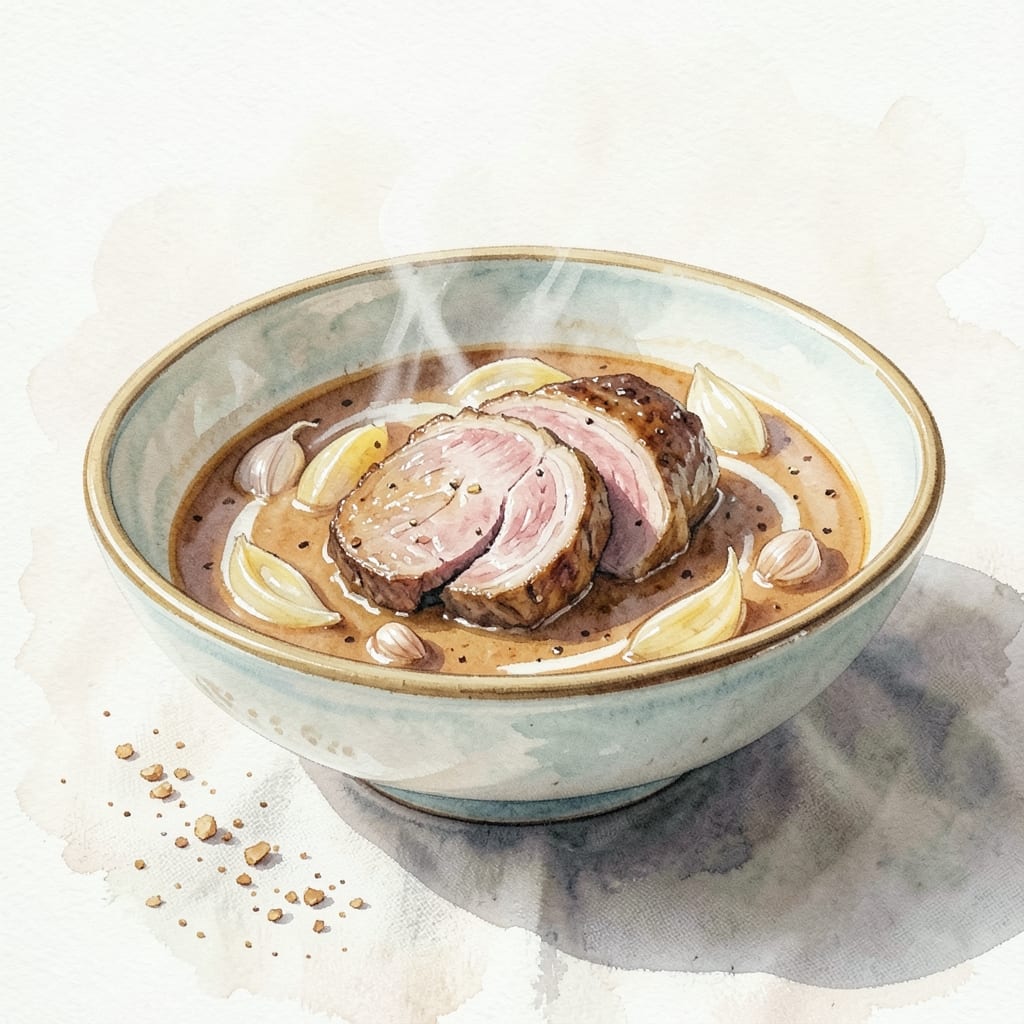
This Filipino beef and pork caldereta recipe brings the soul of Filipino home cooking to your kitchen with its rich peanut-vinegar sauce and tender meat. 🔥 I first tasted caldereta during my travels in the Philippines, where it's traditionally made with a balance of sweet, tangy, and nutty flavors that make every bite unforgettable. The secret lies in slow simmering the meat until it's melt-in-your-mouth tender while building layers of flavor through caramelized onions, garlic, and a velvety peanut sauce. What sets this recipe apart is the harmony of textures and flavors—crispy edges on the meat from the vinegar, creamy richness from the peanut sauce, and the subtle sweetness of carrots and potatoes. Unlike many stews that rely on heavy cream, this version uses peanut butter and coconut milk for a lighter yet equally satisfying texture. The vinegar not only tenderizes the meat but also adds that signature tang that balances the richness. The result is a hearty, comforting stew that's perfect for family gatherings or cozy weeknight dinners. The aroma alone will fill your kitchen with warmth, while the flavors evolve as it simmers, creating a dish that's both nostalgic and deeply satisfying. This is the kind of recipe that gets passed down through generations, and now, it's yours to make at home. Whether you're serving it with steamed rice or crusty bread, this caldereta delivers restaurant-quality results with minimal fuss. The beauty of this dish is in its adaptability—you can adjust the spice level or even swap in chicken for a lighter version. Let's get cooking!
Ingredients for beef and pork caldereta
Six ingredients bring Filipino comfort to your table with this rich, nutty, tangy stew.
| Ingredient | Amount | Notes |
|---|---|---|
| Beef Chuck Roast 🥩 | 1 ½ lb | Cut into 1-inch cubes |
| Pork Shoulder 🐷 | 1 ½ lb | Cut into 1-inch cubes |
| Yellow Onions 🧅 | 2 whole | Thinly sliced |
| Garlic Cloves 🧄 | 8 cloves | Minced |
| Peanut Butter 🥜 | ½ cup | Smooth, unsweetened |
| Coconut Milk 🥥 | 13 ½ oz | Full-fat, canned |
| Canned Tomatoes 🍅 | 14 ½ oz | San Marzano preferred |
| White Vinegar 💧 | ¼ cup | White or cane |
| Carrots 🥕 | 3 whole | Baby or regular, sliced |
| Russet Potatoes 🥔 | 2 lb | Peeled, cubed |
| Bay Leaves 🌿 | 2 whole | Dried |
| Salt 🧂 | 1 ½ tsp | Kosher or sea |
| Black Peppercorns 🌶️ | 1 tsp | Freshly ground |
| Sugar 🍚 | 1 tbsp | White granulated |
| Olive Oil 🫒 | 2 tbsp | For browning meat |
The meat is everything here—beef chuck for deep flavor and pork shoulder for tenderness. Grab the pre-cubed packs from the meat counter to save time, but if you're feeling ambitious, Costco or local butchers have whole cuts you can cube yourself. Look for good marbling in the beef—it melts into the sauce. The San Marzano canned tomatoes at Whole Foods or Trader Joe's make a noticeable difference in flavor compared to regular brands. If you can't find them, any high-quality canned tomatoes work, but avoid those with added salt or preservatives.
No peanut butter? Crushed roasted peanuts mixed with a little oil gets you close—just blend them first. Short on vinegar? Apple cider vinegar works too, though it's slightly sweeter. The coconut milk can be swapped for light coconut milk if you're watching calories, but full-fat gives that creamy richness. Baby carrots and Yukon Gold potatoes (if you can find them) add a touch of luxury, but regular carrots and russets work perfectly fine. The bay leaves? Tear them slightly before adding—they'll infuse more flavor that way.
This stew tastes even better the next day as the flavors meld. Store leftovers in an airtight container in the fridge for up to 5 days, or freeze portions for 3 months. I like to make a big batch and portion it into containers—perfect for quick lunches. The sauce thickens as it cools, so a splash of water or broth thins it out if needed. Serve with steamed jasmine rice to soak up every last bit of that peanut-vinegar goodness.
Why You'll Love This Recipe
- One-Pot Magic: I swear by this recipe when I’m too tired to scrub pans—just brown the meat, toss in onions and garlic, then let the peanut butter and slow simmer do the work. No chopping, no fuss, and the rich sauce practically cooks itself.
- Peanut Butter Twist: Between us, adding peanut butter to a savory stew sounds wild until you try it. It cuts through the richness of the beef and pork while adding this unexpected, slightly sweet depth that makes every bite feel like a hug.
- Leftovers That Shine: This dish actually gets better the next day—yes, really. The flavors meld overnight, and reheating it with a splash of water turns it into a hearty, restaurant-quality meal for lunch. My freezer’s always stocked with portions.
- Budget Crowd-Pleaser: A pound of chuck roast and pork shoulder stretches for six servings, and the peanut butter keeps costs low without skimping on flavor. Honestly, it’s the kind of meal that makes grocery day feel like a win.
Step-by-step instructions for beef and pork caldereta
Here's how to create this rich, tangy Filipino stew with layers of peanut and vinegar goodness.
🔥 Step 1: Brown the Meats for Maximum Flavor
Heat the 2 tablespoons olive oil in a large Dutch oven over medium-high heat. Working in batches to avoid crowding, add the 1.5 lb beef chuck roast and 1.5 lb pork shoulder (both cut into 1-inch cubes) and sear for 4-5 minutes per side until deeply browned. This step develops the deep, meaty flavor that forms the base of your caldereta.
I press down gently on the meat cubes during the first minute—this prevents them from curling and ensures even contact with the pan. Once browned, transfer the meat to a plate and set aside. Don't drain the browned bits—they're packed with flavor that will build your sauce.
🍳 Step 2: Sauté Aromatics Until Fragrant
In the same Dutch oven, add the 2 whole yellow onions (thinly sliced) and cook over medium heat for 5-6 minutes until softened and golden. Add the 8 cloves minced garlic and cook for another 30 seconds until fragrant—you should smell that aromatic punch.
Here's where it gets fun—toss in the 3 whole carrots (sliced) and 2 lb russet potatoes (peeled and cubed). Stir to coat with the onions and garlic, then add the 14.5 oz canned tomatoes (crushed by hand), 1.5 tsp salt, 1 tsp black peppercorns, and 1 tbsp sugar. The sugar helps balance the acidity from the tomatoes and vinegar we'll add later.
🥘 Step 3: Build the Peanut-Vinegar Base
Return the browned meats to the pot and stir to combine. Pour in the 0.25 cup white vinegar and 13.5 oz coconut milk, then add the 2 whole bay leaves. Bring everything to a gentle simmer over medium-low heat, then reduce heat to low and let it cook uncovered for 45 minutes.
After 30 minutes, stir in the 0.5 cup peanut butter—this is where the magic happens. The peanut butter should melt smoothly into the sauce, creating that signature rich, nutty texture. If the sauce looks too thick, add ¼ cup water to loosen it. Real talk: don't skip this step—it's what makes caldereta uniquely delicious.
⏰ Step 4: Simmer Until Tender and Flavorful
Continue simmering for another 30-45 minutes until the meat is fork-tender and the potatoes are easily pierced with a knife. The sauce should coat the back of a spoon and have a thick, velvety consistency. Taste and adjust seasoning—you might need a pinch more salt or a splash more vinegar to balance the flavors.
Here's the thing—this dish tastes even better the next day as the flavors meld together. If you're serving immediately, let it rest for 10 minutes off the heat before serving. Remove the bay leaves before plating, as they can be tough to chew. Serve with steamed rice to soak up all that rich sauce!
Pro Tips For Making Beef And Pork Caldereta
- Brown the Meat First: The peanut butter in caldereta can make the sauce cling to pale meat, so don’t skip this step. Sear the beef and pork shoulder in batches over medium-high heat until deeply browned—about 5 minutes per side—before adding anything else. This builds flavor that won’t get masked later.
- Cut Onions Thinly: I used to chop onions roughly, thinking it’d save time, but thin slices caramelize faster and blend into the sauce better. Use a mandoline or knife to slice them paper-thin—about 1/8-inch—so they melt into the peanut butter base without leaving chunks.
- Don’t Rush the Peanut Butter: Stirring peanut butter into a hot liquid too quickly creates lumps that never dissolve. Instead, whisk it into a splash of cold water first, then temper it with a ladle of hot broth before adding it to the pot. This ensures a smooth, creamy sauce every time.
- Check Meat Temp Twice: Caldereta’s rich sauce hides undercooked meat, so use an instant-read thermometer. Pull the beef at 195°F (it’ll rest to 190°F) and the pork at 203°F—both should probe easily. If you’re unsure, slice a piece: juices should run clear, not pink.
Serving suggestions for this dish
Rice Pairings
Steamed jasmine rice is my go-to pairing for caldereta—its delicate floral notes complement the peanut-vinegar sauce perfectly. I use Daybreak Jasmine Rice from Trader Joe's because it stays fluffy and absorbs the rich sauce without getting mushy. For a heartier option, try short-grain brown rice—it holds up better to the stew's texture and adds a nutty contrast. 🥘
Bread Options
Crusty Filipino pandesal (sweet bread rolls) or garlic bread make incredible sides. I often serve warm pandesal with the caldereta for dipping—its soft interior contrasts beautifully with the stew's bold flavors. For a quicker option, toasted sourdough slices work well too, especially if you drizzle them with olive oil and sprinkle with flaky sea salt before serving.
Vegetable Sides
Light, fresh sides balance the richness of the caldereta. My favorite is a simple green mango salad with shredded cabbage, carrots, and a lime-vinegar dressing—it cuts through the peanut sauce beautifully. Another great option is steamed bok choy with a sprinkle of toasted sesame seeds and a drizzle of soy sauce. The crunch and freshness make every bite of caldereta more satisfying.
Dipping Sauces
For extra flavor, serve with sweet chili sauce or sriracha mayo on the side. I make my own sriracha mayo by mixing mayonnaise with 1-2 tablespoons sriracha and a pinch of sugar. The heat from the sriracha enhances the peanut sauce's richness, while the mayo adds a creamy contrast. A simple soy-ginger dipping sauce (mix 2 tablespoons soy sauce, 1 tablespoon rice vinegar, and 1 teaspoon grated ginger) also works wonders. 🌶️
Garnishes to Elevate
Fresh cilantro or green onions add a bright, herbaceous finish that brightens the dish. I like to sprinkle them on top just before serving. For a touch of luxury, add crushed peanuts or fried shallots—they add texture and a subtle crunch that contrasts with the creamy sauce. A final drizzle of chili oil (like Lao Gan Ma) brings extra heat and depth to every spoonful.
Leftovers Reinvented
Turn leftover caldereta into caldereta fried rice by sautéing cooked rice with leftover stew, a fried egg, and extra vegetables. For a quick lunch, serve it in buttered toast with a fried egg on top—this Filipino-style "caldereta toast" is a comfort food staple. The possibilities are endless, and leftovers never feel like leftovers when you get creative! 💡
Nutrition facts
Frequently asked questions
Can I make this caldereta without peanut butter?
You can substitute peanut butter with ½ cup crushed roasted peanuts mixed with 2 tablespoons oil to create a paste. For a completely nut-free version, use ½ cup tomato paste instead—it will give a deeper, slightly tangier flavor that still complements the vinegar. Just blend the tomato paste with ¼ cup water before adding to the pot.
How do I keep the meat extra tender?
For melt-in-your-mouth meat, start with well-marbled cuts like beef chuck and pork shoulder. After browning, sear the meat again for 2 minutes per side after adding the vinegar and coconut milk—this helps break down connective tissue. The 45-minute simmer at low heat is crucial; don't rush it. If your meat is still tough, add 1 extra hour of simmering with ½ cup water to keep the sauce from thickening too much.
Can I use chicken instead of beef and pork?
Yes! For a lighter version, replace both meats with 2 lbs bone-in chicken thighs (skin-on for extra flavor). Brown the chicken first, then proceed with the recipe. Chicken cooks faster—simmer for only 25-30 minutes after adding the peanut butter. The vinegar will still tenderize it beautifully, but check for doneness at 165°F internal temperature. This version pairs perfectly with steamed rice or crusty bread.
Why does my caldereta taste too vinegary?
Start by reducing the vinegar to ¼ cup and taste as you go—add more gradually. Balance the acidity with 1 extra tablespoon sugar or a pinch of brown sugar. If it's still too sharp, stir in 1 teaspoon fish sauce (a Filipino secret!) or a splash of coconut cream to round out the flavors. The peanut butter should also help mellow the tang—make sure it's fully incorporated into the sauce.
How can I make this dish gluten-free?
This recipe is naturally gluten-free, but check your peanut butter label—some brands contain traces. For extra safety, use certified gluten-free peanut butter. Avoid thickeners like flour; instead, stir in 1 tablespoon cornstarch mixed with 2 tablespoons water if the sauce needs thickening. The vinegar and coconut milk will still create that signature rich, tangy flavor without any gluten-containing ingredients.