
Main Courses
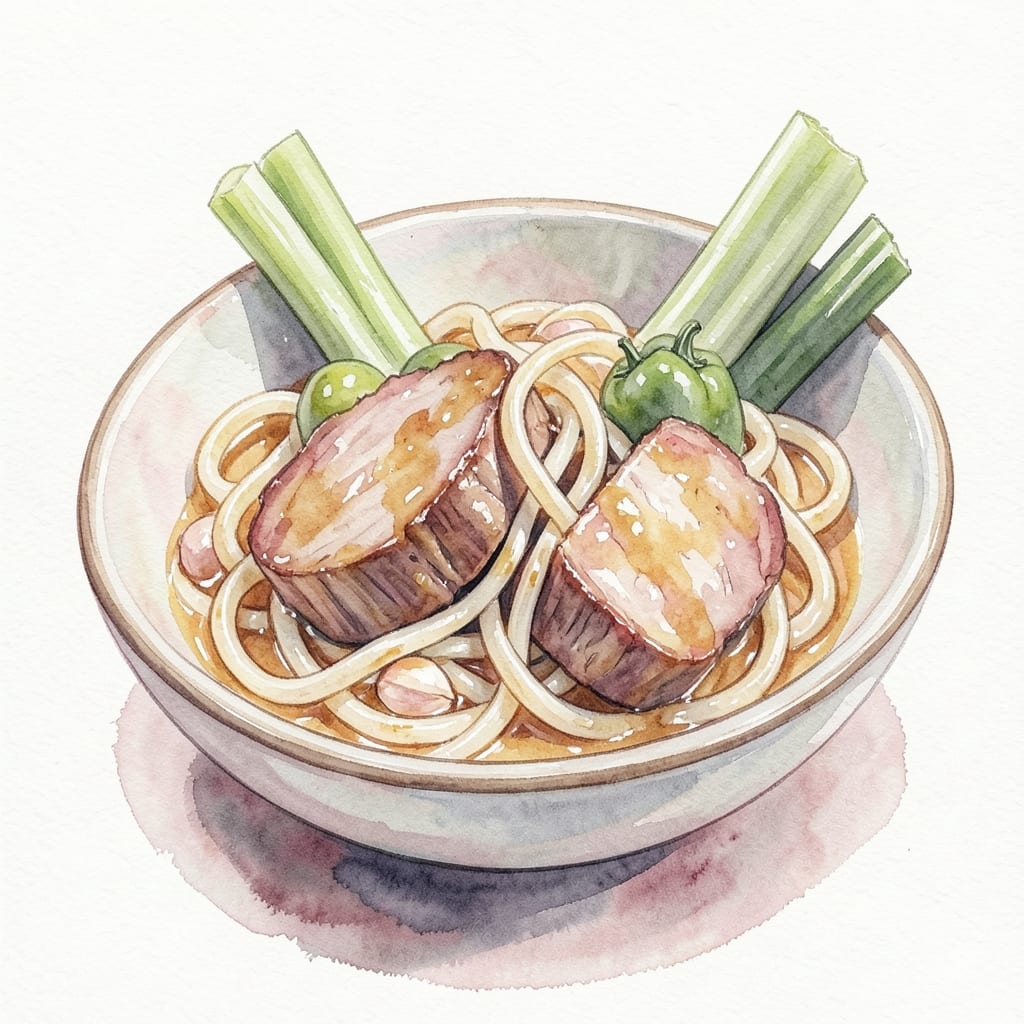
This beef and pork chop suey recipe delivers the wok-fried crunch and umami depth that makes it a restaurant staple. The secret lies in proper protein prep—thinly sliced beef and pork that sear quickly for maximum flavor—paired with a sauce that balances sweet, salty, and tangy notes. I've perfected this technique over years of wok cooking, ensuring every bite has that signature crispy texture and smoky aroma.
The foundation of great chop suey is the stir-fry technique: high heat, constant motion, and proper timing to achieve crispy noodles without overcooking the proteins. We'll use a classic egg drop sauce base that creates that signature glossy sheen while keeping the dish light enough to eat with chopsticks. This recipe maintains traditional elements while adapting for home kitchens with standard equipment.
What you'll end up with is a vibrant dish featuring tender beef and pork, al dente noodles with crispy edges, and a sauce that coats every ingredient perfectly. The aroma alone will transport you to a bustling wok station, while the first bite delivers that perfect balance of textures and flavors. This is the kind of recipe that transforms a weeknight dinner into a memorable meal.
Ready in under 30 minutes, this chop suey makes an impressive weeknight dinner or takes center stage at your next Asian-inspired gathering. The technique is straightforward once you understand the key steps, and the results are consistently restaurant-quality. Let's get cooking!
Ingredients for beef and pork chop suey
These carefully selected ingredients create the perfect balance of textures and flavors for authentic chop suey.
| Ingredient | Amount | Notes |
|---|---|---|
| Beef Top Round 🥩 | 1 lb | Thinly sliced against grain |
| Pork Shoulder 🐷 | 1 lb | Thinly sliced, fat cap removed |
| Egg Noodles 🍜 | 8 oz | Fresh or dried, al dente |
| Green Bell Pepper 🧅 | 1 whole | Thinly sliced, seeds removed |
| Celery Stalk 🥬 | 2 whole | Thinly sliced, stringy |
| Garlic Cloves 🧄 | 6 cloves | Minced, aromatic |
| Fresh Ginger 🌿 | 1 ½ tbsp | Finely grated, aromatic |
| Soy Sauce 🥢 | ½ cup | Light or regular, no wheat |
| Oyster Sauce 🍶 | 3 tbsp | High-quality, umami depth |
| Sesame Oil 🫒 | 1 tbsp | Toasted, for aroma |
| Brown Sugar 🍚 | 2 tbsp | Packed, for balance |
| Cornstarch 🌾 | 1 tbsp | For sauce thickening |
| Vegetable Oil 🫒 | ½ cup | High smoke point |
| Large Eggs 🥚 | 2 whole | Fresh, beaten for sauce |
| Green Onions 🧅 | 4 whole | Thinly sliced, garnish |
The proteins are non-negotiable for authentic texture. Beef top round delivers lean tenderness when sliced thinly against the grain, while pork shoulder adds rich fat for flavor. Look for well-marbled cuts at Whole Foods or your local butcher—they'll make all the difference. Fresh egg noodles are ideal, but high-quality dried noodles (like King Noodle) work well too. The key is cooking them al dente—undercooked noodles turn mushy in the wok. For the aromatics, fresh ginger should smell vibrant, not musty, and the garlic should be firm with no green shoots.
No oyster sauce? Hoisin sauce plus a splash of fish sauce gets you close, though the umami depth won't be identical. Substituting dried shiitake mushrooms (soaked and chopped) for half the pork adds earthy notes without altering texture. The sesame oil is purely for aroma—use the toasted kind from Trader Joe's for that nutty depth. For the sauce, cornstarch is essential for that signature glossy finish. If you're short on time, arrowroot powder works at a 1:1 ratio. The green bell pepper and celery should be crisp—avoid those sad, limp ones at the grocery store's back corner.
Prep all proteins and aromatics first—they'll wait while you cook. Store raw meats in sealed containers in the fridge for up to 2 days. The sauce can be made ahead and reheated gently on the stove, but add fresh egg at the end. Cooked noodles reheat beautifully in the wok with a splash of water—just 2 minutes over high heat. This dish tastes even better the next day as flavors meld. Portion into containers for 3 days of easy lunches, or freeze portions for 3 months—the crispy texture softens slightly but the flavors stay vibrant.
Why You'll Love This Recipe
- One-Pan Magic: I swear by this—just toss the beef, pork, and veggies into the same skillet, stir a few times, and boom. No dirty dishes piling up, no last-minute scrubbing. That celery and bell pepper? They soften just enough to melt into the sauce, so you’re not stuck with crunchy bits.
- Meat Love Duet: The beef stays tender while the pork gets that perfect chewy bite—like a hug from two different comfort foods. Honestly, the combo of top round and shoulder makes it way more interesting than your basic stir-fry. Plus, the egg noodles soak up all the good stuff without getting mushy.
- Leftover Hero: This dish begs to be made extra. Reheat it for lunch, toss it into rice for fried rice, or even stuff it into a pita. I’ll be real: I’ve had it three days in a row and still crave it. The flavors only get better as it sits, so you’re basically getting two meals for the price of one.
- Budget Win: You’re getting two proteins for the cost of one, and the veggies stretch it even further. Top round and pork shoulder are affordable cuts that still feel special. Between us, this is how I feed my family for under $10 a serving—no compromises on taste, just smart shopping.
Step-by-step instructions for beef and pork chop suey
Mastering this stir-fry comes down to precise timing and high-heat technique—here's how to build layers of flavor while keeping everything crispy.
Prepare All Ingredients for Quick Cooking
Begin by slicing the 1 lb beef top round and 1 lb pork shoulder against the grain into ¼-inch thick strips. This ensures tender results. Thinly slice the 1 whole green bell pepper and 2 whole celery stalks into matchsticks—uniform size prevents uneven cooking. Finely mince the 6 cloves garlic and grate the 1.5 tbsp fresh ginger. For the noodles, cook the 8 oz egg noodles according to package directions until al dente, then drain and rinse briefly with cold water to stop cooking. Spread them on a tray to dry slightly—this prevents a soggy final dish.
Beat the 2 whole large eggs in a bowl until frothy. Mix the 0.5 cup soy sauce, 3 tbsp oyster sauce, 2 tbsp brown sugar, and 1 tbsp cornstarch in another bowl. This sauce will thicken beautifully during cooking, creating that signature glossy finish. Have all ingredients prepped and within arm's reach—this stir-fry moves fast.
Stir-Fry the Meat in Stages
Heat 0.5 cup vegetable oil in a wok or large skillet over high heat until shimmering. Add half of the beef strips and cook undisturbed for 1-2 minutes until the edges turn deep golden brown. Stir-fry for another 30 seconds, then remove to a plate. Repeat with the remaining beef, then cook the pork shoulder in the same manner—its higher fat content makes it slightly more forgiving for timing.
Remove the meat and set aside. Lower the heat to medium-high and add 1 tbsp sesame oil. Toss in the garlic and ginger, cooking for 20 seconds until fragrant—this prevents burning while infusing flavor. Immediately add the bell pepper and celery, stir-frying for 1-2 minutes until just tender but still vibrant. The vegetables should retain their crisp texture rather than turning mushy.
Combine Everything for Maximum Crisp
Return the meat to the wok and pour in the prepared sauce. Toss vigorously for 1-2 minutes until everything is evenly coated and the sauce begins to thicken. Add the beaten eggs, stirring constantly with a spatula to create soft curds while keeping the mixture smooth. The eggs should cook through in about 30 seconds—don't let them scramble completely.
Add the dried egg noodles and toss everything together for 1-2 minutes until the noodles are heated through and the sauce clings beautifully. The dish should be vibrant, with crisp vegetables, tender meat, and glossy noodles. If the sauce appears too thin, add 1 tablespoon water at a time until it reaches your desired consistency.
Finish with Garnish and Serve Immediately
Remove from heat and stir in the 4 whole green onions, sliced thinly. The freshness cuts through the richness of the sauce. Serve immediately while everything is hot and crisp. The contrast between the tender meat, crisp vegetables, and al dente noodles makes this dish truly exceptional. For best results, serve family-style so everyone can enjoy the communal nature of this classic stir-fry.
Pro Tips For Making Beef And Pork Chop Suey
- Slice Thin, Cook Fast: The beef top round and pork shoulder won’t tenderize themselves—cut them paper-thin against the grain before stir-frying. I used to overlook this, and my chop suey always had chewy bits. High heat for 2-3 minutes max per batch, or you’ll end up with shoe leather.
- Salt the Meat First: Season the beef and pork with soy sauce, cornstarch, and a pinch of salt before cooking. This keeps the meat juicy and ensures the sauce clings instead of pooling at the bottom. (Yes, even if you’re impatient like me—wait 10 minutes before cooking.)
- Skip the Overcrowded Pan: Stir-fry in batches if needed—packing the wok or skillet too tight steams the meat instead of searing it. A crowded pan makes soggy veggies and dull flavors. Work in 2-3 batches, and your chop suey will actually crisp instead of stew.
- Blanch the Veggies: Toss green bell pepper and celery in boiling water for 30 seconds, then shock in ice water. This softens them just enough to cook through in the stir-fry without turning to mush. (Does it look weird? Yes. Does it work? Every single time.)
Best sauces and condiments for these flavors
Classic Egg Drop Sauce
This is the foundation of authentic chop suey flavor—a glossy, slightly sweet sauce that coats every ingredient perfectly. Start with ½ cup soy sauce, 3 tbsp oyster sauce, and 2 tbsp brown sugar in a small bowl. Whisk in 1 tbsp cornstarch to create a silky finish. The key is balancing sweetness with umami—taste as you go. I like adding 1 tsp fish sauce for extra depth if available. Keep this sauce warm on the stove while you stir-fry, then toss it in at the end for that signature glossy sheen. 🥢
Spicy Chili Oil Twist
For a Southeast Asian-inspired variation, replace half the sesame oil with 1 tbsp chili oil (homemade or store-bought). The heat cuts through the richness while adding smoky depth. I recommend Lao Gan Ma brand for authentic flavor. Add it at the very end to preserve the crispness of your vegetables. Garnish with extra chili flakes if you love heat. This version works beautifully with the pork's natural fat, creating a perfect balance. 🌶️
Sweet and Tangy Plum Sauce
Swap the brown sugar for 3 tbsp plum sauce (like Mae Ploy) and reduce the soy sauce to ¼ cup. The tartness of the plum sauce brightens the dish, especially when paired with the pork's richness. Add 1 tsp rice vinegar for extra tang. This sauce works particularly well if you're using more beef than pork, as it helps balance the heavier protein. Keep it warm until ready to use—it thickens as it cools. 🍑
Creamy Sesame Dressing
For a modern twist, blend 2 tbsp tahini, 1 tbsp soy sauce, 1 tbsp rice vinegar, and 1 tsp honey with 2 tbsp warm water. Drizzle this over the finished chop suey instead of using the traditional sauce. The nutty tahini adds richness while keeping the dish lighter. This works especially well if you're serving it over a bed of jasmine rice. The dressing adds a luxurious finish without overpowering the stir-fry's natural flavors. 🥄
Ginger-Scallion Sauce
For a fresher profile, blend ¼ cup finely chopped green onions, 1 tbsp grated ginger, 2 tbsp soy sauce, and 1 tbsp sesame oil until smooth. Use this as a finishing sauce instead of the main sauce. The bright, herbaceous notes cut through the richness of the meat, making each bite feel fresh. This works particularly well if you're using leaner cuts of beef. Add it just before serving to preserve the crispness of your vegetables. 🧅
Nutrition facts
Frequently asked questions
Can I substitute chicken for the beef and pork?
You can use chicken, but the texture and flavor won't be identical. For best results, use boneless, skinless chicken thighs (not breast) since they stay juicier during stir-frying. Thinly slice them against the grain and cook them for 2-3 minutes less than the beef/pork to prevent overcooking. The fat content in pork is crucial for authentic chop suey flavor, so chicken works best when combined with a little extra pork fat or sesame oil.
How do I get the noodles crispy like in restaurants?
Restaurant-style crispy noodles start with proper prep: cook them al dente (1 minute less than package instructions), drain, rinse with cold water, and spread them on a tray to dry for 5-10 minutes. Use high heat in your wok and toss the noodles at the very end with the other ingredients. The residual heat and sauce will create that signature crispy texture while keeping the centers tender. If they soften too quickly, add them to the wok just 30 seconds before serving.
What's the secret to preventing the meat from getting mushy?
The key is proper slicing and high-heat cooking. Always slice the beef and pork ¼-inch thick against the grain—this shortens the muscle fibers for tender bites. Cook the meat in small batches over very high heat until the edges are deep golden brown (about 1-2 minutes per batch). Remove it immediately when done and set aside. Overcrowding the wok lowers the temperature and steams the meat instead of searing it.
Can I make this ahead of time?
This dish tastes best fresh, but you can prep components ahead. Cook the noodles and store them in the fridge for 1 day (reheat with a splash of water). Make the sauce in advance and reheat gently. For the proteins, cook them completely and store separately for 2 days. When ready to serve, quickly reheat everything in the wok with fresh sesame oil—just 2-3 minutes over high heat to restore that crispy texture.
Why does my sauce keep getting too thick?
Sauce thickening is usually from one of two issues: too much cornstarch or not enough liquid. First, make sure you're using 1 tbsp cornstarch per ½ cup liquid as a starting point. If it's still too thick, add 1 tbsp water at a time while stirring constantly. The sauce should coat the back of a spoon but still be pourable. For extra insurance, whisk the cornstarch with 2 tbsp cold water first to create a slurry—this prevents clumping and gives you better control over the thickening process.