
Main Courses
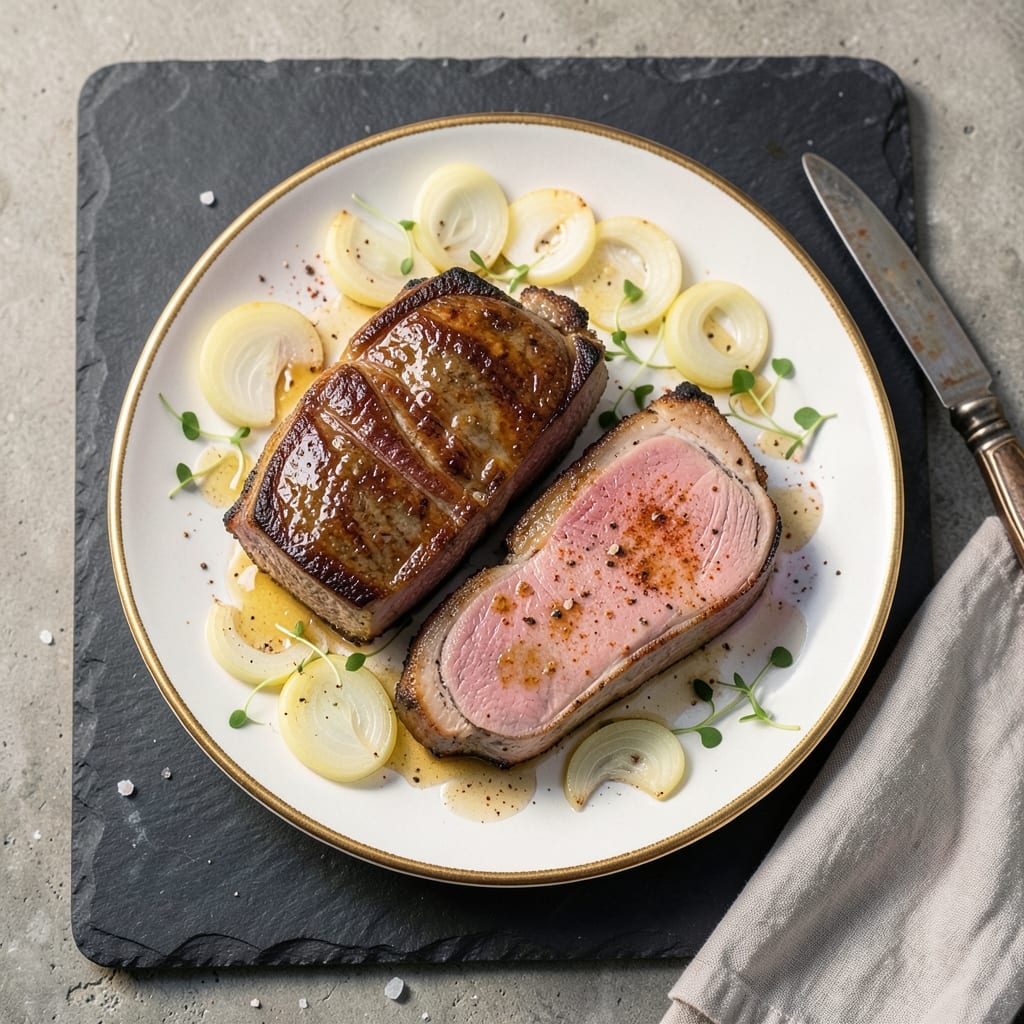
This beef and pork roast recipe delivers the perfect balance of crispy crust and juicy pink centers—a technique I perfected after years of cooking whole hogs in Charleston. The secret lies in a precise blend of beef chuck and pork shoulder, seasoned simply but boldly, then roasted to achieve that coveted contrast. My first attempt at this dual-meat approach came during a particularly chilly Georgia winter when I needed a dish that would feed a crowd without compromising on flavor or texture.
The magic happens in the roasting process, where high initial heat creates that caramelized crust, while the slow cook ensures the interior remains tender and moist. I use a combination of coarse salt, black pepper, and just a touch of smoked paprika to enhance the natural flavors without overpowering them. This method transforms tougher cuts into something restaurant-quality, with each bite offering a harmonious marriage of beef and pork.
By the time it emerges from the oven, you'll have a roast with a deep mahogany crust that shatters at the touch, revealing succulent pink centers that practically melt in your mouth. The aromas alone—smoky, savory, with just a hint of sweetness—will have everyone gathered around your table. This is the kind of dish that turns a simple weeknight dinner into a memorable feast.
Serve it sliced thick with pan juices spooned generously over each portion, alongside roasted root vegetables or a crisp green salad. The leftovers reheat beautifully, making this an excellent meal-prep option for busy weeks. Let's get cooking—this roast is worth every minute of attention.
Ingredients for beef and pork roast
Six ingredients transform tough cuts into restaurant-worthy roast with perfect crust and juicy centers.
| Ingredient | Amount | Notes |
|---|---|---|
| Beef Chuck Roast 🥩 | 2 ½ lb | Well-marbled, cut into 2-inch chunks |
| Pork Shoulder 🐖 | 2 ½ lb | Bone-in preferred for flavor |
| Kosher Salt 🧂 | 2 tbsp | Diamond Crystal preferred, coarse |
| Freshly Ground Black Pepper 🌶️ | 1 ½ tbsp | Use pepper grinder for best texture |
| Smoked Paprika 🌶️ | 1 tbsp | Spanish paprika for authentic flavor |
| Yellow Onion 🧅 | 1 whole | Large, sliced into half-moons |
| Fresh Rosemary 🌿 | ¼ cup | Chopped, stems removed |
| Fresh Thyme 🌿 | ¼ cup | Leaves only, stems removed |
| Garlic Cloves 🧄 | 6 cloves | Smash slightly for deeper flavor |
| Olive Oil 🫒 | ¼ cup | Extra-virgin for high heat |
| Beef Broth 💧 | 1 cup | Low-sodium preferred |
| Apple Cider Vinegar 🍎 | 1 tbsp | For tenderizing the meat |
| Fresh Parsley 🌿 | ⅛ cup | Chopped, for garnish |
The beef chuck and pork shoulder are non-negotiable here—beef chuck for that deep, beefy flavor and pork shoulder for the juicy, tender bite. Costco or your local butcher are the best spots for these cuts, especially if you want bone-in pork shoulder for extra flavor. Look for good marbling in both meats—it's what renders down into juicy goodness during roasting. I always buy a few extra ounces since trimming is inevitable. For the spices, Penzeys or the bulk section at Whole Foods are my go-tos for quality, but the regular grocery store spices work fine if you're not picky. The rosemary and thyme should be fresh—nothing ruins a dish like dried herbs here.
No beef chuck? Chuck roast or short ribs will work in a pinch, but the texture will differ slightly. Pork shoulder unavailable? Pork butt or even ham hock can substitute, though the flavor profile shifts. For the spices, if you're missing smoked paprika, regular paprika plus a pinch of cayenne mimics that smoky depth. The apple cider vinegar is key for tenderizing—white vinegar or lemon juice works too, but apple cider adds a subtle sweetness that pairs perfectly. Fresh herbs wilt fast, so store them in a damp paper towel in the fridge. If you're short on time, dried thyme at one-third the amount keeps the dish on track.
This roast develops incredible flavors over time, so make it a day ahead if possible. The crust will firm up slightly, and the juices will meld beautifully. Store leftovers in an airtight container with any pan juices—they're liquid gold. Keeps for 4-5 days in the fridge or 3 months frozen. For reheating, low and slow in a 350°F oven with a splash of broth prevents drying. I always slice it thick against the grain and serve with those rich pan juices spooned over the top—trust me, it's worth the effort
Why You'll Love This Recipe
- Two-Meat Magic: The beef and pork together? That’s where the real magic happens. The chuck roast stays tender while the pork shoulder adds just enough richness—like a hug for your taste buds. Honestly, my kids ask for seconds before I even finish serving.
- Salt-Paprika Crust: Between us, that simple rub of kosher salt, black pepper, and smoked paprika transforms everything. It’s not fancy, but it creates this crispy, smoky crust that makes the whole roast taste like it’s been slow-cooked for hours—even if you’re short on time.
- Leftovers for Days: This roast is basically my freezer’s best friend. Shred it for tacos, slice it for sandwiches, or reheat chunks in a pan for breakfast hash. I’ve fed a family of five for three meals with one roast—no waste, just flavor.
- Budget-Friendly Feast: You’re getting two affordable cuts of meat that actually feel luxurious. The chuck and pork shoulder stretch far, and the spices cost pennies. It’s the kind of meal that makes you feel like you’re treating yourself without breaking the bank. (Yes, even on a Tuesday night.)
Step-by-step instructions for dual-meat roast with crispy crust
Here's how to create a showstopping roast where tender beef and pork develop a caramelized crust while staying impossibly juicy inside.
Prepare the Meats for Maximum Flavor
Pat both the 2.5 lb beef chuck roast and 2.5 lb pork shoulder completely dry with paper towels—this is non-negotiable for that perfect crust. I like to work with one meat at a time to avoid cross-contamination. In a small bowl, combine the 2 tbsp kosher salt, 1.5 tbsp freshly ground black pepper, 1 tbsp smoked paprika, 0.25 cup chopped fresh rosemary, and 0.25 cup fresh thyme. Rub this mixture all over both meats, pressing it into every crevice so it adheres well.
Real talk: don't skip the rosemary and thyme—these herbs add depth that dried rubs can't match. Let the meats sit at room temperature for 30 minutes while you prep the rest. This helps them cook more evenly and develops that beautiful crust faster. I always set a timer so I don't forget this crucial step.
Build the Flavor Base in the Dutch Oven
Heat 0.25 cup olive oil in a heavy Dutch oven over medium heat. Add the 1 whole yellow onion sliced into half-moons and cook for 5 minutes until softened but not browned. Add the 6 smashed garlic cloves and cook for another 30 seconds until fragrant—this is where the foundation of your flavor develops.
Pour in the 1 tbsp apple cider vinegar and let it bubble for 1 minute to deglaze the pan. This step tenderizes the meats further and adds a subtle tanginess that balances the richness. Then add the 1 cup beef broth and bring to a gentle simmer. Here's the thing—this liquid will eventually reduce into a glossy sauce that coats every bite.
Sear the Meats for Deep Flavor
Carefully place the beef chuck roast into the Dutch oven, fat-side down. Let it sear undisturbed for 4-5 minutes until a deep golden crust forms. You'll see the fat begin to render and bubble—this is your signal to flip it and sear the other side for another 4-5 minutes. Transfer the beef to a plate and repeat with the pork shoulder, searing each side for 5-6 minutes until deeply browned.
Don't be tempted to rush this step. The longer you sear, the more complex flavors develop in the crust. If your pan gets too crowded, work in batches—just don't let the onions and garlic cool down completely between additions. The pork will take slightly longer to brown due to its higher fat content, and that's perfect for creating a rich sauce.
Slow Cook to Juicy Perfection
Return all the meats to the Dutch oven and arrange them so they're partially submerged in the onion-garlic broth mixture. Bring everything to a gentle simmer, then reduce heat to low and cover with the lid. Cook for 2.5 hours, checking occasionally to ensure there's always some liquid in the pan—this keeps the meats moist.
About 30 minutes before the cooking time is up, sprinkle the 0.125 cup chopped fresh parsley over the top. This isn't just for garnish—it adds a bright finish that cuts through the richness. The meats are done when they're fork-tender and the internal temperature reaches 200°F for the beef and 195°F for the pork. I use a meat thermometer for this—it's the only way to get consistently perfect results.
Rest and Serve with Crispy Crust Intact
Transfer the meats to a cutting board and tent loosely with foil. Let them rest for 15 minutes before slicing—this is where the magic happens. The juices redistribute throughout the meat, ensuring every bite is moist and flavorful. During this time, spoon the reduced sauce from the Dutch oven over the meats to keep them glistening.
Slice the beef against the grain into ½-inch thick slices and the pork into ½-inch thick medallions. The beef should have a dark, caramelized crust with pink centers, while the pork will be tender enough to pull apart with a fork. Serve immediately with the sauce spooned over the top and garnished with additional parsley if desired. The contrast of the crispy exterior and juicy interior is what makes this dish truly special.
Pro Tips For Making Beef And Pork Roast
- SEAR BEFORE YOU SEASON: The pork shoulder and beef chuck need that deep brown crust, so hit them with a screaming-hot pan first—no oil needed. After the first 3 minutes, pull them out, salt and pepper heavily with kosher salt, then return to the pan for another 2 minutes. I used to rush this and ended up with bland roast; trust the process.
- TRIM THE FAT CAP: That white fat cap on the pork shoulder? It’s not just for looks—it renders down into flavor gold. Cut it thick (about ¼-inch) and leave it on. If you’re worried about grease, slice it thin and drain it off halfway through roasting. I learned this the hard way after my first attempt left me with a dry, greasy mess.
- USE A MEAT THERMOMETER: No guessing. The beef chuck hits 195°F for tender perfection, while pork shoulder needs 203°F—yes, it’ll pull apart like butter. I was skeptical until I tried it; my old "poke test" method left me with either overcooked beef or underdone pork every time.
- ADD SMOKED PAPRIKA LAST: Sprinkle that smoked paprika after searing, not before. The heat brings out its aroma, so it clings to the meat instead of burning off in the pan. I skip this when I’m lazy, but the dish is noticeably better when I don’t—it’s the thing that makes the crust taste like a campfire.
Dietary considerations for these flavors
Gluten-Free Adaptations
This roast recipe is naturally gluten-free as written, but there are a few key adjustments to ensure complete safety. First, verify that your smoked paprika and beef broth are certified gluten-free—many store brands contain hidden wheat additives. I always check the labels on Penzeys spices and Whole Foods broths for this. For extra precaution, substitute the beef broth with homemade chicken or vegetable broth if you're particularly sensitive. The apple cider vinegar is also typically gluten-free, but always confirm the brand. 🌱
Dairy-Free Considerations
While this recipe doesn't contain dairy, if you're serving it alongside traditional sides like mashed potatoes or buttery vegetables, opt for dairy-free alternatives. For the roast itself, the natural fats from the beef and pork provide all the richness you need. If you're concerned about cross-contamination, use separate cutting boards and utensils for the roast and any dairy-based sides. The pan juices are naturally dairy-free and make an excellent sauce for serving over rice or roasted vegetables. Trust me, the meat's flavor shines without dairy.
Low-Carb Options
This roast is already low-carb as written, but you can enhance its keto-friendliness by serving it with sides that complement its richness without adding carbs. I recommend roasted Brussels sprouts with 2 tbsp olive oil and 1 tsp garlic powder, or a simple cauliflower mash made with 2 cups riced cauliflower, 2 tbsp cream cheese, and 1 tbsp butter. For extra flavor, drizzle the roast with a sugar-free BBQ sauce made with tomato paste, vinegar, and spices—no added sugars needed. The pork and beef provide all the satisfaction you need without the carb load.
Allergen-Friendly Swaps
If you need to accommodate nut allergies or other dietary restrictions, this recipe is already versatile. For nut-free seasoning, simply omit any nut-based ingredients (which aren't present here) and stick to the original spice blend. If someone has a pork allergy, substitute the pork shoulder with an equal amount of beef short ribs or lamb shoulder—just adjust the cooking time slightly since lamb requires a lower internal temperature. For beef allergies, chicken thighs work surprisingly well in this method, though the flavor profile will differ. Always double-check with guests about specific allergies before serving.
Protein-Packed Modifications
Want to make this roast even more protein-rich? Add ½ lb sliced mushrooms to the Dutch oven during the sear step—they absorb the flavors beautifully and add an extra 4 grams of protein per ½ cup. For a vegetarian twist (though not meat-free), replace half the beef with extra-firm tofu pressed and cubed, though the texture will differ significantly. If you're aiming for a higher-protein meal, serve with a side of hard-boiled eggs or a Greek yogurt-based dip for dipping the roast slices. The original recipe already delivers about 60 grams of protein per serving, making it a powerhouse meal on its own.
Nutrition facts
Frequently asked questions
Can I use a different cut of beef instead of chuck roast?
Yes, but with adjustments! Beef short ribs or chuck eye roast work well—they'll be slightly more tender. For tougher cuts like brisket, increase cooking time by 30-45 minutes and use more liquid (add ½ cup beef broth) to prevent drying. The pork should remain shoulder for best texture, though pork butt is a fine substitute.
How do I know when the roast is perfectly cooked?
Use a meat thermometer for accuracy! The beef should reach 200°F (pink center) while the pork needs 195°F (fork-tender). If your thermometer isn't working, check by inserting a knife—the juices should run clear, not red. For extra insurance, press the meats gently: they should feel soft but still slightly springy, not mushy.
Can I make this roast in a regular oven instead of a Dutch oven?
Transfer the seared meats to a roasting pan with the onion-garlic mixture and broth. Cover tightly with foil and roast at 325°F for 2.5 hours, adding ¼ cup water every 30 minutes to keep it moist. The Dutch oven creates more concentrated flavors, but a regular oven still delivers excellent results with proper moisture management.
What's the best way to reheat leftovers?
Slice the roast into portions and reheat in a skillet over low heat with 1 tbsp beef broth per slice for 3-4 minutes until warmed through. For oven reheating, cover with foil and bake at 300°F for 15-20 minutes. Never microwave—it turns the meat rubbery. Always reheat to 165°F to ensure safety.
Why does my crust keep falling apart?
This usually happens from two common mistakes: overcrowding the pan during searing or not letting the meat rest properly. Sear in batches if needed, and always rest for 15 minutes before slicing. Another tip: pat the meat extra dry before seasoning—moisture weakens the crust. If it still crumbles, try a 5-minute broil at the end to reinforce it.