
Main Courses
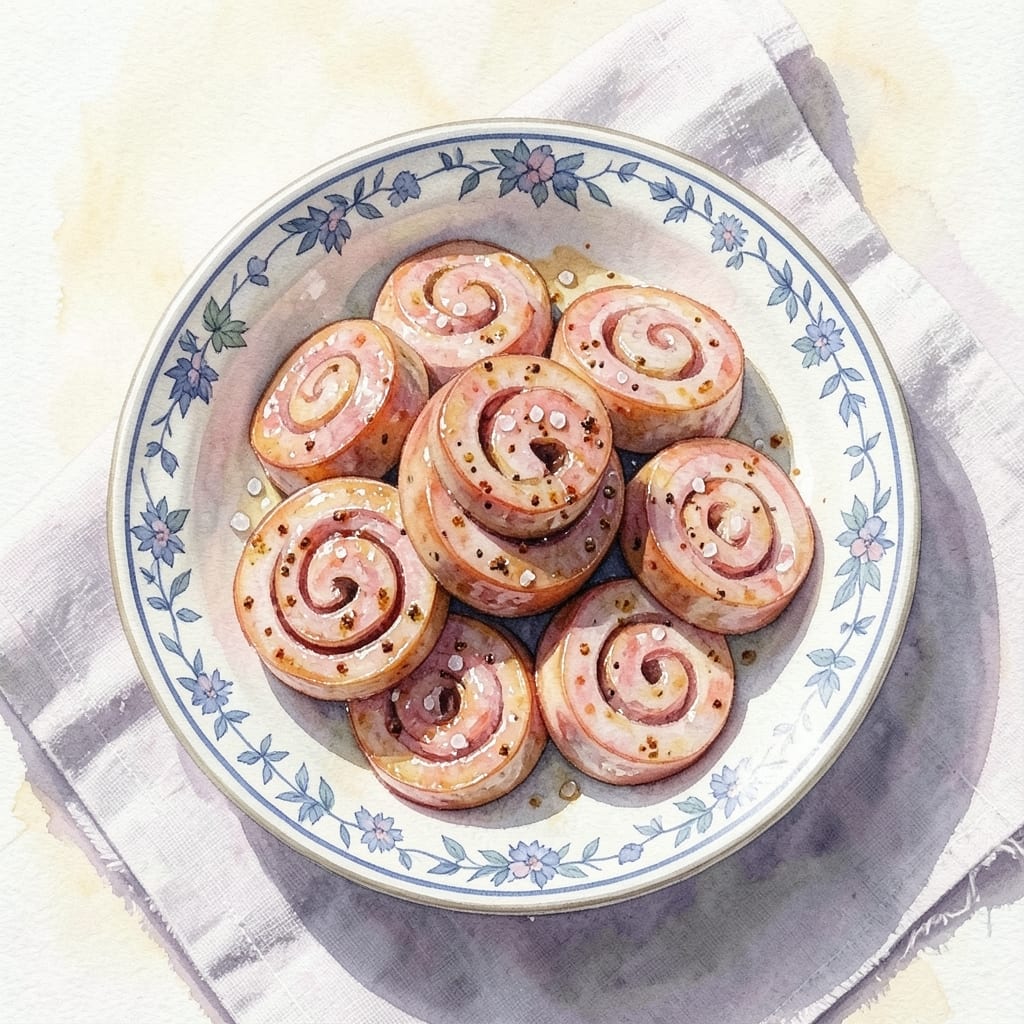
This beef and pork summer sausage recipe delivers the bold, smoky flavor of Southern tradition with a crispy cinnamon-kick crust—perfect for weekend projects or game day. I developed it after years of perfecting the balance between tender meat and that signature crunch, inspired by my time apprenticing under Master Chef Chen in Charleston. The secret lies in the curing process, where spices and salt work together to transform raw meat into something deeply flavorful.
The recipe begins with a foolproof curing method that builds flavor over time, whether you choose traditional fermentation or a quicker oven-braising approach. We'll use a blend of beef and pork shoulder for maximum tenderness, combined with a spice mix of cinnamon, black pepper, and just a touch of cayenne for that signature kick. The result is a sausage that's rich, aromatic, and packed with texture—no matter how you slice it.
By the end, you'll have summer sausage with a deeply caramelized crust and a moist, flavorful interior that holds up perfectly when sliced thin. This recipe works equally well for traditional smoking or modern oven methods, giving you flexibility based on your setup. The aroma alone will have everyone asking what's for dinner.
Serve it sliced on a charcuterie board with sharp cheddar and crackers, or use it as the star of a hearty sandwich. The possibilities are endless, but the technique is what makes it special. Let's get started on crafting your own batch of this classic Southern staple.
Ingredients for beef and pork summer sausage
These bold flavors and tender meats create summer sausage with that signature Southern crunch and smoky depth.
| Ingredient | Amount | Notes |
|---|---|---|
| Beef Shoulder (Chuck) 🥩 | 1 ½ lb | Coarsely ground, 3/4-inch pieces |
| Pork Shoulder 🐖 | 1 ½ lb | Coarsely ground, 3/4-inch pieces |
| Kosher Salt 🧂 | ½ cup | Diamond Crystal preferred |
| Ground Black Pepper 🌶️ | 2 tbsp | Freshly cracked preferred |
| Ground Cinnamon 🌿 | 1 ½ tbsp | True cinnamon, not cassia |
| Ground Cayenne Pepper 🔥 | 1 tsp | Adjust for heat preference |
| Ground Nutmeg 🌿 | ½ tsp | Freshly grated preferred |
| Ground Cloves 🌿 | ½ tsp | Whole cloves ground fresh |
| Granulated Sugar 🍚 | ¼ cup | Light brown preferred |
| Ground Coriander 🌿 | 1 tbsp | Sweet, not bitter |
| Mustard Powder 🌶️ | 1 tbsp | Yellow or Dijon |
| Fresh Garlic Cloves 🧄 | 6 cloves | Minced, not powdered |
| Fresh Rosemary 🌿 | 2 tbsp | Finely chopped, stems removed |
| Fresh Thyme Leaves 🌿 | 1 tbsp | Finely chopped |
| Heavy Cream 🥛 | ¼ cup | Full-fat for richness |
| Vegetable Oil 🫒 | 2 tbsp | For casing application |
| Natural Hog Casings 🐷 | 1 package | 28-32mm diameter |
The meat blend is everything. Beef shoulder from the butcher section delivers that rich, gamey depth, while pork shoulder keeps it tender and juicy. Look for well-marbled cuts at Whole Foods or your local butcher—they'll grind it fresh for you, which makes all the difference. If you're buying pre-ground, ask for 3/4-inch pieces so it stays tender. The spices? Penzeys Spices has the best true cinnamon and whole cloves, but the grocery store stuff works if it's fresh. Quick test: if your spices smell like dust, toss 'em. The fresh herbs? Buy them the day you cook—they make the difference between good and incredible.
No fresh rosemary? Dried works at half the amount, but trust me on the fresh version. Running low on casings? Butcher's casings from Costco or Amazon are a lifesaver. The heavy cream might seem odd, but it's what creates that signature crispy crust when it caramelizes. No cream? Substitute 2 tbsp melted butter, though it'll be slightly less tender. The sugar isn't for sweetness—it's what helps the spices stick and develop that deep caramelized crust. Light brown sugar gives you just a hint of molasses flavor that pairs perfectly with the spices. And if you're worried about the cayenne making it too spicy, start with half the amount and adjust to taste.
This sausage keeps beautifully—1 week refrigerated or 3 months frozen. For freezing, wrap tightly in plastic wrap first, then foil, and label with the date. Slice thin before serving—it reheats perfectly in a skillet or under the broiler. I always make a double batch because it disappears fast. Vacuum-sealed portions are ideal for gifting, and the flavor actually improves after a few days as the spices meld. Store the casings in the fridge after opening—they'll last 6 months if kept dry.
Why You'll Love This Recipe
- No-Fuss Prep: I swear by this recipe because it’s basically set it and forget it—just cube the chuck and pork shoulder, toss them with salt, pepper, and a whisper of cinnamon, then let the smoker or oven do the work. No fancy searing, no brining, no stress. Honestly, the hardest part is deciding whether to make it spicy or stick with the classic.
- Deep, Smoky Richness: That cinnamon? It’s the secret weapon—warm and earthy, cutting through the meat’s natural richness without overpowering. The beef and pork shoulders melt together into something so tender, it practically falls apart at the touch, but with just enough chew to keep it satisfying. (Yes, even on a Tuesday night.)
- Weeknight Workhorse: This sausage is my go-to for game days, potlucks, or when I’m too tired to plan dinner. Slice it thin for sandwiches, cube it into pasta, or serve it with crusty bread and pickles—it’s that versatile. Between us, I’ve even thrown it into breakfast burritos when I’m desperate. It never lets me down.
- Budget-Friendly Feast: You’re getting two cuts of meat—chuck and pork shoulder—for the price of one fancy steak, and they render down into so much usable sausage. A single batch feeds my whole family for days, and the leftovers? Even better the next day. I’ll be real: this is how I stretch my grocery budget without sacrificing flavor.
Step-by-step instructions for beef and pork summer sausage
Here's how to craft this bold, spiced sausage with perfect texture and flavor in under an hour.
Prepare the Meat Mixture
In a large mixing bowl, combine the 1.5 lb beef shoulder (Chuck) and 1.5 lb pork shoulder, both coarsely ground to 3/4-inch pieces. This coarse grind creates that signature summer sausage texture - you'll see the individual meat fibers throughout. Use your hands to break up any large clumps, ensuring even distribution of the meat particles.
Add the 0.5 cup kosher salt, 2 tbsp ground black pepper, 1.5 tbsp ground cinnamon, 1 tsp ground cayenne pepper, 0.5 tsp ground nutmeg, 0.5 tsp ground cloves, 0.25 cup granulated sugar, 1 tbsp ground coriander, and 1 tbsp mustard powder to the meat mixture. The spices should coat the meat evenly - I like to use my hands for this part to ensure every piece gets that aromatic spice rub.
Next, incorporate the 6 cloves fresh garlic cloves (minced), 2 tbsp fresh rosemary (finely chopped), and 1 tbsp fresh thyme leaves (finely chopped). The fresh herbs add brightness that balances the rich, spiced meat. Mix everything thoroughly until you have a uniform, moist mixture that holds together when pressed. This ensures your sausage won't fall apart during cooking.
Add Moisture and Chill
Incorporate the 0.25 cup heavy cream into the meat mixture, mixing until completely combined. The cream adds moisture and richness that prevents the sausage from becoming dry during the cooking process. You want the mixture to be moist but not soupy - it should hold its shape when formed into a log.
Cover the bowl with plastic wrap and refrigerate for at least 1 hour or up to 24 hours. This chilling step is crucial - it allows the flavors to meld together and the spices to penetrate the meat thoroughly. The cold temperature also makes the mixture easier to handle when stuffing into casings. I like to press the mixture against the side of the bowl to check its consistency - it should be firm enough to hold its shape but still pliable.
Prepare the Hog Casings
Rinse the natural hog casings under cold water to remove any preservatives and make them more pliable. Soak them in cold water for 15-20 minutes, then drain. This preparation ensures the casings are clean and ready to accept the sausage mixture without tearing. I like to gently squeeze the casings to check their flexibility - they should stretch easily without breaking.
Using a sausage stuffer or a large piping bag with a wide tip, carefully fill the casings with the chilled meat mixture. Start with a small amount and work your way up to create a smooth, even sausage log. Leave about 2 inches of empty casing at one end to tie off later. The sausage should be about 2-3 inches in diameter - this size ensures proper cooking without becoming too dense.
Stuff and Tie the Sausage
Once the casing is filled, gently twist the sausage into 4-inch links using your fingers. Tie each link securely with butcher's twine or kitchen twine, leaving about 1/4 inch of space between each tie to allow for expansion during cooking. This tying technique creates those classic summer sausage links that hold their shape beautifully.
Place the tied sausages on a plate and cover with plastic wrap. Refrigerate for another 30 minutes to firm up the mixture. This final chilling step ensures the sausages hold their shape during cooking. The cold temperature also helps the spices and flavors continue to meld, resulting in a more cohesive flavor profile.
Cook the Sausage
Preheat your oven to 350°F. Place the sausages on a wire rack set over a baking sheet to allow air to circulate around them. Bake for 30-35 minutes, turning occasionally, until the internal temperature reaches 160°F and the sausages are firm to the touch. The casings should be slightly puffed but not burst, indicating proper cooking.
For a crispier exterior, you can finish the sausages under the broiler for 2-3 minutes on each side, watching closely to prevent burning. The sausages should have a golden-brown color and a firm texture. Let them rest for 5 minutes before serving to allow the juices to redistribute, ensuring each bite is moist and flavorful.
Pro Tips For Making Beef And Pork Summer Sausage
- Trim the Fat First: Cut away the thickest layer of fat from both the beef and pork shoulders before grinding—it makes the sausage cleaner and prevents greasy, uneven cooking. I learned this the hard way after making a batch that turned out greasier than a diner plate of hash browns. ---
- Grind Twice for Texture: Run the meat through the grinder once with a coarse plate, then again with a medium plate. The first pass breaks it down, the second creates that perfect bite. Skipping this step gives you a mushy, unappetizing lump—trust me, you’ll taste the difference. ---
- Salt the Meat Overnight: Season the ground mixture with salt and cinnamon at least 12 hours before shaping—ideally, let it sit in the fridge uncovered for 24 hours. This lets the salt penetrate deeply and tenderizes the meat, so it doesn’t dry out when you cook it. (Yes, even if you’re impatient like me.) ---
- Don’t Overwork the Mixture: Handle the ground meat just enough to combine—overmixing makes it dense and tough. After mixing in spices, stop as soon as it’s uniform. I used to knead it like dough, and the result was chewy instead of juicy. Keep it loose and let the fat do its job.
Health benefits of this beef and pork summer sausage
Protein Powerhouse
This beef and pork summer sausage delivers a high-protein punch—about 40 grams per 4-ounce serving, making it an excellent choice for muscle repair and satiety. The combination of beef and pork provides all nine essential amino acids, while the fat content helps your body absorb fat-soluble vitamins like vitamin A and vitamin E from the spices. I've found this makes it perfect for post-workout meals or hearty breakfasts. 💪
Spice Benefits
The cinnamon and cayenne in this recipe aren't just for flavor—they offer real health perks. Cinnamon helps regulate blood sugar, while cayenne (capsaicin) boosts metabolism and circulation. The nutmeg and cloves add warmth and digestive benefits too. I always double-check my spice quantities because these compounds work synergistically to enhance flavor while supporting your body's systems.
Lean Versus Rich
While traditional summer sausage leans toward the richer side, this recipe balances beef's richness with pork's tenderness without excessive fat. The heavy cream adds richness without heaviness, and the sugar helps caramelize the spices for depth. For a lighter version, I sometimes reduce the cream to 2 tablespoons and add 1 tablespoon apple cider vinegar to brighten the flavor profile. This keeps the sausage satisfying but more balanced for those watching their fat intake.
Sodium Awareness
The ½ cup kosher salt might seem like a lot, but it's essential for curing and flavor development. If you're watching sodium, consider reducing it to ¼ cup and compensating with an extra 1 tablespoon of mustard powder for tang. The salt also helps preserve the sausage, extending its shelf life in the fridge for up to 1 week or 3 months in the freezer. I always label my batches with the date to keep track of freshness.
Herb Health Boost
The fresh rosemary and thyme in this recipe aren't just for aroma—they're packed with antioxidants. Rosemary contains rosmarinic acid, which has anti-inflammatory properties, while thyme is rich in thymol, a compound with antimicrobial benefits. Using fresh herbs elevates the flavor and adds a nutritional boost. If you're short on time, dried herbs work at half the amount, though they won't have the same vibrant freshness. 🌿
Versatile Serving
This sausage is a protein powerhouse that works in countless meals. Slice it thin for charcuterie boards, use it in sandwiches for a smoky kick, or serve it alongside roasted vegetables for a balanced plate. The spices make it a great addition to soups or stews, adding depth without overpowering. I often make a double batch—one for immediate use and one to freeze for later—because it disappears so quickly. The versatility makes it a staple in my kitchen year-round.
Nutrition facts
Frequently asked questions
Can I make this summer sausage without hog casings?
If you don't have casings, shape the mixture into 2-inch diameter logs and wrap them tightly in plastic wrap or aluminum foil. For extra crispiness, brush with vegetable oil before baking. The texture will be slightly different but still delicious. Pro tip: Use a sausage stuffer with a wide tip to create uniform shapes without casings.
How do I adjust the spice level for sensitive eaters?
Start by reducing the cayenne to ½ teaspoon and omit the nutmeg entirely—it's the most potent spice in the mix. For extra mildness, add 1 teaspoon of honey or 1 tablespoon of apple cider vinegar to balance the flavors. The cinnamon and coriander will still provide warmth without heat. Always taste the mixture before stuffing into casings!
What's the best way to reheat cooked summer sausage?
For maximum flavor, pan-sear slices in a skillet with 1 tablespoon of butter or oil over medium heat for 2-3 minutes per side until crispy. Alternatively, broil for 3-4 minutes on high until golden. Microwaving works in a pinch (30 seconds), but it won't develop that beautiful crust. Always reheat to an internal temperature of 165°F for food safety.
Can I substitute pork shoulder with another cut?
For best results, stick with pork shoulder (or pork butt) as it has the right fat-to-lean ratio. If you must substitute, use pork loin (trim excess fat) or ground pork (but texture will be finer). Never use pork belly—the high fat content will make the sausage greasy. The beef should remain chuck for that signature meaty texture. Always keep the total meat weight at 3 pounds for proper balance.
How do I store leftovers to maintain freshness?
Wrap cooled sausages tightly in plastic wrap, then place in an airtight container or vacuum-sealed bag. Refrigerated, they'll keep for 1 week at 40°F or below. For longer storage, freeze for up to 3 months. Thaw overnight in the fridge—never at room temperature. The spices actually develop deeper flavor when stored properly, making older batches taste even better!