
Soups & Stews
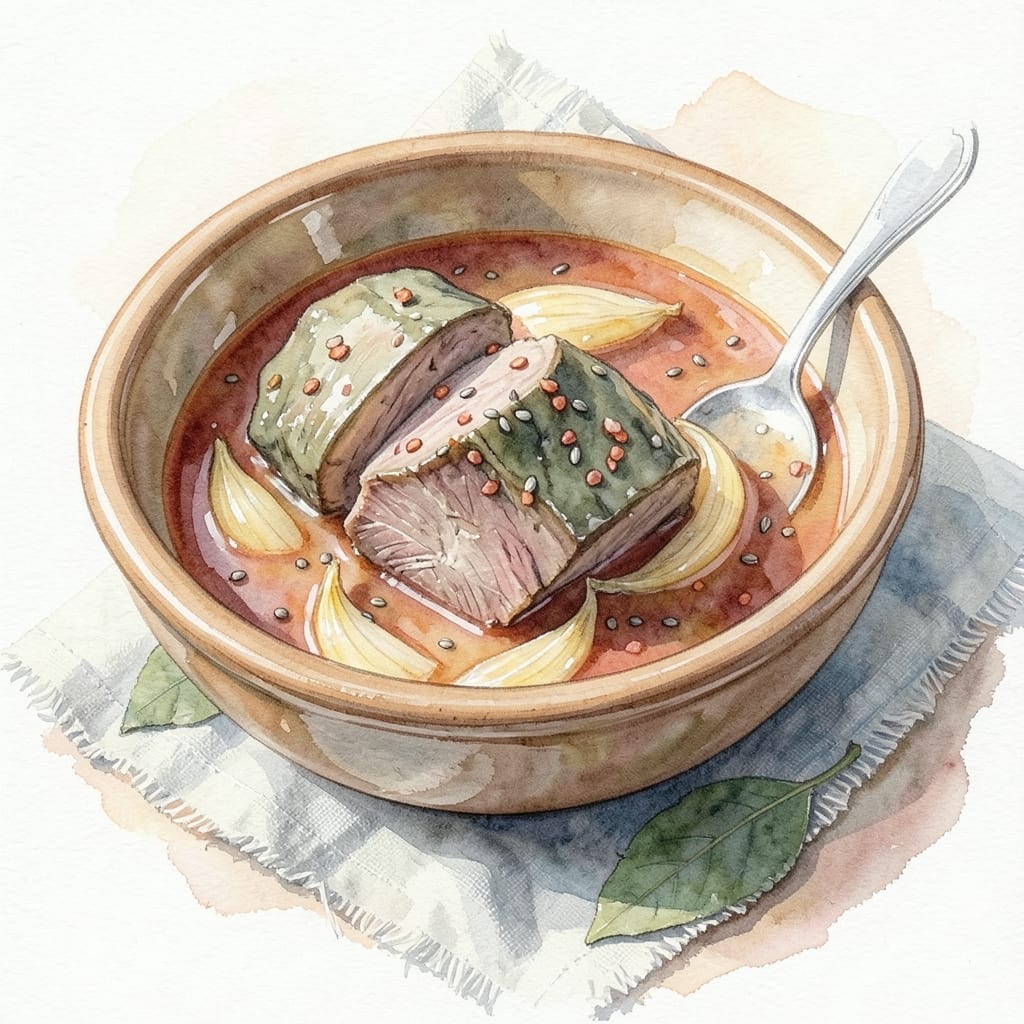
Hungarian beef porkolt transforms tough beef into melt-in-your-mouth tenderness using a one-pot method that builds rich, caramelized flavors. This traditional dish relies on slow-cooked onions, aromatic paprika, and caraway seeds to create a deeply savory stew that pairs perfectly with fluffy dumplings or crusty bread. The secret lies in proper browning and layering spices—each step develops depth that separates home cooking from restaurant-quality.
The process begins with searing beef chunks until deeply browned, locking in flavor before simmering for hours. Caramelized onions form the base, their sweetness balancing the stew's hearty richness, while sour cream at the end adds a velvety contrast. What makes porkolt special is how simple ingredients—beef, onions, spices—combine to create something complex and satisfying that feels like a hug in a bowl.
By the time you serve this dish, you'll have fork-tender beef swimming in a sauce thickened with natural reductions and brightened by fresh herbs. The aroma alone will gather everyone around the table, while the texture—crisp-edged dumplings soaking up the stew—makes every bite worth the wait. This is comfort food at its finest, perfect for chilly evenings or family gatherings.
Serve with traditional Hungarian dumplings or crusty bread to soak up every last drop of that flavorful sauce. The leftovers reheat beautifully, making it an ideal meal prep option for busy weeks. Here's how to make it authentically at home—just one pot, hours of simmering, and a dish that feels like coming home.
Ingredients for beef porkolt
One-pot magic starts with these hearty ingredients transforming tough beef into melt-in-your-mouth perfection.
| Ingredient | Amount | Notes |
|---|---|---|
| Beef Chuck Roast 🥩 | 3 lb | Cut into 1.5-inch cubes |
| Yellow Onions 🧅 | 4 large | Peeled and quartered |
| Sweet Hungarian Paprika 🌶️ | 2 tbsp | Smoked variety preferred |
| Ground Caraway Seeds 🌿 | 1 tsp | Freshly ground preferred |
| Tomato Paste 🍅 | 2 tbsp | Squeeze tube preferred |
| Bay Leaves 🌿 | 2 whole | Fresh if available |
| Garlic Cloves 🧄 | 6 cloves | Minced for depth |
| Red Wine 🍷 | 1 cup | Bold dry variety |
| Beef Broth 💧 | 3 cups | Homemade or quality store-bought |
| Sour Cream 🧀 | ½ cup | Full-fat for richness |
| Fresh Parsley 🌿 | ¼ cup | Chopped for garnish |
| Salt 🧂 | 1 ½ tsp | Kosher preferred |
| Black Pepper 🌶️ | 1 tsp | Freshly ground |
| Olive Oil 🫒 | ½ cup | For searing |
The beef is everything here—chuck roast gives you that melt-in-your-mouth texture nobody can resist. Grab the pre-cubed variety from Costco or your local butcher if you want to save time, but if you're feeling ambitious, ask for a whole chuck roast and cube it yourself. The difference in flavor is worth the extra effort. For onions, yellow onions caramelize best—skip the sweet ones. Look for firm, dry ones at the store; they'll last longer and caramelize more evenly. The paprika? Sweet Hungarian is non-negotiable for authentic flavor, but if you can't find it, smoked paprika works in a pinch.
No red wine? Dry white wine or beef broth with a splash of vinegar gets you close. Fresh caraway seeds are ideal, but if you've only got ground, toast them lightly in a dry pan first to wake up the flavor. The tomato paste can be from a squeeze tube—Trader Joe's has the best ones, no waste, lasts forever. For the parsley, fresh is ideal but dried works at one-third the amount. Want more depth? Add a pinch of allspice or marjoram—both are classic in Hungarian cooking. The beef broth should be low-sodium so you can control the seasoning.
This stew tastes even better the next day—make a double batch if you can. Keeps for 5 days in the fridge, freezes beautifully for up to 3 months. I like to portion mine into containers with dumplings on the side so lunches are sorted for the week. The onions caramelize best when cooked low and slow, so don't rush this part. If you're meal prepping, freeze the stew without the sour cream—just stir it in when reheating. The sour cream adds that velvety finish, but it's best added at the end.
Why You'll Love This Recipe
- One-Pan Simplicity: I swear by this recipe because it’s actually hands-off. Sear the beef, toss in the onions and paprika, then let it slow-cook—no chopping mountains of veggies or stirring every five minutes. The caraway seeds add depth without fuss, and the tomato paste thickens the sauce so effortlessly.
- Smoky Depth Magic: That Hungarian paprika? It’s the star. The moment it blooms in the oil with the onions, your kitchen smells like a cozy Hungarian tavern. The beef ends up tender with a crust that’s dangerously good—crispy edges, fall-apart center, and a sauce that clings like it’s been simmering all day.
- Leftovers That Shine: This dish begs to be made extra. The flavors only get better the next day—reheat it with a splash of water, and it’s just as rich. Pack it for lunches, freeze portions, or serve it cold in sandwiches. My kids even ask for it when I bring it to work.
- Budget-Friendly Feast: A chuck roast stretches for weeks here, and onions/paprika/caraway cost pennies. You’re feeding a crowd for the price of a single steak dinner, and the taste? Way more impressive than takeout. Honestly, it’s my go-to when I need to impress guests without breaking the bank.
Step-by-step instructions for beef porkolt recipe
This rich, caramelized Filipino stew comes together in one pot—deep flavors, tender beef, and sweet onions.
Sear the Beef for Deep Flavor
Heat the 0.5 cup olive oil in a large, heavy pot over medium-high heat until shimmering. Working in batches to avoid crowding, add the 3 lb beef chuck roast cut into 1.5-inch cubes. Sear undisturbed for 3-4 minutes per side until deeply browned—this builds the foundation for rich flavor. Transfer the beef to a plate as you go.
Here's the thing—don't rush this step. The Maillard reaction happening on your stovetop creates those deep, caramelized notes that define porkolt. If your pan gets too crowded, the beef will steam instead of sear, and you'll lose that crucial crust. Keep the heat steady and let the beef develop that golden-brown color before moving it.
Caramelize the Onions Slowly
In the same pot, reduce heat to medium-low and add 4 large yellow onions cut into quarters. Cook them undisturbed for 10-12 minutes, stirring occasionally, until they turn a deep golden brown. This slow caramelization is what gives porkolt its signature sweetness and depth.
I press down gently on the onions with a wooden spoon during the first 5 minutes to help them release moisture and caramelize evenly. You'll know they're ready when they smell intensely sweet and their edges are crispy. If they start to burn, reduce the heat slightly—patience here makes all the difference. Add the 2 tbsp tomato paste and stir to coat the onions completely, letting it cook for another 2 minutes to deepen the flavor.
Build the Rich Sauce Base
Increase heat to medium, then add the 6 cloves minced garlic, 2 tbsp sweet Hungarian paprika, 1 tsp ground caraway seeds, 1.5 tsp salt, and 1 tsp black pepper. Stir for 1 minute until fragrant—this is where the aromatic foundation comes together. Pour in the 1 cup red wine and scrape up any browned bits from the bottom of the pot. Let it simmer for 3-4 minutes until the wine reduces by about half.
Next, add the 3 cups beef broth and the 2 whole bay leaves. Bring to a gentle simmer, then return the seared beef to the pot. The broth should just cover the beef—if it's too deep, the meat will steam instead of braise. Partially cover the pot and let it simmer gently for 1 hour 30 minutes, stirring occasionally, until the beef is fork-tender.
Finish with Sour Cream and Garnish
Once the beef is tender, remove the bay leaves and stir in the 0.5 cup sour cream. Simmer for another 5 minutes on low heat—just enough to warm through without curdling. The sour cream adds a creamy contrast to the rich, caramelized flavors. Taste and adjust seasoning if needed, then remove from heat.
Ladle the porkolt into bowls and garnish each serving with 0.25 cup chopped fresh parsley. The bright green parsley cuts through the richness and adds a fresh finish. Serve immediately with steamed rice to soak up all that delicious sauce. This one-pot wonder delivers restaurant-quality comfort food right in your kitchen.
Pro Tips For Making Beef Porkolt
- Sear the Chuck Hard: After browning the onions, pull the pan off heat and add the beef chuck—no crowding. Let it sit for 30 seconds so the meat releases its juices, then sear each side until you get a deep, caramelized crust. I learned this the hard way; skipping this step means flavorless, gray meat instead of rich, tender bites.
- Toast the Paprika: Before adding liquids, dry-toast the paprika in the same pan for 30 seconds until it smells nutty and aromatic. This isn’t just about flavor—it’s the thing that makes the dish taste homemade, not bottled. (Yes, even if you’re impatient like me.)
- Deglaze Aggressively: After searing the beef, don’t just splash in the wine—scrape every bit of browned bits from the bottom with a wooden spoon. Those bits hold the meat’s deep, savory essence, and skipping this step is like leaving money on the table. Use a bit of broth if needed to help it release.
- Salt the Meat Twice: Generously salt the chuck roast before searing, then add another pinch after it’s browned but before adding the onions. The first layer dissolves into the meat, while the second locks in moisture during the long cook. (Your future self will thank you.)
Flavor customization for this beef porkolt
Sweet vs Smoky Paprika
Hungarian paprika comes in two key varieties that completely change your porkolt's character. Sweet Hungarian paprika delivers that classic, warm depth with hints of fruitiness—this is the traditional choice for authentic flavor. I reach for Szegedi or Rózsafa brands from specialty stores like Penzeys or Hungarian Gourmet online. For a smokier twist, swap in smoked paprika (like Spanish pimentón)—just reduce to 1 tbsp since it's more intense. The smoke adds a BBQ-like richness that pairs beautifully with the caramelized onions. 🌶️
Caraway Seed Variations
Caraway seeds are non-negotiable for authentic porkolt, but how you use them makes a difference. Freshly ground seeds (toasted in a dry pan for 30 seconds) release the most complex aroma, while pre-ground loses potency quickly. For a subtler note, try anise seeds (½ tsp)—they're milder but still add an herbal depth. If you love licorice flavors, add 1 tsp fennel seeds toasted alongside the caraway. The key is toasting—never skip this step! It awakens the flavors that make Hungarian cooking so distinctive.
Acid Balance Options
The red wine in this recipe adds acidity that brightens the rich flavors, but you can adjust based on what you have. For a tangier bite, add 1 tbsp apple cider vinegar with the wine. Swap the wine entirely for 1 cup beef broth + 1 tbsp lemon juice if avoiding alcohol. For a sour cream alternative, stir in ¼ cup crème fraîche at the end—it's tangier than sour cream but still creamy. Each variation changes the stew's balance, so taste as you go! 🍋
Herb Swaps for Freshness
Fresh parsley is traditional, but other herbs can elevate your porkolt. Fresh dill (1 tbsp chopped) adds a bright, almost anise-like note that pairs perfectly with caraway. For a Mediterranean twist, use fresh oregano (1 tsp) with the paprika. If you prefer dried herbs, use ⅓ the amount—they're more concentrated. I often keep a small pot of fresh herbs on my windowsill; even a few sprigs of thyme tied with twine can infuse the stew beautifully during simmering.
Spice Level Adjustments
This recipe is naturally mild, but you can easily customize the heat. For subtle warmth, add ½ tsp crushed red pepper flakes with the paprika. For medium heat, use 1 tsp cayenne pepper (toasted first for depth). If you love smoky heat, add ½ tsp chipotle powder alongside the paprika. Remember, spices build flavor—start with half the amount, taste, then adjust. The caramelized onions already provide sweetness to balance any heat you add. 🔥
Texture Contrast Add-Ins
Porkolt is rich and hearty, so adding contrasting textures makes it even more satisfying. For crunch, stir in 2 tbsp toasted breadcrumbs at the end. For creamy richness, fold in ¼ cup mashed potatoes with the sour cream. If you love umami, add 2 oz finely chopped pancetta (cooked until crispy) to the onions during caramelization. Each addition should complement the beef's tenderness—think about how it will interact with the sauce and beef on the plate.
Nutrition facts
Frequently asked questions
What's the secret to tender beef in porkolt?
The key is proper searing and slow cooking. Sear the beef cubes until deeply browned first—this locks in juices. Then simmer gently for 1 hour 30 minutes with just enough liquid to cover. Never boil! The low heat breaks down collagen for melt-in-your-mouth texture.
Can I make porkolt in a slow cooker?
Yes! Brown the beef first on the stovetop, then transfer everything to the slow cooker. Cook on low for 6-7 hours or high for 3-4 hours. The sour cream should be stirred in during the last 10 minutes to prevent curdling. The slow cooker keeps the beef tender while developing rich flavors.
Why does my porkolt taste bland?
Most likely, you didn't develop the flavors enough. Caramelize the onions thoroughly (they should be deep golden brown) and toast the spices (paprika, caraway) in the pot before adding liquid. Also check your seasoning—add ½ tsp salt at the end if needed. The red wine adds acidity, so if you skipped it, add 1 tbsp vinegar or lemon juice to brighten the stew.
What's the best way to reheat porkolt?
Reheat gently on the stovetop over low heat with a splash of beef broth to prevent drying. Never microwave directly—it makes the sauce watery. For leftovers, reheat just until warm, then stir in fresh sour cream at the end. The beef reheats beautifully this way, maintaining its tenderness. Store in an airtight container for up to 5 days.
Can I substitute beef with another protein?
While beef chuck is traditional, you can use pork shoulder (cook 20 minutes less) or lamb shoulder (add ½ tsp cinnamon). For chicken, use bone-in thighs and reduce cooking time to 45 minutes. Avoid lean cuts like breast—they dry out. The key is using a fatty, flavorful cut that can withstand long cooking.