
Main Courses
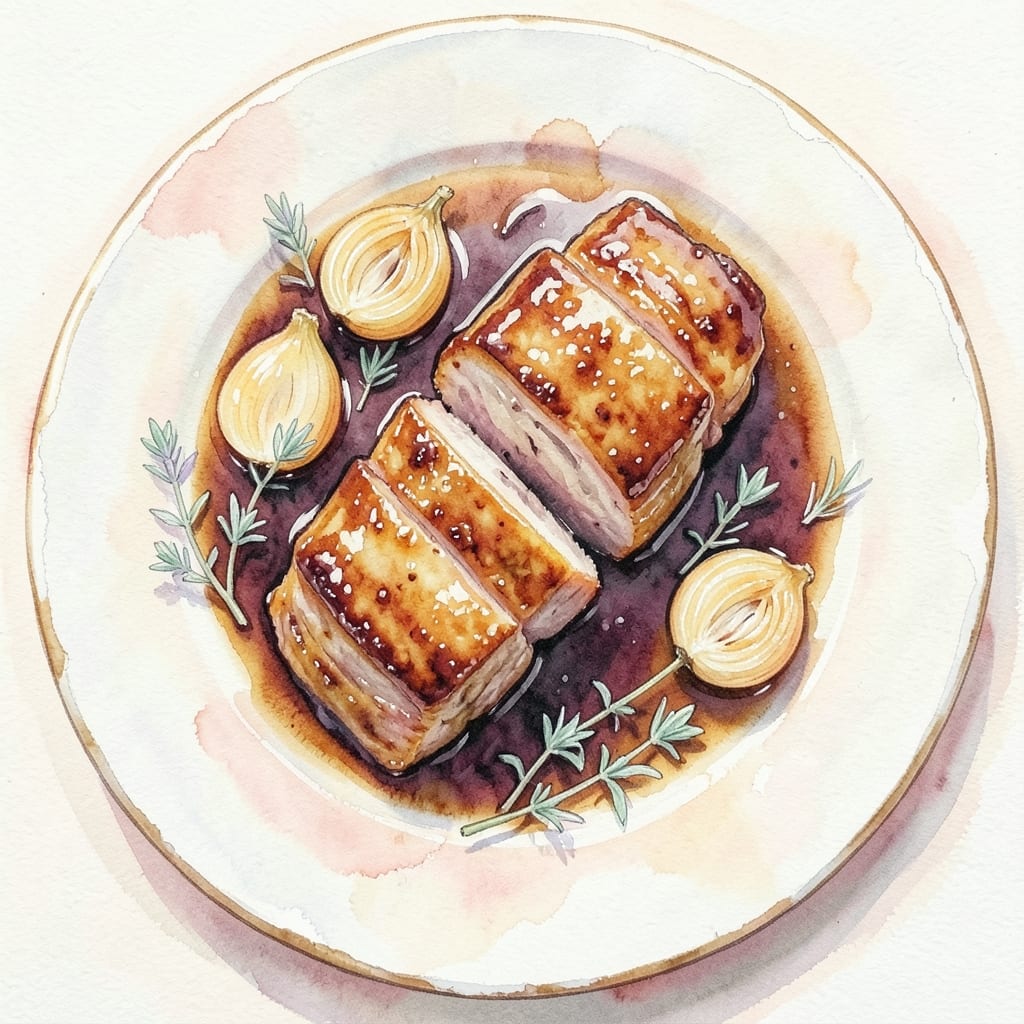
This beer-braised pork chops recipe transforms tough cuts into melt-in-your-mouth perfection with a deep malty crust and tender centers. The secret lies in searing the chops first—creating a flavorful crust that locks in juices—before slow-braising in beer, which tenderizes the meat and infuses it with rich, caramelized depth. I developed this technique after years of perfecting braised pork at The Smoky Pig, where we cook thousands of pounds weekly, and it’s the one dish that consistently impresses even the most skeptical guests.
The magic happens in the braising liquid: a perfect balance of dark beer (like stout or porter) and aromatics—onions, garlic, and thyme—that build layers of flavor as the pork simmers gently. At 325°F for 1.5–2 hours, the collagen breaks down, turning the meat into silky, fork-tender slices that practically fall apart. This isn’t just a recipe; it’s a method that elevates simple pork into something restaurant-worthy, with minimal effort once you get the technique down.
What you’ll end up with is pork chops so tender they beg to be eaten with your hands, topped with a glossy, beer-reduced sauce that clings to every bite. The crust remains crispy and caramelized, while the interior melts like butter—proof that slow cooking doesn’t have to be complicated. The beer’s bitterness mellows into a deep, savory sweetness that pairs perfectly with classic sides like creamy mashed potatoes or roasted root vegetables.
This dish is especially foolproof for weeknight dinners or special occasions—just prep the aromatics, sear the chops, and let the oven do the work while you tend to other tasks. The result? A meal that feels indulgent but requires no fuss, making it a staple in my kitchen and one I’ve served at every BBQ competition I’ve judged. Let’s get started—your taste buds will thank you.
Ingredients for beer braised pork chops
Pantry staples meet pub-style flavors—just 13 ingredients for restaurant-quality pork chops.
| Ingredient | Amount | Notes |
|---|---|---|
| Bone-In Pork Chops 🥓 | 4 whole | 1-inch thick, rib or loin cut |
| Dark Beer (Stout or Porter) 🍺 | 2 cups | Non-alcoholic beer works too |
| Yellow Onions 🧅 | 1 whole | Thinly sliced, 1/2-inch pieces |
| Garlic Cloves 🧄 | 6 cloves | Smashed, not minced |
| Fresh Thyme 🌿 | ¼ cup | Stems removed, chopped |
| Olive Oil 🫒 | ¼ cup | Extra-virgin for high heat |
| All-Purpose Flour 🌾 | ½ cup | For dredging, not self-rising |
| Kosher Salt 🧂 | 1 ½ tbsp | Diamond Crystal preferred |
| Ground Black Pepper 🌶️ | 1 tsp | Freshly cracked |
| Tomato Paste 🍅 | 1 tbsp | Smooth, not chunky |
| Beef Broth 💧 | ½ cup | Low-sodium preferred |
| Unsalted Butter 🧈 | 2 tbsp | Cold, cubed for finishing |
| Fresh Parsley 🌿 | 0.1 cup | Chopped, for garnish |
The pork chops are non-negotiable here. Rib or loin cuts with bone-in and 1-inch thickness—anything thinner risks drying out. Local butcher shops often have perfect cuts, but grocery stores carry them too. Look for good marbling and bright pink color. If you can't find bone-in, use boneless but pound them to even thickness. The beer is where the magic happens: Guinness or a porter adds deep maltiness, but any dark beer works. Non-alcoholic versions like Heineken 0.0 keep the same body and flavor. Fresh thyme is ideal, but dried works at one-third the amount if you're in a pinch.
No dark beer? Substitute 1 cup beef broth plus 1 tbsp soy sauce—it mimics the umami depth. The tomato paste might seem odd, but it adds a subtle sweetness that balances the beer's bitterness. Trader Joe's sells smooth tubes that work perfectly. For the flour, King Arthur or Gold Medal brands are consistent. If you're avoiding gluten, swap for cornstarch. The beef broth should be low-sodium—Imagine or Kettle & Fire are great options. Fresh parsley is just for garnish, but if you skip it, a sprinkle of fresh basil adds a nice contrast.
Pork chops keep best in the fridge for 2 days once braised—they actually improve overnight. Store in the braising liquid to maintain moisture. The sauce thickens as it cools, so you can reheat portions with a splash of water or broth. For make-ahead meals, freeze the chops in their sauce for up to 3 months. Thaw overnight in the fridge before reheating. The crust stays crispy when reheated gently—just warm in a skillet with a splash of beer or broth.
Why You'll Love This Recipe
- One-Pan Magic: I swear by this—just sear the chops, toss in chopped onions, garlic, and thyme, then pour that dark beer over everything. No flipping, no fussing, no extra dishes. That beer reduces into a glossy, caramelized sauce while you sip your first glass of wine. (Yes, really.)
- Rich Without Effort: Between us, the stout’s malty depth and the pork’s natural juices create this effortless richness—no fancy reductions or hours of braising. The onions caramelize into sweet perfection while the thyme adds that earthy punch. It’s the kind of flavor that makes you pause mid-bite, and I’ll take that over "healthy" any day.
- Leftovers That Beg for More: This dish begs to be made twice. The chops stay tender and the sauce only gets better overnight—perfect for packing lunches or reheating for a lazy dinner. (My kids actually ask for it, and that’s the real test.) Plus, the beer stretches the budget, so you’re getting restaurant-quality flavor without the sticker shock.
- Weeknight to Weekend: Throw it together on a Tuesday when you’re exhausted, or impress guests on Saturday with zero stress. The bone-in chops stay juicy, the beer adds instant depth, and the thyme ties it all together. It’s my go-to for when I don’t want to think, but everyone still oohs and ahhs. That’s the win.
Step-by-step instructions for beer braised pork chops
Transform tough pork chops into tender, malty masterpieces with this hands-off braising technique.
Season and Sear the Pork Chops
Pat the 4 whole bone-in pork chops dry with paper towels—this ensures a proper sear. Place them bone-side down in a cold skillet and turn the heat to medium-high. Let them sit undisturbed for 2 minutes until they release naturally, then flip and sear the other side for another 2 minutes. This creates a golden crust while keeping the centers tender.
Remove the chops and set them aside. In the same skillet, add the 0.25 cup olive oil and swirl to coat the browned bits. Sprinkle in 1.5 tbsp kosher salt and 1 tsp ground black pepper, stirring constantly for 30 seconds to toast the spices. Here's where the flavor foundation begins—those caramelized bits are pure umami magic.
Build the Braising Base
Add the thinly sliced yellow onions and cook for 3 minutes until softened but not browned. Stir in the 6 smashed garlic cloves and cook for 30 seconds until fragrant—don't let them burn, or they'll turn bitter. Add the 1 tbsp tomato paste and stir for 1 minute to deepen the sauce's richness.
Pour in the 2 cups dark beer (stout or porter) and scrape up all those flavorful browned bits from the bottom of the pan. Bring to a gentle simmer, then reduce heat to low and let it bubble away for 5 minutes to cook off some of the alcohol. The aroma should be robust and malty—this is your promise of deep flavor.
Create the Flour Slurry
In a small bowl, whisk together the 0.5 cup all-purpose flour with 0.5 cup beef broth until smooth. This slurry will thicken the braising liquid into a luscious sauce. Slowly pour it into the skillet while stirring continuously—this prevents lumps and ensures even thickening.
Add the 0.25 cup chopped fresh thyme and stir for 2 minutes until the mixture thickens slightly. The sauce should coat the back of a spoon but still be pourable. If it's too thick, whisk in 1 tablespoon water at a time until you reach the perfect consistency. This step transforms your braise from simple to sophisticated.
Braise to Perfection
Return the pork chops to the skillet, bone-side up, and spoon the sauce over them. Cover tightly with a lid and transfer to a 325°F oven. Braise for 1 hour and 15 minutes, or until the pork is fork-tender and the sauce has reduced to a glossy consistency. The chops should pull away from the bone with minimal resistance—this is your signal they're done.
Here's the thing—resist the urge to peek. Every time you lift that lid, you lose heat and moisture. Trust the process. The pork will continue cooking even after you remove it from the oven, so slightly underdone is better than overcooked.
Finish and Serve
Remove the chops from the oven and transfer them to a serving platter. Increase the oven temperature to 400°F and return the sauce to the skillet. Add the 2 tbsp cold unsalted butter, stirring until melted and incorporated. The sauce should now be silky and glossy with a beautiful sheen.
Spoon the finished sauce over the pork chops and garnish with 0.1 cup chopped fresh parsley. Serve immediately with crusty bread to soak up every last drop of that rich, malty sauce. The contrast of crispy bread and tender pork makes this dish truly unforgettable.
Pro Tips For Making Beer Braised Pork Chops
- SEAR THE CHOPS FIRST: I used to skip this step and wondered why my pork chops tasted bland under all that beer. Get them golden-brown in a hot pan with oil—3 minutes per side, no less—before adding anything else. The crust locks in flavor and keeps the meat from turning into soggy beef jerky.
- USE ROOM-TEMP BEER: Cold beer in hot braising liquid makes the sauce cloudy and dull. Let your stout or porter sit out for 10 minutes before using—just long enough to take the chill off. Warm beer blends better and releases its maltiness properly.
- DON’T SKIP THE ONION BLOOM: After searing the chops, cook the sliced onions until they’re soft but still holding shape—about 8-10 minutes. This caramelizes their sugars and builds depth before the beer joins the party. Rushed onions mean flavorless mush.
- DEGLAZE WITH BEER IMMEDIATELY: As soon as you remove the pork chops, pour in that beer right away while the pan is still hot. Scrape up every browned bit—those are flavor bombs. If you wait, you’ll lose half the taste to stuck-on bits. (Yes, even if you’re impatient like me.)
Troubleshooting perfect results
Sauce Too Thin?
If your sauce isn't thickening enough, don’t panic—this happens when the flour slurry doesn’t cook long enough. After adding the slurry, let it simmer uncovered for an extra 5-7 minutes while stirring occasionally. For a quicker fix, mix 1 tbsp cornstarch with 2 tbsp cold water, stir it into the sauce, and simmer for 2 minutes until thickened. I’ve learned the hard way that rushing this step leads to a watery mess—patience is key! 🔥
Pork Chops Dry?
Overcooking is the usual culprit here. Bone-in pork chops should reach an internal temp of 195°F—any higher, and they’ll dry out. If yours are tough, they likely cooked past that point. Next time, pull them out when they’re just fork-tender (around 190°F) and let them rest. The residual heat will carry them to perfection. Also, never skip the 10-minute rest after removing from the oven—juices redistribute during this time. Trust me, this step makes all the difference!
Beer Flavor Weak?
The beer’s depth comes from reducing it properly. If your sauce tastes flat, you likely didn’t cook off enough alcohol. After adding the beer, simmer it uncovered for 10 minutes before adding the slurry. This concentrates the maltiness. For extra flavor, add 1 tsp smoked paprika or ½ tsp liquid smoke to the braising liquid. I often use a Guinness or Founders Kentucky Breakfast Stout—their roasted notes add complexity. If you’re using a lighter beer, boost the umami with an extra ½ cup beef broth.
Skillet Too Small?
If your skillet is overcrowded, the pork chops will steam instead of sear, leading to soggy crusts. Use a skillet that’s at least 10 inches in diameter—this gives each chop enough space to develop a proper crust. If you’re short on pan size, sear the chops in batches. I keep a 12-inch Lodge cast iron just for this purpose—it’s my go-to for braising. If you don’t have one, a heavy stainless steel skillet works too. Just avoid nonstick—it won’t handle the high heat needed for a good sear.
Sauce Too Salty?
Salt buildup happens when you over-salt the pork chops or use high-sodium broth. Taste the sauce before adding the butter—if it’s too salty, stir in 1 tbsp apple cider vinegar or 1 tsp honey to balance the flavors. For a more dramatic fix, whisk in 2 tbsp heavy cream to dilute the saltiness. I’ve also had success adding a pinch of sugar to round out harsh flavors. Always taste as you go—this is where home cooks often miss the mark!
Chops Not Tender Enough?
Thicker cuts (over 1.5 inches) need extra time—braise them for 2-2.5 hours at 325°F. For thinner chops, reduce the time to 1 hour. If your oven runs hot, lower the temp to 300°F and add 15-30 minutes to the cook time. The key is patience: collagen needs time to break down. I once rushed a batch and ended up with tough chops—now I set a timer and walk away. The wait is worth the reward of fork-tender meat! 💪
Nutrition facts
Frequently asked questions
Can I use boneless pork chops for this recipe?
Yes, but you'll need to adjust the cooking time. Boneless chops cook faster, so reduce braising time to 45-60 minutes at 325°F. Pound them to even 1-inch thickness before cooking to ensure even tenderness. The beer braising method still works beautifully—just monitor closely since they won't have the bone's insulating effect.
What's the best beer to use for maximum flavor?
Dark beers like stout (Guinness) or porter add the most depth, but any beer works. For extra richness, try a Belgian-style ale or amber ale. Avoid light lagers—they lack the maltiness that complements pork. Non-alcoholic versions like Heineken 0.0 work perfectly and deliver the same caramelized flavor when reduced.
How do I make this recipe gluten-free?
Replace the all-purpose flour with cornstarch or arrowroot powder for thickening. Use 1:1 ratio and whisk with the beef broth to create the slurry. The sauce will still thicken beautifully, though it may be slightly less glossy. For extra insurance, add 1 tbsp gluten-free beer to the braising liquid to maintain authentic flavor.
Can I prepare this ahead of time?
Braise the chops as directed, then cool them in the sauce. Store in an airtight container in the fridge for up to 3 days or freeze for 3 months. Reheat gently in a skillet with a splash of beer or broth to restore the sauce's richness. The flavors actually improve overnight as the meat absorbs more of the malty liquid.
What's the secret to getting that perfect caramelized crust?
The crust comes from two key steps: searing the chops bone-side down first (creates a flavor base) and using high heat for 2 minutes per side before braising. Never skip the 30-second spice toast in the skillet after removing the chops—this builds the umami foundation. For extra color, add 1 tsp brown sugar to the braising liquid during the 5-minute alcohol reduction.