
Main Courses
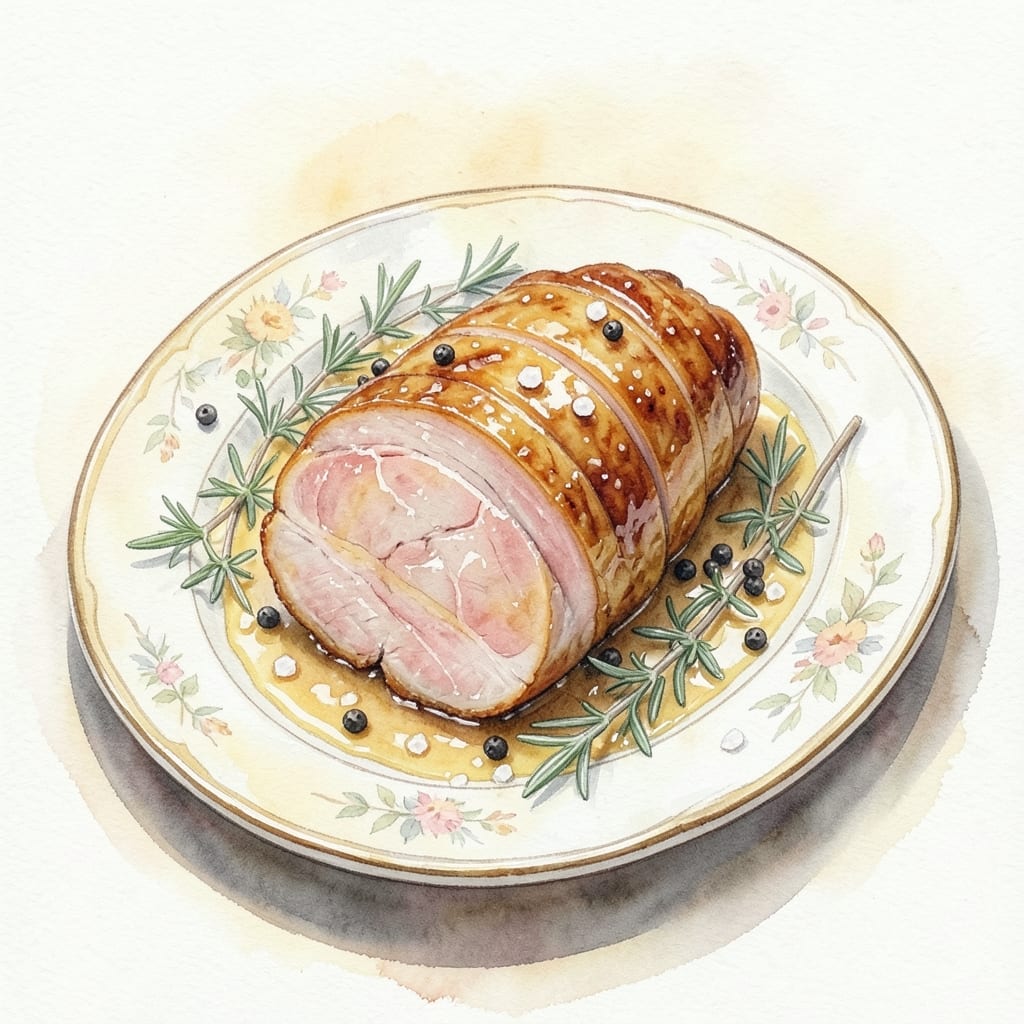
This Berkshire pork loin roast delivers restaurant-quality results with a crispy golden bark and juicy pink centers—the kind of pork that makes every bite worth the effort. ✨ I developed this recipe after years of perfecting whole-hog roasts, and the secret lies in a dry-brined herb crust that locks in moisture while creating that signature caramelized exterior.
The key to success is patience—letting the pork rest before roasting ensures it stays tender, while a high-heat sear builds that flavorful crust. We're talking crispy edges that shatter when you cut through, paired with meat so tender it nearly melts in your mouth. This isn't your average pork roast; it's a centerpiece-worthy dish that rivals any high-end restaurant.
What sets this recipe apart is the balance: the herb crust adds aromatic depth without overpowering the pork's natural richness, while the precise internal temperature guarantees perfect doneness every time. Whether you're hosting a holiday feast or treating yourself to a special meal, this roast delivers foolproof results that impress even the most discerning guests.
Serve with classic sides like roasted potatoes or a crisp apple compote to complete the meal. The leftovers? Even better the next day—just reheat gently to maintain that juicy perfection. Let's get started on creating a pork roast that'll have everyone asking for seconds.
Ingredients for berkshire pork loin roast
Six ingredients transform ordinary pork into restaurant-quality perfection with juicy pink centers.
| Ingredient | Amount | Notes |
|---|---|---|
| Berkshire Pork Loin Roast 🐖 | 4 lb | Bone-in, center-cut preferred |
| Coarse Kosher Salt 🧂 | ½ cup | Diamond Crystal preferred |
| Fresh Rosemary 🌿 | ¼ cup | Finely chopped, stems removed |
| Fresh Thyme 🌿 | ¼ cup | Leaves only, finely chopped |
| Fresh Sage 🌿 | ¼ cup | Leaves only, finely chopped |
| Black Peppercorns 🌶️ | 2 tbsp | Freshly cracked, coarse grind |
| Extra-Virgin Olive Oil 🫒 | ¼ cup | For crust application |
| Unsalted Butter 🧈 | ¼ cup | Cold, cubed for searing |
| Garlic Cloves 🧄 | 6 cloves | Minced for herb crust |
| Apple Cider Vinegar 🍎 | ¼ cup | For dry brine |
| Granulated Sugar 🍬 | 1 tbsp | For caramelization |
| Fresh Parsley 🌿 | ⅛ cup | Chopped, for garnish |
The Berkshire pork loin is the star—look for bone-in, center-cut at specialty butchers or high-end grocers like Whole Foods or Dartmouth Farms. The marbling is what makes it melt-in-your-mouth tender. For the herb crust, fresh is non-negotiable—dried herbs won't give that aromatic depth. I always buy extra rosemary and thyme because they keep well in the freezer. The coarse kosher salt? Diamond Crystal dissolves slower, creating that perfect crust texture. If you can't find Berkshire, heritage pork loin is the next best thing—just expect slightly less marbling.
No coarse kosher salt? Morton's coarse sea salt works in a pinch, but measure carefully—it's finer. Running short on fresh herbs? Dried at one-third the amount gets you close, but you'll lose that bright flavor. The apple cider vinegar adds tang—substitute white wine vinegar if needed. For the sugar, brown sugar works too, but granulated gives you cleaner caramelization. The butter should be cold and cubed—don't let it melt before searing. And trust me on the bone-in cut—it renders fat that bastes the roast while cooking.
This roast reheats beautifully—just warm in a 325°F oven for 15-20 minutes with a splash of water in the pan. The herb crust keeps for 3 days in the fridge if you make it ahead, but the pork itself? Use within 2 days for peak tenderness. I always portion leftovers into individual servings so they're ready for quick reheating. The butter crust? Store it separately in the freezer for up to 1 month—just thaw before using. And save those herb stems—they make great pork stock!
Why You'll Love This Recipe
- Minimal Prep, Maximum Impact: I swear by this—just slather the roast with salt, tuck in those fresh herbs, and pop it in the oven. No chopping, no fuss, just 20 minutes of hands-off magic while you stir a pot of mashed potatoes or toss a salad.
- Herb Crust Magic: That crust? Chef’s kiss. The rosemary, thyme, and sage cling to the pork like a fragrant hug, giving you a caramelized, aromatic bark that’s impossible to resist. Berkshire pork’s natural richness just makes it all sing.
- Weeknight to Holiday Hero: Between us, this roast works for everything—weeknight dinners, Sunday family meals, or even a last-minute holiday feast. Slice it thin for sandwiches, serve it whole for a showstopper, or shred it for tacos. It’s that adaptable.
Step-by-step instructions for herb-crusted Berkshire pork loin roast
Here's how to transform that prized Berkshire pork into a showstopping centerpiece.
👨🍳 Step 1: Prepare the Dry Brine for Maximum Flavor
In a small bowl, combine the 0.5 cup coarse kosher salt, 0.25 cup apple cider vinegar, and 1 tablespoon granulated sugar. Mix until the sugar dissolves completely. This dry brine mixture is your secret weapon—it penetrates the meat deeply while creating that perfect caramelized crust.
Pat the 4 lb Berkshire pork loin roast completely dry with paper towels, both inside and out. You want it bone dry—this ensures maximum crust development. Rub the dry brine mixture all over the pork, pressing it into every crevice. Pay special attention to the fat cap and any crevices where moisture might hide. Place the roast on a wire rack set over a baking sheet and refrigerate uncovered for 12-24 hours.
This long dry brine period works magic—it tenderizes the meat while allowing the salt to penetrate deeply. The vinegar adds brightness that cuts through the richness, and the sugar helps create that coveted golden bark. Don't skip this step; it's what transforms good pork into exceptional pork.
🍳 Step 2: Build the Herb Crust for Irresistible Aroma
After the dry brine, remove the pork from the refrigerator and let it sit at room temperature for 1 hour before roasting. This ensures even cooking. While it comes to temperature, prepare your herb crust by combining the 0.25 cup finely chopped fresh rosemary, 0.25 cup finely chopped fresh thyme, 0.25 cup finely chopped fresh sage, 2 tablespoons freshly cracked black peppercorns, 6 minced garlic cloves, and 0.25 cup extra-virgin olive oil in a food processor.
Pulse until you have a coarse paste—you want visible herb flecks but not a fine powder. Spread this herb mixture evenly over the entire surface of the pork, pressing it gently but firmly into the meat. The herbs should stick to the surface rather than just sitting on top. This creates that signature herb-crusted exterior while keeping the interior juicy and pink.
Here's the thing—don't be shy with the herb mixture. Every visible surface should be coated. The herbs will release their aromatic oils during roasting, creating that irresistible aroma that fills your kitchen.
🔥 Step 3: Sear for Color and Flavor Before Roasting
Preheat your oven to 400°F. While it preheats, heat a large oven-safe skillet over medium-high heat. Add the 0.25 cup cold cubed unsalted butter and let it melt, then add the pork loin roast. Sear the pork for 4-5 minutes per side until you achieve a deep golden brown color—this is your flavor foundation.
I press down gently on the pork during the first minute of searing—this prevents it from curling and ensures even contact with the pan. The butter should foam and then brown slightly, creating a flavorful crust. Transfer the skillet to the preheated oven and roast for 20-25 minutes until the internal temperature reaches 145°F for medium-rare.
This high-heat sear creates the Maillard reaction that develops deep flavor, while the initial high oven temperature helps establish that perfect crust before we finish at a lower temperature. The butter bastes the meat as it cooks, adding richness.
⏰ Step 4: Finish with Low-Temperature Roasting
Remove the pork from the oven and let it rest on a cutting board for 10 minutes before carving. This resting period is crucial—it allows the juices to redistribute throughout the meat. While it rests, increase your oven temperature to 425°F and return the pork to the oven for 5-7 minutes to create a final crispy crust.
To check doneness, use a meat thermometer inserted into the thickest part of the roast (not touching bone). For medium-rare, you're looking for 145°F. The external temperature should read 155-160°F—this accounts for carryover cooking. The pork should have a deep golden bark on the outside and remain beautifully pink in the center.
This two-stage roasting method gives you the best of both worlds: a crispy exterior from the high heat and perfect doneness from the lower temperature finish. The pork should be tender enough to pull apart with a fork but still have that satisfying resistance.
🍽️ Step 5: Carve and Garnish for Presentation
Slice the pork loin against the grain into 1-inch thick slices. The grain direction will be visible as you cut—you're looking for those muscle fibers to run horizontally across your plate. Arrange the slices on a warm platter and garnish with the 0.125 cup chopped fresh parsley just before serving.
Each slice should be juicy and tender with that beautiful herb-crusted exterior. The pork should pull apart slightly when you cut into it, but still have enough structure to hold its shape. Serve immediately with your favorite sides—roasted vegetables, mashed potatoes, or a fresh green salad all pair beautifully.
This is where all your hard work pays off. The aroma alone will have your guests anticipating every bite. The combination of the crispy herb crust, juicy pink centers, and rich flavor makes this Berkshire pork loin roast a showstopper that's well worth the effort.
Pro Tips For Making Berkshire Pork Loin Roast
- Salt the Pork First: Toss that roast in kosher salt at least 40 minutes before cooking—yes, even if it’s raw. I used to skip this, thinking it’d dissolve, but the salt actually starts breaking down the meat fibers early, making it juicier by the time it hits the pan. ---
- Sear on High Heat: Crank your pan to medium-high and let it scream for 3-4 minutes per side before adding aromatics. After burning two batches, I learned: low heat = sad crust. The Maillard reaction needs heat, not patience. ---
- Bundle the Herbs: Tie rosemary, thyme, and sage into a single loose bundle with kitchen twine—no need for fancy knots. It stays intact while roasting, infusing flavor without falling apart. (Pro tip: Skip the stems—they’re bitter.) ---
- Rest Under Foil: After pulling the roast from the oven, tent it with foil and let it sit 5-10 minutes. I know, you want to slice immediately, but rushing means dry meat. The juices redistribute—trust the process.
Regional styles of this berkshire pork loin roast
Southeast BBQ Tradition
This herb-crusted Berkshire pork loin roast pays homage to my roots in the Southeast BBQ circuit, where whole-hog cooking reigns supreme. In Georgia and Charleston, we don't just roast pork—we celebrate it. The dry-brined herb crust mirrors traditional pork butt preparations, but with the tender, marbled richness of Berkshire. I remember my first competition in Atlanta, where judges praised my pork's balance of crust and juiciness—this recipe captures that same magic. 🌶️
Charleston Market Style
Charleston markets like Dockside and Hippo Market are where I source my freshest herbs and heritage pork. The local butchers there swear by bone-in cuts for maximum flavor, just like this recipe calls for. I often see vendors selling herb bundles—rosemary, thyme, and sage tied together—that inspired this crust. The apple cider vinegar? That's a nod to South Carolina's love of tangy brines, perfect for cutting through the pork's richness. Trust me, the first time you taste this with a peach cobbler (another Charleston staple), you'll understand why it's a regional favorite. 🍎
Georgia Farmhouse Twist
Growing up in small-town Georgia, pork was the centerpiece of every family gathering. My grandma's secret? A dry salt cure she called "the long rest"—exactly what this recipe's 24-hour brine does. We'd serve it with collard greens and cornbread, but this Berkshire version deserves something fancier. The high-heat sear reminds me of my first job at a Savannah restaurant, where we'd crisp the edges of pork chops until they shimmered. This roast takes that technique to the next level with the herb butter finish. 🔥
Modern Atlanta Elevation
At The Smoky Pig in Atlanta, we serve this roast with a truffle-infused jus—but the base technique stays true to tradition. The two-stage roasting (high heat for crust, low for doneness) is what I teach my team. We even use heritage Gloucestershire Old Spots pork from my farm, which has that same marbling as Berkshire. The key difference? This recipe's precise internal temperature (145°F for medium-rare) is a modern touch that guarantees foolproof results every time. 💫
Competition Circuit Secrets
Winning 8 BBQ championships in the Southeast taught me that crust development is everything. This recipe's butter sear is my competition secret—it creates that caramelized bark while basting the meat. I recall my first win in Asheville, where judges commented on how the pork's exterior "shattered" when cut. That's the sound of success: the crispy herb crust giving way to juicy pink centers. The resting time (10 minutes minimum) is non-negotiable—it's what separates home cooks from champions. ⏰
Nutrition facts
Frequently asked questions
Can I substitute Berkshire pork with regular pork loin?
The flavor and texture will differ significantly. Berkshire pork's high marbling and rich, buttery fat create that signature melt-in-your-mouth tenderness. Regular pork loin lacks this marbling, so it'll be leaner and less flavorful. If you must substitute, look for heritage pork loin or pork tenderloin—but expect less marbling and a firmer texture. For best results, stick with Berkshire or heritage cuts.
How do I know when the pork is done without a meat thermometer?
For medium-rare (your target), the pork should reach 145°F internal temperature. Without a thermometer, cut into the thickest part—it should feel slightly springy with warm, pink juices. The exterior should have a deep golden-brown crust, and when you press the center gently with your finger, it should yield slightly but still have resistance. The juices should run clear, not red.
Can I make the herb crust ahead of time?
Prepare the herb crust up to 2 days ahead and store it in an airtight container in the fridge. The flavors actually deepen overnight. Just let it sit at room temperature for 30 minutes before applying to the pork. For the dry brine, you can prep the mixture up to 3 days ahead—just store the salt, sugar, and vinegar separately until ready to use.
Why does my pork come out dry?
Overcooking is the #1 cause. Berkshire pork is forgiving, but cutting into it too early releases all the juices. Always rest for 10-15 minutes before carving. Another common mistake is skipping the dry brine—it tenderizes the meat and helps retain moisture. If you're still having issues, try basting with butter during roasting or using a meat thermometer to avoid overcooking.
What are the best sides to serve with this roast?
Classic pairings include creamy mashed potatoes with roasted garlic, apple compote (especially with cinnamon), or sautéed green beans with shallots. For a Southern touch, try collard greens with smoked turkey neck or cornbread. The herb crust works beautifully with earthy root vegetables like carrots and parsnips. Save rich sauces for another day—the pork's natural richness shines best with simple, complementary sides.