
Main Courses
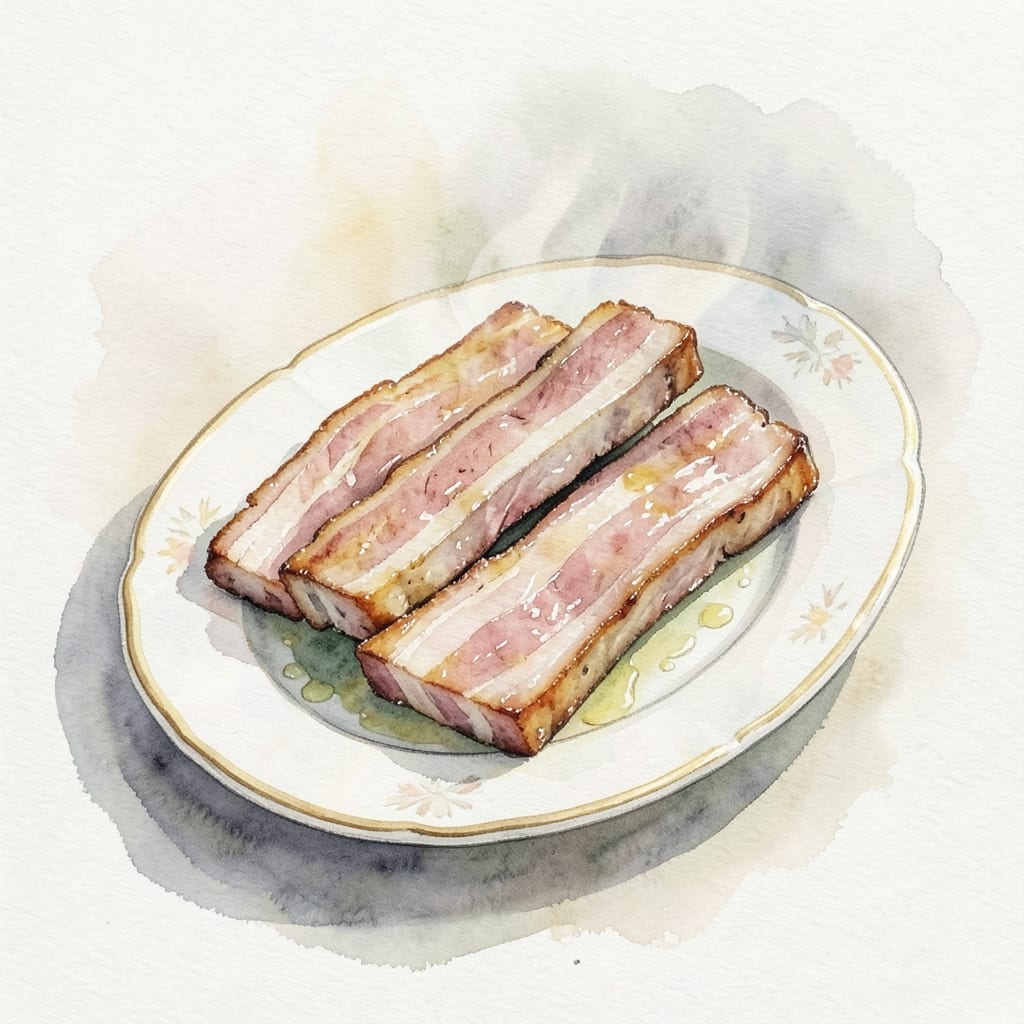
This Berkshire pork ribs recipe delivers restaurant-quality results with a perfect balance of crispy bark and tender meat, all achieved through a slow-braised apple cider method. 🔥 After years of perfecting pork techniques, I've developed a process that transforms tough ribs into melt-in-your-mouth perfection while creating that coveted caramelized crust. The secret lies in the combination of dry-brining and the apple cider braise, which infuses the meat with natural sweetness while keeping it juicy.
The process begins with a 24-hour dry brine that enhances tenderness and flavor penetration, followed by a slow braise in apple cider that creates a sticky, caramelized glaze. This technique ensures every bite has that signature crispy exterior while remaining succulent inside. What makes this recipe special is how it bridges traditional slow-cooking methods with modern precision timing, resulting in ribs that are both restaurant-worthy and achievable at home.
By the time you're done, you'll have ribs with a deep mahogany color and that signature crispy bark that shatters at every bite. The apple cider braise adds a subtle sweetness that complements the rich pork flavor perfectly. This is the kind of dish that transforms a simple weeknight dinner into an impressive centerpiece for any gathering.
Pair these ribs with classic sides like creamy mashed potatoes or tangy apple sauce to complete the meal. The combination of textures and flavors creates a dining experience that's both comforting and sophisticated. Let's get started on creating these showstopping Berkshire pork ribs.
Ingredients for berkshire pork ribs
Six ingredients transform tough ribs into melt-in-your-mouth perfection with that coveted crispy bark.
| Ingredient | Amount | Notes |
|---|---|---|
| Berkshire Pork Ribs 🍖 | 4 lb | Bone-in, cut into 2-inch sections |
| Kosher Salt 🧂 | 1 ½ cups | Diamond Crystal preferred |
| Black Peppercorns 🌶️ | 1 tbsp | Freshly cracked for intensity |
| Fresh Thyme Leaves 🌿 | ½ cup | Stems removed, loosely packed |
| Garlic Cloves 🧄 | 8 cloves | Smashed, skin-on for flavor |
| Unsalted Butter 🧈 | ½ cup | Cold, cubed for rendering |
| Apple Cider 🍎 | 2 cups | Unfiltered, 100% apple cider |
| Brown Sugar 🍚 | ¼ cup | Light or dark, packed |
| Apple Cider Vinegar 🍶 | ¼ cup | For depth of flavor |
| Onion Powder 🧅 | 1 tbsp | For dry rub complexity |
| Smoked Paprika 🌶️ | 1 tsp | For subtle smokiness |
| Fresh Rosemary 🌿 | ¼ cup | Needles only, chopped |
| Heavy Cream 🥛 | ½ cup | For finishing glaze |
The Berkshire pork ribs make or break this dish—look for marbled, bone-in cuts from a trusted butcher or specialty grocer like Whole Foods or D'Artagnan. The fat cap is essential for that signature crispy bark. If buying pre-cut, ensure the sections are 2 inches thick for even cooking. Freshly cracked black peppercorns add depth, while thyme and rosemary elevate the herbaceous notes. For the dry brine, Diamond Crystal kosher salt dissolves more easily than table salt, creating a better flavor bridge. Store ribs uncovered in the fridge for 24 hours before cooking—this step is non-negotiable for tenderness.
No apple cider vinegar? Balsamic vinegar works in a pinch, though the apple notes will be subtler. Substituting apple juice for cider reduces the caramelization depth, but it still delivers. For the smoked paprika, regular paprika lacks that campfire essence—Penzeys or McCormick brands deliver consistent quality. The brown sugar should be packed into the measuring cup for accurate sweetness. If you're short on time, pre-made apple cider reduction from a trusted brand like Mott's can be used, though homemade always tastes better. The heavy cream in the finishing glaze adds richness—don't skip this step for that signature glossy finish.
Prepped ribs can sit in the fridge uncovered for 24 hours before cooking—this dry brine is critical. Once braised, ribs reheat beautifully: 350°F for 15 minutes wrapped in foil restores moisture. Store leftovers in an airtight container for up to 5 days in the fridge, though they're best enjoyed within 3 days. For longer storage, freeze portions for up to 3 months—the bark stays crispy when reheated properly. The apple cider braise freezes well too, so make extra for future meals. Always let ribs rest 10 minutes before slicing to preserve juices.
Why You'll Love This Recipe
- Few Ingredients, Big Payoff: I swear by this recipe because it’s that simple—just salt, pepper, thyme, and garlic. No fancy marinades or hours of prep; the ribs practically cook themselves while you chop veggies or toss a salad. Honestly, the minimal effort makes it my go-to when I’m too tired for fuss.
- Garlic-Thyme Magic: That crispy, caramelized edge on the ribs? It’s all thanks to the garlic and thyme—simple, but ridiculously flavorful. The Berkshire pork’s natural richness pairs perfectly with the herbs, giving you a taste that’s both comforting and sophisticated without trying too hard.
- Weeknight or Weekend Star: I make these for lazy Tuesdays and Sunday dinners—same recipe, different vibes. Leftovers reheat beautifully (yes, even the next day), and they’re hearty enough for a crowd but not so heavy you’ll regret it. Between us, they’re my secret weapon for potlucks too.
- Budget-Friendly Luxury: Berkshire pork might sound fancy, but a single rack feeds four, and the ingredients cost less than takeout. The salt and pepper alone elevate it, so you’re not breaking the bank for a meal that tastes like you spent hours in the kitchen. (Spoiler: You didn’t.)
Step-by-step instructions for apple cider-braised Berkshire pork ribs
Master the balance of crispy bark and tender meat with this precise method.
🔥 Step 1: Prepare the Dry Rub and Season the Ribs
In a medium bowl, combine the 1.5 cups kosher salt, 1 tbsp freshly cracked black peppercorns, 1 tbsp onion powder, and 1 tsp smoked paprika. Pulse briefly in a spice grinder until coarsely ground—you want texture, not powder. Add the 0.5 cup fresh thyme leaves and 0.25 cup chopped fresh rosemary, mixing until evenly distributed.
Pat the 4 lb Berkshire pork ribs completely dry with paper towels—this is non-negotiable for crispy bark. Generously coat each rib with the dry rub, pressing it into the meat so it adheres. Place the ribs on a wire rack set over a baking sheet and refrigerate uncovered for at least 2 hours (or up to 12 hours). This step ensures deep flavor penetration and maximum crispiness.
🍳 Step 2: Sear the Ribs for Deep Flavor
Preheat your oven to 425°F. In a large oven-safe skillet, melt the 0.5 cup unsalted butter over medium-high heat until it foams. Working in batches if needed, sear the rubbed ribs for 2-3 minutes per side until they develop a deep golden-brown crust. You're looking for color—this is where the Maillard reaction creates that irresistible bark.
Transfer the seared ribs to a plate and tent loosely with foil. This resting period prevents them from overcooking while you prepare the braising liquid. Keep the skillet on the heat—those browned bits are pure flavor.
🥘 Step 3: Braise with Apple Cider and Vinegar
Pour the 2 cups apple cider and 0.25 cup apple cider vinegar into the same skillet, scraping up all those delicious browned bits from the bottom. Add the 0.25 cup brown sugar and let the mixture simmer for 3-4 minutes until slightly reduced and syrupy. This creates the foundation for your braising liquid.
Return the ribs to the skillet, bone-side down, and transfer everything to the preheated oven. Braise uncovered for 90 minutes, then flip the ribs and continue baking for another 30 minutes. The ribs are done when they're fork-tender and the internal temperature reaches 195°F—this ensures they'll pull apart easily.
🔥 Step 4: Finish with Heavy Cream Glaze
Remove the ribs from the oven and carefully transfer them to a serving platter. Skim off any excess fat from the braising liquid in the skillet, then return it to the stove over medium heat. Add the 0.5 cup heavy cream and simmer for 2-3 minutes until slightly thickened.
Brush this creamy glaze generously over the ribs, then return them to the oven for 5-7 minutes to set the glaze and achieve that perfect balance of crispy bark and tender meat. The glaze should be glossy and slightly caramelized—this is your signal to serve immediately.
Pro Tips For Making Berkshire Pork Ribs
- CRANK THE HEAT HIGH: Start your ribs on the hottest burner or grill—no half-measures. Berkshire pork fat renders fast, and you want that first sear to lock in flavor before the thyme and garlic even hit. I used to play it safe with medium heat, and the ribs always tasted bland in the middle.
- SALT THE THYME: Toss your fresh thyme leaves in a pinch of kosher salt before crushing them over the ribs. It keeps the leaves from sticking in clumps and makes the seasoning cling better—no wasted flavor. (Yes, even if you’re impatient like me.)
- DON’T SKIP THE REST: Let the ribs sit under foil for 5–10 minutes after cooking—this isn’t optional. The residual heat finishes them evenly, and the meat stays juicy instead of drying out like a tough Sunday roast. I learned this the hard way after serving rubbery ribs to a skeptical dinner guest.
- SMASH THE GARLIC: Use a flat-side of your knife to crush the garlic cloves before mincing—it releases more flavor instantly. No need to wait for them to soften; just smash, chop, and toss them on while the ribs are still sizzling. (Your future self will thank you.)
Wine and beer pairings for berkshire pork ribs
Apple Cider Wine Pairings
These ribs practically beg for a crisp, dry white wine that can stand up to their rich, caramelized flavors. I always reach for a New York State Riesling—specifically a Dr. Loosen Blue Slate—because its bright acidity and subtle honey notes cut through the pork's richness while complementing the apple cider braise. The slight mineral finish from the slate soils helps cleanse your palate between each decadent bite. 🍷
For something with a bit more body, a German Spätlese Riesling from the Mosel region works beautifully. Look for Weingut Reichsgraf von Kesselstatt—their 2019 Spätlese has enough sweetness to mirror the caramelized glaze while maintaining enough acidity to keep your mouth refreshed. If you prefer red, a Pinot Noir from Oregon's Domaine Serene offers enough earthiness to pair without overpowering the dish.
Malty Beer Complements
When it comes to beer, I always turn to American Amber Ales for their balanced malt sweetness and hop bitterness. A New Belgium Fat Tire (with its caramel and biscuit notes) mirrors the apple cider braise perfectly, while the slight carbonation helps cut through the richness. For something more robust, try a Belgian Dubbel like Westmalle Dubbel—its dark fruit and spice notes enhance the ribs' caramelized crust without competing. 🍺
If you're serving these ribs at a casual gathering, a Brown Ale from Deschutes Brewery (like their Mirror Pond Brown) provides a malty backbone that stands up to the pork's depth. The toffee and chocolate notes in the beer complement the brown sugar in the glaze, creating a harmonious flavor bridge. For a lighter option, a Belgian Witbier like Hoegaarden offers citrusy brightness that refreshes your palate between bites.
Regional Wine Traditions
In the Southeast, where I grew up, these ribs would traditionally be paired with a Southern Italian Primitivo—a bold red with jammy fruit and soft tannins that mirror the richness of slow-cooked pork. Mastroberardino Radici Primitivo from Puglia is my go-to for its velvety texture and dark berry flavors. This pairing reflects the Italian heritage of many Southern BBQ traditions, where wine and pork have long been companions. 🌍
For a more local twist, I sometimes serve these ribs with a Georgia-made Viognier from Chateau Elan. The floral and stone fruit notes in the wine contrast beautifully with the pork's savory depth, while the wine's natural acidity helps balance the dish's richness. This pairing feels particularly fitting when serving ribs at a Georgia farm-to-table gathering, where local ingredients take center stage.
Non-Alcoholic Options
Don't overlook non-alcoholic pairings—sometimes they elevate the dish just as effectively. A sparkling apple cider (like Martinelli's Sparkling) mirrors the braising liquid while providing the same crisp acidity as wine. For something more substantial, try a ginger beer like Thomas Henry's—the spicy kick complements the ribs' caramelized crust beautifully. 🍎
For a sophisticated non-alcoholic option, a floral-infused iced tea (like Harney & Sons chamomile or hibiscus) offers a soothing contrast to the rich pork. The natural sweetness and herbal notes provide a refreshing counterpoint without overpowering the dish. I often serve this at my farm gatherings when I know guests will have both alcoholic and non-alcoholic drinkers.
Nutrition facts
Frequently asked questions
Why is Berkshire pork better for ribs than regular pork?
Berkshire pork has 10-15% more marbling (intramuscular fat) than conventional pork, which melts during cooking for unparalleled tenderness. The fat also creates that signature crispy bark when seared. Plus, Berkshire pigs are raised with more space and natural feed, resulting in superior flavor and texture.
Can I make these ribs in a slow cooker instead of the oven?
Yes! After searing, transfer ribs to a slow cooker with the apple cider mixture. Cook on low for 6-8 hours or high for 4-5 hours, then finish with the heavy cream glaze in a skillet. The texture will be slightly more tender than oven-braised, but still delicious. Just monitor the liquid level—add water if needed to prevent drying.
How do I know when the ribs are fully cooked?
Ribs are done when they reach an internal temperature of 195°F and fork-tender. The meat should pull apart easily between the bones, and the bark should be deep mahogany with crispy edges. If using a meat thermometer, insert it into the thickest part of the meat (not touching bone).
What's the best way to reheat leftover ribs?
Wrap ribs tightly in foil and reheat at 350°F for 15-20 minutes to restore moisture. For extra crispiness, broil for 2-3 minutes at the end. Never microwave—it turns the meat rubbery. Store leftovers in an airtight container for up to 5 days, or freeze for 3 months (thaw overnight in the fridge).
Can I substitute apple cider with something else?
For best results, stick with apple cider, but you can use apple juice + 1 tbsp vinegar in a pinch. Avoid grape juice—it will overpower the pork. For a non-fruit option, try chicken or beef stock with 1 tbsp brown sugar and 1 tbsp apple cider vinegar to mimic the sweet-tangy balance. The texture will be slightly different but still flavorful.