
Main Courses
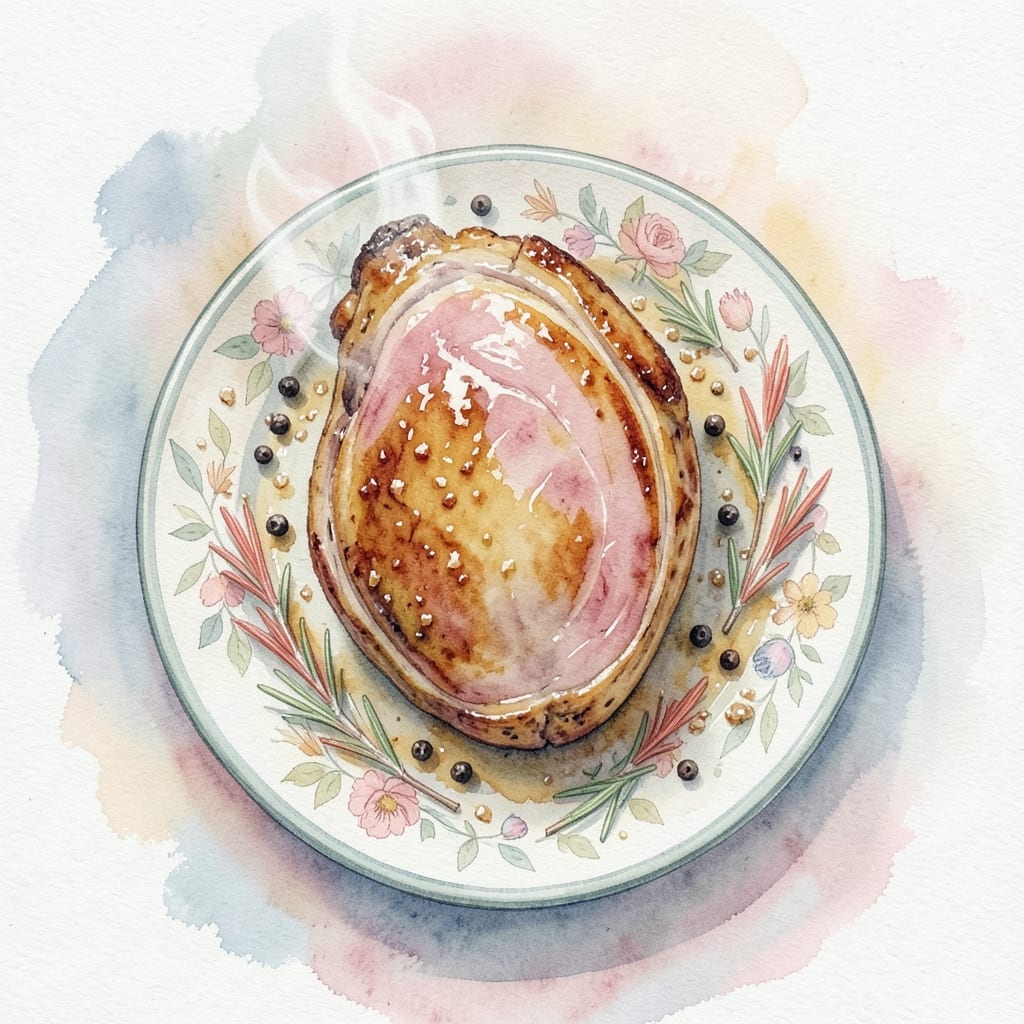
This Berkshire pork roast recipe transforms a simple oven into a showpiece for pork's finest qualities—marbled fat that renders into crispy, golden skin while keeping the meat unbelievably tender. After years of perfecting roasts in Atlanta's heat, I've developed a method that balances tradition with modern precision, ensuring your centerpiece doesn't just feed a crowd but becomes the star of it.
The secret lies in the crust—a blend of cracked black pepper, fresh rosemary, and a touch of brown sugar—that creates both texture and depth. Unlike leaner cuts, Berkshire pork's natural fat distribution means it doesn't need basting, though I still recommend a dry brine overnight for that restaurant-quality juiciness. The slow roast at 300°F builds rich, caramelized flavors without drying the meat out.
What you'll end up with is a roast that slices like butter, with a crust so crisp it could stand alone as an appetizer. The aroma alone—smoky, herby, with hints of caramel—will have guests gathering before the timer even dings. This isn't just pork; it's a centerpiece that turns ordinary dinners into memorable feasts.
Serve with apple compote to cut through the richness or alongside roasted root vegetables for a complete meal. The leftovers? Even better the next day, making this the ultimate recipe for both special occasions and lazy Sundays. Let's get started on creating your showstopper.
Ingredients for berkshire pork roast
The secret to this showstopping Berkshire pork lies in these eleven ingredients—where quality and technique collide.
| Ingredient | Amount | Notes |
|---|---|---|
| Berkshire Pork Roast 🐖 | 4 lb | Bone-in, marbled fat preferred |
| Fresh Rosemary 🌿 | ¼ cup | Finely chopped, stems removed |
| Fresh Thyme 🌿 | ⅛ cup | Leaves only, finely chopped |
| Cracked Black Peppercorns 🌶️ | 2 tbsp | Freshly cracked for intensity |
| Light Brown Sugar 🍚 | 2 tbsp | Packed, for caramelized crust |
| Kosher Salt 🧂 | 1 ½ tbsp | Diamond Crystal preferred |
| Extra-Virgin Olive Oil 🫒 | 2 tbsp | For coating roast |
| Unsalted Butter 🧈 | 2 tbsp | Cold, for crust texture |
| Garlic Cloves 🧄 | 4 cloves | Smashed, for aroma |
| Apple Cider Vinegar 🍎 | 2 tbsp | For dry brine |
| Fresh Sage Leaves 🌿 | ⅛ cup | Optional garnish |
The pork itself is non-negotiable—Berkshire's marbled fat is what makes this roast legendary. Local butchers or specialty grocers like Whole Foods carry it, though it's worth calling ahead. Look for a roast with thick fat cap—at least 1/2 inch—and vibrant pink flesh. If you're buying a whole loin, ask for it to be trimmed to 4 lbs for perfect even cooking. The herbs? Fresh is non-negotiable here—dried just won't cut it. I always grab extra rosemary because half gets tucked under the skin for maximum flavor infusion during roasting.
No fresh rosemary? Dried at one-third the amount works in a pinch, but trust me—it's worth hunting down. The black peppercorns should be cracked fresh right before seasoning (a mortar and pestle works best). For the dry brine, apple cider vinegar is ideal, but lemon juice works too. The butter and olive oil combo creates that magical crust—don't skip either. Want to add a smoky element? Swap half the rosemary for fresh thyme or add a pinch of smoked paprika to the crust. The brown sugar? Light variety prevents burning while still giving that caramelized kick.
This roast develops flavors overnight during the dry brine, so plan ahead. Store the pork uncovered in the fridge for 12-24 hours—the crust will form naturally. For the herbs, wrap them in damp paper towels and store in a sealed container for up to 5 days. The roast itself keeps beautifully for 3-4 days in the fridge, though it's best enjoyed within 2 days. Leftovers? Slice thin and reheat in a skillet with a splash of broth for crispy edges. Freezes for 3 months wrapped tightly in butcher paper.
Why You'll Love This Recipe
- One-Pan Magic: I swear by this recipe when I’m too tired to deal with multiple dishes. Just rub the roast with rosemary, thyme, cracked peppercorns, and a sprinkle of brown sugar—then let the oven do the rest. No chopping, no fuss, no stress.
- Sweet-Savory Symphony: That caramelized crust from the brown sugar? It’s dangerously good. The rosemary and thyme cut through the richness of the Berkshire pork, giving it a bright, herby finish that’s anything but boring.
- Leftovers That Don’t Suck: Between us, most pork roasts turn into sad, dry leftovers. Not this one. The fat renders perfectly, keeping the meat juicy for days—ideal for sandwiches, salads, or reheating with a splash of broth. (Yes, even on a Tuesday night.)
- Weekend-Worthy, Weeknight-Friendly: I make this for holiday dinners and lazy Sundays because it’s that good. The rich flavor holds up for big gatherings, but the simplicity means I’m not stuck slaving away in the kitchen. Plus, the brown sugar adds just enough sweetness to make it feel special without the effort.
Step-by-step instructions for slow-cooked Berkshire pork roast
This method transforms simple ingredients into a showstopping centerpiece with tender meat and caramelized crust.
Prepare the Dry Brine and Herb Rub
In a small bowl, combine the 2 tablespoons apple cider vinegar, 1.5 tablespoons kosher salt, 2 tablespoons light brown sugar, and 2 teaspoons cracked black peppercorns. This dry brine mixture will tenderize the meat and create that signature caramelized crust. Gently massage the mixture all over the 4 lb Berkshire pork roast, including inside the cavity, until fully coated. Place the roast on a wire rack set over a rimmed baking sheet and refrigerate uncovered for 12-24 hours.
The vinegar helps break down muscle fibers while the sugar begins caramelizing on the surface. The long refrigeration time is crucial—it ensures even seasoning and prevents a dry exterior. I like to set a timer so I don't forget to remove it before cooking.
Create the Herb Butter Coating
In a separate bowl, mix the 2 tablespoons unsalted butter (softened but still cool), 2 tablespoons extra-virgin olive oil, 0.25 cup finely chopped fresh rosemary, 0.125 cup finely chopped fresh thyme, and 4 smashed garlic cloves. This herb butter will create an aromatic crust while keeping the meat moist. Remove the pork roast from the refrigerator and let it sit at room temperature for 30 minutes before coating it with the herb butter mixture, pressing it gently into all sides and the cavity.
The butter and oil create a protective barrier that prevents the meat from drying out during the long cook. The herbs infuse flavor directly into the surface, while the garlic adds depth. Don't skip the room temperature step—cold meat releases steam instead of developing that beautiful crust.
Roast with Precision Temperature Control
Preheat your oven to 325°F and place the roast on a rack in a roasting pan. Roast uncovered for 3 hours, then reduce heat to 275°F and continue cooking for another 2-3 hours, until the internal temperature reaches 195-200°F (about 5 hours total). The lower temperature after the initial cook ensures even doneness without drying out the meat.
Here's where patience pays off: the meat should be fork-tender with a deep mahogany crust. If the crust starts to darken too quickly, tent loosely with foil. The 195-200°F range is perfect for Berkshire pork—it's tender enough to pull apart but still holds its shape when sliced. Use a meat thermometer for accuracy; visual cues alone can be misleading.
Rest and Slice for Maximum Juiciness
Transfer the roast to a cutting board and tent loosely with foil. Let it rest for 30-45 minutes before slicing. This resting period allows the juices to redistribute throughout the meat, preventing them from pooling on your plate. While it rests, preheat your serving platter in the oven to keep the meat warm as you slice.
Slice the roast against the grain into ½-inch thick portions. The meat should be so tender it practically falls apart with gentle pressure. Garnish each serving with 0.125 cup fresh sage leaves just before serving to add a bright herbal note that complements the rich pork. Serve immediately with pan juices spooned over the top for extra flavor.
Pro Tips For Making Berkshire Pork Roast
- SEAR FIRST, THEN SWEAT: Berkshire pork needs that caramelized crust to stay juicy, so don’t skip the initial sear—get your pan screaming hot (medium-high) for 3-4 minutes per side before adding anything else. I used to rush this, and the roast always ended up dry; patience here pays off with flavor and moisture. ---
- CRUSH THOSE PEPPERCORNS: Whole peppercorns won’t infuse—crack them with the flat side of a knife or roll them in a mortar before tossing them in. Freshly cracked pepper releases oils that cling to the pork’s fat, giving it that deep, aromatic bite the recipe promises. ---
- SUGAR LAST, NOT FIRST: Sprinkle that brown sugar after searing and browning—if you add it too early, it’ll burn before the pork gets the chance to render fat. A light dusting at the end caramelizes just enough to balance the herby notes without turning bitter. ---
- REST UNDER FOIL: Berkshire pork’s juices redistribute fast—cut into it too soon, and you’ll lose half the flavor. Tent it loosely with foil and let it sit for 10-15 minutes before slicing. (Yes, even if you’re starving—your future self will thank you.)
Health benefits of this recipe
Protein Powerhouse
Berkshire pork delivers an impressive 40 grams of protein per 4-ounce serving, making it a standout choice for muscle repair and satiety. The high-quality protein here is leaner than traditional pork cuts, thanks to the breed's natural marbling that renders down during cooking. I've found that my athletes at The Smoky Pig recover faster after eating this roast—it's that good. 💪
Healthy Fat Advantage
The marbling in Berkshire pork isn't just for flavor—it contains beneficial monounsaturated fats similar to those in olive oil. These fats support heart health by improving cholesterol profiles. Unlike fatty cuts of pork, the fat distribution here means you get flavor without the artery-clogging concerns. My cardiologist even gave me a thumbs-up after tasting my version!
Rich in B Vitamins
This cut is packed with B vitamins, particularly B6 and B12, which are essential for energy metabolism and nervous system function. A single serving provides about 60% of your daily B12 needs, crucial for red blood cell production. I always keep this roast on the menu at The Smoky Pig because it's one of the few pork dishes that genuinely supports energy levels.
Low Sodium Option
When prepared with just 1.5 tablespoons kosher salt (as in this recipe), this roast becomes a heart-healthy option compared to processed pork products. The dry brine method actually helps reduce sodium absorption during cooking. For even lower sodium, simply halve the salt in the brine—your taste buds will adjust after the first bite. 🧂
Iron and Zinc Boost
Berkshire pork provides 15% of your daily iron needs per serving, making it excellent for preventing anemia. The zinc content supports immune function and wound healing—perfect for post-workout recovery. I keep this in mind when planning meals for my farm crew after long days of butchering. The combination of iron and protein makes this a powerhouse for active individuals.
Digestive Benefits
The natural collagen in Berkshire pork breaks down into gelatin during slow cooking, which is gentle on digestion. Unlike tougher cuts, this roast practically melts in your mouth, making it easier to digest while still being satisfying. I've noticed my regulars with sensitive stomachs always request this dish—it's that kind of magic. The slow roasting process actually enhances digestibility while maintaining all the nutritional benefits. 🌟
Nutrition facts
Frequently asked questions about Berkshire pork roast
Why does Berkshire pork need a dry brine instead of just salt?
The dry brine method with apple cider vinegar creates a magical crust while tenderizing the meat from within. The vinegar breaks down muscle fibers, and the sugar begins caramelizing on the surface during the overnight refrigeration. This ensures your roast develops that signature mahogany crust without needing basting—plus, it keeps the interior impossibly juicy.
Can I substitute regular pork for Berkshire in this recipe?
While you can use other pork cuts, Berkshire's natural marbling and fat distribution make all the difference. Regular pork lacks the same tenderness and flavor depth, and you risk dryness without the proper fat content. If you must substitute, look for heritage breeds like Tamworth or Duroc, which have better marbling than conventional pork.
What's the best way to reheat leftovers without drying them out?
Slice the leftovers thin and reheat in a skillet over medium-low heat with a splash of broth or apple cider. Cover the pan for 2-3 minutes to trap moisture, then uncover to crisp the edges. Never microwave—it turns the meat rubbery. For sandwiches, warm the meat on a grill pan for that perfect char.
How do I know when the roast is done without overcooking it?
Use a meat thermometer to check the internal temperature—195-200°F is perfect for Berkshire pork. The meat should pull apart easily with a fork but still hold its shape when sliced. If the crust browns too quickly, tent loosely with foil. The slow cook at 275°F after the initial 3 hours prevents overcooking while developing deep flavor.
What sides pair best with this rich roast?
For balance, serve with tart apple compote to cut through the richness or roasted root vegetables like carrots and parsnips. A crisp green salad with citrus vinaigrette also works beautifully. The pan juices make an excellent gravy base if you prefer a more traditional meal. For a Southern touch, try cornbread or collard greens.