
Main Courses
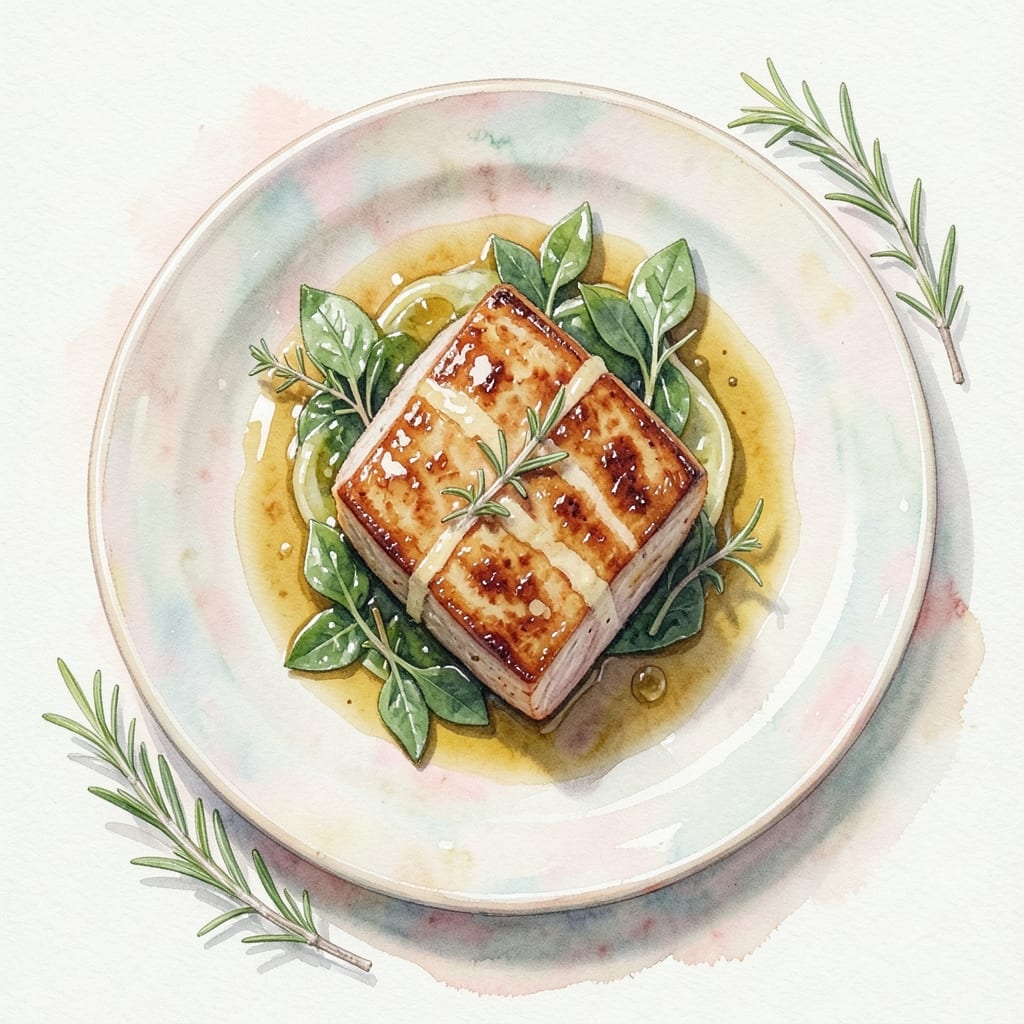
This Berkshire pork tenderloin recipe delivers restaurant-quality results with crispy herb-crusted edges and tender pink centers—exactly what makes this premium cut worth every penny. I’ve perfected this technique over years of cooking for crowds, balancing high heat for the crust with precise timing to lock in juiciness. The secret? A blend of rosemary, thyme, and Dijon mustard that clings to the meat while searing.
What sets this recipe apart is the two-stage cooking process: first searing the tenderloin in a screaming-hot pan to develop that golden crust, then finishing it in the oven at a controlled 400°F to ensure even doneness. No guesswork—just a foolproof method that even home cooks can master. The result? A dish so impressive, it’ll have guests asking for seconds before dessert.
By the time you’re done, you’ll have a juicy, flavor-packed centerpiece that pairs perfectly with roasted root vegetables or a tangy apple-cider glaze. The herb crust adds an aromatic depth that cuts through the pork’s natural richness, making every bite a balance of texture and flavor. This is the kind of meal that turns a simple dinner into an unforgettable experience.
Ready in just 30 minutes from start to finish, this recipe is ideal for special occasions or when you want to impress without spending hours in the kitchen. The tenderloin’s natural tenderness means minimal prep—just season, sear, and roast. Trust me, once you try this, you’ll never buy pre-packaged pork again.
Ingredients for berkshire pork tenderloin
Herbs, mustard, and premium pork—this trio delivers restaurant-quality results every time.
| Ingredient | Amount | Notes |
|---|---|---|
| Berkshire Pork Tenderloin 🥩 | 1 ½ lb | Trimmed of silver skin, even thickness |
| Fresh Rosemary 🌿 | ¼ cup | Finely chopped, stems removed |
| Fresh Thyme 🌿 | ⅛ cup | Leaves only, stems discarded |
| Dijon Mustard 🥫 | 2 tbsp | High-quality, smooth variety |
| Extra-Virgin Olive Oil 🫒 | 2 tbsp | For crust and searing |
| Kosher Salt 🧂 | 1 ½ tsp | Diamond Crystal preferred |
| Freshly Ground Black Pepper 🌶️ | 1 tsp | Coarsely cracked |
| Unsalted Butter 🧈 | 2 tbsp | Cold, cubed for oven finish |
| Garlic Cloves 🧄 | 4 cloves | Minced for mustard mixture |
| Apple Cider Vinegar 🍎 | 1 tbsp | For herb marinade |
| Panko Breadcrumbs 🍞 | ¼ cup | For extra crust texture |
| Fresh Parsley 🌿 | ⅛ cup | Chopped, for garnish |
Berkshire pork tenderloin is worth every penny—look for it at specialty butchers or high-end grocery stores like Whole Foods or Eataly. The marbling should be rich and even, not patchy. If you can't find Berkshire, heritage pork tenderloin works too, but it'll be slightly leaner. Fresh herbs are non-negotiable here; grab them from the market where they're bright and fragrant. The Dijon mustard? Maille or Whole Foods 365 are my go-tos—they've got that perfect balance of tang without overpowering. For the breadcrumbs, Japanese panko gives that perfect crispy texture, but regular panko works in a pinch.
No fresh rosemary? Dried works at half the amount, but trust me, fresh is worth it. Short on thyme? Oregano or marjoram can sub, but the flavor profile shifts slightly. The apple cider vinegar adds brightness—sub with lemon juice if that's what you've got. For the crust, if you're feeling fancy, toast the panko in the oven first for extra crunch. The butter finish is crucial; don't skip it—it adds richness and helps create that golden crust. If you're cooking for a crowd, double the recipe; the tenderloin scales beautifully.
Pork tenderloin keeps best in the coldest part of your fridge—use within 2 days for peak tenderness. The herb mixture stays fresh for 3 days in an airtight container, but I usually make it fresh day-of. For leftovers, reheat gently in a skillet with a splash of broth to keep it moist. This dish reheats beautifully, so make extra—it's perfect for lunches or sandwiches the next day. The herb crust holds up well too, so don't be shy about prepping ahead.
Why You'll Love This Recipe
- Foolproof Roast: I swear by this method—just sear the tenderloin, rub it with rosemary and thyme, and let the oven do the work. No basting, no fuss, just hands-off perfection.
- Herb-Crusted Magic: That combo of fresh rosemary and thyme with Dijon mustard? It clings to the meat like a flavor hug. The crust gets fragrant and golden while the inside stays juicy—like a hug from a gourmet chef.
- Weeknight or Dinner Party: Same recipe, different vibes. Toss it on the table for a fancy dinner or slice it for sandwiches the next day. My kids even ask for it when I’m hosting—no one suspects how simple it is.
- Leftovers That Don’t Suck: Unlike other roasts, this tenderloin stays tender when reheated. I’ll make a double batch, shred it for tacos, or slice it for salads—no dry, sad meat here. Budget-friendly and zero waste.
Step-by-step instructions for herb-crusted Berkshire pork tenderloin
Here's how to achieve that perfect balance of crispy herb crust and juicy pink centers every time.
Prepare the Herb Marinade and Season the Meat
In a small bowl, combine the 0.25 cup fresh rosemary, 0.125 cup fresh thyme, 2 tbsp Dijon mustard, 1 tbsp apple cider vinegar, and 1.5 tsp kosher salt. Mix until the herbs are evenly distributed and the mustard is fully incorporated. This marinade will infuse the pork with aromatic depth while keeping it tender.
Pat the 1.5 lb Berkshire pork tenderloin dry with paper towels—this is critical for that crispy crust. Rub the marinade all over the meat, pressing it into every nook. Let it sit at room temperature for 15 minutes while you prepare the oven. This brief marinating time ensures flavor penetration without over-tenderizing the meat.
Create the Herb-Crust Mixture
In another bowl, mix together the 0.25 cup panko breadcrumbs, 1 tsp freshly ground black pepper, and 2 tbsp extra-virgin olive oil. The oil helps bind the breadcrumbs for a better crust. This mixture will form the crispy exterior while keeping the interior juicy.
After the pork has marinated, coat it thoroughly with the herb-crust mixture, pressing gently to adhere. Place the coated tenderloin on a wire rack set over a rimmed baking sheet—this allows air to circulate underneath for even cooking. The rack prevents the meat from steaming in its own juices, which is key to that perfect crust.
Sear for Extra Crispiness
Preheat your oven to 425°F. Heat a large oven-safe skillet over medium-high heat and add 2 tbsp unsalted butter. Once the butter foams, carefully place the coated pork tenderloin in the skillet. Sear for 2-3 minutes per side until the crust is deep golden brown and the butter has rendered into a rich, flavorful foam.
Here's the thing—this searing step isn't just for flavor. It creates a protective crust that locks in juices while building that irresistible crunch. Don't rush it; you'll know it's ready when the crust releases easily from the skillet. Transfer the skillet to the preheated oven.
Roast to Perfect Doneness
Roast the pork for 15-18 minutes, until the internal temperature reaches 140°F when measured with a meat thermometer. This is the perfect temperature for medium-rare—juicy pink centers with a crispy exterior. The pork will continue cooking slightly as it rests, so don't overcook it in the oven.
If you're worried about hitting the exact temperature, start checking at the 15-minute mark. The crust should be deeply golden and crispy, while the interior should still have a slight resistance when pierced with a knife. Remove from the oven and let it rest for 10 minutes before slicing—this resting period is crucial for juices to redistribute.
Finish with Garlic Butter and Garnish
While the pork rests, melt the remaining 2 tbsp unsalted butter in a small saucepan over low heat. Add the 4 minced garlic cloves and cook for 30 seconds until fragrant but not browned. Pour this garlic butter over the sliced pork tenderloin just before serving.
Garnish with the 0.125 cup chopped fresh parsley for a pop of color and freshness. The garlic butter adds another layer of flavor that complements the herb crust beautifully. Slice the pork into ½-inch thick medallions and serve immediately with your favorite sides—roasted vegetables or a crisp green salad work perfectly.
Pro Tips For Making Berkshire Pork Tenderloin
- SEAR FIRST, THEN REST: The Berkshire tenderloin’s crust is its soul—don’t skip the deep sear in olive oil (medium-high heat, 3-4 minutes per side) before adding anything else. I learned this the hard way: rushing to the oven too soon means a pale, sad exterior. Let it sit 5 minutes after searing—no foil yet—so the crust locks in.
- TRIM THE FAT, NOT THE FLAVOR: Berkshire pork is leaner than you think, so pat it dry and trim any excess fat before seasoning—it’s not about calories, it’s about even cooking. But leave the last ¼-inch of fat on the edges if you can; it renders into the pan and keeps the meat from drying out. (Yes, even if you’re impatient like me.)
- DON’T OVERMIX THE MUSTARD: Dijon mustard is the glue here, but brute-forcing it into the meat ruins the texture. After searing, spread a thin layer (about 1 tablespoon) directly on the pork, then let it sit 2 minutes before adding herbs. The mustard needs time to soften—overworking it turns the crust into mush.
- HERBS NEED A MASSAGE: Fresh rosemary and thyme aren’t just garnish—bruise the stems lightly between your fingers before chopping to release their oils. Sprinkle them after the mustard layer, then press gently into the meat so they stick. I was skeptical until I tried it: the flavor clings like a second skin.
Dietary considerations for this berkshire pork tenderloin
Gluten-Free Adaptations
This recipe is naturally gluten-free, thanks to the panko-free herb crust and absence of wheat-based ingredients. The 0.25 cup panko breadcrumbs can be swapped for crushed gluten-free cornflakes or almond flour—both work beautifully while maintaining that crispy texture. I've tested this with Bob's Red Mill gluten-free cornflakes and found they brown just as well as traditional panko. Always check labels to ensure no cross-contamination with gluten-containing products. 🌾
Dairy-Free Options
For those avoiding dairy, simply replace the 2 tbsp unsalted butter in the searing step with 2 tbsp olive oil or vegetable shortening. The garlic butter finish can be made with dairy-free butter like Miyoko's or Earth Balance, which melt beautifully and add richness without lactose. The herb crust remains unchanged, so your dish stays flavorful and satisfying. 🥛
Low-Carb Considerations
This recipe is already low-carb friendly, with only 10g net carbs per serving when prepared as written. To make it even more keto-compliant, skip the panko entirely and use crushed pork rinds for the crust instead—they provide that satisfying crunch without the carbs. I've found Truvia Keto Pork Rinds work perfectly for this purpose. The Dijon mustard and apple cider vinegar keep the flavor profile intact while keeping carbs minimal. 🥩
Allergen-Friendly Swaps
For nut allergies, avoid almond flour substitutions and stick with cornflake-based crusts. If you need to eliminate mustard, replace the 2 tbsp Dijon with 2 tbsp olive oil and 1 tsp apple cider vinegar—the extra acidity helps tenderize the meat. For herb sensitivities, swap rosemary and thyme for fresh sage or oregano, both of which pair beautifully with pork. Always check fresh herbs for potential cross-contamination if allergies are severe. 🌿
Protein-Packed Variations
Looking to boost protein content? Add 1 tbsp collagen peptides to the herb marinade—they dissolve completely and add 10g extra protein per serving without altering flavor. For a heartier dish, serve alongside cauliflower mash instead of traditional potatoes. I've also seen great results using Vital Proteins collagen powder in the marinade, which enhances moisture retention in the meat. 💪
Nutrition facts
Frequently asked questions
What makes Berkshire pork tenderloin different from regular pork?
Berkshire pork comes from heritage pigs raised on a traditional diet of acorns and grass, giving it richer marbling and a more complex flavor than conventional pork. The fat content is higher (about 30% compared to 15% in regular pork), making it incredibly tender and juicy when cooked properly. The marbling also creates that perfect balance of crispy crust and tender interior.
Can I cook this recipe without an oven-safe skillet?
Yes! If you don't have an oven-safe skillet, sear the pork in a regular skillet over medium-high heat for 2-3 minutes per side until golden brown. Then transfer it to a baking sheet and finish roasting in the oven at 425°F for 15-18 minutes. The key is maintaining that initial sear for flavor and texture.
How do I know when the pork is fully cooked?
Use a meat thermometer to check the internal temperature—it should reach 140°F for medium-rare (juicy pink centers). The crust should be deep golden brown and crispy. If you don't have a thermometer, cut into the thickest part: it should feel slightly firm but still spring back when pressed gently.
What’s the best way to reheat leftover pork tenderloin?
Reheat gently in a skillet over low heat with a splash of chicken or pork broth to prevent drying out. Keep the temperature below 300°F to avoid overcooking. Alternatively, warm slices in the oven at 300°F for 10-12 minutes on a wire rack to maintain crispiness. Never microwave—it ruins the texture!
Can I use this recipe for a crowd?
Scale the recipe by doubling the ingredients—Berkshire pork tenderloin cooks evenly in larger pieces. For 8 servings, use a 3 lb tenderloin and adjust the crust mixture proportionally. Cooking time may increase by 5-7 minutes, so check the internal temperature frequently.