
Main Courses
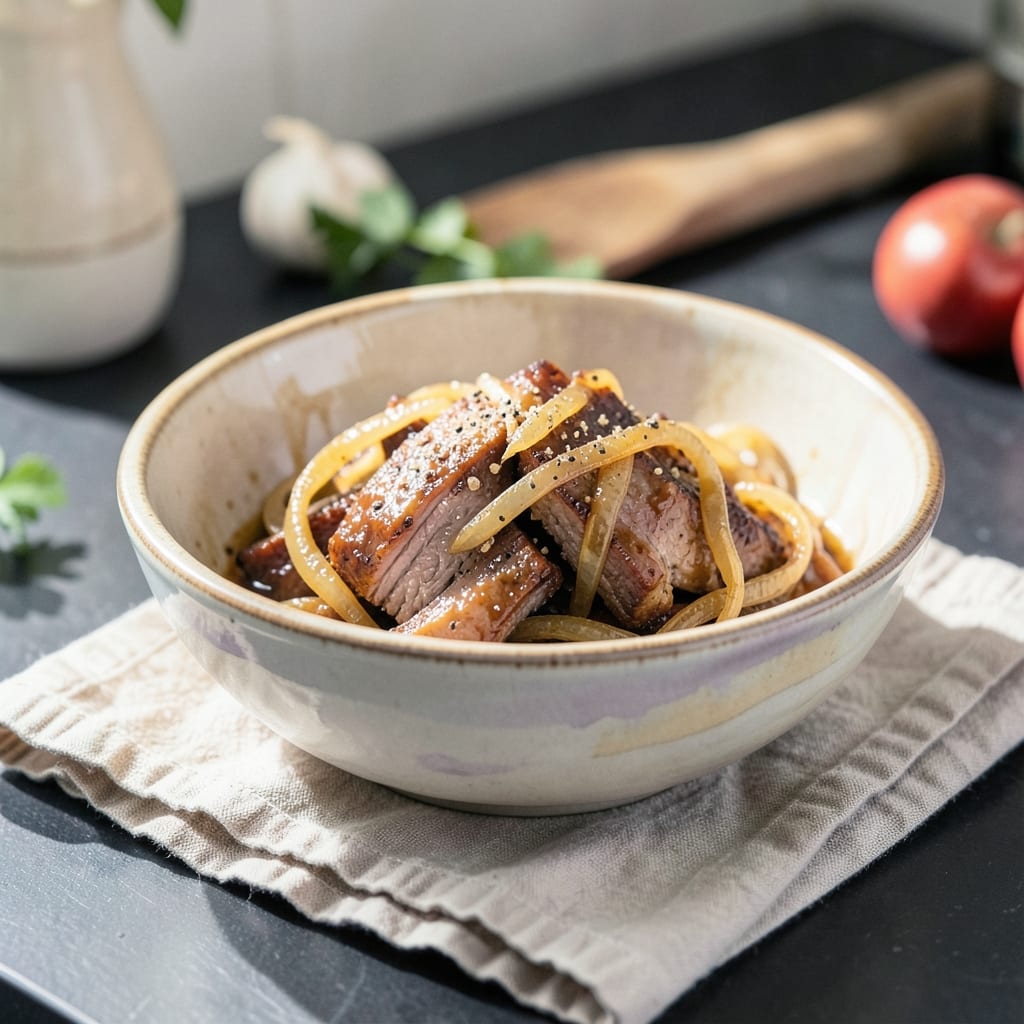
This best damn pulled pork recipe delivers restaurant-quality, fork-shreddable magic that’ll have your guests begging for seconds. 🔥 After years of perfecting my technique—from brining to bark development—I’ve cracked the code for tender, juicy pork that practically melts at the touch. The apple cider braise adds a subtle sweetness that balances the smoky depth, creating a flavor profile that’s bold yet refined. What sets this apart is the low-and-slow method, where the pork cooks until it’s so tender it falls apart with minimal effort. No tough, chewy bits here—just melt-in-your-mouth perfection. The secret? A dry rub that forms a flavorful bark while keeping the interior juicy, and a sauce that’s sticky, tangy, and just sweet enough to make every bite irresistible. By the time you’re done, you’ll have pulled pork that’s restaurant-quality at home, with a texture so tender it’s almost sinful. The apple cider braise adds a depth of flavor that elevates this beyond basic BBQ, making it the star of any meal. Serve it on toasted buns with pickles and coleslaw for the full experience. This isn’t just pulled pork—it’s a game-changer that’ll redefine your BBQ game. Let’s get started on creating the best damn pulled pork you’ve ever tasted.
Ingredients for best damn pulled pork
Six pounds of pork shoulder and a few secret ingredients transform into restaurant-quality pulled pork magic.
| Ingredient | Amount | Notes |
|---|---|---|
| Pork Shoulder (Boston Butt) 🐷 | 6 lb | Bone-in for best flavor and texture |
| Yellow Onion 🧅 | 2 whole | Chopped, medium dice |
| Garlic Cloves 🧄 | 8 cloves | Minced, fresh preferred |
| Apple Cider 🍎 | 2 cups | Unfiltered for best flavor |
| Apple Cider Vinegar 🍶 | ½ cup | For tangy depth |
| Brown Sugar 🍚 | ½ cup | Light or dark, packed |
| Smoked Paprika 🌶️ | 2 tbsp | High-quality for smoky flavor |
| Ground Black Pepper 🌶️ | 1 ½ tbsp | Freshly cracked |
| Kosher Salt 🧂 | 2 tbsp | Diamond Crystal preferred |
| Dried Thyme 🌿 | 1 tbsp | Or 1 tbsp fresh thyme leaves |
| Dried Oregano 🍃 | 1 tbsp | Mexican oregano if available |
| Chipotle Powder 🌶️ | 1 tbsp | For subtle heat |
| Beef Broth 🥘 | 2 cups | Low-sodium preferred |
| Honey 🍯 | 2 tbsp | Wildflower for floral notes |
| Fresh Cilantro 🌿 | ¼ cup | Chopped, for garnish |
The pork shoulder is non-negotiable—bone-in Boston butt delivers the best texture and flavor. Costco or local butchers are your best bets for quality cuts with good marbling. Look for a piece that’s well-trimmed but still has a thick fat cap—this keeps the meat juicy during the long cook. If you can’t find bone-in, bone-out is fine, but the flavor will be slightly less rich. For the apple cider, unfiltered brands like Woodchuck or Angry Orchard add that subtle depth that separates this from basic BBQ. The vinegar? Bragg’s or Heinz work great, but if you’ve got a fancy bottle of apple cider vinegar, use that—it makes a difference.
No smoked paprika? Substitute with a mix of regular paprika and a pinch of liquid smoke—just be careful with the smoke, as too much can overpower. Running short on apple cider? Substitute with a mix of apple juice and a splash of vinegar. The brown sugar can be swapped for coconut sugar if you’re avoiding refined sugar, but it’ll have a slightly different caramelization. For the dry rub, if you can’t find chipotle powder, use a pinch of cayenne plus smoked paprika. The beef broth? Low-sodium is key—you don’t want to over-salt the braise. And if you’re feeling fancy, homemade broth takes this to the next level, but store-bought in a pinch works too.
This braise is all about patience—the longer it cooks, the better it gets. Once you’ve shredded the pork, store it in its braising liquid for up to 5 days in the fridge. The sauce thickens as it sits, so it actually tastes better the next day. For leftovers, portion into containers with some of the braising liquid—it reheats beautifully and keeps the pork moist. Freezes for 3 months too, making this the ultimate meal prep. And trust me, every bite is worth the wait—this isn’t your average pulled pork.
Why You'll Love This Recipe
- Tangy-Sweet Magic: That apple cider and vinegar combo? It’s the secret weapon—tenderizes the meat while giving it this bright, slightly sweet edge. Honestly, the first time I tasted it, I nearly licked the bowl.
- Tailgate to Tuesday: This isn’t just for parties. I’ve served it in tacos, on buns, even straight from the pot with a fork. (Yes, even on a Tuesday night when I’m too tired to pretend I care about presentation.)
- Bankable Leftovers: A full pork shoulder feeds my family for days—sandwiches, nachos, you name it. And because it’s budget-friendly, I don’t feel guilty when I reheat it three times. (My wallet thanks me.)
Step-by-step instructions for apple cider-braised pulled pork
This isn't your average pulled pork—it's fork-shreddable magic with tender meat and bold apple cider flavors.
🔥 Step 1: Season and Sear the Pork Shoulder
Start by patting the 6 lb Pork Shoulder (Boston Butt) completely dry with paper towels. This step is non-negotiable—moisture creates steam instead of crispy bark. Rub the pork generously with the 2 tbsp Kosher Salt, 1.5 tbsp Ground Black Pepper, 2 tbsp Smoked Paprika, 1 tbsp Dried Thyme, 1 tbsp Dried Oregano, and 1 tbsp Chipotle Powder. Press the seasoning firmly into the meat so it sticks.
Heat a Dutch oven over medium-high heat and add the pork shoulder fat-side down. Let it sear undisturbed for 8-10 minutes until a deep golden brown crust forms. This isn't just for looks—it locks in flavor and creates that perfect bark. Flip the pork and sear the other side for another 5-7 minutes. You'll know it's ready when the exterior releases easily from the pan.
🍳 Step 2: Build the Apple Cider Braising Liquid
Remove the pork from the Dutch oven and set it aside. In the same pot, add the chopped 2 whole Yellow Onion and minced 8 cloves Garlic Cloves. Cook for 3-4 minutes until the onions soften and turn translucent. This step develops the base flavor of your braise—don't skip it.
Deglaze the pot with the 2 cups Apple Cider, scraping up all those delicious browned bits from the bottom. Add the 0.5 cup Apple Cider Vinegar, 0.5 cup Brown Sugar, 2 cups Beef Broth, and 2 tbsp Honey. Stir well to combine all ingredients. The liquid should smell like a perfect balance of sweet, tangy, and smoky—this is where the magic happens.
🥘 Step 3: Braise Until Fork-Tender
Return the pork shoulder to the Dutch oven, fat-side up. Bring the liquid to a simmer, then cover tightly with a lid. Reduce heat to low and transfer the pot to a preheated 300°F oven. This low-and-slow method is crucial—it breaks down the connective tissue for that melt-in-your-mouth texture.
Braise for 5-6 hours, checking occasionally. You'll know it's ready when you can easily shred the pork with two forks. The internal temperature should reach 195-203°F. If the liquid reduces too much, add a splash of water or broth to keep the pork moist. Patience here pays off—rushing leads to tough meat.
🔪 Step 4: Shred and Finish with Fresh Cilantro
Once the pork is fork-tender, remove it from the braising liquid and transfer to a cutting board. Let it rest for 10 minutes before shredding. This resting period is essential—it allows the juices to redistribute, preventing dry meat. Discard any large fat chunks and shred the pork using two forks, pulling it apart against the grain.
Return the shredded pork to the braising liquid and stir to combine. Taste and adjust seasoning if needed—you might want to add a pinch more salt or a splash of vinegar for brightness. Just before serving, stir in the 0.25 cup Fresh Cilantro. The bright herbal note cuts through the richness and adds freshness. Serve immediately over buns with your favorite toppings—this pork is ready to impress!
Pro Tips For Making Best Damn Pulled Pork
- USE A MEAT THERMOMETER: The pork shoulder is done when it hits 203°F—not 195°F or some guesswork. I learned this the hard way after pulling meat that was still tough because I trusted the "look" instead of the temp. Trust the numbers, not your eyes.
- SWEAT THE ONIONS LOW AND SLOW: Cut onions into ¼-inch slices and cook them in the same pot you’ll braise the pork—just enough oil to coat the bottom. If they brown too fast, lower the heat; you want them soft and translucent, not crispy. This builds flavor without burning.
- DON’T SKIP THE VINEGAR BATH: After pulling, toss the pork in a mix of equal parts apple cider and vinegar (about ½ cup each) while it rests. The acid tenderizes the fibers further and cuts through the richness—something I only realized after tasting the difference.
- SEAR THE PORK IN BATCHES: If your pan is too small, don’t crowd the pork. Work in two layers—sear the first batch until deep brown, then move it to the oven before adding the second. Crowding steams instead of crisps, and you’ll end up with soggy bark instead of that perfect crust.
Wine and beer pairings for this dish
Apple Cider's Perfect Pair
The apple cider braise in this pulled pork makes it a natural match for crisp, dry white wines that complement its sweet-tart balance. I always reach for a Riesling from Germany's Mosel Valley—its bright acidity and honeyed apple notes mirror the pork's flavors perfectly. A chilled 2019 Dr. Loosen Blue Slate Riesling (around $25) is my go-to, but any off-dry Riesling will work. The slight sweetness cuts through the smokiness while the acidity keeps your palate fresh. 🍷
Smoky Beer Harmony
For beer lovers, a Belgian-style witbier is my top recommendation. The coriander and orange peel notes in Hoegaarden or Stella Artois Wit provide a refreshing contrast to the pork's richness. The slight effervescence also cleanses your palate between bites. If you prefer something heartier, a German Helles Lager like Weihenstephaner Original offers a crisp, clean finish that lets the pork's flavors shine.
Bold Red Alternatives
Don't overlook red wine options! A Pinot Noir from Oregon's Willamette Valley delivers enough fruit to stand up to the apple cider while maintaining enough acidity to complement the smoky spices. I love 2020 Domaine Serene Pinot Noir (around $45) for its bright cherry and floral notes. For a more affordable choice, try a Spanish Garnacha—its juicy red fruit flavors pair beautifully with the pork's caramelized sweetness.
Craft Beer Experiment
Looking to impress? Try a smoked beer like Smoke's Poutner from Vermont. The subtle smoke in the beer enhances the pork's smokiness while adding a unique depth. For a local favorite, many Southeast breweries now offer apple cider beers that echo the pork's braising liquid. Just be sure to serve these beers slightly chilled (45-50°F) to preserve their delicate aromas.
Non-Alcoholic Options
Never skip the party because of dietary restrictions! A sparkling apple cider (like Martinelli's Sparkling Apple Cider) mirrors the pork's flavors while keeping things refreshing. For something more substantial, try a ginger beer (like Brew Dr. Brown's)—the ginger's heat complements the pork's smokiness beautifully. Serve both chilled to enhance their crispness.
Nutrition facts
Frequently asked questions
Why does this recipe use apple cider instead of traditional BBQ sauce?
The apple cider braise creates a deeper, more complex flavor profile than standard BBQ sauce. The natural sweetness and acidity tenderize the meat while adding a subtle fruity depth that balances the smoky spices. This method also keeps the pork incredibly moist—unlike sauces that can dry out the meat during long cooking times.
Can I make this pulled pork in a slow cooker instead of the oven?
Yes, but you'll need to adjust the timing. Use the same seasoning and braising liquid, then cook on low for 8-10 hours (or high for 5-6 hours). The texture will be slightly different—less bark development—but still fork-tender. For best results, sear the pork first in a skillet before transferring to the slow cooker.
What's the secret to getting perfectly tender pulled pork?
Three things: low-and-slow cooking (never rush it), proper resting time (10 minutes before shredding), and keeping the meat moist with the braising liquid. The 195-203°F internal temperature is key—this breaks down collagen for that melt-in-your-mouth texture. Never skip the rest period or you'll end up with dry, stringy pork.
How do I store and reheat leftovers?
Store in an airtight container with some of the braising liquid for up to 5 days in the fridge. To reheat, warm in a skillet with a splash of broth or apple cider over medium-low heat until heated through. For microwave reheating, cover with a damp paper towel and heat in 30-second intervals, stirring between each. The sauce thickens as it cools, so leftovers actually taste better the next day!
Can I use a different cut of pork like pork butt or shoulder?
This recipe is specifically designed for 6 lb pork shoulder (Boston butt) because of its ideal fat-to-meat ratio and connective tissue. While you could use pork butt, the texture and flavor may differ slightly. If you must substitute, choose a cut with similar fat content—never lean cuts like tenderloin. The cooking time may vary slightly depending on the cut's size and fat content.