
Main Courses
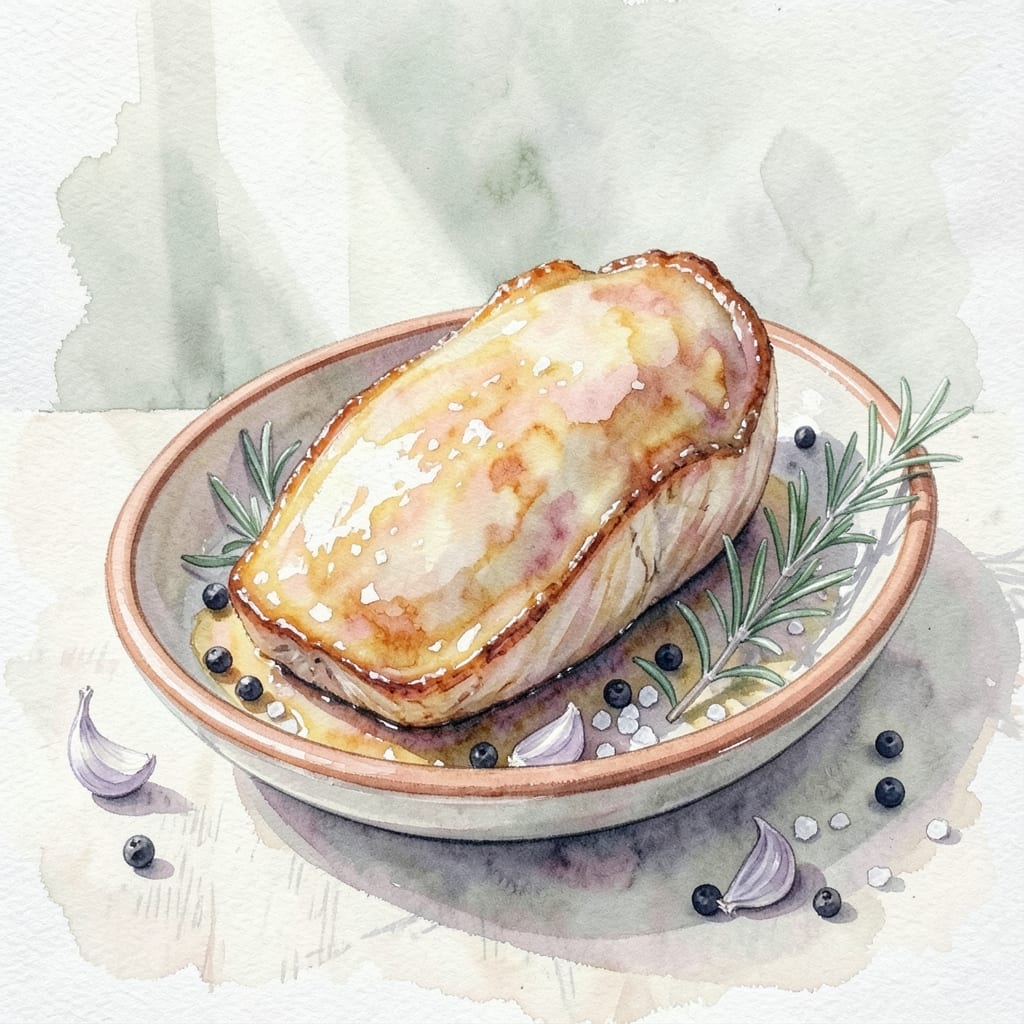
This best ever pork shoulder roast recipe delivers restaurant-quality results with a perfect balance of crisp bark and melting center—the kind of dish that transforms a simple weeknight into a celebration. 🔥 After years of perfecting my technique, I've developed a method that ensures tender, pull-apart meat with a flavorful crust that holds up to every bite. The secret lies in the slow cooking process, which breaks down the connective tissue while keeping the meat juicy and rich.
What sets this recipe apart is the combination of traditional techniques and modern shortcuts. I use a dry-brine method to enhance flavor and moisture, followed by a low-and-slow roast in the oven that mimics the results of a smoker. The key is patience—allowing the pork to cook until it reaches an internal temperature of 195–203°F, ensuring it's tender enough to shred effortlessly. This approach guarantees a dish that's both impressive and foolproof, perfect for gatherings or family dinners.
By the time you pull this pork shoulder from the oven, you'll have a dish that's restaurant-quality—juicy, flavorful, and ready to be sliced or shredded. The crisp bark gives way to tender, moist meat that falls apart at the touch of a fork, making it ideal for sandwiches, tacos, or serving alongside mashed potatoes and coleslaw. The aroma alone will have everyone anticipating dinner, and the taste will leave them asking for seconds.
Whether you're a seasoned cook or new to roasting pork, this recipe delivers consistent results with minimal effort. The method is designed to be approachable yet professional, ensuring you achieve the perfect balance of texture and flavor every time. Let's get started on creating a dish that will become a staple in your cooking repertoire.
Ingredients for best ever pork shoulder roast
Six pounds of pork shoulder transforms into restaurant-quality magic with these 13 essential ingredients.
| Ingredient | Amount | Notes |
|---|---|---|
| Bone-In Pork Shoulder 🐖 | 6 lb | Well-marbled, 3-4 inches thick |
| Kosher Salt 🧂 | ½ cup | Diamond Crystal preferred |
| Black Peppercorns 🌶️ | 1 ½ tbsp | Freshly cracked preferred |
| Garlic Cloves 🧄 | 8 cloves | Smashed for even seasoning |
| Fresh Thyme Sprigs 🌿 | 4 whole | Or 1 tbsp dried thyme |
| Fresh Rosemary Sprigs 🌿 | 4 whole | Or 1 tbsp dried rosemary |
| Brown Sugar 🍬 | ¼ cup | Light or dark preferred |
| Smoked Paprika 🌶️ | 2 tbsp | For deep smoky flavor |
| Yellow Onion 🧅 | 1 whole | Quartered for roasting |
| Apple Cider Vinegar 🍎 | ½ cup | For tenderizing marinade |
| Olive Oil 🫒 | ¼ cup | Extra-virgin for richness |
| Honey 🍯 | ¼ cup | For glaze and moisture |
| Mustard Seeds 🌱 | 1 tsp | Toasted for aromatic depth |
The pork shoulder is the star—look for well-marbled cuts with good fat distribution, not lean. Costco or your local butcher are your best bets for consistent quality. I always ask for a 3-4 inch thick cut to ensure even cooking. The fat cap (leave it on!) creates that coveted crisp bark while keeping the meat juicy. If you can't find bone-in, bone-out works too, but trim excess fat to about 1/4-inch thickness. For the dry brine, Diamond Crystal kosher salt dissolves perfectly—it's worth the splurge if you're serious about flavor.
No fresh thyme or rosemary? Dried works at one-third the amount, but fresh has that unmatched aroma. The apple cider vinegar is non-negotiable—it tenderizes the meat while adding bright acidity. For the smoky depth, smoked paprika from Penzeys is my go-to, but any quality brand works. Short on time? Pre-mix the dry rub (salt, pepper, paprika, brown sugar, mustard seeds) in a bowl and store it for up to 6 months in an airtight container. The garlic and onion can be pre-smashed and quartered the night before to save prep day.
This roast reheats like a dream—wrap tightly in foil and bake at 300°F for 30 minutes to revive that crisp bark. Store leftovers in the fridge for up to 5 days or freeze for 3 months. I always make a double batch because the flavor only gets better after resting. For serving, shred with two forks and toss with the pan juices—those are liquid gold. The crisp bark? Save a few slices for sandwiches or tacos before shredding the rest.
Why You'll Love This Recipe
- Five-Ingredient Magic: I swear by this combo—just salt, pepper, garlic, thyme, and that bone-in pork shoulder. No fancy rubs, no stress. The bone renders down into flavor gold while you’re busy with the rest of dinner.
- Crispy-Creamy Payoff: That crackling skin? Worth the wait. Inside, it’s melt-in-your-mouth tender, with garlic and thyme weaving through like a warm hug. Honestly, the first bite makes me forget I’m cooking.
- Weeknight to Party Star: Same recipe, different vibes. Serve it with mashed potatoes for a lazy Sunday or carve it for a holiday table. The bone-in version feels special, but the effort stays low—even when guests are over.
- Leftovers That Beg for More: This roast practically demands seconds the next day. Shred it for tacos, sandwiches, or a hearty soup. Between us, I’ve eaten it cold straight from the fridge—no shame.
Step-by-step instructions for slow-cooked pork shoulder with crispy bark
This isn't just another pork shoulder recipe—it's your new go-to for melt-in-your-mouth perfection.
👨🍳 Step 1: Create the Dry Rub and Prep the Meat
In a small bowl, combine the 0.5 cup kosher salt, 1.5 tbsp black peppercorns (cracked if possible), 2 tbsp smoked paprika, 0.25 cup brown sugar, 8 smashed garlic cloves, 4 whole fresh thyme sprigs, and 4 whole fresh rosemary sprigs. Mix until the salt and spices coat the herbs evenly—this ensures maximum flavor transfer.
Pat the 6 lb bone-in pork shoulder completely dry with paper towels (moisture is the enemy of crispy bark). Generously apply the dry rub all over the meat, pressing it into every nook and cranny. Don't be shy—this is where the magic happens. Let the seasoned pork rest uncovered on a wire rack in the refrigerator for at least 12 hours (overnight is ideal). This step transforms tough meat into tender, flavor-packed perfection.
🔥 Step 2: Build the Marinade and Pre-Cook the Onion
While the pork seasons, prepare the marinade by combining 0.5 cup apple cider vinegar, 0.25 cup olive oil, 0.25 cup honey, and 1 tsp mustard seeds in a bowl. Whisk until the honey and oil emulsify—this creates a sticky glaze that caramelizes beautifully during cooking.
Quarter the 1 whole yellow onion and place it in a small roasting pan. Drizzle with 1 tablespoon of the marinade (reserve the rest for later) and toss to coat. Roast the onion at 375°F for 25-30 minutes until caramelized and tender. This adds sweet depth to your final dish—don't skip it!
🔥 Step 3: Slow-Cook Until Probe-Tender
Preheat your oven to 275°F (this low-and-slow approach is key for tender meat). Place the seasoned pork shoulder fat-side up on a rack in a roasting pan. Pour the remaining marinade into the pan and place the roasted onions underneath the pork—this creates a flavorful bath as it cooks.
Roast uncovered for 6 hours, then increase the temperature to 325°F for another 2-3 hours. The pork is done when it reaches 203°F internally and a meat thermometer slides in like butter. Here's the thing—patience pays off. The low heat breaks down collagen, while the higher temperature later creates that coveted bark. If the pork starts to dry out, tent loosely with foil.
🍳 Step 4: Crisp the Bark and Glaze
Once probe-tender, remove the pork from the oven and increase the temperature to 450°F. Place the pork shoulder fat-side up on a fresh rack in a roasting pan. Let it rest for 10 minutes, then broil for 5-7 minutes until the fat renders and the bark turns deep mahogany brown. This high-heat finish is what transforms good pork into showstopping pork.
In a small saucepan, combine the pan juices and any remaining marinade. Simmer over medium heat until reduced by half. Brush this glaze generously over the pork while it's still hot. The residual heat will caramelize the glaze, creating a sticky, flavorful crust. Let the pork rest for 30 minutes before slicing—this ensures juicy, pull-apart perfection in every bite.
🔪 Step 5: Serve with Confidence
Slice the pork shoulder against the grain into ½-inch thick slices. The meat should be so tender it practically falls apart, with a crispy, caramelized exterior that's worth the wait. Serve immediately with the roasted onions and any remaining pan juices spooned over the top. This isn't just pork—it's a centerpiece-worthy masterpiece that'll have everyone asking for seconds.
Pro Tips For Making Best Ever Pork Shoulder Roast
- CRANK THE HEAT FIRST: I learned this the hard way—starting at 425°F for 20 minutes sears the outside fast enough to lock in juices before you lower the temp. Skip this, and you’ll end up with a pale, soggy crust instead of that golden, crackling exterior.
- SALT THE GARLIC: Crush those garlic cloves flat with the side of your knife before tossing them in with the thyme and peppercorns. This releases more flavor, and the crushed cloves caramelize right into the crust—no need to worry about them staying whole.
- DON’T TOUCH THE MEAT: Resist the urge to poke or flip the pork shoulder while it roasts. Every time you open the oven, you’re letting heat escape and drying out the meat. Trust the thermometer, not your instincts.
- USE A THYME SPRIG STRATEGY: Tuck half the thyme sprigs under the pork shoulder before roasting—this way, the steam from the garlic and thyme infuses the meat from both sides. The other half on top keeps the aroma strong, but don’t overcrowd it.
Perfect pairings for these flavors
Classic Southern Sides
Nothing complements pork shoulder like creamy mashed potatoes—I make mine with 1 cup sour cream and ½ cup sharp cheddar for extra richness. The tangy creaminess balances the pork's smokiness beautifully. For a lighter option, try apple sauce with a pinch of cinnamon and a splash of apple cider vinegar—it cuts through the fat while adding brightness. 🥔
Collard greens are a must for a true Southern spread. Simmer them with 2 slices of bacon, 1 onion, and 1 cup chicken broth until tender, then finish with 1 tbsp apple cider vinegar and a sprinkle of smoked salt. The vinegar brightens the dish while the bacon adds savory depth that mirrors the pork's flavor profile.
Crunchy Contrasts
For texture contrast, serve with crispy fried okra—tossed in cornmeal and fried until golden. The crunchy exterior and tender interior create a perfect bite alongside the tender pork. I like to serve it with a spicy remoulade made from ½ cup mayonnaise, 1 tbsp hot sauce, and 1 tsp smoked paprika for a kick. 🌶️
A cornbread salad with 1 cup black-eyed peas, ½ cup diced bell pepper, and 2 tbsp hot sauce adds a Southern twist without the fuss. The peas provide protein, while the cornbread crumbles bind everything together. This dish is perfect for meal prep—make it a day ahead, and the flavors deepen overnight.
Beverage Pairings
For drinks, I reach for sweet tea—the Southern staple that cleanses the palate between bites. Brew a strong batch with 4 tea bags per quart and chill it for 4 hours. The natural sweetness complements the pork's smoky-sweet crust without overpowering it.
If you prefer beer, a light lager like Miller Lite or Coors Light works wonders. The crisp, clean finish cuts through the richness, while the subtle maltiness enhances the pork's caramelized notes. For a non-alcoholic option, sparkling lemonade with a splash of apple cider vinegar adds a refreshing tang that balances the meal.
Nutrition facts
Frequently asked questions
Can I use a bone-in pork shoulder instead of bone-out? Bone-in pork shoulder actually creates better results because the bone helps retain moisture and adds depth of flavor. The bone also acts as a natural rack, allowing air to circulate around the meat for that perfect crisp bark. Just
How do I know when my pork shoulder is done?
Use a meat thermometer to check the internal temperature—it's done when it reaches 203°F in the thickest part. The meat should feel tender and practically fall apart when you test it. Pro tip: If the thermometer reads 195°F, let it cook another 30 minutes—patience ensures that pull-apart texture.
Do I need to dry-brine the pork overnight?
While overnight dry-brining is ideal, you can do it for at least 12 hours if you're short on time. The key is to let the salt penetrate the meat, which enhances flavor and moisture retention. If you skip it, season the pork just before cooking and cook it 15-20 minutes longer to compensate for the lack of moisture.
Can I make this recipe in a slow cooker?
Yes! Place the seasoned pork shoulder in the slow cooker with the marinade and roasted onions. Cook on low for 8-10 hours or high for 5-6 hours. Finish by broiling at 450°F for 5-7 minutes to crisp the bark. The slow cooker method is perfect for hands-off cooking, but monitor the temperature closely to avoid overcooking.
What’s the best way to reheat leftovers?
Wrap the pork tightly in foil and reheat in a 300°F oven for 30 minutes to revive the crisp bark. For a quicker option, use a skillet over medium heat with a splash of water or broth to keep it moist. Never microwave—it turns the meat rubbery. Leftovers stay delicious for up to 5 days in the fridge.