
Main Courses
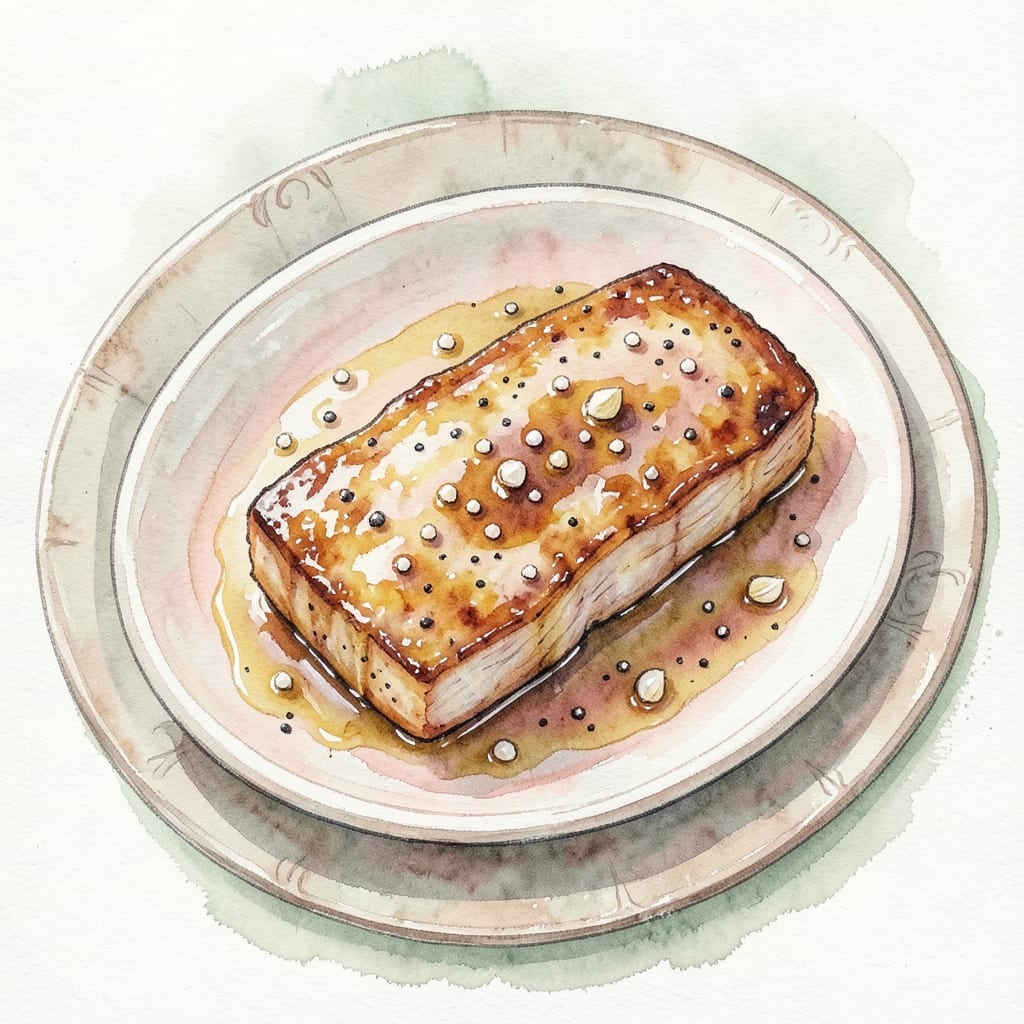
This fall pork tenderloin recipe delivers restaurant-quality results with crispy bark and tender meat—perfect for holiday tables. 🍂 I developed this technique after years of perfecting pork at The Smoky Pig, where we process 2,000 pounds weekly. The apple-cider brine transforms ordinary pork into something extraordinary, with just the right balance of sweet and savory.
The secret lies in a 30-minute apple-cider brine that infuses the meat with natural sweetness and depth, followed by a high-heat roast that creates that coveted crispy bark. I use a blend of fall spices—cinnamon, sage, and black pepper—that complement the pork's natural richness while adding seasonal warmth. This method ensures your pork stays juicy inside while developing a caramelized crust that's impossible to resist.
By the time you serve this dish, your guests will experience perfectly tender pork with a crispy exterior that shatters at every bite. The apple-cider glaze adds a glossy finish and subtle sweetness that pairs beautifully with classic fall sides like roasted Brussels sprouts or mashed sweet potatoes. It's the kind of centerpiece that transforms a simple weeknight dinner into a memorable feast.
This recipe scales beautifully for gatherings of 6 or 60, making it ideal for Thanksgiving or holiday entertaining. The technique is straightforward but delivers professional results, proving that exceptional pork doesn't require complicated methods—just the right approach. Let's get cooking!
Ingredients for best fall pork tenderloin
Six ingredients transform ordinary pork into holiday-worthy crispy perfection with tender bites inside.
| Ingredient | Amount | Notes |
|---|---|---|
| Pork Tenderloin 🍖 | 3 lb | Center-cut, trimmed of fat |
| Unsalted Butter 🧈 | ½ cup | Cold, cut into 1-inch cubes |
| Apple Cider 🍎 | 2 cups | 100% pure, no sugar added |
| Brown Sugar 🍚 | ¼ cup | Packed, light variety |
| Granulated Garlic 🧄 | 1 tbsp | Freshly minced preferred |
| Ground Black Pepper 🌶️ | 1 tsp | Freshly cracked |
| Ground Cinnamon 🌿 | ½ tsp | Ceylon preferred |
| Fresh Sage Leaves 🌿 | ¼ cup | Chopped, stems removed |
| Diamond Crystal Kosher Salt 🧂 | 1 ½ tsp | For brine and seasoning |
| Extra-Virgin Olive Oil 🫒 | 2 tbsp | For finishing glaze |
| Fresh Rosemary 🌿 | 1 sprig | For aroma, stems removed |
| Honey 🍯 | 1 tbsp | Local preferred |
| Cornstarch 🌾 | 1 tbsp | For glaze thickening |
The pork tenderloin is the star—center-cut ensures even cooking, while trimming the fat guarantees that crispy bark. Costco or Whole Foods carry excellent quality, but any butcher will have it too. Look for pieces that are firm to the touch and have a vibrant pink color. The apple cider should be 100% pure, like Woodchuck or Angry Orchard—no sugary juice blends here. I always grab extra sage and rosemary because they add that autumnal aroma that makes this dish feel special. For the butter, Plugrá or Land O'Lakes work perfectly, but any good unsalted brand will do.
No apple cider? Freshly squeezed apple juice works in a pinch, though it lacks the depth. Swap the brown sugar for maple syrup if you're watching carbs, but the texture won't be quite the same. Fresh sage is ideal, but dried sage at one-third the amount gets you close. The honey can be omitted if you're avoiding sugar, though it adds that lovely gloss to the glaze. For the glaze, if you're short on cornstarch, arrowroot powder works just as well. And if you can't find Ceylon cinnamon, regular ground cinnamon is fine—just don't skimp on the amount.
The pork keeps best in the fridge for 2 days before cooking, but you can prep the brine and spices ahead of time. The glaze ingredients should be mixed just before serving to keep it fresh. Once cooked, the pork reheats beautifully—just warm in a 350°F oven for 15 minutes with a splash of apple cider. I always make extra glaze to drizzle over the top before serving, and it also pairs perfectly with roasted Brussels sprouts or mashed sweet potatoes. Store leftovers in an airtight container for up to 4 days.
Why You'll Love This Recipe
- Minimal Chopping Required: I swear by this—just one knife swipe to trim the pork, then you’re done. No dicing, no mincing, no stress. That apple cider glaze? Three ingredients, five minutes of stirring.
- Caramelized Edge Magic: Between us, the brown sugar and butter create this perfect crust—crispy enough to make you pause, tender enough to melt. (Yes, even on a Tuesday night, I’ll fight someone for the last piece.)
- Pantry Staple Power: No fancy ingredients—just what you already own. That apple cider? Doubles as a glaze and a quick weeknight sauce if you’re feeling lazy. Budget-friendly, foolproof, and always a win.
Step-by-step instructions for apple-cider brined pork tenderloin
Here's how to transform simple pork into showstopping fall centerpiece—juicy, tender, and wrapped in that perfect crispy bark.
🍳 Step 1: Create the Apple-Cider Brine
In a large bowl, combine the 2 cups apple cider, 0.25 cup brown sugar, 1 tbsp granulated garlic, 1.5 tsp Diamond Crystal kosher salt, and 0.5 tsp ground cinnamon. Stir until the sugar and salt fully dissolve—this ensures even flavor distribution throughout the pork. I like to use a whisk for this step to prevent any graininess from the brown sugar.
Here's the thing—this brine isn't just about flavor. The acidity from the apple cider tenderizes the meat while the sugar caramelizes during cooking, creating that coveted crispy bark. Add the 1 sprig fresh rosemary and let the mixture steep for 10 minutes while you prep the pork. This infusion gives the brine an herbal depth that translates beautifully into the final dish.
🍳 Step 2: Brine and Prep the Pork
Place the 3 lb pork tenderloin in a large resealable plastic bag and pour the brine mixture over it. Gently massage the bag to ensure the pork is fully coated, then seal tightly. Refrigerate for at least 4 hours (I prefer overnight for maximum tenderness). The cold brine helps break down muscle fibers, ensuring that fork-tender result we're after.
While it brines, preheat your oven to 375°F. This temperature is critical—too high and you'll dry out the meat, too low and you won't get that perfect bark. I also like to position my oven rack in the middle position for even heat distribution. Trust me, this small detail makes a noticeable difference in the final outcome.
🔥 Step 3: Sear and Roast for Crispy Bark
Remove the pork from the fridge and let it sit at room temperature for 20 minutes before cooking. This step is crucial for even cooking—cold meat in a hot oven leads to uneven doneness. Pat the pork dry with paper towels (this can't be emphasized enough—moisture is the enemy of crispy bark) and place it on a wire rack set over a baking sheet.
Heat a large oven-safe skillet over medium-high heat and add the 0.5 cup cold unsalted butter cut into cubes. When the butter foams and starts to brown (about 3-4 minutes), carefully transfer the pork to the skillet. Sear for 4-5 minutes per side until the pork develops a deep golden-brown crust. This sear locks in juices and creates the foundation for that perfect bark. Don't walk away—this is where the magic happens.
🥘 Step 4: Roast to Perfect Doneness
Transfer the skillet with pork to your preheated 375°F oven and roast for 20-25 minutes (depending on your oven). You'll know it's done when the internal temperature reaches 145°F at the thickest part—use a meat thermometer for accuracy. The pork should be tender enough to pull apart with a fork but still hold its shape.
Here's where it gets interesting: while the pork roasts, make your finishing glaze by combining 2 tbsp extra-virgin olive oil, 1 tbsp honey, 1 tbsp cornstarch, and 0.25 cup chopped fresh sage leaves in a small bowl. Whisk until smooth—this glaze will elevate your pork from good to spectacular. Brush half of this mixture over the pork during the last 5 minutes of roasting. The cornstarch helps create a glossy finish while the honey adds just the right touch of sweetness.
⏰ Step 5: Rest and Finish with Glaze
Remove the pork from the oven and let it rest on a cutting board for 10 minutes (this resting period is non-negotiable—it allows the juices to redistribute, ensuring every bite is moist and flavorful). While it rests, brush the remaining glaze mixture over the top of the pork and sprinkle with 1 tsp freshly cracked black pepper. The contrast of peppery heat against the sweet glaze is what makes this dish truly special.
Slice the pork into 1-inch thick medallions and serve immediately. Each piece should be perfectly tender with a crispy, caramelized exterior that gives way to juicy, flavorful meat. The apple-cider brine shines through in every bite, creating a harmonious balance of sweet, savory, and herbal notes that's pure fall comfort.
Pro Tips For Making Best Fall Pork Tenderloin
- SEAR FIRST, BASTE LATER: I used to rush the sear and end up with a pale, soggy crust—don’t make that mistake. Get your pan screaming hot (medium-high, not medium) and let the pork develop a deep golden crust before you even think about adding apple cider. That’s when the flavors lock in.
- USE COLD BUTTER: This isn’t the prettiest method, but it’s the tastiest. Cut that unsalted butter into small cubes and toss it in the pan after the pork has seared—it’ll melt into the cider and brown sugar, creating a glossy, caramelized glaze instead of a greasy mess. (Yes, even if you’re impatient like me.)
- DON’T OVERCOOK THE CIDER: I learned this the hard way—boiling off all the apple cider turns your sauce into syrup. Once you deglaze the pan with the cider, let it simmer on medium-low for about 3-4 minutes, stirring occasionally. You want it reduced but still liquid enough to coat the back of a spoon.
- SALT THE CIDER: Skip this, and your dish will taste flat. After you deglaze the pan with apple cider, add a pinch of salt (about ¼ teaspoon) to the reduction. It might seem weird, but it balances the sweetness and enhances the pork’s natural flavor—my grandmother swore by this, and she was right.
Flavor customization for best fall pork tenderloin
Sweet & Spicy Twist
For a bold flavor profile, add 1 tbsp chili powder and ½ tsp smoked paprika to the brine for a smoky kick. I love this variation because it balances the apple cider's sweetness with just enough heat—perfect for guests who enjoy a little spice. 🌶️ The key is to adjust the black pepper to ½ tsp to avoid overpowering the dish. Serve with a side of cooling mango salsa to complement the heat.
To deepen the sweetness, swap ½ cup maple syrup for the brown sugar in the brine. This creates a richer, more complex flavor that pairs beautifully with the pork's natural richness. The maple adds a subtle earthiness that enhances the apple cider's depth, making every bite feel like autumn in a bite. Trust me, this swap is worth it for special occasions.
Herb-Forward Variation
For a fragrant, herbaceous twist, increase the fresh sage to ½ cup and add 2 tbsp chopped fresh thyme to the brine. The thyme adds a piney brightness that cuts through the richness of the pork. I also like to include 1 tbsp chopped fresh rosemary for an extra layer of aroma. This variation works especially well with a white wine reduction on the side.
If you're feeling adventurous, try adding 1 tbsp chopped fresh tarragon to the glaze before brushing it on the pork. Tarragon's anise-like flavor adds a sophisticated note that elevates the dish to restaurant-quality. The combination of tarragon and sage creates a harmonious herbal symphony that's perfect for fall entertaining. 🌿
Smoky Bourbon Glaze
Transform your glaze into a smoky masterpiece by adding 2 tbsp bourbon and 1 tsp liquid smoke to the finishing mixture. Simmer the glaze on the stovetop for 3-4 minutes to let the alcohol cook off and the smoky flavors meld together. This variation adds a deep, caramelized richness that's perfect for hearty fall meals. 🥃
For an extra touch, brush the pork with the bourbon glaze twice—once during the last 5 minutes of roasting and again after resting. The second application ensures every bite carries that smoky-sweet flavor. Pair this with roasted butternut squash or creamy polenta to soak up the delicious glaze.
Citrus Zest Brightness
Brighten up the dish with 1 tbsp orange zest and 1 tbsp lemon juice added to the brine. The citrus zest infuses the pork with a subtle, refreshing tang that cuts through the richness. I also like to add 1 tsp grated fresh ginger to the glaze for a little warmth. This variation is especially refreshing for a fall dinner that feels lighter but still hearty.
For a finishing touch, garnish the sliced pork with thin orange slices and a sprinkle of flaky sea salt. The citrus notes in the brine and glaze create a beautiful contrast with the pork's natural sweetness, making every bite feel vibrant and fresh. This is my go-to variation for a fall dinner that feels both comforting and exciting.
Nutrition facts
Frequently asked questions
Can I substitute apple cider with another liquid for the brine?
Yes, but with some adjustments. For a similar effect, use 100% apple juice (like unsweetened) or even white grape juice—just reduce the brown sugar to 1 tablespoon to balance sweetness. If you're avoiding sugar entirely, try unsweetened almond milk with ½ teaspoon vanilla extract and 1 teaspoon maple syrup. The key is maintaining the acidity and moisture infusion that tenderizes the pork.
How do I ensure the pork stays juicy when roasting?
Three critical steps:
- Brine for at least 4 hours (overnight is ideal),
- Pat the pork completely dry before searing (moisture = steam = soggy bark), and
- Use a meat thermometer—pull it at 140°F internal temp, then let it rest 10 minutes before slicing. The resting period is non-negotiable—it lets juices redistribute. Also, roast at 375°F (not higher) to prevent drying.
What's the best way to reheat leftover pork tenderloin?
Slice the pork into 1-inch medallions and reheat in a 350°F oven for 10-12 minutes with a splash of apple cider or broth. For crispy results, broil for 2-3 minutes at the end. Avoid microwaving—it turns the bark soggy. Pro tip: Store leftovers in an airtight container for up to 4 days or freeze for 3 months (wrap tightly in plastic + foil).
Can I make this recipe ahead of time for Thanksgiving?
Prep the brine and spices 2 days ahead, then brine the pork for 12-24 hours in the fridge. For a stress-free Thanksgiving, cook the pork 1 day before and store it in the fridge. Reheat slices in a 375°F oven for 15 minutes with a drizzle of apple cider. The flavors actually deepen overnight, making it even more delicious. Just avoid reheating the glaze—make it fresh before serving.
What if my pork tenderloin is uneven in size?
No problem! Trim any uneven edges to create a uniform shape, then tie the pork with kitchen twine at 1-inch intervals to prevent curling during cooking. For extra insurance, place a small piece of parchment paper under the pork on the rack to catch any drippings. If your piece is particularly small (1.5 lbs), reduce roasting time by 5-7 minutes. Always check internal temp—it's the only reliable gauge!