
Main Courses
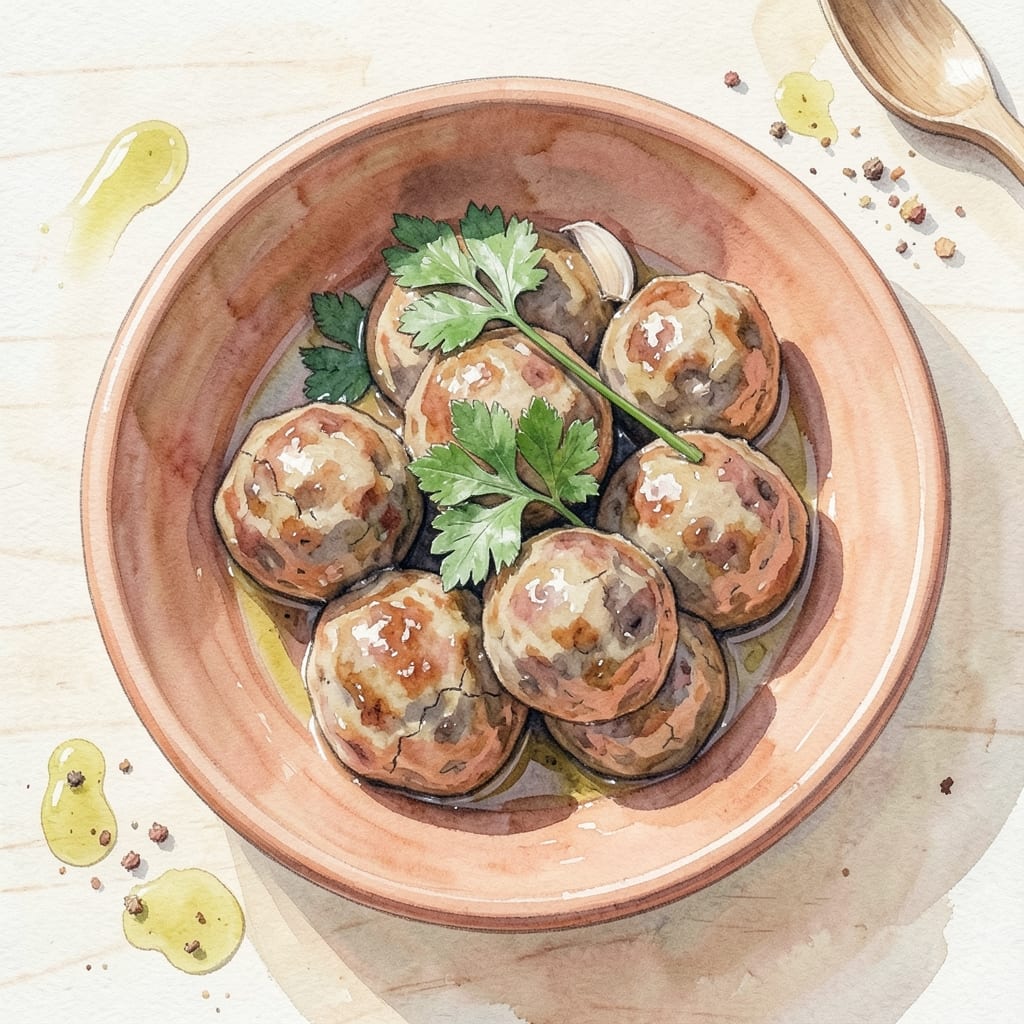
This best Italian meatball recipe with beef, pork, and veal delivers the rich, tender harmony that makes Sunday dinners legendary. The secret lies in the meat blend—each type contributes its own texture and flavor, while breadcrumbs and Parmesan bind everything together into perfect, juicy balls. I've perfected this over years of testing, ensuring they stay moist and flavorful whether pan-fried or baked.
The magic happens in the mixing: finely chop the meats, then work in eggs, herbs, and seasonings until the mixture clings together like wet sand. Forming them slightly larger than a golf ball ensures they hold their shape while cooking, and a quick sear in olive oil gives them that golden crust. This isn't just a recipe—it's a technique that transforms simple ingredients into something restaurant-quality.
By the time they're done, you'll have meatballs that are tender inside with a crisp exterior, infused with garlic, parsley, and a touch of nutmeg. Toss them in marinara or tomato sauce, and every bite delivers that perfect balance of meaty richness and tangy tomato. The aroma alone will have your whole family gathering at the table.
Whether you're serving them with spaghetti, in subs, or alongside roasted vegetables, these meatballs are the centerpiece of any Italian meal. The recipe scales easily for gatherings, and leftovers reheat beautifully. Let's get cooking—your taste buds will thank you.
Ingredients for best italian meatball recipe with beef pork and veal
These legendary Italian meatballs start with a perfect blend of beef, pork, and veal—simple ingredients that create restaurant-quality harmony.
| Ingredient | Amount | Notes |
|---|---|---|
| Ground Beef 🥩 | ½ lb | 80% lean for juiciness |
| Ground Pork 🐷 | ½ lb | Freshly ground preferred |
| Ground Veal 🐑 | ½ lb | Substitute lamb if unavailable |
| Large Eggs 🥚 | 2 whole | Room temperature for best binding |
| Fresh Parsley 🌿 | ¼ cup | Finely chopped, stems removed |
| Garlic Cloves 🧄 | 4 cloves | Minced into a paste |
| Parmesan Cheese 🧀 | ½ cup | Freshly grated from block |
| Italian Breadcrumbs 🍞 | ½ cup | Panko works too |
| Extra-Virgin Olive Oil 🫒 | ¼ cup | For searing meatballs |
| Ground Nutmeg 🌿 | ½ tsp | Freshly grated preferred |
| Salt 🧂 | 1 ½ tsp | Diamond Crystal kosher salt |
| Black Pepper 🌶️ | 1 tsp | Freshly cracked |
| Marinara Sauce 🍅 | 2 cups | Homemade or quality jarred |
The meat blend is non-negotiable—beef for structure, pork for fat, and veal for tenderness. Grab the freshest ground meats from the butcher section (they're usually pre-ground at most grocery stores). If you can't find veal, lamb works perfectly—just ask for ground lamb at the meat counter. The parsley should be vibrant green, not wilted. Costco or Whole Foods often have the best quality, but any grocery store with a good deli counter will do. Freshly grated Parmesan makes all the difference—pre-grated tastes like sawdust in comparison.
No fresh parsley? Dried works at half the amount, but trust me, fresh is worth it. Running low on breadcrumbs? Panko plus a pinch of Italian seasoning gives that perfect texture. The marinara can be homemade (San Marzano tomatoes are a game-changer) or a quality jarred sauce like Rao's. For the nutmeg, if you don't have it, a pinch of cinnamon adds warmth, though it's not the same. The eggs should be room temperature—just take them out 30 minutes before mixing. And if you're feeling fancy, add a splash of red wine to the meat mixture for extra depth.
Meatballs keep beautifully—3 days in the fridge or 3 months in the freezer. I always make a double batch and freeze half for lazy weeknights. To reheat, just warm in sauce on the stove or pop in the oven at 375°F for 15 minutes. The secret to perfect meatballs? Don't overwork the mixture—just combine until everything sticks together. They'll be juicy and tender every time.
Why You'll Love This Recipe
- No-Fuss Mixing: I swear by this combo—just toss the raw beef, pork, and veal together with breadcrumbs, egg, and parsley. No fancy kneading, no overworking the meat. The pork keeps it juicy, the veal adds depth, and the parsley? That’s the secret freshness punch.
- Rich Umami Magic: That veal? It’s the game-changer. The pork adds fat for richness, and the beef grounds it all in that classic Italian texture. Simmer them in tomato sauce, and you’ve got layers of flavor—savory, herby, and just a little sweet from the slow cook.
- Weeknight & Potluck Hero: I make these for everything—spaghetti nights, Sunday dinners, or even freezing for lazy Mondays. They’re hearty enough for a family of six but still feel special enough for company. Plus, they reheat like a dream.
- Budget Stretch: Honestly, this is my go-to for stretching a meal without sacrificing quality. The veal might sound fancy, but it’s cheaper than chicken in bulk, and the pork cuts costs while keeping it delicious. Leftovers? They’re even better the next day—trust me.
Step-by-step instructions for triple-meat Italian meatballs
Here's how to craft meatballs so tender and flavorful they'll earn rave reviews every time.
Combine the Meat Mixture
In a large bowl, gently combine the 0.5 lb ground beef, 0.5 lb ground pork, and 0.5 lb ground veal. Use your hands to break up any large clumps and distribute the meats evenly. This triple-meat blend creates the perfect balance of richness and tenderness that makes these meatballs truly exceptional.
Add the 2 whole large eggs (room temperature) and the 0.25 cup finely chopped fresh parsley to the bowl. The parsley adds freshness and helps bind the mixture together. Mix everything just until combined—overmixing develops gluten and makes the meatballs tough. You should still see some streaks of meat in the mixture.
Add Seasonings and Binders
In a separate small bowl, mix together the 0.5 cup freshly grated Parmesan cheese, 0.5 cup Italian breadcrumbs, 4 cloves minced garlic, 1.5 tsp salt, 1 tsp freshly cracked black pepper, and 0.5 tsp ground nutmeg. The nutmeg adds a warm, earthy depth that's characteristic of authentic Italian meatballs.
Gradually fold this seasoning mixture into the meat mixture, being careful not to overwork it. The breadcrumbs help absorb moisture and create a perfect texture, while the Parmesan adds umami richness. Once fully incorporated, the mixture should hold together when you press a small piece between your fingers.
Form and Sear the Meatballs
Using your hands, roll the mixture into 16 evenly sized meatballs (about 1.5 inches in diameter). Wet your hands slightly with water to prevent sticking. I like to keep them consistent in size so they cook uniformly. Place them on a plate and cover with plastic wrap while you prepare the pan.
Heat 0.25 cup extra-virgin olive oil in a large skillet over medium-high heat until shimmering. Working in batches, add the meatballs to the pan in a single layer. Don't crowd the pan—they need room to brown properly. Cook for 3-4 minutes per side until deeply golden brown and cooked through to an internal temperature of 160°F. You'll know they're ready when the edges are crisp and the centers are no longer pink.
Simmer in Marinara Sauce
Reduce the heat to low and add the 2 cups marinara sauce to the skillet. Gently stir to coat the meatballs evenly with the sauce. The sauce should just barely cover the meatballs—enough to simmer them gently without boiling them.
Bring the mixture to a gentle simmer, then reduce heat to maintain a barely bubbling state. Cover and let the meatballs simmer for 20-25 minutes, stirring occasionally. This slow cooking allows the flavors to meld perfectly while keeping the meatballs tender and juicy. The sauce should thicken slightly, coating the meatballs in a rich, flavorful glaze.
Rest and Serve
Remove the meatballs from the heat and let them rest for 5-10 minutes before serving. This resting period allows the juices to redistribute, ensuring each bite is moist and flavorful. The meatballs should be hot but not dry—perfect for serving over pasta, in sandwiches, or with crusty bread.
Serve immediately with extra marinara sauce on the side if desired. The combination of the triple-meat blend, aromatic herbs, and rich marinara creates a dish that's truly unforgettable. These meatballs deliver on the promise of that perfect Italian restaurant experience at home.
Pro Tips For Making Best Italian Meatball Recipe With Beef Pork And Veal
- CHILL THE MIX FIRST: The meat blend gets greasy fast—after mixing beef, pork, and veal with parsley and egg, pop it in the fridge for 15 minutes. This firms up the fat so your meatballs hold shape when rolling, not crumble like sad dumplings. (I learned this the hard way when my first batch turned into a loose pile of meat.)
- USE COLD HANDS: Wet your palms before shaping—it keeps the mix from sticking and makes rolling smoother. I used to struggle with sticky clumps, then realized cold fingers (or even a damp paper towel) are the real game-changer. Skip the flour unless you’re okay with dense, dry meatballs.
- DON’T OVERMIX THE PARSLEY: Chop it fine but stop when it’s just visible—too much parsley turns your meatballs into a green mush. My grandmother’s trick: pulse it in a food processor for 2 seconds, then fold it in gently. You want flavor, not a salad.
- SEAR IN BATCHES: Crowding the pan steams the meatballs instead of browning them. Work in single layers at high heat for 2 minutes per side—let them sizzle, not simmer. I used to rush this, and my sauce ended up watery. Patience here means rich, caramelized crusts that cling to your fork.
Pro cooking tips for this recipe
Meat Mixing Mastery
Don't skip the hand-mixing step—your fingers are the best tool for blending the beef, pork, and veal evenly. I swear by the "wet sand" test: when you press the mixture, it should clump together but still feel slightly moist. If it feels dry, add 1 teaspoon water at a time until it reaches that perfect consistency. Overmixing develops gluten, so stop as soon as everything combines—you'll still see streaks of meat. 🌟
Size Matters for Cooking
Uniform meatballs cook evenly, so aim for 1.5-inch diameter balls (about the size of a golf ball). I use a small kitchen scale to portion 2 ounces per meatball for perfect consistency. If you roll them too small, they'll dry out; too large, and they won't cook through. Keep them covered while forming to prevent drying.
Searing Secrets
Never crowd the pan—cook meatballs in batches if needed. The golden crust comes from proper searing at medium-high heat for 3-4 minutes per side. I use a 12-inch cast iron skillet (like Lodge) because it retains heat perfectly. If your meatballs aren't browning, your oil isn't hot enough—wait until it shimmers before adding them.
Sauce Simmering
After searing, add just enough marinara to barely cover the meatballs—about ½ cup per 4 meatballs. Simmer on low heat for 20-25 minutes with the lid slightly ajar. This gentle cooking prevents toughening while letting flavors meld. I like Rao's marinara for its depth, but homemade with San Marzano tomatoes is even better. 🍅
Resting Prevents Dryness
Let meatballs rest for 5-10 minutes after cooking—they'll stay hot while juices redistribute. This step is crucial for maintaining moisture. I've seen cooks skip it and end up with dry meatballs. Serve with extra sauce on the side for dipping—it's always a crowd-pleaser at family gatherings.
Freezer Hack
For meal prep, freeze cooked meatballs in a single layer on a tray before transferring to bags. They'll keep for 3 months without texture loss. To reheat, thaw in the fridge overnight, then warm in sauce on the stove. This saves time while keeping them juicy—perfect for busy weeknights. ❄️
Nutrition facts
Frequently asked questions
Can I substitute lamb for veal in this recipe?
Lamb works beautifully as a 1:1 substitute for veal. The flavor profile is similar, though slightly gamey, which pairs wonderfully with the beef and pork. Just ask your butcher for ground lamb shoulder—it's leaner than leg meat and blends perfectly. This swap won't affect texture or cooking time.
Why do some meatball recipes use more breadcrumbs than this one?
Extra breadcrumbs create a drier, crumbly texture that works for certain dishes, but this recipe balances moisture and structure. The 0.5 cup breadcrumbs plus 0.5 cup Parmesan provide just enough binding without absorbing all the meat's natural juices. For extra moisture, try adding 1 tablespoon milk to the mixture if your kitchen feels dry.
How do I keep meatballs from falling apart when simmering?
Undercooked meatballs are the #1 reason they disintegrate! Always cook to 160°F internal temp before adding sauce. Also, avoid boiling—they need gentle simmering (low heat). If they start falling apart, reduce the sauce slightly and cook uncovered for 5 minutes to firm them up.
Can I make these meatballs ahead of time?
Yes! They actually taste better the next day. Cook them completely, then store in sauce at room temperature for 2 days or refrigerate for 3 days. For freezing, cool completely, then freeze in sauce for up to 3 months. Thaw overnight in the fridge—never microwave directly from frozen.
What's the secret to extra juicy meatballs?
Three things: room temperature meats (take them out 30 mins before mixing), don't overwork the mixture, and rest them after cooking. The eggs and parsley help retain moisture, but the key is gentle handling. If they seem dry after cooking, simmer in a splash of broth instead of water.