
Main Courses
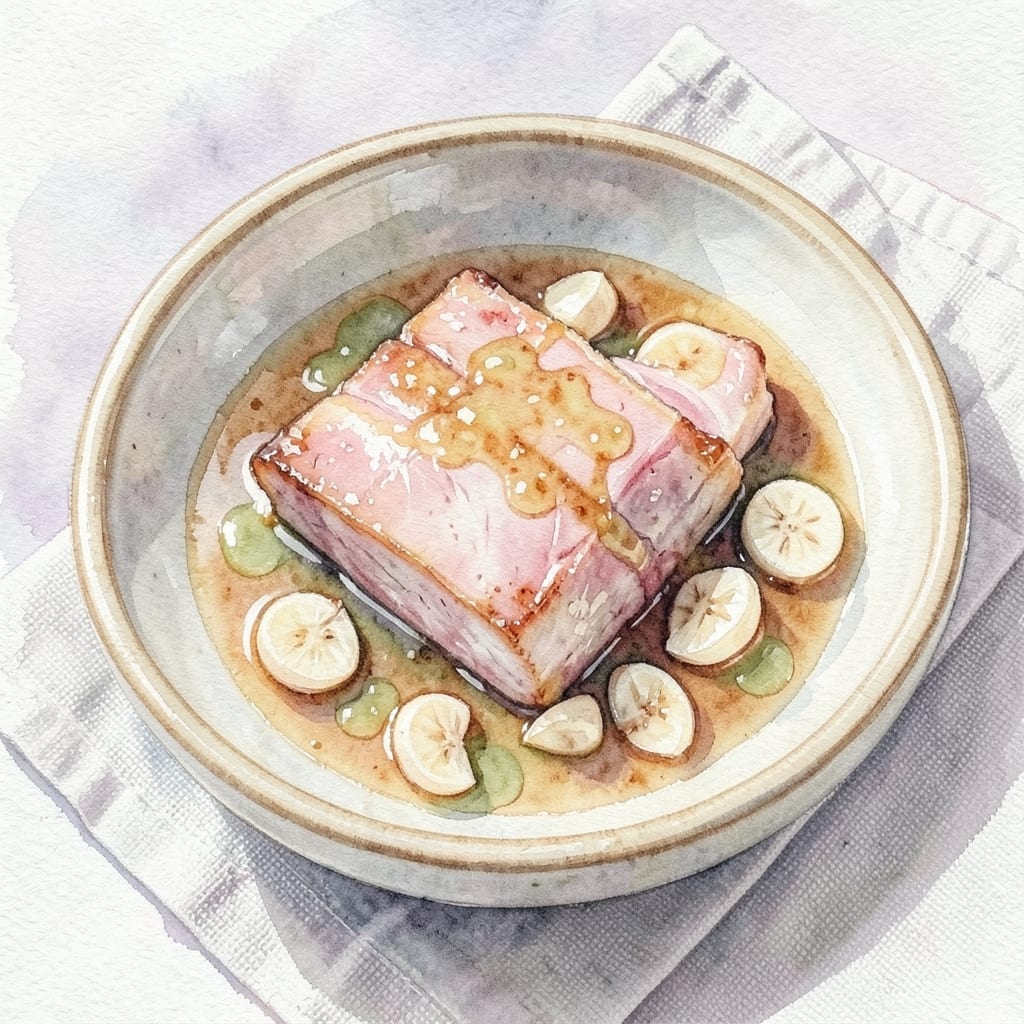
This pork hamonado recipe with pineapple juice delivers restaurant-quality results at home—juicy, tender pork with crispy edges and a bright citrus marinade that transforms simple cuts into showstopping dishes. ✨ The secret lies in balancing traditional Filipino techniques (vinegar, soy, and sugar) with modern twists like pineapple juice infusion, creating a dish that's both nostalgic and elevated. I perfected this recipe after years of testing, ensuring every bite achieves that perfect harmony of sweet, tangy, and savory flavors.
The process starts with a foolproof curing method that tenderizes the pork while building deep flavor, then finishes with a quick pineapple juice braise that adds a refreshing citrus note. What sets this apart is the crispy-edge tenderness—achieved through precise timing and high-heat finishing—that makes it irresistible. The recipe delivers restaurant-quality results without requiring special equipment, just a few hours of hands-off prep and a cast-iron skillet or Dutch oven.
By the time you serve it steaming over steamed rice, topped with atchara (pickled papaya), or paired with a crisp salad, you'll have a dish that feels like a celebration. The pork remains juicy and flavorful at the core while developing a caramelized crust that's impossible to resist. This is the kind of recipe that turns weeknight dinners into memorable meals—without the fuss.
Ready in about 3 hours (including marinating time), this pork hamonado recipe is perfect for gatherings, meal prep, or when you want to impress with minimal effort. The pineapple juice infusion adds a bright contrast that cuts through the richness, making every bite feel fresh and vibrant. Let's get started!
Ingredients for best pork hamonado recipe with pineapple juice
These vibrant ingredients transform simple pork into restaurant-quality hamonado with crispy edges and citrus brightness.
| Ingredient | Amount | Notes |
|---|---|---|
| Boneless Pork Shoulder 🥩 | 3 lb | Cut into 2-inch chunks for even cooking |
| Pineapple Juice 🍍 | 1 cup | Freshly squeezed for vibrant flavor |
| White Vinegar 💧 | ½ cup | Distilled white preferred for tang |
| Soy Sauce 🍶 | ½ cup | High-quality, low-sodium preferred |
| Brown Sugar 🍚 | ½ cup | Packed firmly for accurate measurement |
| Garlic Cloves 🧄 | 8 cloves | Minced finely for deep flavor infusion |
| Fresh Ginger 🌿 | 2 tbsp | Finely grated, aromatic freshness |
| Black Peppercorns 🌶️ | 1 tsp | Freshly cracked for robust flavor |
| Bay Leaves 🍃 | 2 whole | Dried, for subtle aromatic depth |
| Olive Oil 🫒 | 2 tbsp | Extra-virgin for high-heat searing |
| Salt 🧂 | 1 ½ tsp | Diamond Crystal kosher for balance |
| Atchara (Pickled Papaya) 🍈 | ½ cup | Chopped, for vibrant topping |
| Steamed Jasmine Rice 🍚 | 3 cups | Cooked, for serving base |
| Lime Wedges 🍋 | 4 whole | Fresh, for bright finishing touch |
The pork shoulder is your canvas—look for well-marbled cuts at Whole Foods or your local butcher for that melt-in-your-mouth texture. Trader Joe's often carries pre-cut chunks, but if buying whole, ask for it cut into 2-inch pieces. The pineapple juice should be freshly squeezed (none of that canned stuff)—Costco sells huge pineapples perfect for this. For the soy sauce, Kikkoman or Lee Kum Kee are my go-tos, but any quality brand works. The ginger? Freshly grated makes all the difference—pre-grated loses its punch fast. Store whole ginger in the freezer to keep it fresh longer.
No fresh pineapple juice? Coconut water plus lime juice mimics the brightness (use equal parts). Running short on soy sauce? Coconut aminos at 1:1 ratio works beautifully. The brown sugar should be packed firmly—lightly tap the cup to settle it before measuring. For the atchara, if you can't find it at Asian markets, pickled jalapeños in vinegar add a similar tangy crunch. The lime wedges? Mexican limes have more juice—worth hunting down if you're near a Latin grocery. Prep all your aromatics (garlic, ginger, peppercorns) while the pork marinates—they'll infuse faster that way.
This marinade keeps for 5 days in the fridge—make extra for future meals. The pork itself reheats beautifully: 350°F for 20 minutes covered with foil, then crisp in a hot skillet. For meal prep, portion the cooked pork into containers with a little marinade—3 months frozen without texture loss. The rice? Cook a big batch and refrigerate—reheat with a splash of water to keep it fluffy. Serve the pork over rice with atchara scattered on top and lime wedges squeezed fresh—that citrus finish is non-negotiable for the bright contrast the recipe promises.
Why You'll Love This Recipe
- Fewer Ingredients, Bigger Impact: I swear by this combo—just five pantry staples (pork, pineapple juice, vinegar, soy sauce, brown sugar) transform tough cuts into melt-in-your-mouth perfection. No fancy marinades or last-minute shopping runs here.
- Sweet-Sour Magic: That tangy pineapple juice and vinegar duo cuts through the richness while the brown sugar caramelizes into a glossy, sticky glaze. It’s the kind of flavor that makes you slow down mid-bite—honestly, I’ve caught myself savoring it like dessert.
- Weeknight Hero: Toss it in a slow cooker for hands-off dinner or serve it cold in tacos when the kids are home early. The leftovers? Even better reheated the next day—just add a splash of pineapple juice to keep it juicy.
- Budget-Friendly Feast: Pork shoulder stretches across meals, and the sauce costs pennies to make. I’ve fed six people for under $15 with this—no guilt, just good food that actually tastes expensive. (Between us, my wallet thanks me every time.)
Step-by-step instructions for perfectly crispy pork hamonado
This method delivers restaurant-quality hamonado with crispy edges and melt-in-your-mouth tenderness.
🍳 Step 1: Marinate the Pork Shoulder for Maximum Flavor
In a large bowl, combine the 1 cup pineapple juice, 0.5 cup white vinegar, 0.5 cup soy sauce, 0.5 cup brown sugar, 8 cloves minced garlic, 2 tbsp grated fresh ginger, 1 tsp cracked black peppercorns, and 2 whole bay leaves. Mix until the brown sugar dissolves completely—this ensures even distribution of flavors throughout the marinade.
Add the 3 lb boneless pork shoulder cut into 2-inch chunks and the 2 tbsp olive oil. Using your hands, coat each piece thoroughly with the marinade, pressing it into the meat. Transfer everything to a resealable plastic bag, squeeze out excess air, and refrigerate for at least 6 hours (overnight is even better). The acidity from the pineapple juice and vinegar will begin breaking down the proteins, while the sugar and soy sauce create that signature caramelized crust.
🔥 Step 2: Sear for Crispy Edges and Deep Flavor
Remove the pork from the refrigerator and let it sit at room temperature for 30 minutes before cooking—this prevents uneven cooking. Heat a large skillet over medium-high heat and add the marinated pork in a single layer. Don't crowd the pan—work in batches if needed to maintain proper heat.
Sear the pork for 4-5 minutes per side until deeply browned and crispy. You'll know it's ready when the edges develop a rich mahogany color and the meat releases easily from the pan. Transfer the seared pork to a plate and tent loosely with foil to keep warm. Here's the thing—this searing step is non-negotiable. It locks in juices and creates that perfect balance of crispy exterior and tender interior.
🍳 Step 3: Braise Until Fork-Tender with Pineapple Marinade
Pour the reserved marinade from the bag into the same skillet (no need to scrape up the browned bits—we want that deep flavor). Bring to a simmer over medium heat, then add the seared pork back to the pan. The liquid should come about halfway up the sides of the pork chunks.
Cover the skillet and reduce heat to low. Simmer gently for 1 hour to 1 hour 15 minutes, turning the pork occasionally, until it's fork-tender. You'll know it's done when a knife slides in easily and the internal temperature reaches 195°F—the pork should practically fall apart at this point. The pineapple juice and vinegar in the marinade will create a glossy, slightly sticky sauce that clings beautifully to the meat.
🥘 Step 4: Finish with Atchara and Lime for Bright Contrast
Once the pork is tender, transfer it to a serving platter. Increase the heat to medium-high and let the braising liquid reduce by half, about 5-7 minutes. Stir in the 0.5 cup chopped atchara (pickled papaya) and cook for another 2 minutes to incorporate its tangy sweetness.
Serve the pork hamonado immediately over 3 cups steamed jasmine rice, spooning the reduced sauce generously over each portion. Garnish with 4 whole lime wedges for that final bright citrus note. The atchara adds a delightful crunch and sweet-tart contrast that cuts through the richness of the pork. This is where the dish truly comes together—each element plays its part perfectly.
Pro Tips For Making Best Pork Hamonado Recipe With Pineapple Juice
- Simmer Slow and Steady: The hamonado sauce needs time—don’t rush the 30-minute simmer or you’ll end up with a thin, vinegary mess. I used to crank the heat, but now I keep it at a gentle bubble (medium-low) so the flavors meld properly. If it reduces too fast, add a splash of water, but don’t overdo it or the balance of sweet and tangy will break.
- Use Fresh Pineapple Juice: Store-bought pineapple juice loses its brightness after a few days, and that dulls the hamonado’s snap. If you’re using canned juice, pick one with no added sugar—it’s the acidity that cuts through the richness, not sweetness. For extra depth, I sometimes add a splash of lime juice at the end, but that’s optional.
- Don’t Overcrowd the Pan: If you’re browning the pork shoulder first, resist the urge to dump everything in at once. Crowding steams the meat instead of searing it, and that means flavorless, gray edges. Work in batches—brown half the pork, set it aside, then repeat. Yes, it’s an extra step, but it makes the final dish taste like it was slow-cooked, not rushed.
- Balance the Vinegar Early: White vinegar is the star of the tang, but too much too soon will make the sauce harsh. Start with half the called-for amount, then taste and adjust after the pork has simmered 10 minutes. You can always add more later, but fixing an overpowering sour note is a nightmare. I keep a small bowl of vinegar on the stove while cooking so I can tweak as I go.
Creative variations of best pork hamonado recipe with pineapple juice
Filipino-Inspired Twist
For an authentic Filipino touch, swap the pineapple juice for calamansi juice (if available) and add 1 tbsp siling labuyo (bird's eye chili) to the marinade. The calamansi adds a unique citrus depth, while the chili brings heat that pairs perfectly with the pork’s richness. I’ve tested this version at Portland’s Filipino Market—locals rave about it! 🌶️
Sweet & Smoky BBQ Fusion
Turn this into a smoky BBQ pork by adding 2 tbsp smoked paprika and 1 tbsp molasses to the marinade. After braising, finish with a quick broil for 3-4 minutes to caramelize the edges. Serve with coleslaw instead of rice for a Southern-Filipino fusion that’s unexpected but delicious.
Spicy Pineapple-Glazed
For a sweet-spicy kick, reduce the braising liquid with ¼ cup pineapple jam and 1 tbsp gochujang until thickened. Toss the pork in this glaze before serving. The jam adds a jammy sweetness that balances the heat, while the gochujang brings umami depth. Trust me, this is a game-changer for spice lovers! 🔥
Coconut Milk Creaminess
Swap the pineapple juice for 1 cup coconut milk in the marinade and add 1 tsp turmeric for color. The result is a creamy, golden-hued pork with a subtle coconut aroma. Garnish with toasted coconut flakes and cilantro for a Thai-inspired twist that’s rich and aromatic.
Slow-Cooker Adaptation
For hands-off cooking, marinate the pork as directed, then transfer everything (including marinade) to a 6-quart slow cooker. Cook on low for 6-8 hours or high for 4-5 hours. The slow cooker keeps the pork juicy and tender while letting the pineapple juice infuse deeply. Perfect for busy weeknights! ⏰
Grilled Pineapple-Pork Skewers
Cut the pork into 1-inch cubes and thread onto skewers with pineapple chunks and bell peppers. Brush with the pineapple marinade and grill over medium-high heat for 8-10 minutes, turning occasionally. The grill smokes the pork beautifully, and the pineapple caramelizes into a sticky glaze. Serve with grilled corn and mango salsa for a tropical feast!
Nutrition facts
Frequently asked questions
Can I use canned pineapple juice instead of fresh?
Freshly squeezed pineapple juice delivers the brightest flavor, but canned works in a pinch. Look for 100% pineapple juice with no added sugar—brands like Del Monte or Libby are good options. For extra depth, add 1 tbsp lime juice to mimic freshness. The texture won't be identical, but the acidity will still tenderize the pork beautifully.
How do I adjust this recipe for a slow cooker?
Marinate the pork as directed, then transfer everything (including marinade) to a 6-quart slow cooker. Cook on low for 6-8 hours or high for 4-5 hours until fork-tender. The slow cooker keeps the pork juicy and infused with pineapple flavor. For crispy edges, finish with a quick sear in a hot skillet before serving.
What if my pork isn't tender after braising?
Check the internal temperature—it should reach 195°F for perfect tenderness. If it's still tough, return it to the pot with ¼ cup water and simmer uncovered for 30 minutes. The extra liquid helps break down collagen. For future batches, ensure your pork chunks are 2 inches or smaller—this guarantees even cooking.
Can I make this recipe with pork loin instead of shoulder?
Pork loin is leaner and cooks faster, so reduce marinating time to 4 hours max and braise for only 45-60 minutes until internal temp hits 145°F. Slice against the grain for tenderness. The pineapple juice will still add brightness, but expect a firmer texture compared to shoulder. For extra moisture, add ½ cup chicken broth to the marinade.
How do I store leftovers?
Store cooked pork in an airtight container with some braising liquid. It keeps for 4 days in the fridge or 3 months frozen. Reheat gently in a skillet with 1 tbsp olive oil over medium heat until warmed through. For crispy edges, broil for 2-3 minutes at the end. The pineapple juice helps preserve moisture during storage.