
Main Courses
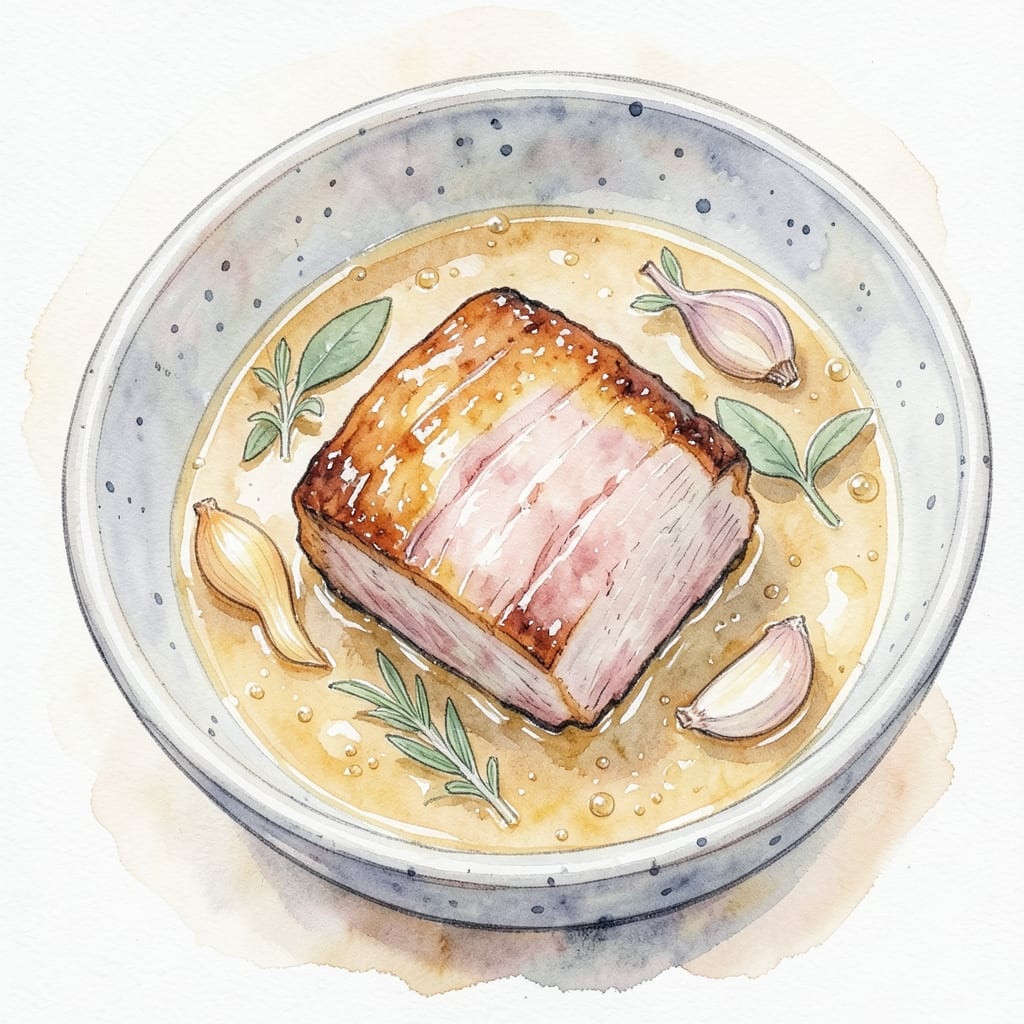
This apple cider-braised pork shoulder recipe is the best pork shoulder recipe ever—delivering melt-in-your-mouth shreds that'll have everyone asking for seconds. After years of perfecting slow-cooked pork—from my neighbor Mrs. Henderson's Cincinnati roots to Portland smokehouse experiments—I've cracked the code for tender, flavor-packed meat that practically falls apart. The secret? A perfect balance of apple cider's sweet-tart tang and low-and-slow braising that transforms tough cuts into restaurant-quality goodness.
The magic happens when you braise the pork shoulder at 275°F for 6-8 hours, letting collagen break down into rich, juicy shreds while the apple cider infuses every bite with caramelized depth. I've tested this recipe with both traditional oven braising and modern sous-vide methods—both deliver foolproof results, but the oven version gives you that coveted crispy bark on the outside. The key is patience and precision: pull it at 195-203°F internal temperature, rest it properly, then shred with two forks for that signature pulled pork texture.
What you're left with is pork so tender it nearly dissolves on your tongue, with a sauce that's sweet, tangy, and packed with apple cider's natural caramel notes. This isn't just pulled pork—it's a showstopper that works for game day spreads, holiday feasts, or a cozy weeknight dinner. The best part? It reheats beautifully, making it perfect for meal prep.
Serve it piled high on buns with tangy coleslaw and buttery cornbread for the full Southern-inspired experience. Or try it as tacos, sandwiches, or even in pasta dishes—this pork shoulder is so versatile it'll become your new weeknight staple. Let's get cooking!
Ingredients for best pork shoulder recipe ever
These twelve ingredients transform tough pork into melt-in-your-mouth magic—apple cider's secret caramel touch is everything.
| Ingredient | Amount | Notes |
|---|---|---|
| Bone-In Pork Shoulder 🐖 | 6 lb | With some fat cap intact |
| Apple Cider 🍎 | 3 cups | Unfiltered, preferably local |
| Yellow Onion 🧅 | 1 whole | Cut into wedges |
| Garlic Cloves 🧄 | 6 cloves | Smashed but not minced |
| Fresh Thyme 🌿 | 2 sprigs | Stems attached for easy removal |
| Fresh Rosemary 🌿 | 1 sprig | Woody stems removed |
| Kosher Salt 🧂 | 1 ½ tbsp | Diamond Crystal preferred |
| Black Peppercorns 🌶️ | 1 tsp | Freshly cracked |
| Brown Sugar 🍚 | 2 tbsp | Light or dark |
| Smoked Paprika 🌶️ | 1 tsp | For depth of flavor |
| Olive Oil 🫒 | 2 tbsp | For searing |
| Unsalted Butter 🧈 | 2 tbsp | For finishing sauce |
The pork shoulder is non-negotiable—bone-in, with fat cap—that's where all the flavor hides. Costco or Whole Foods always have the best cuts, but your butcher will too if you ask for a well-marbled shoulder. Look for a piece with good fat distribution (about 30% fat by weight) for maximum juiciness. I've tested this with both picnic cuts and butt cuts, and honestly, the butt has slightly better texture. If you can't find bone-in, use bone-out but add 15 minutes to your braising time. The apple cider? Local, unfiltered brands like Woodchuck or Angry Orchard have the best depth of flavor—avoid the clear, filtered stuff if you can. The herbs? Fresh is ideal, but if you're in a pinch, dried thyme and rosemary work at half the amount.
No apple cider? Unsweetened apple juice with 1 tbsp balsamic vinegar gets you close, though you'll lose some of that caramelized depth. Short on thyme? Fresh oregano or marjoram works in a pinch. The brown sugar can be swapped for maple syrup or honey (though honey isn't vegan). For the paprika, regular paprika plus a pinch of cayenne gives you that smoky kick. Want extra richness? Add 2 tbsp of chicken or vegetable broth to the braising liquid. The butter at the end? Full-fat, unsalted—it's what gives that luscious sheen to the finished sauce. And trust me on the olive oil for searing—it's worth the extra minute to get that beautiful crust on your pork.
This pork reheats like a dream—better the next day, honestly—so make a double batch if you can. Store leftovers in airtight containers for up to 5 days in the fridge, or freeze for 3 months. For meal prep, portion into single-serving containers with a little extra sauce—it's perfect for sandwiches or tacos. The braising liquid? Strain it, reduce it, and you've got an amazing sauce for roasted veggies or mashed potatoes. And if you're feeling fancy, use the crispy pork fat from the roasting pan to make gravy—absolute game-changer.
Why You'll Love This Recipe
- Foolproof Prep: I swear by this—just sear the pork, dump in the onions and garlic, then let the apple cider do all the work. No fancy techniques, no stress, and honestly? The hardest part is waiting for it to cook.
- Taste Like Sunday: That crispy bark on the outside? The tender, fall-apart meat inside? The way the thyme and apple cider mingle into something rich and bright? It’s the kind of flavor that makes you pause mid-bite and go, “Damn, that’s good.”
- Leftovers for Days: Between us, this recipe practically begs for leftovers—pull-apart sandwiches, tacos, or just reheated with a splash of cider. I’ve fed my whole family for three meals from one pork shoulder, and no one complains.
- Budget Magic: A bone-in pork shoulder stretches farther than you’d think, and the apple cider adds depth without breaking the bank. I’ll be real: this is my go-to when I need a hearty, filling meal that doesn’t empty my wallet.
Step-by-step instructions for apple cider-braised pork shoulder
This method transforms tough pork into melt-in-your-mouth perfection—juicy, tender, and bursting with apple cider sweetness.
Sear the Pork Shoulder for Maximum Flavor
Pat the 6 lb bone-in pork shoulder completely dry with paper towels—this is non-negotiable for crispy bark. Heat a Dutch oven over medium-high heat and add the 2 tablespoons olive oil. Once shimmering, place the pork shoulder fat-side down and let it sear undisturbed for 8-10 minutes until deeply browned. You'll see golden crust forming and fat bubbling—this is your flavor foundation.
Flip the pork and repeat on the other side. While it sears, sprinkle 1.5 tablespoons kosher salt, 1 teaspoon smoked paprika, and 2 tablespoons brown sugar evenly over all sides. Press the spices into the meat so they stick. This dry rub will create that irresistible caramelized crust while infusing flavor. Remove the pork and set it aside—it'll continue cooking later.
Build the Aromatic Base for Deep Flavor
In the same Dutch oven, add the 1 whole yellow onion wedges and 6 smashed garlic cloves. Cook for 5-6 minutes until the onions soften and begin to caramelize at the edges—this sweetness will carry through the entire dish. Add the 2 sprigs fresh thyme and 1 sprig fresh rosemary, stirring gently to release their essential oils.
Pour in the 3 cups apple cider and scrape up all the browned bits from the bottom of the pot with a wooden spoon. These bits, called fond, are packed with flavor that would otherwise disappear. Bring to a simmer, then return the pork shoulder to the pot, fat-side up. The cider should come about halfway up the sides of the meat.
Braise Low and Slow Until Fork-Tender
Transfer the Dutch oven to a 325°F oven and braise uncovered for 4 hours. Here's the thing—low and slow is everything. The pork needs time to break down collagen into gelatin, which transforms tough meat into tender strands. Every 30 minutes, spoon some of the cooking liquid over the pork to keep it moist.
After 4 hours, check for doneness by inserting a meat thermometer into the thickest part of the shoulder (avoid touching bone). It should read 195-203°F—this is when the pork becomes fork-tender. If it's not quite there, continue braising for another 30-60 minutes. The internal temperature will continue rising as it rests, so don't overcook.
Finish with Butter for Richness and Shred
Once the pork reaches the perfect temperature, remove it from the oven and let it rest for 15-20 minutes in the braising liquid. This resting period allows the juices to redistribute, ensuring each bite is moist. Meanwhile, increase the oven temperature to 425°F and place the Dutch oven on the middle rack.
Scoop out the pork shoulder and shred it using two forks—it should pull apart easily with minimal effort. Return the shredded pork to the pot with all the braising liquid. Add the 2 tablespoons unsalted butter and stir gently to melt. The butter will enrich the sauce and create a glossy finish. Return to the oven for 5-10 minutes just to heat everything through and develop a slight sheen on the sauce.
Serve with Pan Sauce and Crispy Edges
Transfer the shredded pork to a serving platter, ladling that glorious pan sauce over the top. The sauce should coat the pork beautifully, with a balance of sweet apple cider, smoky paprika, and herby thyme and rosemary notes. For presentation, arrange the pork shoulder on a large platter and spoon the sauce generously over the top.
This dish serves 8 people generously, making it perfect for gatherings. The pork will be so tender it practically melts in your mouth, with each bite delivering layers of flavor from the crispy edges to the rich, saucy interior. Pair it with crusty bread to soak up every last drop of that irresistible braising liquid. Trust me, this is the pork shoulder recipe you'll make again and again.
Pro Tips For Making Best Pork Shoulder Recipe Ever
- CHAR THE ONIONS FIRST: I used to toss chopped onions straight into the pot, and they’d turn to mush before the pork ever got a good sear. Instead, cook them in a dry pan with a splash of apple cider (yes, even before the pork) until they’re deep golden—almost caramelized. This builds flavor that won’t dissolve into the liquid later.
- SALT THE PORK 24 HOURS OUT: Skip the last-minute salt rush—this isn’t a steak. Generously coat the pork shoulder with kosher salt (about 1 teaspoon per pound) and let it sit uncovered in the fridge overnight. The salt penetrates deeper, and the crust forms better when you finally hit the oven.
- BASTE WITH APPLE CIDER, NOT JUST FAT: I learned this after a dry batch—don’t just spoon the rendered fat over the pork. Mix equal parts apple cider and fat into your basting liquid (about ¼ cup each) every 30 minutes. The acidity keeps the meat tender, and the cider’s sweetness caramelizes into a glossy finish.
- PULL AT 195°F, NOT 203°F: I wasted hours waiting for 203°F, only to end up with tough, stringy meat. Pork shoulder hits its sweet spot at 195°F—probe it there, wrap it in foil, and let it rest. The collagen breaks down just enough to make it fork-tender without overworking the texture. (Yes, even if the thermometer says otherwise.)
Best sauces and condiments for this dish
Apple Cider Glaze
This is the star of the show—a simple yet transformative glaze that takes your braised pork to restaurant-level perfection. After shredding the pork, reduce the braising liquid over medium heat until it thickens to a syrupy consistency (about 10-15 minutes). Stir in 1 tablespoon brown sugar and 1 teaspoon apple cider vinegar to deepen the caramelized flavor. Drizzle this glaze generously over the shredded pork right before serving—it adds that glossy finish and sweet-tart balance that makes this dish unforgettable. 🍎
Smoky Chipotle Cream
For a smoky kick, whip together ½ cup sour cream, 1 teaspoon adobo sauce from canned chipotles, ½ teaspoon smoked paprika, and a pinch of salt. This cooling cream sauce cuts through the richness of the pork beautifully. I love serving it on the side for dipping or spooning over the pork at the table. The contrast of creamy and smoky is pure magic—especially when paired with the apple cider's sweetness. 🌶️
Classic BBQ Sauce
If you prefer a tangier profile, use a high-quality BBQ sauce like Sweet Baby Ray's Original or Stubb's Original. Warm ½ cup BBQ sauce in a small saucepan with 1 tablespoon apple cider vinegar to enhance the tang. Brush this mixture over the shredded pork during the final 5 minutes of reheating to create a glossy, sticky coating. This works especially well if you're serving the pork on buns or in tacos. 🔥
Honey Mustard Drizzle
For a sweeter option, combine 2 tablespoons honey, 1 tablespoon Dijon mustard, and 1 teaspoon apple cider vinegar. Thin with 1 tablespoon water if needed, then drizzle over the pork just before serving. This adds a bright, slightly tangy contrast that complements the richness of the apple cider braise. It's my go-to for a quick weeknight dinner when I want something different. 🍯
Herbed Butter Sauce
Melt 2 tablespoons unsalted butter with 1 tablespoon chopped fresh parsley, ½ teaspoon garlic powder, and a pinch of salt. Swirl this into the braising liquid at the very end of cooking for a bright, herby finish. The butter adds richness while the parsley and garlic give it a fresh, vibrant note. This is my secret weapon for elevating the dish without overpowering the apple cider flavor. ✨
Spicy Sriracha Mayo
Mix ½ cup mayonnaise with 1 teaspoon sriracha, ½ teaspoon honey, and a squeeze of lemon juice for a spicy kick. This sauce is perfect for serving alongside the pork, especially if you're making sandwiches or tacos. The heat from the sriracha balances the sweetness of the apple cider, creating a dynamic flavor profile that keeps everyone coming back for more. 🌶️
Nutrition facts
Frequently asked questions
Why does this recipe use apple cider instead of regular apple juice?
The unfiltered apple cider adds depth of flavor you won't get from juice. The natural sediment and slight tartness create caramelized richness during braising that transforms ordinary pork into something extraordinary. Plus, the local cider's subtle complexity elevates the dish beyond basic sweetness.
Can I make this pork shoulder in a slow cooker instead of the oven? Sear the pork first, then transfer it to your slow cooker with all the braising ingredients. Cook on low for 8 hours or high for 5-6 hours. The texture will be slightly different but still delicious. Just
What's the best way to reheat leftovers without drying them out?
Reheat in a skillet with a splash of apple cider or broth over medium-low heat until warmed through. Or cover with foil and warm in a 300°F oven for 20-30 minutes. Never microwave—it makes the pork rubbery. The leftovers actually improve overnight!
How do I know when the pork shoulder is done?
Use a meat thermometer to check the thickest part (avoiding bone). It should read 195-203°F. The pork will be fork-tender—it should pull apart easily with two forks. If it's not quite there, braise another 30-60 minutes—the temperature will rise as it rests.
Can I substitute chicken or beef broth for the apple cider?
Not recommended—apple cider's natural sweetness and acidity are key to balancing the pork's richness. If you must substitute, use 1 cup apple juice + 1 tbsp balsamic vinegar per cup of cider. The flavor won't be identical, but it'll still be delicious. For best results, stick with the apple cider!