
Soups & Stews
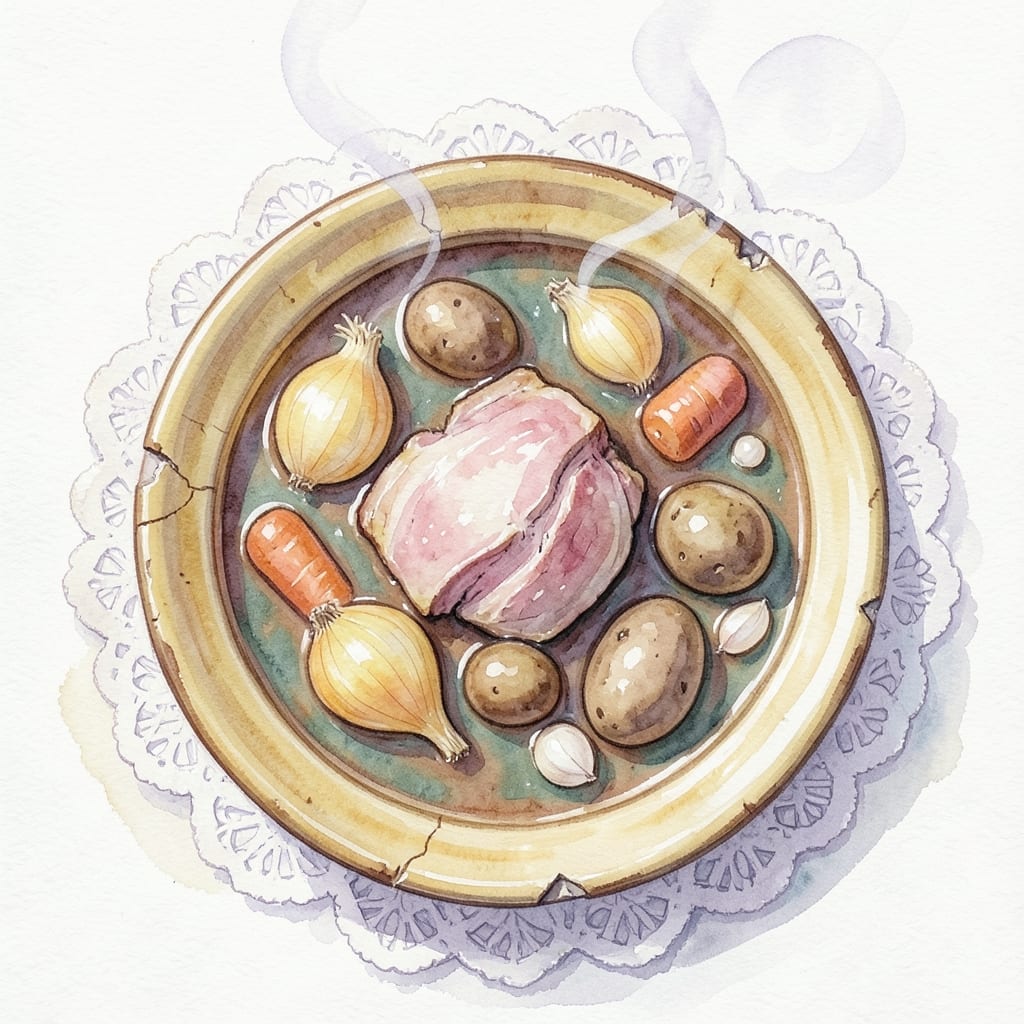
This best pork stew recipe ever delivers the kind of deep, slow-simmered richness that transforms tough cuts into melt-in-your-mouth perfection. Growing up in Georgia, I learned that the secret lies in caramelizing onions until they're sweet and golden—a process that takes patience but creates unmatched flavor depth. The technique I've perfected here combines traditional Dutch oven braising with modern shortcuts for home cooks.
The magic happens in layers: first browning the pork to develop a flavorful crust, then building aromatics with onions, garlic, and herbs before letting everything simmer in broth until the meat falls apart. Carrots and potatoes soak up the rich sauce, creating a hearty stew that's both comforting and impressive. This isn't just a recipe—it's a technique that elevates simple ingredients into something extraordinary.
What makes this stew truly special is how the flavors develop over time. The pork becomes tender enough to shred with a fork, while the onions caramelize into sweet, jammy perfection. The result is a bowl of stew that's rich, aromatic, and packed with texture—each bite delivering layers of savory, sweet, and herby notes. It's the kind of dish that tastes even better the next day, making it perfect for meal prep or feeding a crowd.
Whether you're using a cast iron Dutch oven or adapting it for a pressure cooker, this recipe delivers restaurant-quality results at home. The slow simmer ensures maximum flavor extraction, while the caramelized onions add that signature depth that makes this the best pork stew you'll ever make. Ready to transform your weeknight dinners?
Ingredients for best pork stew recipe ever
Caramelized onions, rich broth, and tender pork—this is the ultimate comfort in a bowl.
| Ingredient | Amount | Notes |
|---|---|---|
| Pork Shoulder (Bone-In) 🥩 | 3 lb | Cut into 1.5-inch chunks |
| Yellow Onions 🧅 | 3 whole | Yellow or red, peeled |
| Garlic Cloves 🧄 | 6 cloves | Peeled, smashed |
| Carrots 🥕 | 1 ½ lb | Peeled, cut into chunks |
| Russet Potatoes 🥔 | 2 lb | Peeled, cut into chunks |
| Beef Broth 💧 | 6 cups | Low-sodium preferred |
| Tomato Paste 🍅 | ½ cup | Squeeze tube or canned |
| Dry Red Wine 🍷 | 1 cup | Bold variety like Cabernet |
| Fresh Thyme 🌿 | 2 sprigs | Or 1 tbsp dried thyme |
| Fresh Rosemary 🌿 | 1 sprig | Or 1 tsp dried rosemary |
| Bay Leaves 🌿 | 2 whole | Dried, removed before serving |
| Olive Oil 🫒 | ¼ cup | Extra-virgin preferred |
| Salt 🧂 | 1 ½ tsp | Kosher or sea salt |
| Black Pepper 🌶️ | 1 tsp | Freshly ground |
| All-Purpose Flour 🌾 | 2 tbsp | For thickening sauce |
The pork shoulder is the star here—bone-in for extra flavor, cut into even chunks so everything cooks at the same rate. Costco or Trader Joe's usually have great prices on this cut, but any grocery store will have it if you ask. Look for good marbling—those little fat streaks melt into the stew, making it impossibly tender. Onions are non-negotiable; yellow or red, but nothing sweet like Vidalia. Caramelizing them takes time, but trust me, it's worth it for that jammy sweetness that makes this stew sing. I always grab extra onions—half go in the stew, half get caramelized separately for topping.
No red wine? Beef broth with a splash of balsamic works just as well—it adds that same deep acidity without the alcohol. Fresh thyme and rosemary are ideal, but dried works at half the amount if that's what you've got. The tomato paste can be from a squeeze tube (I love Trader Joe's for this) or a can—just make sure it's smooth, not chunky. For the carrots and potatoes, baby carrots or Yukon Golds both work beautifully. If you're short on time, par-cook the potatoes for 5 minutes before adding to the stew—they'll finish cooking perfectly. And if you're worried about the wine, don't be: the alcohol burns off during cooking.
This stew tastes even better the next day—make extra portions if you can. It keeps for 4-5 days in the fridge and freezes beautifully for up to 3 months. I portion mine into containers so lunches are sorted for the week. For reheating, just warm on the stove with a splash of water or broth to loosen the sauce. The onions caramelize even more overnight, so you'll want to skim off any excess fat that rises to the top before serving. Store the broth separately if you want to use it for another recipe—it's too good to waste.
Why You'll Love This Recipe
- One-Pan Magic: I swear by this—just toss everything in one pot and walk away. The bone-in pork shoulder practically melts itself while the potatoes and carrots soften into perfect, fork-tender bites. No chopping boards, no extra pans, just pure, lazy cooking that still feels like a meal worth making.
- Garlic Bomb: Between us, this stew’s secret weapon is the garlic. I don’t skimp—crushed cloves simmered into the onions until they’re sticky and sweet, then caramelized into the broth. That deep, savory punch? It turns a simple stew into something you’ll lick the bowl for.
- Leftovers That Win: Honestly, I make this on Sundays just so I can reheat it all week. The flavors only get richer overnight, and the potatoes stay creamy instead of dry. Pack it for lunch or serve it cold in sandwiches—it’s the kind of dish that keeps giving without losing its charm.
- Budget Hero: A bone-in pork shoulder costs less than half the price of pre-cut steaks, and the veggies stretch this into six servings without breaking the bank. My college-student nephew called it “the best cheap meal ever,” and I’m not arguing with him.
Step-by-step instructions for slow-simmered pork stew
This is where the magic happens—transforming simple ingredients into a rich, caramelized masterpiece.
Sear the Pork Shoulder for Deep Flavor
Heat a large Dutch oven over medium-high heat until hot. Add the 0.25 cup olive oil and let it shimmer for 1 minute. Working in batches, add the 3 lb pork shoulder cut into 1.5-inch chunks, spreading them out in a single layer. Let them sear undisturbed for 3-4 minutes until deeply golden brown on all sides.
This step is non-negotiable—those browned bits (fond) dissolve into the stew, creating layers of flavor. If the pan gets crowded, work in batches and set the first batch aside. Season each batch with 0.5 tsp salt and 0.25 tsp black pepper as you go. Once all pork is browned, remove and set aside.
Caramelize the Onions and Garlic
In the same Dutch oven, reduce heat to medium-low and add the 3 whole yellow onions cut into even wedges. Cook for 15-20 minutes, stirring occasionally, until the onions are deep golden brown and caramelized—this should happen slowly without burning. You'll smell that sweet, nutty aroma developing, and that's exactly what we want.
After 10 minutes, add the 6 cloves garlic cloves (smashed but not minced) and the 2 sprigs fresh thyme and 1 sprig fresh rosemary. Stir for 1 minute until fragrant. If the onions start to stick, add 1 tablespoon beef broth to deglaze. This caramelization builds the stew's rich foundation.
Build the Stew Base with Wine and Broth
Pour in the 1 cup dry red wine and scrape up all the browned bits from the bottom of the pot. Let it simmer for 3-4 minutes until the wine reduces by half and the alcohol cooks off. Add the 6 cups beef broth, 0.5 cup tomato paste, 1.5 tsp salt, and 1 tsp black pepper. Stir well to combine.
Return the seared pork to the pot, along with the 2 whole bay leaves. Bring to a gentle boil, then reduce heat to low. The stew should simmer, not bubble vigorously—this is where patience pays off. Cover and let it cook for 1 hour, stirring occasionally to prevent the pork from sticking to the bottom.
Add Vegetables for Perfect Texture
After 1 hour, add the 1.5 lb carrots and 2 lb russet potatoes, both cut into 1.5-inch chunks. Stir gently to distribute the vegetables. Return to a simmer, cover, and cook for another 1 hour 30 minutes until the pork is fork-tender and the vegetables are soft but not mushy.
Here's the thing—don't rush this step. The potatoes should be tender enough to pierce with a fork, but still hold their shape. If the stew reduces too much, add ½ cup water or broth to maintain the right consistency. The flavors will meld beautifully during this final cooking time.
Thicken and Serve with Richness
Remove the 2 whole bay leaves and discard. In a small bowl, whisk together the 2 tbsp all-purpose flour with 2 tablespoons cold water to make a slurry. Slowly stir this into the stew, letting it simmer for 5-7 minutes until thickened to your desired consistency.
Taste and adjust seasoning—you might need a pinch more salt or pepper. Serve the stew hot, garnished with fresh parsley if you like. The result? A deeply flavorful, hearty stew where every bite delivers layers of caramelized onions, tender pork, and aromatic herbs. This is the kind of dish that tastes even better the next day—so make extra!
Pro Tips For Making Best Pork Stew Recipe Ever
- Sear the Pork Shoulder First: I learned this the hard way—skipping the sear means flavorless broth. Pat the pork dry, then hit it with high heat in a heavy pot until deep brown on all sides. That crust locks in juices and builds the foundation for everything else.
- Cut Carrots in Chunks: No need for perfect slices—just rough 1-inch chunks. They’ll soften beautifully and release sweetness faster, especially if you add them early when the stew is still simmering hot. (Yes, even if you’re impatient like me.)
- Don’t Rush the Potatoes: Add them late—only in the last 20 minutes—or they’ll turn to mush. Russets break down fast, so if you’re multitasking, set a timer. You want them tender but still holding shape, not falling apart like overcooked mashed potatoes.
- Use the Bone Marrow: Crack the pork shoulder’s bone, scoop out the marrow, and mix it into the stew during the last 10 minutes of cooking. It’s rich, buttery, and adds a depth that store-bought broth can’t match. (Does it look weird? Yes. Does it work? Every single time.)
Best sauces and condiments for this dish
Caramelized Onion Topping
Take your stew to the next level by finishing with extra caramelized onions—about ½ cup of those sweet, jammy bits. I like to caramelize an extra batch in a separate pan with 1 tbsp butter and 1 tbsp brown sugar until deep golden. The sugar adds a subtle caramel note that complements the stew beautifully. Sprinkle this over individual servings right before eating—it adds texture and a burst of sweetness that cuts through the richness. 🍯
Red Wine Reduction
Save the leftover red wine from your stew (after cooking) and reduce it into a glossy sauce to drizzle on top. Simmer ½ cup reserved wine with 1 tsp balsamic vinegar and 1 tsp honey until reduced by half. This adds a sophisticated tangy-sweet contrast that elevates the dish. I often use this as a finishing touch for special occasions—it feels restaurant-worthy. 🍷
Mustard Cream Sauce
For a creamy twist, whisk together ¼ cup sour cream, 1 tbsp Dijon mustard, and 1 tbsp fresh parsley after the stew is done. Stir this into individual bowls of stew just before serving—it adds a velvety texture and brightens the flavors. The mustard cuts through the richness while the sour cream adds a luxurious finish. Perfect for serving with crusty bread. 🥖
Herb Butter Garnish
Roll 2 tbsp softened butter with 1 tbsp chopped fresh parsley, ½ tsp minced garlic, and a pinch of salt. Shape into small patties and place one on top of each serving. As the stew sits, the butter melts into the bowl, infusing the dish with fresh herb notes. This is my go-to garnish for a touch of elegance without overpowering the main flavors. 🌿
Crispy Fried Onions
For crunch, thinly slice ½ red onion and fry in 2 tbsp neutral oil (like vegetable or canola) until golden and crispy. Drain on paper towels and sprinkle over the stew just before serving. The contrast of crispy onions against the tender pork and soft vegetables is pure magic. I keep a batch of these on hand for quick garnishes on all my stews. 🧅
Balsamic Glaze
Heat 2 tbsp balsamic vinegar in a small saucepan until it thickens slightly (about 3 minutes). Drizzle this glossy glaze over the stew just before serving—it adds a tangy depth that balances the richness. For extra flair, add a pinch of crushed red pepper flakes to the glaze. This is my secret weapon for adding complexity without extra effort. 🌶️
Nutrition facts
Frequently asked questions
Can I use a slow cooker for this pork stew?
For a 6-hour low setting, brown the pork first in a skillet, then transfer everything to the slow cooker. Add the caramelized onions, broth, and remaining ingredients, cooking until the pork is fork-tender. The slow cooker method is perfect for hands-off cooking and makes this stew even more flavorful as the ingredients meld together over time.
What if I don't have red wine?
No problem! Replace the 1 cup red wine with 1 cup beef broth plus 1 tablespoon balsamic vinegar. The balsamic adds depth without alcohol, while the extra broth maintains the stew's richness. For a non-alcoholic option, apple cider or even extra broth with a splash of lemon juice works too.
How do I know when the pork is fully cooked?
The pork is done when it reaches an internal temperature of 203°F (or 195°F for pulled pork texture) and easily shreds with a fork. For extra safety, use a meat thermometer—insert it into the thickest part of the pork. If it's still slightly firm, let it simmer 15-20 minutes longer. The slow cooking process ensures tender, fall-apart perfection.
Can I make this stew in a pressure cooker?
Yes! Sear the pork as directed, then add all ingredients except the potatoes. Pressure cook on high pressure for 40 minutes, then add the potatoes and cook for an additional 10 minutes. Quick-release the pressure and let the stew sit for 5 minutes before serving. This cuts cooking time to under an hour while keeping all the rich flavors.
Why does my stew taste bland after refrigerating?
This usually happens when the stew reduces too much, losing its concentrated flavors. Before storing, ensure the stew has enough liquid—add ½ cup broth if needed. When reheating, add a splash of water or broth to restore the sauce's richness. For extra flavor, stir in 1 teaspoon soy sauce or a pinch of smoked paprika when reheating.