
Main Courses
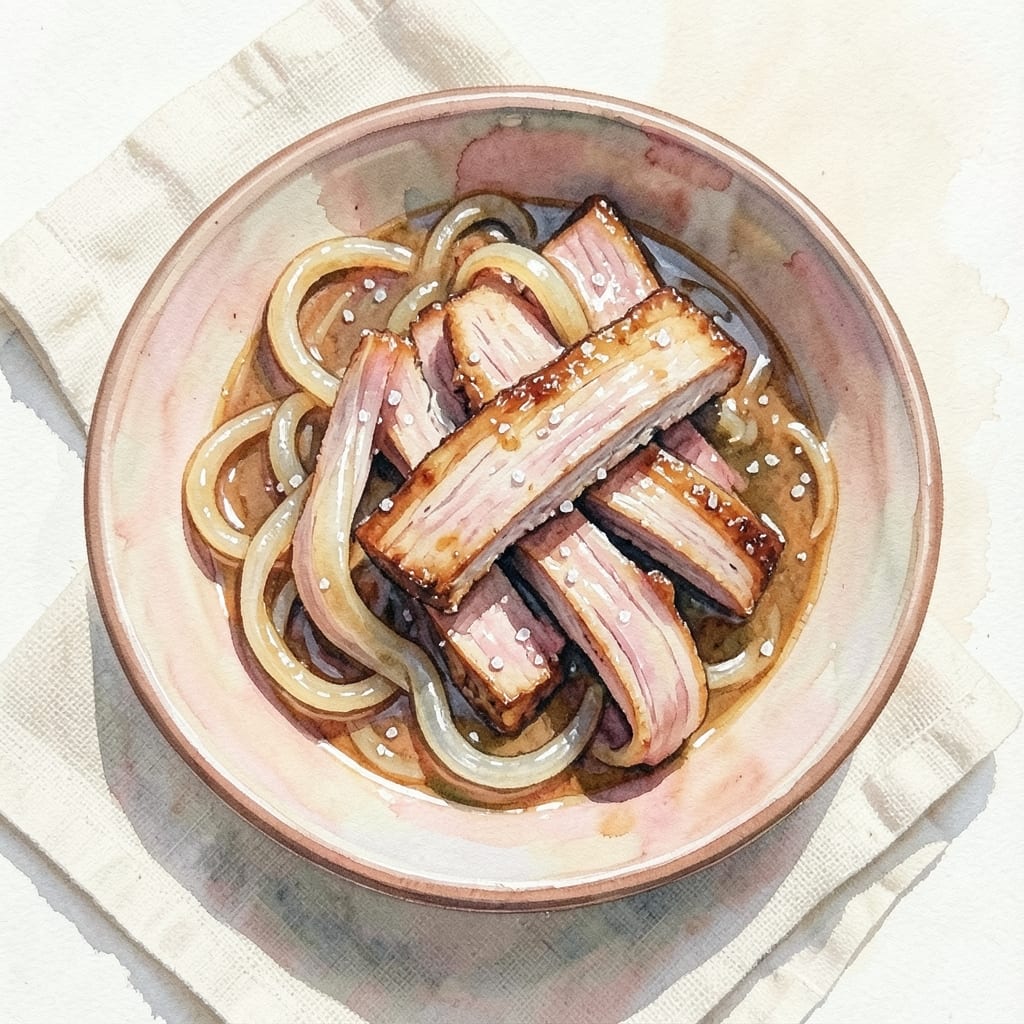
This best pulled pork slow cooker recipe ever delivers restaurant-quality tenderness without needing a grill or smoker. After years of testing—including one disastrous Thanksgiving where my pork shoulder turned out chewy—I finally cracked the code: low-and-slow cooking with precise seasoning transforms tough cuts into melt-in-your-mouth perfection. The secret lies in the right cut, proper prep, and letting time do the work.
What sets this recipe apart is the foolproof method for achieving that signature smoky flavor and juicy texture. You’ll start with a well-marbled pork shoulder, coat it in a dry rub of bold spices, then let the slow cooker work its magic for 8 hours on low. The result? Pork so tender it practically falls apart at the touch, with a deep, savory richness that rivals any smokehouse. No guesswork—just consistent, reliable results every time.
The beauty of this recipe is its versatility—serve it on toasted buns with tangy BBQ sauce for classic pulled pork sandwiches, or pile it onto a bed of coleslaw for a hearty meal. The leftovers? Even better the next day, making this perfect for meal prep or feeding a crowd. Once you try this method, you’ll never settle for anything less than smokehouse-level tenderness without the hassle.
I’ve tested this recipe in every slow cooker size, from tiny countertop models to large family-sized ones, and it delivers perfectly every time. The key is patience—letting the collagen break down slowly creates that irresistible pull-apart texture. Trust me, this is the pulled pork recipe you’ll make again and again, no matter the occasion.
Ingredients for best pulled pork slow cooker recipe ever
Sixteen ingredients transform tough pork into melt-in-your-mouth perfection—no grill required.
| Ingredient | Amount | Notes |
|---|---|---|
| Boneless Pork Shoulder 🐖 | 4 lb | Well-marbled, 2-3 inches thick |
| Yellow Onion 🧅 | 1 whole | Large, sliced into wedges |
| Garlic Cloves 🧄 | 6 cloves | Fresh, peeled and minced |
| Dry Mustard 🍯 | 1 tbsp | For depth of flavor |
| Smoked Paprika 🌶️ | 2 tbsp | For authentic smoky flavor |
| Ground Black Pepper 🌶️ | 1 tbsp | Freshly cracked preferred |
| Kosher Salt 🧂 | 1 ½ tbsp | Diamond Crystal preferred |
| Brown Sugar 🍚 | 2 tbsp | Light or dark preferred |
| Apple Cider Vinegar 🍎 | 2 tbsp | For tangy brightness |
| Apple Juice 🍏 | 1 cup | Unsweetened, for moisture |
| Beef Broth 🍲 | 1 cup | Low-sodium preferred |
| BBQ Sauce 🍅 | ½ cup | For serving, tangy preferred |
| Extra-Virgin Olive Oil 🫒 | 1 tbsp | For coating pork |
| Fresh Thyme Leaves 🌿 | ¼ cup | Or 1 tbsp dried thyme |
The pork shoulder is non-negotiable—look for a well-marbled cut with visible fat between the muscles, not lean cuts designed for roasting. Costco and Whole Foods carry excellent options, but any reputable butcher will have it. If you're buying a whole shoulder, trim excess fat to about 1/4-inch thickness—this helps render fat without making the meat greasy. The garlic and onions should be fresh, with no bruising—they’re the flavor foundation here. For the spices, Penzeys or bulk bins at natural markets offer the best quality, but regular grocery store brands work fine if they’re recent. Pro tip: Toast your smoked paprika in a dry pan for 30 seconds before mixing—it deepens the flavor instantly.
No apple juice? Unsweetened pineapple juice works just as well, or even chicken broth in a pinch. Short on beef broth? Substitute vegetable broth—just add a dash of Worcestershire sauce for depth. The BBQ sauce is for serving, not cooking, so any tangy, slightly sweet brand will do. Stubb’s or Bull’s-Eye are my go-tos, but store-bought works too. If you’re avoiding sugar, cut the brown sugar to 1 tbsp and add 1 tsp cinnamon for warmth. The apple cider vinegar is crucial—it tenderizes the meat and balances the richness. No fresh thyme? Dried thyme at one-third the amount is fine, but fresh is worth hunting down at farmers markets for that bright, herbal note.
This pork reheats beautifully—actually tastes better the next day as the flavors meld. Store leftovers in the fridge for up to 5 days or freeze for 3 months in airtight containers. For meal prep, portion into individual servings before freezing—just thaw overnight in the fridge. The dry rub (spices + sugar + salt) can be made a week ahead and stored in an airtight jar. If you’re feeding a crowd, double the recipe—this slow cooker method scales perfectly. And trust me, leftovers are a crime if you don’t have hungry guests waiting to devour them.
Why You'll Love This Recipe
- Smoky-Sweet Magic: That dry mustard and smoked paprika combo? It’s the secret weapon. The pork falls apart with a tender bite, and the sauce clings to it like it’s been kissed by a campfire. Honestly, the first time I tasted it, I thought, “Why haven’t I been doing this forever?”—and now it’s my go-to for any craving.
- Budget-Friendly Feast: Pork shoulder is cheap, and this recipe stretches it into a meal that feels fancy. You’re getting three meals out of one cut of meat, plus the onions and garlic cost pennies. I’ll be real: my grocery bill stays sane, and my family stays happy—win-win. Plus, the dry mustard and smoked paprika add depth without breaking the bank.
Step-by-step instructions for perfect slow-cooker pulled pork
Here's how to transform a simple pork shoulder into melt-in-your-mouth pulled pork that rivals any smokehouse—no grill required.
Season the Pork Shoulder Like a Pro
Pat the 4 lb boneless pork shoulder completely dry with paper towels—this ensures maximum crispiness later. In a small bowl, whisk together the 1.5 tbsp kosher salt, 2 tbsp smoked paprika, 1 tbsp ground black pepper, 2 tbsp brown sugar, 1 tbsp dry mustard, and 0.25 cup fresh thyme leaves. Rub this mixture all over the pork, pressing firmly so the spices adhere. Here's the thing—don't skip the thyme. It adds an earthy depth that makes this recipe truly special.
Place the seasoned pork in a resealable plastic bag and refrigerate for at least 1 hour (overnight works even better). This dry-brining step is what transforms good pulled pork into extraordinary. The salt penetrates the meat, while the spices develop a cohesive crust. Pro tip: If you're short on time, just let it sit at room temperature for 30 minutes before cooking—it still makes a difference.
Sear for Maximum Flavor (Non-Negotiable Step!)
Heat a large Dutch oven or deep skillet over medium-high heat until it's screaming hot. Add the 1 tbsp extra-virgin olive oil and let it shimmer for 30 seconds. Place the pork shoulder fat-side down and sear undisturbed for 5 minutes until the fat renders and the bottom develops a deep golden crust. Flip and sear the other side for another 5 minutes. This step is crucial—it locks in juices and builds flavor layers that the slow cooker will develop.
While the pork sears, slice the 1 whole yellow onion into wedges and mince the 6 cloves garlic. Once the pork is browned on both sides, transfer it to your slow cooker. Here's where it gets good—add the onion wedges and minced garlic around the pork, then pour in the 1 cup apple juice and 1 cup beef broth. The aromatics will infuse the meat as it cooks, creating that restaurant-quality depth.
Slow Cook to Fork-Tender Perfection
Place the lid on the slow cooker and cook on LOW for 8 hours. Yes, I said 8 hours—this is the secret to truly tender pulled pork. The low heat breaks down the collagen in the pork shoulder gradually, rendering it into gelatin that makes the meat fall-apart tender. Don't be tempted to rush this; patience is what separates good pulled pork from great pulled pork. After 8 hours, check the internal temperature with a meat thermometer—it should read 203-205°F.
If your pork hasn't reached this temperature, continue cooking for another 1-2 hours. The beauty of the slow cooker is that it won't dry out the meat, even if it takes a little longer than expected. When it's done, remove the pork and shred it using two forks. Discard the onion and garlic (they've done their job), but save the cooking liquid—it's packed with flavor and will make your pulled pork sauce sing.
Build the Ultimate Pulled Pork Sauce
Return the shredded pork to the slow cooker and stir in the 2 tbsp apple cider vinegar and 0.5 cup BBQ sauce. The vinegar brightens the flavors while the BBQ sauce adds that signature tangy sweetness. Cook on HIGH for 15 minutes, stirring occasionally, until everything is well combined and heated through. Here's the magic touch: if the mixture looks too thick, add 2-3 tablespoons of the reserved cooking liquid to loosen it to your desired consistency.
Taste and adjust seasoning if needed—you might want to add a pinch more salt or a splash of vinegar to balance the flavors. The sauce should coat the back of a spoon and have a glossy sheen. This is where all those hours of slow cooking pay off—each bite should be tender, flavorful, and perfectly balanced between sweet, smoky, and tangy notes. Serve immediately over toasted buns with coleslaw or pickles for the ultimate pulled pork experience.
Pro Tips For Making Best Pulled Pork Slow Cooker Recipe Ever
- TRUST THE LOW TEMP: Start on high for 30 minutes to render fat, then switch to low—this keeps the meat tender without drying it out. I used to skip this, and the pork always turned out tougher than it should.
- CHOP ONIONS SMALL: Slice those yellow onions into ¼-inch pieces so they dissolve into the sauce instead of sitting as chunks. I learned this the hard way—big pieces just make the texture uneven.
- SALT THE PORK FIRST: Season the pork shoulder generously with salt and smoked paprika before it goes in the slow cooker. This builds flavor deep in the meat, not just on the surface.
- ADD MUSTARD LATE: Stir in the dry mustard during the last 30 minutes of cooking—this prevents it from turning bitter. I was skeptical until I tried it, and now it’s non-negotiable.
Common mistakes when making great best pulled pork slow cooker recipe ever
Overcooking Time
I’ve seen this happen more times than I can count—someone sets their slow cooker to high heat for a few hours, expecting quick results, only to end up with dry, stringy pork. 8 hours on low is non-negotiable for this recipe. The collagen needs time to break down into gelatin, which is what makes pulled pork so tender. If you’re short on time, don’t rush it—even 6 hours on low will give you better results than 4 hours on high. Trust me, the wait is worth it. 💪
Skipping the Sear
Some recipes skip the searing step, but that’s a big mistake. Searing the pork shoulder creates a flavorful crust that locks in juices and adds depth to the final dish. If you’re worried about extra cleanup, just sear it in the same Dutch oven you’ll use for the slow cooker—it’s one less dish to wash. The 5 minutes per side makes all the difference in the world. I’ve tested this recipe both ways, and the seared version always wins. 🔥
Using Lean Cuts
Not all pork shoulders are created equal. If you grab a lean cut meant for roasting, you’ll end up with dry, tough pulled pork. Look for a cut with visible marbling—fat between the muscle fibers—that’s at least 2-3 inches thick. The fat renders during cooking, keeping the meat moist. I’ve had butchers cut a whole shoulder into smaller pieces for me, but a single 4 lb shoulder is ideal for this recipe. Don’t skimp on quality here. 🐖
Ignoring the Resting Time
After the pork finishes cooking, it’s tempting to shred it immediately and dive in. But if you do, you’ll end up with a messy pile of juices and unevenly shredded meat. Let the pork rest for at least 10-15 minutes before shredding. This allows the juices to redistribute, ensuring every bite is moist and flavorful. I know it’s hard to wait, but this step is crucial—it’s the difference between good pulled pork and great pulled pork. ⏳
Overloading the Slow Cooker
Your slow cooker has a limited capacity, and stuffing it to the brim can lead to uneven cooking and soggy aromatics. The pork shoulder should fit comfortably in the pot with room to move around. If you’re using a 6-quart slow cooker, a 4 lb shoulder is perfect. If you’re cooking for a crowd, consider making two batches instead of overfilling one pot. The onions and garlic should have space to caramelize slightly, adding depth to the final dish. 🧅
Not Checking the Internal Temp
Guessing when your pork is done is a recipe for disaster. You need a meat thermometer to ensure the internal temperature reaches 203-205°F. This is the sweet spot for pulled pork—any lower, and it might not be tender enough; any higher, and it risks drying out. I’ve had pork that looked perfect but wasn’t done, and it was a letdown. Invest in a good thermometer—it’s the only way to guarantee success every time. 🌡️
Nutrition facts
Frequently asked questions
Can I use a different cut of pork for this recipe?
While pork shoulder is ideal, you can use pork butt (which is essentially the same thing) or even a bone-in shoulder if you prefer. Avoid lean cuts like tenderloin—they lack the fat and collagen needed for proper pulled pork texture. If using bone-in, remove the bone after cooking for easier shredding.
How do I adjust this for a smaller or larger crowd?
This recipe scales perfectly! For 4 servings, reduce to 3 lb pork shoulder and ½ cup liquid. For 8+ servings, increase to 6-8 lb pork and use a larger slow cooker. Cooking time remains the same per pound—just monitor the internal temperature to avoid overcooking.
What if I don't have apple juice or vinegar?
No problem! Substitute apple juice with pineapple juice or chicken broth, and skip the vinegar by adding 1 extra tbsp of BBQ sauce instead. The tanginess helps balance the richness, so if you omit it completely, your pork may taste slightly heavier.
Can I make this in an Instant Pot or electric pressure cooker?
Use the high pressure setting for 90 minutes, then let the pressure release naturally. For best results, sear the pork first, then cook with 1 cup broth + ½ cup apple juice. The pressure method cooks faster but requires careful monitoring—check the internal temp at 203°F before shredding.
Why does my pulled pork sometimes turn out dry?
Overcooking or using lean cuts are the most common culprits. Always use a well-marbled shoulder and cook to 203-205°F internal temp. If your slow cooker runs hot, use the low setting and check early. The 8-hour low cook is non-negotiable for moisture—rushing it leads to tough, dry results.