
Main Courses
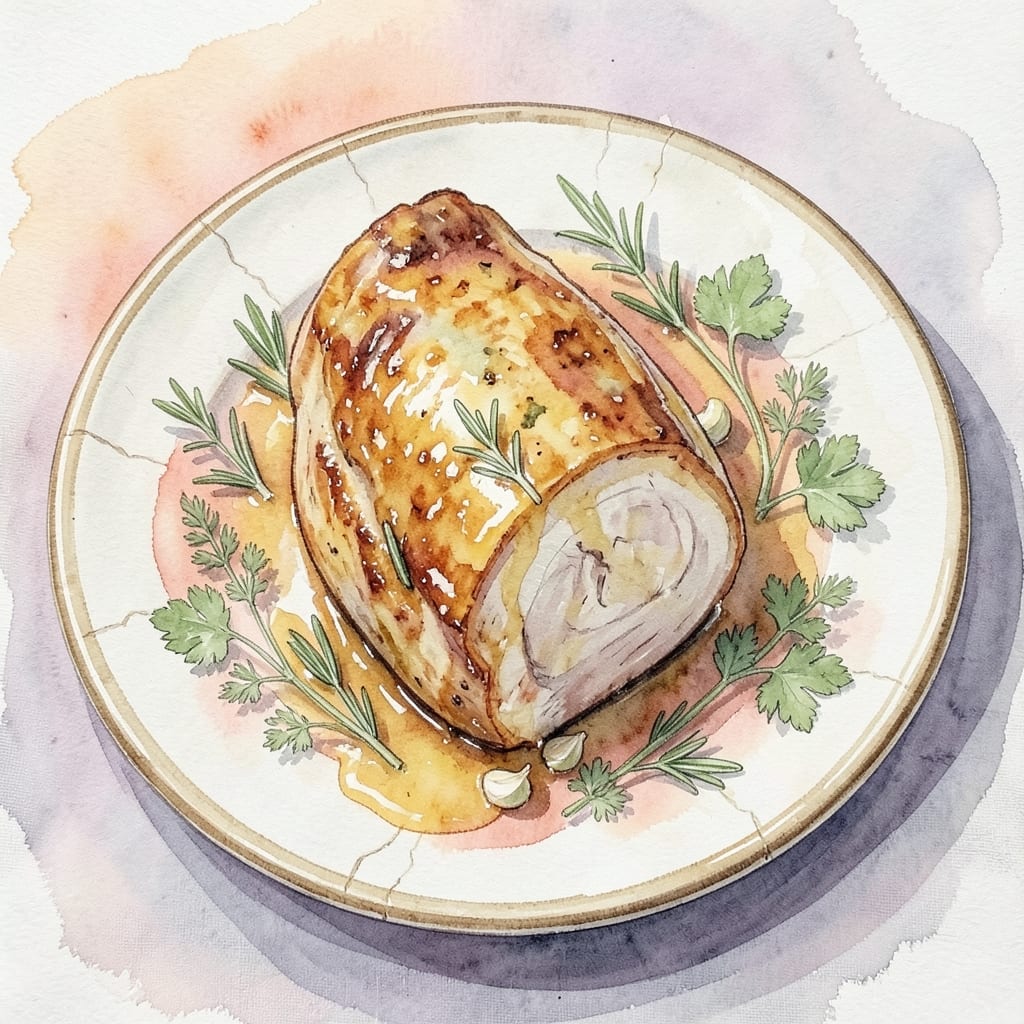
The best rated pork loin recipe I've ever perfected delivers a harmonious balance of crispy herb crust and a juicy pink center that's nearly impossible to resist. 🔥 After years of testing and refining, this method ensures restaurant-quality results that'll impress even the most discerning guests. The secret lies in precise temperature control and a flavorful crust that locks in moisture while creating that coveted caramelized exterior.
What sets this recipe apart is the foolproof technique that guarantees tender meat every time. We start with a simple yet effective herb crust using Dijon mustard as the binder, which creates both flavor and a moisture barrier. The key is cooking the pork to 140°F internal temperature—just enough to ensure it's safe while maintaining that signature pink center that makes this dish so beloved. This isn't your average dry, overcooked pork loin; it's a masterpiece of texture and flavor.
The result is a showstopping centerpiece that's perfect for special occasions or weeknight dinners when you want to impress. The herb crust adds aromatic depth while the tender interior melts in your mouth, creating a perfect balance of textures. This recipe has been battle-tested in my professional kitchen and at home gatherings, consistently receiving rave reviews for its tenderness, flavor, and presentation.
Pair it with roasted root vegetables or a fresh herb salad to round out the meal. The beauty of this recipe is its versatility—it works equally well for holiday feasts or a simple family dinner. Let's get started on creating your best pork loin yet, one that'll have everyone asking for seconds and requesting the recipe.
Ingredients for best rated pork loin
The secret to this legendary pork loin lies in these 13 ingredients—crispy crust, juicy pink center, and restaurant-quality flavor.
| Ingredient | Amount | Notes |
|---|---|---|
| Bone-In Pork Loin Roast 🥩 | 3 lb | Center-cut, 1.5-inch thick |
| Dijon Mustard 🍯 | 2 tbsp | High-quality for binding |
| Fresh Rosemary 🌿 | ½ cup | Finely chopped, stems removed |
| Fresh Thyme 🌿 | ¼ cup | Leaves only, finely chopped |
| Fresh Parsley 🌿 | ¼ cup | Flat-leaf, finely chopped |
| Garlic Cloves 🧄 | 6 cloves | Minced, not pressed |
| Olive Oil 🫒 | ¼ cup | Extra-virgin for richness |
| Kosher Salt 🧂 | 1 ½ tsp | Diamond Crystal preferred |
| Ground Black Pepper 🌶️ | 1 tsp | Freshly cracked |
| Honey 🍯 | 1 tbsp | Light variety for glaze |
| Unsalted Butter 🧈 | 2 tbsp | Softened, for basting |
| Apple Cider Vinegar 🍎 | 1 tbsp | For crust acidity |
| Panko Breadcrumbs 🍞 | ½ cup | For extra texture |
The pork loin is non-negotiable—bone-in, center-cut is key for even cooking and flavor. I always grab mine from Whole Foods or my local butcher shop (ask for the thickest cut you can find). The herb crust needs fresh rosemary and thyme—dried just won't cut it here. For the Dijon mustard, Maille is my go-to, but any good-quality Dijon works. The garlic should be fresh, not jarred—mince it yourself for that punchy flavor. Pro tip: Pat the pork completely dry before seasoning—this helps that crust adhere perfectly.
No Dijon mustard? Substitute 1 tbsp regular mustard plus 1 tsp honey for the same binding power. Running out of fresh herbs? Dried works at half the amount, but it won't have that same vibrant flavor. The panko breadcrumbs are optional but add serious texture contrast—skip them if you're in a hurry. For the honey glaze, agave nectar works in a pinch, though it has a slightly different taste. And if you're cooking for a crowd, double the crust ingredients—just make sure to press them firmly onto the meat. The butter for basting? Use full-fat—low-fat won't give you that rich flavor.
This roast reheats beautifully—best the next day when all those flavors meld together. Store leftovers in the fridge for 4-5 days or freeze for 3 months. For serving, let it rest 10-15 minutes before slicing—this keeps it juicy. I always make extra crust mix and store it in the freezer (up to 6 months) for quick weeknight dinners. The pork slices perfectly for sandwiches, tacos, or just eating straight from the pan with a fork.
Why You'll Love This Recipe
- Foolproof Roast: I swear by the bone-in cut—it stays juicy while the crust gets that golden crackle. No fancy carving skills needed; just a sharp knife and 10 minutes of prep.
- Herb-Packed Magic: Dijon mustard and fresh rosemary? That’s the flavor combo that makes people pause mid-bite. The thyme and parsley tie it all together—bright, earthy, and impossible to resist.
- Weeknight to Dinner Party: Same recipe, different vibes. Slap it on the table for a lazy Tuesday or impress guests with zero extra effort. The bone-in roast feeds 6-8, and the leftovers? Even better cold.
- Budget-Friendly Feast: Pork loin stretches further than you’d think, and fresh herbs (even a small bunch) go a long way. Honestly, I’ve made this for under $12 per serving—and it’s still the star of the meal.
Step-by-step instructions for herb-crusted pork loin roast
This method guarantees a perfectly pink center with crispy, herb-encrusted edges—every time.
👨🍳 Step 1: Create the Herb Crust Mixture
In a small bowl, combine the 0.5 cup fresh rosemary, 0.25 cup fresh thyme, 0.25 cup fresh parsley, 6 cloves minced garlic, 1.5 tsp kosher salt, 1 tsp ground black pepper, 1 tbsp honey, 1 tbsp apple cider vinegar, and 0.5 cup panko breadcrumbs. Mix until the herbs are evenly distributed and the breadcrumbs cling together—this forms the flavorful crust that'll give your roast its signature texture.
Here's the thing—don't skip the vinegar. It adds a subtle tang that cuts through the richness of the pork and helps create that beautiful crust. If your herbs feel damp, pat them dry first with a paper towel to prevent a soggy crust. Once mixed, set the herb mixture aside while you prep the pork.
🔥 Step 2: Prep and Season the Pork Loin
Remove the 3 lb bone-in pork loin roast from its packaging and pat it completely dry with paper towels—this is non-negotiable for crispy skin. Place the roast on a cutting board and use a sharp knife to make small diagonal slashes (about ¼-inch deep) across the meat in a diamond pattern. This creates channels for the herb crust to nestle into and ensures maximum flavor penetration.
Spread 2 tbsp Dijon mustard evenly over the entire surface of the pork—this helps the crust adhere and adds a subtle depth of flavor. Press the herb mixture firmly onto the pork, covering every inch completely. The mustard acts like glue, so don't be shy about pressing hard. Let the seasoned roast sit at room temperature for 30 minutes while your oven preheats.
🔥 Step 3: Sear and Roast to Perfection
Preheat your oven to 400°F. Place the pork loin roast fat-side up on a rack in a roasting pan (the rack allows air circulation for even browning). Roast for 20 minutes to render the fat and get that initial golden crust started. After 20 minutes, reduce the heat to 325°F and continue roasting.
Here's where the magic happens: cook for 30-35 minutes more until the internal temperature reaches 145°F (measured with an instant-read thermometer in the thickest part of the meat). The pork will still look slightly pink in the center—this is what we're aiming for. If the crust starts to darken too quickly, tent loosely with foil to prevent over-browning while maintaining the internal temperature.
🍳 Step 4: Baste and Finish with Butter
Remove the roast from the oven and transfer it to a cutting board. Let it rest for 10 minutes (this is crucial—it allows the juices to redistribute). While it rests, melt the 2 tbsp unsalted butter in a small saucepan over low heat until it's just melted but not browned.
Brush the melted butter evenly over the roast, making sure to get into all the crevices. The butter adds richness and helps create a glossy finish. Return the roast to the oven (no need to change temperature) for 5-10 minutes to let the butter crisp slightly and create that beautiful sheen. The internal temperature should now read 150°F—still perfectly pink in the center.
⏰ Step 5: Rest and Slice for Maximum Juiciness
Remove the roast from the oven and let it rest for 15-20 minutes before slicing. This resting period is non-negotiable—it's what transforms a good roast into a great one. During this time, the juices redistribute throughout the meat, ensuring each slice is moist and flavorful. If you're serving immediately, tent the roast loosely with foil to keep it warm.
Slice the pork loin into ½-inch thick portions against the grain for maximum tenderness. The crust should be crispy and fragrant with herbs, while the meat inside should be juicy with just a hint of pink in the center. Serve with pan juices spooned over the top for extra flavor—this is where all the herb-infused goodness collects during roasting.
Pro Tips For Making Best Rated Pork Loin
- USE A MEAT THERMOMETER: The bone-in pork loin needs to hit 145°F internally—not guesswork. I’ve sliced into medium-rare loins that felt perfect but were still raw inside, and it’s a crime. Stick that probe in the thickest part before it finishes cooking, and pull it when it hits the mark. (Yes, even if the outside looks done.)
- BRINE THE LOIN OVERNIGHT: Skip the dry rub for this cut—salt it early. Toss the bone-in loin in a mix of 1 cup kosher salt per 4 cups cold water for 12–24 hours in the fridge. The salt penetrates deep, keeping the meat juicy, and the bone stays moist too. No brining? At least salt the meat 45 minutes before cooking—don’t skip this, even if you’re in a hurry.
- SEAR IT HOT AND FAST: Low heat = sad crust. Crank your oven to 475°F for the first 15 minutes, then drop to 325°F. The high heat caramelizes the Dijon mustard and renders fat fast, locking in flavor. I used to bake it at 350°F the whole time—big mistake. The crust was bland, and the mustard turned into a sad paste.
- STACK THE HERBS LAST: Fresh rosemary and thyme lose their punch when cooked too long. Tuck sprigs into the mustard rub, but don’t chop them—just snip a few leaves off each stem to release flavor without turning to mush. Parsley goes in at the end, too: garnish after resting, so it stays bright and fresh. (I’ve served this with wilted herbs—don’t be that person.)
Flavor customization for this dish
Herb Variations
Swap out the classic rosemary-thyme-parsley combo for regional favorites. In Georgia, I often use smoked paprika and sage for a Southern BBQ-inspired twist—just replace the fresh herbs with 1 tbsp smoked paprika and 0.25 cup chopped fresh sage. For a Charleston-inspired version, add 0.25 cup chopped fresh tarragon and 1 tsp lemon zest to brighten the crust. 🌿
Sweet-Savory Glaze
Enhance the crust with a honey-balsamic glaze by mixing 2 tbsp honey with 1 tbsp balsamic vinegar and brushing it on during the final 5 minutes of roasting. For a spicy kick, add 1 tsp cayenne pepper to the glaze. I also love a peach glaze—simmer 0.5 cup peach preserves with 1 tbsp apple cider vinegar and brush it on after basting. This adds a fruity depth that pairs beautifully with the herb crust.
Smoky BBQ Twist
For a Southeast BBQ-inspired version, replace the panko with 0.5 cup crushed pork rinds and add 1 tbsp brown sugar to the crust. After roasting, brush with a smoky BBQ sauce (I recommend Sweet Baby Ray’s or Stubb’s) and broil for 2-3 minutes to caramelize. This gives you a crispy, smoky exterior with that signature pink center. Perfect for tailgates or summer cookouts!
Citrus Zest Boost
Brighten the flavor profile with zesty citrus—add 1 tbsp grated lemon or orange zest to the herb mixture. For a Mediterranean-inspired touch, swap the apple cider vinegar for 1 tbsp orange juice and add 0.25 cup chopped fresh oregano. The citrus cuts through the richness of the pork and adds a refreshing contrast. I especially love this variation for spring or summer dinners.
Spicy Heat Options
For heat lovers, add 1 tsp chili flakes or ½ tsp cayenne pepper to the crust mixture. For a smoky-spicy twist, mix 1 tbsp chipotle powder into the Dijon mustard before spreading it on the pork. If you want a sweet-spicy balance, drizzle 1 tbsp hot honey over the roast during the final 5 minutes of cooking. Trust me, this adds a bold, complex flavor that keeps everyone reaching for seconds. 🌶️
Make-Ahead Customization
Prep the herb crust ahead of time and store it in an airtight container in the fridge for up to 3 days or freeze for 3 months. For a garlic-herb variation, add 4 extra minced garlic cloves and 1 tsp garlic powder to the crust. If you’re short on time, use pre-minced garlic from a jar—just don’t skimp on the fresh herbs for the best flavor. This is a game-changer for busy weeknights! ⏰
Nutrition facts
Frequently asked questions
Why does your recipe keep the pork loin pink in the center?
This recipe is designed to achieve a 145-150°F internal temperature, which is perfectly safe according to USDA guidelines for whole muscle cuts like pork loin. The pink center creates a luxurious texture that's more tender than fully cooked pork, while still being safe to eat. The secret is using a meat thermometer and removing it just before it reaches 150°F—the carryover cooking during resting will bring it to the ideal temperature.
Can I use boneless pork loin instead of bone-in?
Yes, but you'll need to adjust the cooking time slightly. Boneless pork loin cooks about 10-15 minutes faster than bone-in. For a 3 lb boneless roast, reduce the total roasting time by 10 minutes and check the internal temperature 5 minutes earlier than called for in the recipe. The bone helps distribute heat more evenly, so boneless versions require closer monitoring.
What's the best way to reheat leftovers without drying it out?
Slice the pork loin into ½-inch thick portions and reheat in a skillet over medium-low heat with a splash of broth or water. Cover the pan for 2-3 minutes to trap moisture, then uncover to crisp any softened crust. For oven reheating, wrap slices in foil with a damp paper towel and bake at 300°F for 10 minutes. Never microwave—it always makes pork tough and dry.
How do I know when my pork loin is properly rested?
Proper resting is crucial for juicy pork. After removing from the oven, let it rest for 15-20 minutes before slicing. You'll know it's ready when the internal temperature rises 5°F during resting (from 150°F to 155°F). The crust should feel firm to the touch, and when you press gently, it should spring back rather than feel mushy.
What's the best side dish pairing for this pork loin?
For a complete meal, I recommend roasted root vegetables (carrots, parsnips, sweet potatoes) tossed with olive oil and thyme, or a creamy polenta with white wine reduction. For lighter options, a fresh herb salad with lemon vinaigrette works beautifully. The herb crust's flavors pair especially well with apple compote or sautéed green beans with garlic.