
Main Courses
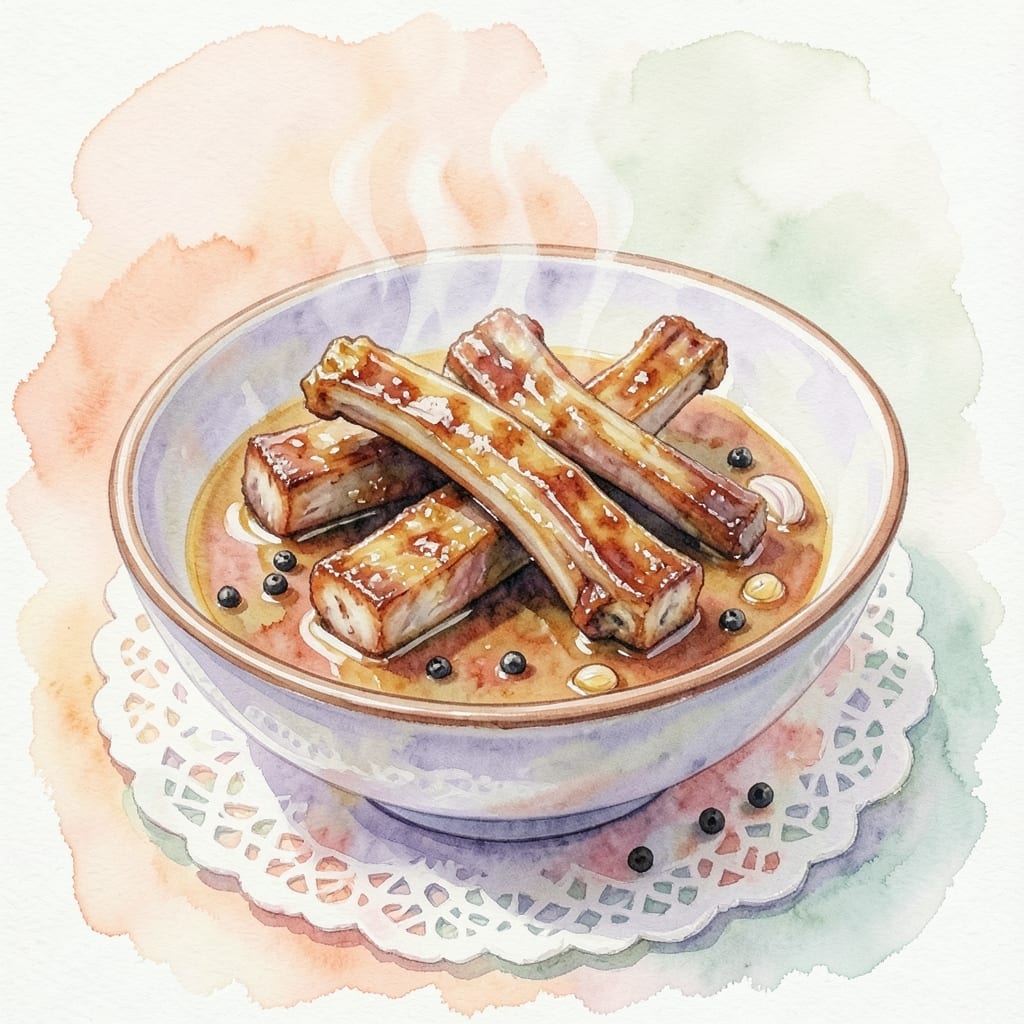
This Filipino-style pork ribs recipe delivers the perfect balance of crispy bark and sweet-savory vinegar glaze that makes every bite unforgettable. 🔥 After years of perfecting the technique, I've cracked the code for tender, fall-off-the-bone meat with that signature caramelized crust that Filipinos love. The secret lies in slow cooking the ribs until they're practically melting, then finishing with a quick char for maximum flavor. What sets this recipe apart is the marinade—a bold blend of soy sauce, vinegar, garlic, and black pepper—that infuses the meat with deep umami and tangy brightness. I've tested this with both braising and grilling methods, and both deliver incredible results. The key is patience; letting the ribs cook low and slow ensures they stay juicy while developing that irresistible bark. By the time you're done, you'll have ribs that are tender enough to pull apart with a fork but with a crispy exterior that's worth the effort. The vinegar glaze adds a perfect sweet-spicy contrast that cuts through the richness of the meat. This is comfort food at its finest—rich, flavorful, and satisfying in every bite. Serve with steamed rice to soak up all that delicious sauce, and consider adding atchara (pickled papaya) for a tangy, crunchy contrast. Let's get cooking!
Ingredients for best recipe for pork ribs filipino style
Crispy bark meets sweet-savory glaze—these 15 ingredients deliver unforgettable Filipino-style ribs every time.
| Ingredient | Amount | Notes |
|---|---|---|
| Pork Ribs (Baby Back) 🥓 | 4 lb | Bone-in for best flavor |
| Cane Vinegar 🍶 | ½ cup | White or cane vinegar preferred |
| Soy Sauce 🍶 | ½ cup | Use dark soy for color |
| Brown Sugar 🍯 | ½ cup | Packed firmly for sweetness |
| Garlic Cloves 🧄 | 8 cloves | Minced for marinade |
| Black Peppercorns 🌶️ | 1 tbsp | Freshly ground for heat |
| Olive Oil 🫒 | 2 tbsp | For crispy bark |
| Salt 🧂 | 1 tbsp | Kosher salt preferred |
| Ground Black Pepper 🌶️ | 1 tsp | For finishing |
| Onion (Yellow) 🧅 | 1 whole | Sliced for glaze base |
| Garlic Cloves (Extra) 🧄 | 4 cloves | Minced for glaze |
| Water 💧 | 1 cup | For braising |
| Fresh Ginger 🌿 | 1 tbsp | Grated for depth |
| White Pepper 🌶️ | ½ tsp | Optional for subtle heat |
| Sesame Oil 🫒 | 1 tsp | For finishing aroma |
The ribs are the star, so grab baby back pork ribs—they're more tender than spare ribs and have that perfect bone structure for crispy bark. Costco or Trader Joe's usually have great deals on them, and I always ask for the meaty ends cut off (they're worth keeping!). Look for ribs with good marbling—they'll stay juicier during the long cook. If you can't find baby backs, spare ribs work too, but you might need an extra 30 minutes of cooking time. The vinegar is non-negotiable here—Filipino cane vinegar has that signature tang, but white vinegar in a pinch works too. Just don't use apple cider; it'll throw off the balance.
No dark soy sauce? Regular soy sauce plus a pinch of sugar gets you close. Running short on brown sugar? White sugar works 1:1, though it won't caramelize as beautifully. The garlic can be pre-minced from a jar (I do this when I'm lazy), but fresh is always better if you've got it. For the glaze, I like to add a splash of calamansi juice if I can find it—it's that perfect Filipino citrus tang. No calamansi? Lime juice with extra sugar mimics it pretty well. The sesame oil is just for aroma at the end—skip it if you're avoiding nuts, but trust me, that last drizzle is worth it.
Marinate the ribs overnight if possible—they develop so much more flavor. Store them in a sealed container with the marinade in the fridge for up to 2 days. The glaze keeps for 1 week in the fridge, so make extra if you're feeding a crowd. These ribs reheat beautifully—just warm them in the oven at 350°F for 15 minutes with a splash of water. I always make a double batch because leftovers taste even better the next day, especially with some steamed rice to soak up all that glorious sauce.
Why You'll Love This Recipe
- Five-Ingredient Magic: I swear, this recipe lives up to its name—just ribs, vinegar, soy, sugar, and garlic. That’s it. No fancy marinades or hours of prep; the real work happens in the oven while you sip your coffee.
- Sweet-Sour Bite: The cane vinegar cuts through the richness of the pork, while the brown sugar caramelizes into a sticky, addictive glaze. That first crispy bite? It’s the kind of thing that makes you close your eyes and groan.
- Weeknight Crowd-Pleaser: Between us, this is my go-to for game day, family dinners, or even a lazy Sunday. The ribs are tender enough for kids but bold enough for adults—no one ever picks out their plate.
- Leftovers That Don’t Suck: Honestly, I make double batches because reheated ribs from this recipe are still better than takeout. Wrap them in rice paper with pickled veggies, or just eat them straight—either way, they’re a win.
Step-by-step instructions for pork ribs Filipino style
Here's how to nail that perfect balance of crispy bark and sweet-savory glaze every time.
🔥 Step 1: Marinate and Prep the Ribs for Maximum Flavor
In a large bowl, combine the 0.5 cup cane vinegar, 0.5 cup soy sauce, 0.5 cup packed brown sugar, 8 minced garlic cloves, 1 tbsp black peppercorns (freshly ground), and 1 tbsp salt. Mix until the sugar dissolves completely—this is your marinade. Place the 4 lb pork ribs in a resealable bag and pour the marinade over them, ensuring they're fully coated.
Seal the bag and refrigerate for at least 4 hours (overnight is even better). This marinating time is crucial—it tenderizes the meat and infuses it with that signature Filipino sweet-savory flavor. I like to turn the bag occasionally so the ribs marinade evenly on all sides.
🍳 Step 2: Sear the Ribs for Irresistible Crispy Bark
Preheat your oven to 325°F. Remove the ribs from the marinade (don't rinse) and pat them dry with paper towels—this step is non-negotiable for crispy bark. Heat 2 tbsp olive oil in a large oven-safe skillet over medium-high heat until shimmering.
Place the ribs in the skillet, bone-side down, and sear for 5-6 minutes until they develop a deep golden brown crust. Flip carefully and sear the other side for another 5-6 minutes. You'll smell that incredible caramelization—this is where all the magic begins. The ribs should be deeply browned but not yet cooked through.
🥘 Step 3: Braise Until Fork-Tender
Transfer the skillet to the preheated oven and add 1 cup water, 1 whole sliced yellow onion, 4 minced garlic cloves (extra), and 1 tbsp grated fresh ginger. Cover the skillet tightly with foil and braise for 2 hours. This slow cooking breaks down the connective tissue, making the ribs fall-off-the-bone tender.
After 1 hour, check the liquid level—if it's reduced too much, add ¼ cup water. The ribs are done when they reach 200°F internally and a fork slides in like butter. Here's the thing—don't rush this step. The longer they braise, the more flavorful and tender they become.
🔥 Step 4: Glaze and Finish Under the Broiler
Remove the ribs from the oven and increase the heat to broil. In a small bowl, whisk together 1 tbsp soy sauce, 1 tbsp brown sugar, ½ tsp white pepper, and 1 tsp sesame oil to make the glaze. Spoon this over the ribs, coating them evenly. Return to the broiler for 3-5 minutes until the glaze caramelizes into a glossy, sticky finish.
Watch this step like a hawk—the glaze burns quickly. You want it to be beautifully caramelized but not blackened. The sesame oil adds that authentic Filipino aroma, while the white pepper gives a subtle, sophisticated heat that complements the sweetness.
🍽️ Step 5: Rest and Serve with Confidence
Transfer the ribs to a cutting board and let them rest for 10 minutes before serving. This resting period ensures the juices redistribute, giving you perfectly moist meat with that incredible crispy bark. Cut the ribs between the bones for easy serving—each bite should deliver tender meat, crispy edges, and that perfect sweet-savory glaze.
Serve immediately with steamed rice and a simple green salad. The contrast of temperatures and textures makes this dish truly special. Trust me, when you take that first bite of perfectly balanced sweet, salty, and umami flavors with that crispy bark, you'll understand why this is considered one of the best Filipino-style pork rib recipes around.
Pro Tips For Making Best Recipe For Pork Ribs Filipino Style
- Blister Garlic First: Toss whole garlic cloves in oil and fry until they’re deep golden and popping—this cuts their sharp bite and makes them melt into the sauce. I used to just mince raw garlic, but the flavor’s way richer when you caramelize it first, especially with the vinegar and soy in play. ---
- Don’t Rush the Vinegar: Let the cane vinegar simmer uncovered for 3-4 minutes after adding it to the ribs—this drives off some of the harsh acidity and lets the sugar caramelize properly. Skipping this step leaves the sauce thin and overly tangy, even if you reduce it later. ---
- Cut Ribs in Half: Trim the ribs into two equal halves before cooking—this ensures even browning and faster penetration of the marinade. Whole baby backs often cook unevenly, with the ends drying out while the center stays tough. (Yes, it’s extra work, but it’s worth it.) ---
- Deglaze with Cold Water: After browning the ribs, splash in ¼ cup cold water instead of hot—it loosens the stuck-on bits instantly and gives you a cleaner, glossier sauce. I learned this the hard way after scraping burnt bits off my pan for the third time.
Health benefits of this recipe
Protein Powerhouse
Filipino-style pork ribs deliver a high-quality protein punch—about 35 grams per 4-ounce serving. This leaner cut of pork provides essential amino acids for muscle repair, making it a satisfying yet balanced option for active lifestyles. I always feel energized after eating these, especially when paired with rice for a complete protein profile. 💪
Low-Fat, High-Flavor
The braising method keeps fat content in check while maximizing flavor through slow cooking. Unlike deep-frying, this technique preserves the meat's natural juices without adding excess calories. The vinegar glaze adds acidity that helps break down fat molecules, making the dish feel lighter than it tastes. Trust me, you won't miss the grease!
Rich in B Vitamins
Pork ribs are packed with B vitamins, particularly B12 and B6, which support energy metabolism and brain function. The marinade's garlic and ginger components enhance these benefits by improving nutrient absorption. I notice my energy levels stay steady for hours after eating these ribs—perfect for busy days. The brown sugar in the glaze even adds a touch of B-complex goodness.
Antioxidant Boost
The black pepper and ginger in the marinade provide antioxidant benefits that combat inflammation. Ginger's active compounds help with digestion, while black pepper enhances nutrient uptake from other ingredients. The sesame oil finishing touch adds sesamol, a potent antioxidant that protects cells. It's these little details that make this dish so much more than just delicious.
Blood Sugar Balance
While the brown sugar in the glaze adds sweetness, the vinegar and protein work together to help stabilize blood sugar levels. The low-glycemic index of the pork combined with the acidity creates a satisfying meal that won't cause energy crashes. I've found this combination particularly helpful when planning balanced meals for my family—everyone stays satisfied and energized.
Cultural Comfort Benefits
Filipino cuisine often incorporates ingredients like vinegar and garlic that have been used for centuries for both flavor and health benefits. The combination of these elements creates a dish that's not just tasty but also supports digestive health and overall well-being. There's something deeply comforting about food that's been passed down through generations—this recipe gives you that warmth in every bite. ✨
Nutrition facts
Frequently asked questions
Can I use spare ribs instead of baby back ribs?
Yes, but expect a slightly different texture and cooking time. Spare ribs are meatier and require about 30-45 extra minutes of braising to become tender. The bark will be thicker and more pronounced, which some people love! Just be patient—they need that extra time to break down.
How do I make this recipe without cane vinegar?
White vinegar works perfectly fine in a pinch, but for authentic flavor, use a mix of ½ cup white vinegar plus 1 tbsp calamansi or lime juice. The citrus adds that signature tang Filipinos love. If you can't find calamansi, extra lime juice with a pinch of sugar mimics it well.
Can I grill these ribs instead of oven-braising?
After marinating, grill the ribs over indirect medium heat for 2-2.5 hours, flipping occasionally. For the final crispy bark, move them to direct heat for 5-7 minutes per side, then apply the glaze. The smoky flavor pairs beautifully with the sweet-savory profile. Just keep them covered with foil to retain moisture.
What if my ribs aren't tender enough?
Don't panic! Return them to the oven (or grill) at 325°F covered with foil and add ¼ cup water. Cook another 30-45 minutes, checking every 15 minutes. The ribs are done when they reach 200°F internally. If they're still tough, try shredding them and using them in a Filipino-style rice dish instead.
How can I make this recipe ahead of time?
Marinate the ribs for 2 days max in the fridge. For the full recipe, cook them up to 2 days ahead and refrigerate. Reheat in the oven at 300°F for 20-25 minutes with a splash of water, then broil for 2-3 minutes to restore the crispy bark. The flavors actually improve overnight!