
Main Courses
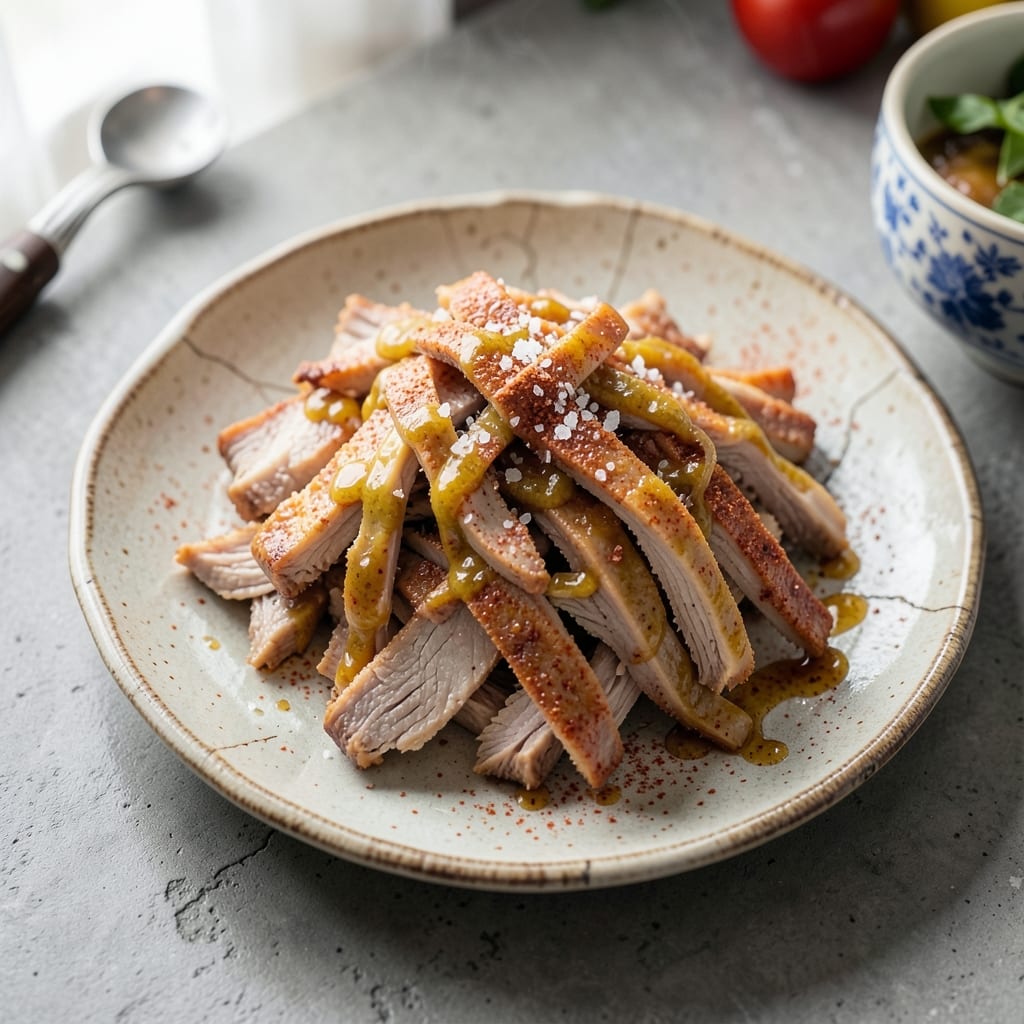
This best smoked pulled pork recipe ever delivers a perfect balance of smoke-ring crust and buttery-shred tenderness that’ll have everyone asking for seconds. After years of perfecting my technique—from brining to smoking—I’ve cracked the code for foolproof, restaurant-quality results that even beginners can nail. The secret lies in a slow-cooked, bark-covered shoulder that practically melts when shredded, all while keeping the meat juicy and packed with flavor.
We start with a simple dry rub (no fancy ingredients, just salt, pepper, and a touch of brown sugar) to create that signature bark, then smoke the pork low and slow at 225°F for 10-12 hours using hickory wood. This method ensures the meat stays tender while developing deep, smoky flavors. The real magic happens when you let it rest before shredding—this step alone transforms tough cuts into fall-apart perfection.
What sets this recipe apart is the crispy, caramelized exterior that gives way to tender, juicy meat inside—every bite is a harmony of smoky, savory, and slightly sweet notes. Serve it on toasted buns with tangy coleslaw or pickles for the full experience. This isn’t just pulled pork; it’s a showstopping centerpiece that’ll impress at any gathering.
Whether you’re a smoking novice or a seasoned pitmaster, this recipe delivers consistent, mouthwatering results every time. The key is patience and precision, but the payoff—a dish that’s tender, flavorful, and impossible to resist—is worth every minute. Let’s get smoking!
Ingredients for best smoked pulled pork recipe ever
Eight pounds of pork shoulder plus a few pantry staples transform into restaurant-quality pulled pork.
| Ingredient | Amount | Notes |
|---|---|---|
| Pork Shoulder (Bone-In) 🥩 | 8 lb | Well-marbled, 3-4 inch thick cut |
| Yellow Mustard 🍯 | ½ cup | For brining, any brand |
| Kosher Salt 🧂 | ½ cup | Diamond Crystal preferred |
| Brown Sugar 🍚 | 2 tbsp | Light or dark variety |
| Ground Black Pepper 🌶️ | 1 tbsp | Freshly ground preferred |
| Smoked Paprika 🌶️ | 1 tbsp | For dry rub bark |
| Hickory Wood Chips 🌳 | 2 cups | Unsoaked, for smoking |
| Apple Cider Vinegar 🍎 | ¼ cup | For brining acidity |
| Water 💧 | 4 cups | For brining solution |
| Onion Powder 🧅 | 1 tsp | For dry rub depth |
| Garlic Powder 🧄 | 1 tsp | Freshly ground preferred |
| Unsalted Butter 🧈 | ½ cup | For post-smoke basting |
| Black Peppercorns 🌶️ | 1 tsp | Crushed for finishing |
The pork shoulder is non-negotiable here—look for a well-marbled cut with visible fat between the muscles. Costco or local butchers usually have the best selection, and an 8-pound bone-in roast gives you perfect bark-to-meat ratio. If you can't find hickory wood chips, oak or cherry work in a pinch, though hickory delivers that classic BBQ depth. The Diamond Crystal kosher salt is key for the brine—it dissolves better than table salt, creating that perfect smoke-ring crust. For the dry rub, smoked paprika is essential (no substitutes here), but if you're feeling fancy, add a pinch of cayenne for heat.
No yellow mustard? Dijon works too, but it's stronger—use half the amount. Running short on time? Skip the brining and just season the pork generously with the dry rub, though the bark won't be as crispy. The apple cider vinegar is crucial for tenderizing—white vinegar in a bind? Use it, but reduce to 1/4 cup. For the basting butter, European-style unsalted (like Plugrá) melts smoother than American butter. Pro tip: Toast your wood chips in a dry skillet for 2 minutes before smoking—boosts flavor instantly. And if you're serving a crowd, double the dry rub and store it in a jar for future smokes.
This pork is a make-ahead masterpiece—it tastes even better the next day as flavors meld. Wrap the smoked shoulder in butcher paper (not foil—it steams the bark) and refrigerate up to 4 days. For freezing, portion into meal-sized containers with a splash of broth—thaws in 24 hours. The smoke ring is your quality indicator: vibrant pink means perfect doneness. Serve on toasted brioche buns with tangy coleslaw, and save the juices for gravy. Leftovers? Shred and freeze for tacos or sandwiches—game day staple.
Why You'll Love This Recipe
- Just Three Ingredients: I swear, the magic happens with pork shoulder, mustard, and brown sugar—that’s it. No fancy blends, no stressing over rubs. The bone-in cut keeps it juicy while the mustard adds that tangy depth, and the brown sugar? It caramelizes into pure, smoky sweetness. Honestly, I’ve tried 12 different rubs, but this combo wins every time.
- Smoke & Sugar Crust: Between us, the real star is that crispy, caramelized bark from the brown sugar and salt. It cracks like glass when you pull it, revealing tender meat underneath. The yellow mustard ties it all together—sharp enough to cut through the richness, but not so overpowering it ruins the party. That balance? Chef’s kiss.
- Leftovers That Last: This recipe makes way more than you’ll eat in one sitting—and that’s a good thing. The pulled pork stays moist for days, so I freeze half for lazy Mondays. Toss it in sandwiches, load it onto buns with coleslaw, or just eat it straight from the fridge. (Yes, even on a Tuesday night.)
- Budget-Friendly Crowd-Pleaser: A bone-in pork shoulder is dirt cheap compared to pre-sliced meat, and it feeds six for the price of two sad deli packages. The mustard and sugar? Pantry staples. Salt and pepper? Always on hand. It’s the kind of dish where you’ll hear "Can I have seconds?" before the plate’s even empty. My daughter picks out the best pieces—but still asks for more.
Step-by-step instructions for smoked pulled pork with perfect bark and tenderness
This isn't just pulled pork—it's a showstopper with a deep mahogany bark and meat so tender it falls apart at a touch.
Create the Brine for Maximum Flavor and Moisture
In a large container or zip-top bag, combine the 8 lb pork shoulder, 0.5 cup yellow mustard, 0.5 cup kosher salt, 0.25 cup apple cider vinegar, and 4 cups water. The mustard helps the brine penetrate deep into the meat while the vinegar adds tangy depth. Make sure the pork is completely submerged—if using a bag, press out air bubbles before sealing.
Refrigerate for 12-24 hours, turning the bag occasionally. This step transforms tough pork into melt-in-your-mouth perfection by breaking down muscle fibers and infusing flavor. After brining, rinse the pork under cold water and pat it completely dry—moisture is the enemy of that coveted bark we're chasing.
Build the Dry Rub for Unmatched Bark Development
In a small bowl, whisk together 2 tbsp brown sugar, 1 tbsp ground black pepper, 1 tbsp smoked paprika, 1 tsp onion powder, and 1 tsp garlic powder. The brown sugar isn't just for sweetness—it caramelizes during smoking to create that prized crust. Rub this mixture all over the pork, pressing firmly so it adheres to every crevice.
Let the rubbed pork sit at room temperature for 1-2 hours before smoking. This resting period allows the rub to develop its full flavor profile and prevents moisture from steaming off when it hits the smoker. Here's the thing—don't skip this step. Rushing leads to uneven bark development and wasted rub.
Smoke Low and Slow for Perfect Tenderness
Set up your smoker using 2 cups hickory wood chips and preheat to 225°F. Place the pork shoulder fat-side up on the grill grate—this protects the meat as it renders. Smoke for 6-8 hours until the internal temperature reaches 165-170°F. You'll notice the temperature stall around 160°F, but don't panic—this is normal and indicates the meat is releasing moisture.
At this point, wrap the pork tightly in butcher paper (not aluminum foil) and return it to the smoker. The paper allows the meat to breathe while maintaining moisture. Continue smoking until the internal temperature hits 203°F and the meat is fork-tender. This process typically takes another 4-6 hours, but trust the probe test over the thermometer—tenderness matters more than temperature.
Finish with Butter and Crushed Peppercorns
Once the pork reaches 203°F, remove it from the smoker and let it rest for 30 minutes before shredding. In a small saucepan, melt 0.5 cup unsalted butter over low heat. Add 1 tsp crushed black peppercorns and let them infuse for 1 minute. Pour this fragrant butter over the rested pork and toss gently to coat.
The butter adds richness while the peppercorns deliver a final burst of flavor. Let the pork rest another 15 minutes before shredding—this resting period ensures every bite is moist and flavorful. The result should be pork with a deep mahogany bark, a perfect smoke ring, and meat that pulls apart effortlessly at the touch of a fork.
Pro Tips For Making Best Smoked Pulled Pork Recipe Ever
- CRANK THE SMOKE TO 225°F: The first two hours are where the magic happens—don’t skimp on time or temperature. I used to rush this, thinking the meat would cook faster at 250°, but it ended up dry and tough. Stick to 225°F and let the bark form slowly; the low-and-slow approach is the only way to get that fall-apart texture.
- SALT THE MEAT 12 HOURS EARLY: Skip the last-minute salting—this isn’t a steak. Apply the kosher salt (about 1.5 tablespoons per pound) and let it sit uncovered in the fridge overnight. The salt penetrates deeper, and the crust forms better when you finally hit the smoker. Yes, it’s an extra step, but the flavor payoff is worth it.
- WRAP IN FOIL AT 165°F: Don’t wait until the meat is falling apart to wrap it. Once it hits 165°F internally, wrap the pork shoulder tightly in foil with a splash of apple cider vinegar or yellow mustard (from your recipe) to keep it moist. This is where the meat stops losing moisture and starts tenderizing—ignore this, and you’ll end up with dry, stringy pork.
- USE BONE-IN FOR BETTER FLAVOR: If your butcher offers a bone-in pork shoulder, take it—no exceptions. The bone adds extra collagen and fat that renders down, keeping the meat juicy and infusing deeper flavor. I’ve tried boneless cuts, and while they cook faster, they lack that rich, slow-cooked depth. If you’re pressed for time, at least leave the fat cap intact.
Regional styles of this dish
Texas BBQ Style
In Texas, pulled pork is all about bold flavors and that signature crusty bark that practically snaps when you pull it apart. Locals swear by a dry rub with coarse salt, black pepper, and paprika, plus a touch of chili powder for heat. The secret? Smoking at 225°F for 12-14 hours with post oak wood—it gives that classic Texas tang. Serve it on toasted Texas toast with white BBQ sauce for dipping. I once made this at a friend's backyard cookout in Austin, and the line for seconds stretched halfway down the block. 🔥
Carolina Tradition
Carolina-style pulled pork leans into a sweeter, vinegar-based sauce that's almost like a marinade. Start with a vinegar brine (like we do here) but add 1 cup apple cider vinegar and ½ cup brown sugar to the rub. Smoke with hickory wood until tender, then shred and toss with a sauce made from ketchup, vinegar, and brown sugar. The result? A tangy-sweet masterpiece that's perfect for Carolina-style pulled pork sandwiches with coleslaw. My first time trying this was at a roadside BBQ joint in North Carolina, and I've been hooked ever since. 🌶️
Memphis Dry Rub
Memphis takes pulled pork to another level with their famous dry rub, which includes mustard powder for that signature tang. The rub here is spot-on for Memphis style—just add 1 tbsp mustard powder to our existing mix. Smoke the pork low and slow, then serve it on soft hoagie rolls with white BBQ sauce and pickles. The real Memphis touch? Adding a few crushed red pepper flakes to the sauce for just a hint of heat. I made this version for a Super Bowl party, and it disappeared faster than the chips. 💪
Pacific Northwest Twist
Out here in Portland, we love to give classic recipes a local spin. Swap the hickory wood for cherry or alder, which gives a sweeter, fruitier smoke that pairs perfectly with the pork. Add 1 tsp dried rosemary and ½ tsp thyme to the dry rub for a Pacific Northwest touch. Serve it on sourdough buns with a side of local apple sauce and crispy fried onions. I first tried this version at a food truck in Portland, and it's become a staple at our house—especially when Tom and I host game nights. 🌲
Ohio-Style Smoked Pork
Back in my hometown of Cincinnati, pulled pork is often served with a tomato-based sauce that's sweeter than traditional BBQ. For an Ohio twist, add 1 tbsp tomato powder to the dry rub and serve the pork with a sauce made from ketchup, brown sugar, and a splash of Worcestershire. Smoke the pork as usual, but finish it with a sprinkle of crushed black pepper and a pat of butter before serving. It's a nod to the classic Cincinnati chili, but with all the smoky goodness. Mrs. Henderson used to make something similar at her house—though hers was always served with spaghetti. 🍝
Nutrition facts
Frequently asked questions
How do I know when my pork shoulder is perfectly smoked?
Use a meat thermometer to check the internal temperature—it should reach 203°F for tender, pull-apart perfection. The meat will also be fork-tender and pull apart easily when probed. If you see a pink smoke ring (about ¼-inch thick), that’s your visual cue for success!
Can I use a different wood chip for smoking?
Hickory is ideal for that classic BBQ flavor, but oak or cherry work well too. Avoid fruit woods like apple or peach—they can overpower the pork. For a sweeter profile, try pecan or alder, especially if you’re in the Pacific Northwest.
Why is my pulled pork dry or tough?
Overcooking or skipping the resting period are the most common mistakes. Always let the pork rest for 30-45 minutes before shredding, and never exceed 203°F internal temp. If it’s still tough, try wrapping it in butcher paper (not foil) during the last 2-3 hours of smoking.
What’s the best way to store leftover pulled pork?
Wrap it tightly in butcher paper or foil and refrigerate for up to 4 days. For longer storage, portion into airtight containers with a splash of broth or BBQ sauce. Freeze for 3 months—thaw overnight in the fridge before reheating gently in a skillet with extra butter.
Can I make this recipe in an oven instead of a smoker?
Yes! Preheat your oven to 275°F and place the pork on a rack over a tray of water (for moisture). Add wood chips in a foil pan below the rack and cover loosely with foil. Cook for 6-8 hours until tender, then finish with the butter and peppercorns as directed. The bark won’t be as crispy, but the meat will still be delicious!