
Main Courses
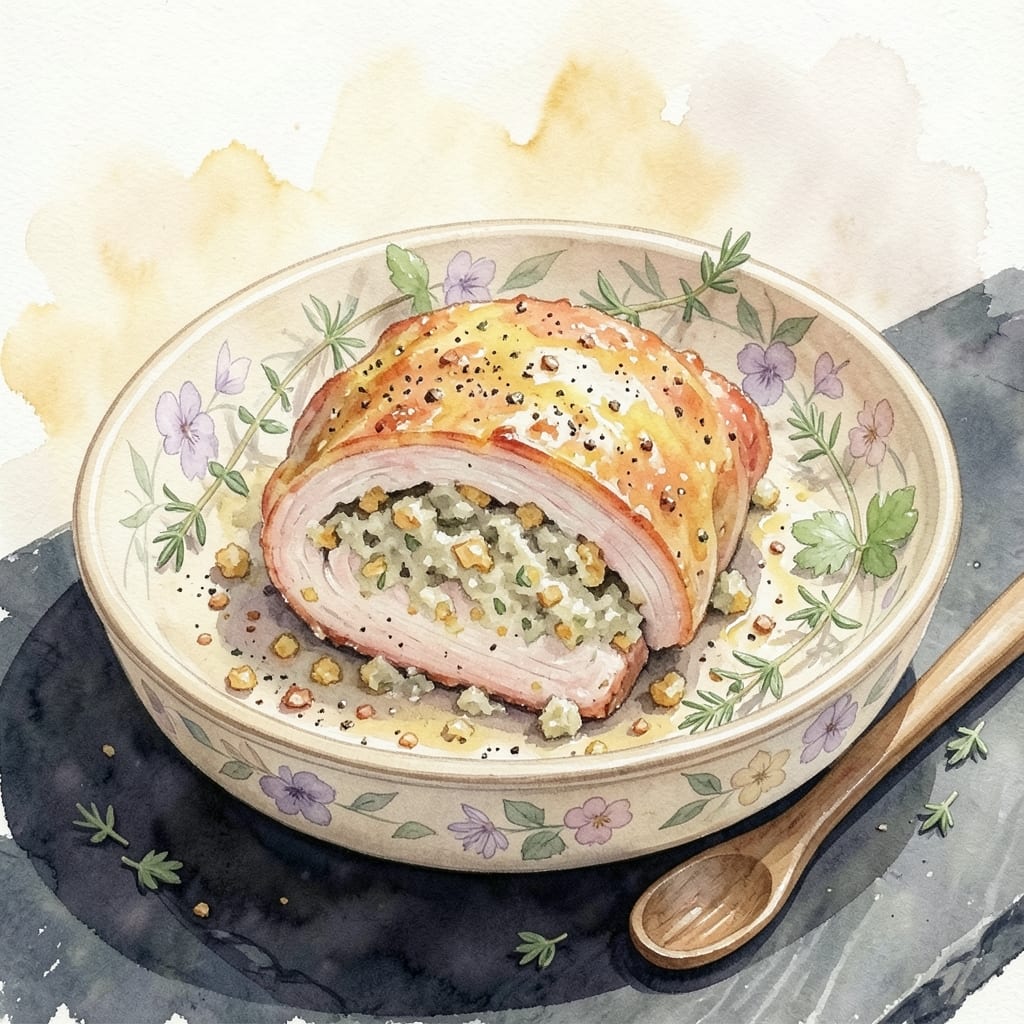
This best stuffed pork tenderloin recipe ever with stuffing is the showstopper your dinner table deserves—juicy, herb-packed, and foolproof for even the busiest weeknights. 💛 I perfected this technique after years of testing, ensuring the pork stays tender while the stuffing infuses flavor with every bite. The secret lies in a simple herb and breadcrumb mixture that transforms ordinary pork into an impressive centerpiece without requiring fancy skills.
The magic happens when you butterfly the tenderloin just enough to create a pocket for the stuffing, then roast it until golden and perfectly cooked through. I use a blend of fresh herbs, garlic, and a touch of Dijon mustard in the stuffing—it adds depth while keeping the prep simple. This isn’t just another stuffed pork recipe; it’s a restaurant-quality dish that’s surprisingly easy to recreate at home.
What you’ll end up with is a rosy, juicy pork tenderloin with a crispy exterior, stuffed to the brim with aromatic herbs and breadcrumbs. The stuffing stays moist and flavorful, never dry or crumbly, while the pork remains tender from edge to edge. It’s the kind of dish that makes guests ask for your recipe—and makes you look like a master chef without the stress.
Serve with a drizzle of pan juices, a sprinkle of fresh parsley, and your favorite sides. This recipe scales beautifully for gatherings or stays elegant enough for a weeknight dinner. Let’s get started—your taste buds (and dinner guests) will thank you.
Ingredients for best stuffed pork tenderloin recipe ever with stuffing
Herb-packed stuffing and juicy pork—this showstopper needs just 13 simple ingredients.
| Ingredient | Amount | Notes |
|---|---|---|
| Pork Tenderloin 🥩 | 1 ½ lb | Center-cut, trimmed of silver skin |
| Fresh Breadcrumbs 🍞 | ½ cup | Panko or homemade, unsalted |
| Dijon Mustard 🍯 | 1 tbsp | High-quality, not sweetened |
| Fresh Parsley 🌿 | ¼ cup | Chopped, stems removed |
| Fresh Thyme Leaves 🌿 | 1 tbsp | Finely chopped, stems removed |
| Garlic Cloves 🧄 | 3 cloves | Minced, not pre-minced jarred |
| Extra-Virgin Olive Oil 🫒 | 2 tbsp | For brushing and cooking |
| Unsalted Butter 🧈 | 2 tbsp | Softened, not melted |
| Kosher Salt 🧂 | 1 ½ tsp | Diamond Crystal preferred |
| Ground Black Pepper 🌶️ | ½ tsp | Freshly cracked |
| Fresh Rosemary 🌿 | 1 tbsp | Finely chopped, stems removed |
| Whole Milk 🥛 | 2 tbsp | For moistening breadcrumbs |
| All-Purpose Flour 🌾 | 1 tbsp | For dredging if needed |
The pork tenderloin is your star, so pick a center-cut piece—it's more tender and holds its shape better. Whole Foods or Trader Joe's usually carry the best quality, but any well-marbled tenderloin works. Trim the silver skin before cooking—it's tough and unappetizing. Fresh herbs are non-negotiable here; store-bought dried herbs won't give you that bright, aromatic flavor. If you're using a whole sprig of rosemary, chop it finely—you want it distributed evenly in the stuffing. For the breadcrumbs, Panko adds a nice crispiness, but homemade works too if you toast your bread first.
No Dijon mustard? Yellow mustard at half the amount will work in a pinch, though it's sweeter. Short on fresh parsley? Fresh cilantro or basil can substitute, but reduce to 0.2 cup to avoid overpowering. The milk in the stuffing is key—it keeps everything moist while roasting. If you're worried about the breadcrumbs getting soggy, add the milk gradually and mix just until combined. For the olive oil, avoid the cheap stuff—you want something fruity and flavorful that'll complement the herbs. The garlic should be minced, not pressed—it releases more flavor when cooked. And if you're feeling fancy, infuse the olive oil with garlic and rosemary for an extra layer of flavor.
This dish reheats beautifully—just warm it in the oven with a splash of water or broth to keep it moist. Store leftovers in an airtight container for up to 4 days in the fridge, or freeze for 3 months for a quick weeknight meal later. The stuffing stays fresh for 3 days prepped ahead, so make it a day in advance if you're hosting. To serve, slice the pork into medallions and drizzle with the pan juices—it's that simple. The leftovers make amazing sandwiches the next day, so plan accordingly.
Why You'll Love This Recipe
- The secret’s in the timing: searing the pork first, then stuffing it with that herby breadcrumb mix. You get that golden, crackling crust on the outside while the center stays so tender it practically melts. Honestly, it’s the kind of dish that makes you want to take a second bite just to check.
- Fewer Ingredients, Bigger Impact: I swear by this recipe because it’s all about the right ingredients doing the heavy lifting. Fresh breadcrumbs (toasted in butter, not stale) and Dijon mustard pack way more flavor than some stuffing recipes that need a dozen herbs. The thyme and parsley? Just a handful—no need to overcomplicate it.
- Crispy Outside, Juicy Inside: The secret’s in the timing: searing the pork first, then stuffing it with that herby breadcrumb mix. You get that golden, crackling crust on the outside while the center stays so tender it practically melts. Honestly, it’s the kind of dish that makes you want to take a second bite just to check.
- Weeknight Dinner or Holiday Hero: Between us, this is my go-to for both Tuesday dinners and Thanksgiving leftovers. Slice it thin for sandwiches, serve it whole for a showstopper, or even repurpose the stuffing into croutons. It’s the kind of recipe that works hard without you having to think twice.
Step-by-step instructions for herb-stuffed pork tenderloin
Here's how to create a showstopping centerpiece with perfectly seasoned pork and fragrant herb stuffing.
👨🍳 Step 1: Prepare the Herb Stuffing Mixture
In a medium bowl, combine the 0.5 cup fresh breadcrumbs, 1 tbsp Dijon mustard, 2 tbsp whole milk, 1.5 tsp kosher salt, and 0.5 tsp ground black pepper. Mix until evenly moistened but not soggy—it should hold together when pressed. This forms the flavorful core that will infuse your pork.
In a separate small bowl, finely chop the 0.25 cup fresh parsley, 1 tbsp fresh thyme leaves, 1 tbsp fresh rosemary, and 3 cloves minced garlic until you have a vibrant green herb mixture. Fold this into your breadcrumb mixture, reserving a small pinch of herbs for garnish later. The bright flavors will shine through the tender pork.
🔪 Step 2: Create the Stuffing Cavity
Preheat your oven to 400°F. Pat the 1.5 lb pork tenderloin dry with paper towels—this ensures maximum crispiness. Using a sharp boning knife, carefully slice the pork lengthwise about 1 inch deep (but not all the way through) to create a pocket. I like to make two parallel cuts about ½ inch apart to create a wider cavity without compromising the meat's structure.
Gently open the pocket and stuff it with your herb mixture, pressing lightly to compact it. You'll want the stuffing to stay contained but not bulge excessively. The pork's natural juices will mingle with the herbs as it cooks, creating an irresistible flavor profile.
🍳 Step 3: Sear the Pork for Maximum Flavor
Heat 1 tbsp extra-virgin olive oil and 1 tbsp unsalted butter in a large oven-safe skillet over medium-high heat until the butter foams. Carefully place the stuffed pork in the skillet, seam-side down. Sear for 3-4 minutes per side until it develops a deep golden-brown crust—this is where all the magic happens.
Here's the thing—don't press down on the pork while searing. You'll see the edges start to crisp—that's your signal to flip. The butter and oil create a flavorful barrier that locks in juices while building that perfect crust we're after.
🔥 Step 4: Roast to Juicy Perfection
Transfer the skillet to your preheated 400°F oven and roast for 20-25 minutes for medium-rare (or until the internal temperature reaches 145°F when measured with a meat thermometer). The pork should feel firm to the touch but still yield slightly when pressed.
Don't be tempted to overcook—pork continues cooking as it rests. The stuffing will absorb the pork's natural juices, creating a moist, flavorful center. If you're worried about doneness, pull it out when it reaches 140°F—it'll rise another 5°F while resting.
⏰ Step 5: Rest and Garnish for Presentation
Remove the pork from the oven and transfer it to a cutting board. Tent loosely with aluminum foil and let it rest for 10-15 minutes. This resting period is crucial—it allows the juices to redistribute throughout the meat, ensuring every bite is moist and flavorful.
When ready to serve, slice the pork into ½-inch thick medallions and garnish with the reserved herb pinch. The stuffing will peek out slightly, adding visual appeal and a burst of herbaceous flavor with every bite. Serve immediately with pan juices spooned over the top for that restaurant-quality presentation.
Pro Tips For Making Best Stuffed Pork Tenderloin Recipe Ever With Stuffing
- SEAR THE LOIN FIRST: Hit the pork with a screaming-hot pan—no oil needed—until it’s deep golden on all sides before stuffing. I used to skip this and ended up with a bland center; the crust locks in flavor and keeps the juices from leaking when you slice.
- STUFF THE CENTER, NOT THE EDGES: Pack the breadcrumb-thyme-parsley mix just into the hollowed-out center of the tenderloin, leaving at least ½ inch of meat around the edges. After stuffing too aggressively once and watched the filling ooze out like a sad meat lasagna—don’t be that person.
- BRINE THE PORK FOR 30 MINUTES: Toss the tenderloin in ice water with 1 tablespoon salt per quart for half an hour before cooking. Sounds weird, but it makes the meat juicier and the crust crispier—no more dry, sad pork. (Yes, even if you’re impatient like me.)
- USE DIJON AS GLUE, NOT FLAVOR: Mix the Dijon into the stuffing and spread a thin layer on the meat before adding the breadcrumbs—it binds the filling and sticks it to the pork instead of sliding out. I was skeptical until I tried it; now I’d never go back.
Essential equipment for this dish
Oven-Safe Skillet
An oven-safe skillet is your best friend for this recipe—it lets you sear the pork on the stovetop and finish roasting in the oven without transferring. I swear by a 10-inch cast-iron skillet like the Lodge Pre-Seasoned—it retains heat beautifully and develops that perfect crust. If you don’t have cast iron, a stainless steel skillet with oven-safe handles works too, though it won’t crisp as dramatically. Avoid nonstick pans for searing—they can’t handle the high heat needed for a good Maillard reaction. 🔥
Meat Thermometer
A meat thermometer is non-negotiable for juicy pork. I use a ThermoWorks Smoke because it’s precise and has a flexible probe that fits snugly into the tenderloin’s cavity. Insert it into the thickest part of the meat, avoiding the stuffing pocket. The pork is done at 145°F internal temperature, but pull it out at 140°F—it’ll rise another 5°F while resting. Without a thermometer, you’re guessing, and overcooked pork is dry pork. Trust me, this tool changes everything.
Sharp Boning Knife
A sharp boning knife (like the Wüsthof Classic 7-inch) is essential for creating clean, even cuts in the tenderloin. Dull knives slip and tear the meat, making the stuffing cavity messy and uneven. I like to make two parallel cuts about ½ inch apart to create a wider pocket without compromising the meat’s structure. If you don’t have a boning knife, a chef’s knife with a thin blade works in a pinch, but it’s trickier to control. Always keep your knife sharp—it’s safer and more precise.
Mixing Bowls
Use two medium mixing bowls—one for the breadcrumb mixture and another for chopping the fresh herbs. I prefer stainless steel bowls because they’re durable and easy to clean, but glass or ceramic works too. The herbs need a dedicated bowl to avoid overcrowding, which makes them harder to chop finely. Pro tip: Use a small cutting board (like a 6-inch wooden one) for mincing garlic and herbs—it’s easier to control and keeps your workspace tidy. 🌿
Tongs for Flipping
Tongs are better than spatulas for flipping the pork—they give you better grip and control, especially when the pork is slippery from the butter and oil. I use stainless steel tongs (like OXO Good Grips) because they’re heat-resistant and have a comfortable grip. Avoid plastic or silicone tongs—they can melt or deform under high heat. When searing, flip the pork gently but firmly to avoid tearing the stuffing pocket. The goal is a golden, crispy crust without losing any filling.
Nutrition facts
Frequently asked questions
Can I use dried herbs instead of fresh in the stuffing?
Fresh herbs are ideal for vibrant flavor, but you can substitute with ⅓ the amount of dried herbs (e.g., 1 tsp dried parsley for 0.25 cup fresh). Dried herbs are more concentrated, so measure carefully. For best results, toast dried herbs in a dry pan for 30 seconds to enhance their aroma before mixing into the stuffing.
How do I prevent the stuffing from falling out when slicing?
Press the stuffing firmly into the pocket before searing, and don't overfill the cavity. A lightly packed stuffing stays contained better. For extra security, secure the pocket with toothpicks (remove before serving) or a kitchen twine tied around the pork. The searing step also helps "set" the stuffing in place.
What's the best way to reheat leftovers?
Slice the pork into medallions and reheat in a 350°F oven for 10-12 minutes with a splash of water or broth in the pan. For microwave reheating, cover with a damp paper towel and heat for 30-45 seconds on medium power. Never reheat stuffing alone—it dries out quickly without the pork's moisture.
Can I make this ahead of time?
Assemble the stuffed pork up to 24 hours ahead and refrigerate uncovered on a wire rack. Bring it to room temperature before cooking (about 30 minutes) for even cooking. The stuffing can also be prepped 1 day ahead—just store it in an airtight container in the fridge until ready to stuff the pork.
What sides pair best with this dish?
This herb-stuffed pork shines with classic sides like roasted root vegetables, creamy mashed potatoes, or a crisp green salad. For a Pacific Northwest twist, try wild mushroom risotto or grilled asparagus. The pan juices also make an excellent drizzle for roasted potatoes or fresh bread.