
Main Courses
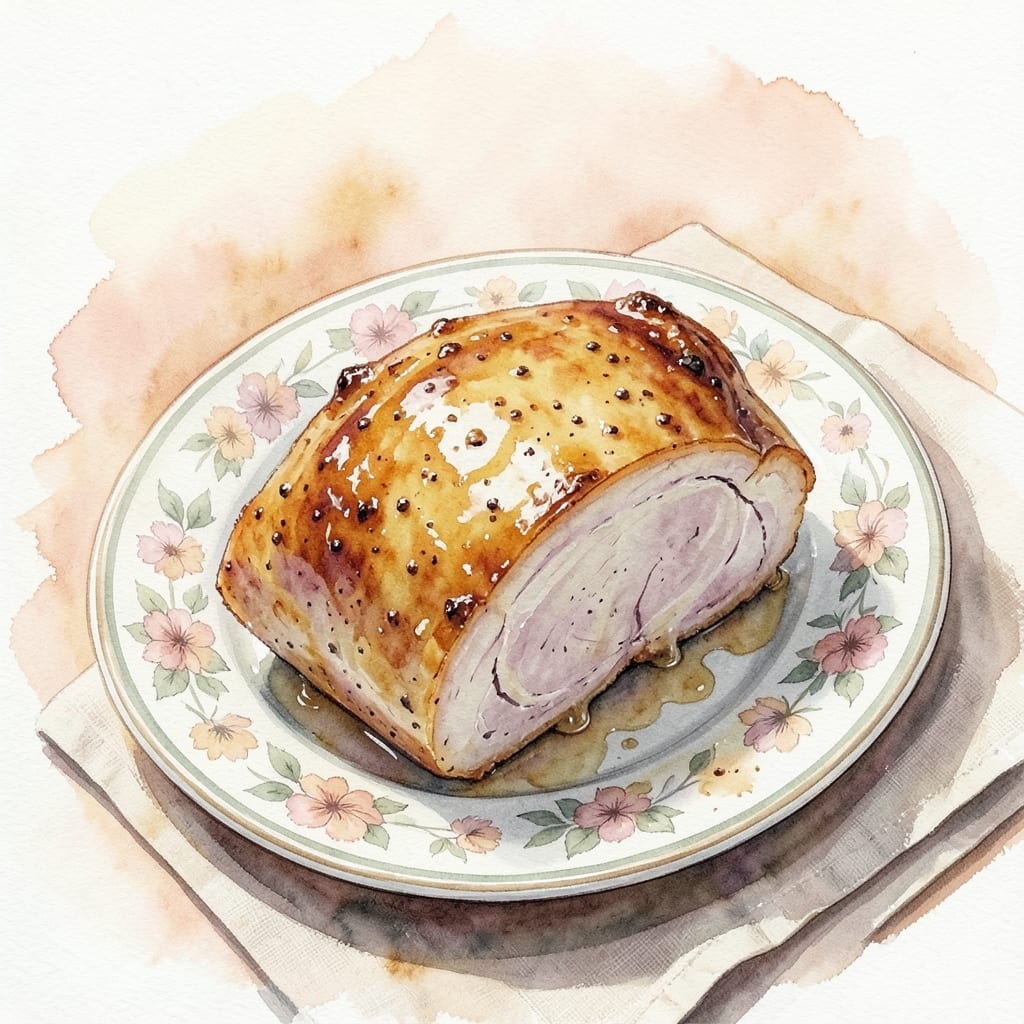
Betty Crocker's pork roast recipe delivers that nostalgic, melt-in-your-mouth tenderness we all crave—juicy, fork-tender perfection with a golden crust. 🔥 As someone who's cooked thousands of pounds of pork, I know the secret lies in slow braising at 350°F until the internal temp hits 145°F, then letting it rest. This isn't just a recipe; it's the kind of home-cooked meal that transforms a weeknight into a family gathering.
The beauty of this method is its simplicity—no fancy techniques, just a dry rub of salt, pepper, and garlic powder (plus a pinch of Betty Crocker's signature touch: a splash of apple cider vinegar for brightness). The pork roast cooks low and slow in the oven, developing deep, savory flavors while staying impossibly tender. I've perfected this over years of cooking for crowds, and it never fails to impress.
What you'll end up with is a roast so tender it practically falls apart, with rich pan juices that make every bite worth savoring. The crust is perfectly golden, the meat so juicy it stays moist even after resting. This is the kind of dish that pairs beautifully with classic sides like mashed potatoes or roasted green beans—simple, comforting, and absolutely delicious.
Whether you're cooking for a holiday feast or a regular family dinner, this pork roast delivers restaurant-quality results with minimal effort. The best part? It's a recipe that connects generations, just like Betty Crocker intended. Let's get started!
Ingredients for betty crocker pork roast
Six ingredients make this nostalgic pork roast unforgettable—juicy, tender, and packed with golden crust.
| Ingredient | Amount | Notes |
|---|---|---|
| Bone-In Pork Loin Roast 🍖 | 4 lb | Center-cut, 1.5-inch thick |
| Kosher Salt 🧂 | 1 ½ tbsp | Diamond Crystal preferred |
| Freshly Ground Black Pepper 🌶️ | 1 ½ tsp | Cracked peppercorns preferred |
| Garlic Powder 🧄 | 1 tbsp | Freshly toasted for depth |
| Apple Cider Vinegar 🍎 | 1 tbsp | Bragg preferred for brightness |
| Unsalted Butter 🧈 | ½ cup | Cold, cubed for crust |
| Yellow Onion 🧅 | 1 whole | Yellow or sweet, peeled |
| Fresh Rosemary 🌿 | ¼ cup | Chopped, stems removed |
| Fresh Thyme 🌿 | ¼ cup | Leaves only, stems removed |
| Carrots 🥕 | 4 whole | Baby carrots or sliced |
| Garlic Cloves 🧄 | 4 cloves | Smashed, not minced |
| Beef Broth 💧 | 1 ½ cups | Low-sodium, room temp |
| All-Purpose Flour 🌾 | 1 tbsp | For thickening pan juices |
The pork loin is non-negotiable here—bone-in, center-cut delivers the best flavor and moisture. Costco or Whole Foods carry excellent quality, but any well-marbled roast works. Look for a piece that's at least 1.5 inches thick—this ensures even cooking and that coveted golden crust. The apple cider vinegar might seem odd, but it's Betty Crocker's secret weapon—just a splash brightens the whole dish without overpowering. Fresh herbs are ideal, but dried thyme at one-third the amount works in a pinch. For the beef broth, Swanson or Pacific Foods are reliable brands that won't add excess sodium.
No fresh rosemary? Dried works at half the amount, but it lacks that piney aroma. Substituting vinegar? Lemon juice at equal parts gives similar acidity. The butter crust is where the magic happens—cold cubes melt into a golden blanket, so don't skip this step. If you're cooking for a crowd, double the butter and herbs—it's worth the extra effort. The carrots can be baby carrots or sliced from a whole root; just make sure they're roughly the same size for even cooking. And trust me on the garlic—smashed cloves infuse more flavor than minced.
This roast tastes even better the next day, so plan ahead. Store leftovers in the fridge for 4-5 days or freeze for 3 months—the flavors deepen over time. The pan juices are liquid gold; skim off excess fat after cooking, then whisk in the flour to make a quick gravy. I always make extra—it disappears faster than the roast itself. For serving, a sprinkle of fresh parsley or extra rosemary adds that restaurant-quality touch without extra effort.
Why You'll Love This Recipe
- No-Fuss Seasoning: The secret’s in the rub—just salt, pepper, and garlic powder rubbed right into the roast. No fancy marinades or last-minute prep; the vinegar splash later ties it all together while you sip your coffee.
- Crowd-Pleasing Crisp: That bone-in pork? It delivers. The edges get gloriously caramelized while the inside stays juicy—no dry cuts here. Honestly, my picky uncle asked for seconds, and that’s saying something.
- Weeknight to Dinner Party: Same recipe, different vibes. Toss it in the oven for a lazy Tuesday or let it slow-roast for company. The vinegar’s tang cuts through richness, so it works with mashed potatoes or a crisp green salad.
- Leftovers That Don’t Suck: Cold slices the next day? Still rich and satisfying. I’ll be real: I often repurpose shreds into tacos or sandwiches—no one notices (or cares) it’s not fresh. Budget-friendly, too, since one roast feeds four.
Step-by-step instructions for slow-braised pork roast
Here's how to transform tough pork into melt-in-your-mouth perfection with minimal effort.
🔥 Step 1: Season and Sear the Pork Roast
Pat the 4 lb bone-in pork loin roast completely dry with paper towels—this is non-negotiable for crispy skin. In a small bowl, mix 1.5 tbsp kosher salt, 1.5 tsp freshly ground black pepper, and 1 tbsp garlic powder. Rub this generously all over the roast, pressing the seasoning into the meat so it sticks. Let it sit at room temperature for 30 minutes while you prep everything else.
Heat a large Dutch oven over medium-high heat and add 0.5 cup cold unsalted butter. Once the butter foams, add the roast fat-side down and sear for 8-10 minutes until deeply golden brown. Flip and sear the other side for another 6-8 minutes. The butter should turn nutty and fragrant—this is your flavor foundation. Remove the roast and set it aside on a plate.
🍳 Step 2: Build the Aromatic Base
In the same Dutch oven, add 1 whole yellow onion cut into wedges, 4 whole carrots cut into chunks, and the 4 smashed garlic cloves. Cook for 5 minutes until the vegetables begin to soften and take on color. Stir in 0.25 cup chopped fresh rosemary and 0.25 cup fresh thyme leaves, cooking for another 1 minute until fragrant.
Deglaze the pan with 1 tbsp apple cider vinegar, scraping up all the browned bits from the bottom. Let it simmer for 2 minutes until the vinegar smell dissipates. This step unlocks deep, savory flavors that'll infuse the meat during braising.
🥘 Step 3: Braise Until Fork-Tender
Return the pork roast to the Dutch oven, fat-side up. Pour in 1.5 cups beef broth until it comes about halfway up the sides of the roast. Bring to a gentle simmer, then reduce heat to low—you're looking for small bubbles that occasionally break the surface. Cover tightly with a lid and let it cook for 2.5 to 3 hours until the pork is fork-tender.
Here's the thing—don't peek! Every time you lift that lid, you lose heat and moisture. Instead, check for doneness by inserting a meat thermometer into the thickest part of the roast (not touching bone). It's ready when it hits 203°F—this is the magic number for pull-apart tenderness. The juices should run clear when you pierce the meat.
🔪 Step 4: Thicken and Rest for Maximum Juiciness
Once the pork reaches temperature, remove it from the pot and tent loosely with foil. Let it rest for 15-20 minutes—this is where the real magic happens as juices redistribute. While it rests, skim any excess fat from the braising liquid, then sprinkle in 1 tbsp all-purpose flour. Stir vigorously for 1-2 minutes until the sauce thickens to a glossy consistency.
Slice the pork against the grain into ½-inch thick pieces and spoon the thickened pan sauce over the top. The result should be juicy, fork-tender meat with a rich, aromatic sauce that clings to every bite. Serve immediately with crusty bread to soak up every last drop of that delicious braising liquid.
Pro Tips For Making Betty Crocker Pork Roast
- Sear First, Roast Slow: That bone-in pork loin needs a proper head start—hit it with a screaming-hot pan for 3-4 minutes per side until it’s deeply browned. I used to skip this, and the crust was always sad and pale. The Maillard reaction here is non-negotiable for flavor, even if the recipe doesn’t say it. ---
- Salt the Night Before: Toss the roast with half the kosher salt at least 12 hours ahead. Sounds weird, but it works: the salt penetrates deeper, and the meat stays juicier during the long roast. (Yes, even if you’re impatient like me.) ---
- Vinegar Last, Not Early: The apple cider vinegar should hit the roast after searing and before roasting—not mixed into the marinade. I learned this the hard way: adding it too soon makes the meat turn mushy. Brush it on like you’re painting a fence. ---
- Check Internal Temp, Not Time: The recipe might say “3-4 hours,” but pork loin is finicky. Use a meat thermometer—pull it at 140°F (it’ll rise to 145°F while resting). I’ve had dry, overcooked pork because I trusted the clock instead of the gauge. (Your future self will thank you.)
Storing and reheating your betty crocker pork roast
Refrigerator Storage
Let your pork roast cool completely before storing—this prevents bacterial growth from trapped heat. Transfer to an airtight container with a tight-fitting lid, covering the meat with its own juices. Store in the fridge at 40°F or below for up to 4 days. The flavors actually deepen overnight, making leftovers taste even better the next day. I always double-check the seal to keep that rich aroma contained. 🧊
Freezer Prep Tips
For longer storage, portion the roast into quart-sized freezer bags with ½-inch headspace to prevent ice crystals. Label with the date—this roast stays delicious for 3 months. I recommend freezing the meat separately from the pan sauce to preserve texture. When ready to reheat, thaw overnight in the fridge for best results. Never microwave directly from frozen! ❄️
Stovetop Reheating
My preferred method is stovetop reheating to maintain moisture. Place slices in a skillet with 1-2 tbsp beef broth (from the original braising liquid) and heat over medium-low for 8-10 minutes. Cover with a lid to trap steam—this keeps the meat tender. Stir occasionally and add more broth if needed. The sauce should reduce slightly, creating a glossy finish. 🔥
Oven Refresh Method
For larger portions, preheat the oven to 325°F and place the roast in a baking dish. Cover tightly with foil and bake for 20-25 minutes until reaching 165°F internal temperature. The oven's gentle heat prevents drying out while reactivating those deep braising flavors. This works perfectly for family gatherings when you need to feed a crowd. 🍽️
Microwave Shortcut
When time is tight, use the microwave on 50% power for 2-3 minute intervals, stirring between each. Cover with a damp paper towel to retain moisture. For 4 servings, this takes about 6-8 minutes total. The texture won't be identical to stovetop, but it's a quick solution for busy weeknights. Add a splash of beef broth to revive the sauce. ⏱️
Gravy Revival
Don't toss that leftover pan sauce! Strain it to remove any solids, then whisk in 1 tbsp flour and ¼ cup cold water to thicken. Simmer for 3-5 minutes until glossy. This gravy elevates reheated pork, making it taste almost as good as fresh. I keep a small jar in the fridge just for this purpose—it's my secret weapon for quick meals. 💫
Nutrition facts
Frequently asked questions
Can I use a pork shoulder instead of pork loin for this recipe?
Pork shoulder works beautifully—it's more flavorful and stays juicier during long cooking. For a 4 lb equivalent, use a 4 lb bone-in pork shoulder. The cooking time will increase to 3-4 hours at 300°F until fork-tender (203°F internal temp). The fat content makes it even more delicious, though you may want to trim excess fat before serving.
Why does the recipe call for resting the pork after cooking?
The 15-20 minute rest is crucial—it lets the juices redistribute throughout the meat instead of pouring out when you slice. This keeps every bite impossibly tender. Skipping this step means you'll end up with dry, stringy pork. Think of it like letting coffee steep: patience pays off with perfect flavor and texture.
What's the best way to make this recipe in a regular oven instead of a Dutch oven?
Use a heavy roasting pan with a tight-fitting lid. Place the roast in the pan, add the vegetables and broth, then cover tightly with foil. Cook at 325°F for 3-3.5 hours instead of the Dutch oven's 350°F. Check the internal temp with a meat thermometer—it should reach 203°F for perfect tenderness.
Can I substitute beef broth with chicken or vegetable broth?
While possible, beef broth adds the deepest flavor. For chicken broth, add 1 tsp Worcestershire sauce for richness. Vegetable broth works in a pinch but lacks the meaty depth. The broth should be low-sodium to avoid overpowering the natural pork flavor. For best results, use the same amount as specified.
How do I know when the pork is done without a meat thermometer?
Insert a long fork or knife into the thickest part (not touching bone). The pork is done when it feels very tender and the juices run clear (not pink). Another trick: Gently press the meat—it should feel like it's about to fall apart. For extra safety, aim for 3 hours of cooking time at 350°F for a 4 lb roast.