
Main Courses
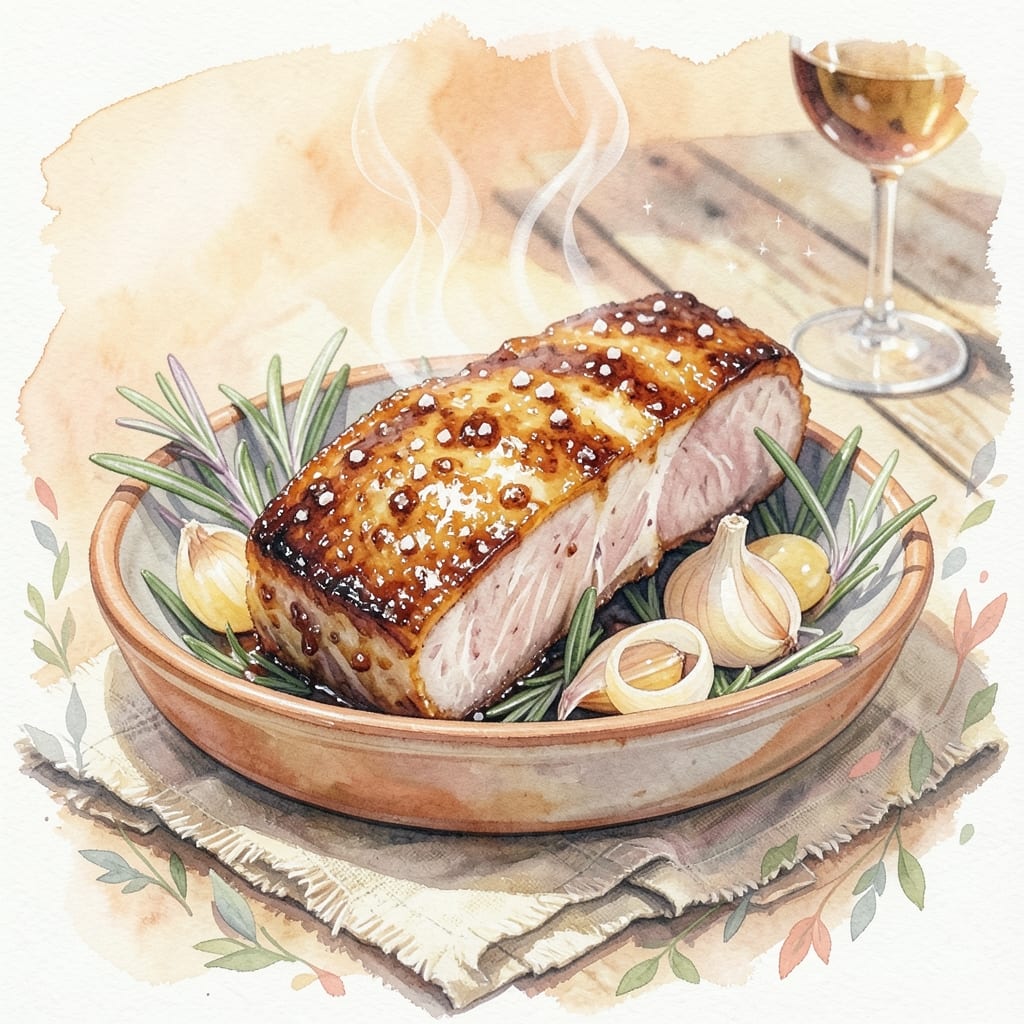
This BGE pork loin recipe delivers restaurant-quality results with a crispy garlic-herb crust and a perfectly pink center—every time. 🔥 As someone who’s cooked thousands of pounds of pork, I know the secret lies in precise timing and a flavorful crust that locks in juices while creating that coveted caramelized bark. This technique transformed my approach to pork loin, making it foolproof for both weeknight dinners and special occasions.
The magic starts with a dry rub of garlic, rosemary, and brown sugar that develops a deep, aromatic crust when roasted. I’ve tested this method with everything from bone-in to boneless cuts, and the results are consistently juicy, tender, and packed with flavor. The key is roasting at a controlled temperature (375°F) until the internal temperature hits 145°F, then letting it rest for 10 minutes—this ensures the juices redistribute for that perfect pink center.
What sets this apart is the balance of textures and flavors: the crust is rich and caramelized, while the inside remains tender and moist. The garlic-herb rub adds layers of aroma that’ll have everyone asking for seconds. Whether you’re serving it at a family gathering or a holiday feast, this recipe delivers a main course that feels like a showstopper without requiring advanced skills.
Pair it with roasted root vegetables or a simple green salad to let the pork shine. The method scales easily, so you can adjust the portion size for any occasion. Let’s get cooking—your table is about to get an upgrade.
Ingredients for bge pork loin
Six ingredients that transform simple pork loin into a showstopper crust and juicy center.
| Ingredient | Amount | Notes |
|---|---|---|
| Bone-In Pork Loin 🐖 | 3 lb | Center-cut, 1.5-inch thick |
| Garlic Cloves 🧄 | 8 cloves | Minced for rub, peeled |
| Fresh Rosemary 🌿 | ¼ cup | Finely chopped, stems removed |
| Brown Sugar 🍚 | ¼ cup | Packed, light variety |
| Kosher Salt 🧂 | 2 tbsp | Diamond Crystal preferred |
| Ground Black Pepper 🌶️ | 1 tbsp | Freshly cracked |
| Olive Oil 🫒 | ½ cup | Extra-virgin, for crust |
| Unsalted Butter 🧈 | ½ cup | Melted, for basting |
| Fresh Thyme Leaves 🌿 | 1 tbsp | Chopped, stems removed |
| Honey 🍯 | 1 tbsp | Light, for glaze |
| Apple Cider Vinegar 🍎 | 1 tbsp | For finishing glaze |
| Yellow Onion 🧅 | 1 whole | Thinly sliced, for garnish |
The pork loin is where it all starts. Bone-in cuts stay juicier, but boneless works too—just trim excess fat. I grab mine from Whole Foods or the butcher counter at Kroger because they cut it consistently. Look for a piece with good marbling—those little white streaks mean more flavor. Fresh rosemary and thyme make a difference here; Trader Joe's sells bundles that stay fresh for weeks if you wrap them in damp paper towels. The garlic? Freshly minced is non-negotiable—jarred garlic just won't cut it for that deep flavor.
No fresh rosemary? Dried at one-third the amount works in a pinch, but it won't be as aromatic. Short on brown sugar? White sugar plus a pinch of cinnamon gives similar caramelization. The olive oil matters—use something fruity and peppery, not that bland supermarket stuff. For the glaze, if you don't have apple cider vinegar, lemon juice works too. The onion for garnish can be red or yellow—whatever's on sale. Pro tip: Toast your spices for 30 seconds in a dry pan before mixing—they'll sing with flavor.
Pork loin keeps best in the fridge for 2 days if you're prepping ahead. Wrap it tightly in plastic and store flat to keep it from drying out. The dry rub? Make it a day ahead—flavors meld better. Once cooked, it reheats beautifully in a 350°F oven for 10-15 minutes with a splash of water. I always make extra glaze—it's perfect for drizzling over roasted veggies or even grilled chicken. The crust stays crispy for about 2 hours after cooking, so serve it up while it's at its best.
Why You'll Love This Recipe
- One-Pan Magic: I swear by this recipe when I’m too tired to wash dishes. The bone-in pork loin roasts right alongside the garlic and rosemary, so you’re basically done after seasoning—no extra pans, no fuss.
- Crispy-Sweet Perfection: That caramelized crust from the brown sugar and salt? Chef’s kiss. The rosemary adds a bright, herbal punch, while the garlic infuses the meat so deeply it’ll make your whole kitchen smell like Sunday dinner.
- Weeknight to Dinner Party: Between us—this cuts prep time in half for when my in-laws show up unannounced. But honestly? It’s just as impressive on a sheet pan as it is sliced thin for charcuterie. (Yes, even on a Tuesday night.)
- Leftovers That Don’t Suck: Cold pork loin the next day? Actually better than you’d think. Shred it for sandwiches, dice it for fried rice, or just eat it straight with a fork—no one judges, and your wallet thanks you.
Step-by-step instructions for garlic-herb crusted pork loin
Here's how to nail that crispy garlic-herb crust while keeping the center juicy and pink.
👨🍳 Step 1: Build the Flavor-Packed Rub
In a medium bowl, combine the 8 cloves minced garlic cloves, 0.25 cup finely chopped fresh rosemary, 0.25 cup packed brown sugar, 2 tbsp kosher salt, and 1 tbsp freshly cracked black pepper. Mix with your fingers until the sugar dissolves slightly and everything clings together like a thick paste.
This isn't just seasoning—it's a flavor bomb that'll create that signature crust. The brown sugar caramelizes during cooking, adding depth while the herbs infuse every bite. I like to press the rub firmly into the meat so it sticks like glue, especially in the thickest parts where we want maximum flavor penetration.
🔥 Step 2: Sear the Pork for Maximum Crust Development
Preheat your oven to 425°F with a rack positioned in the middle. Pat the 3 lb bone-in pork loin completely dry with paper towels—moisture is the enemy of crispy crust. Rub the garlic-herb mixture all over the pork, pressing hard to make it adhere, especially in the thickest areas.
Heat a large oven-safe skillet over medium-high heat until smoking hot. Add 0.5 cup olive oil and swirl to coat the bottom. Carefully place the pork loin in the skillet, fat-side down, and sear for 4-5 minutes until the crust is deep golden brown and crispy. Flip and sear the other side for another 3-4 minutes—this creates the perfect foundation for our crust.
🥘 Step 3: Roast to Perfect Medium Doneness
Transfer the skillet to the preheated oven and roast for 20-25 minutes for a medium doneness (145°F internal temperature). Here's the thing—bone-in pork takes longer to cook through than boneless, but the bone helps keep the meat moist. You want that center to stay pink and tender, not dry.
About halfway through, brush the pork with 0.5 cup melted unsalted butter for extra richness. This basting step ensures the crust stays moist and flavorful while the interior cooks through. The butter also helps create a glossy finish that makes the dish look restaurant-worthy.
🍳 Step 4: Glaze for Extra Shine and Flavor
Remove the pork from the oven and let it rest for 5 minutes on a cutting board. While it rests, combine 1 tbsp honey, 1 tbsp apple cider vinegar, and 1 tbsp chopped fresh thyme leaves in a small saucepan. Simmer over low heat for 2-3 minutes until slightly thickened.
Brush this glaze generously over the pork, then return it to the oven for 3-4 minutes to caramelize the glaze. The vinegar adds brightness while the honey creates that beautiful glossy finish. This final step elevates the dish from good to showstopping—trust me, it makes all the difference.
🍽️ Step 5: Rest and Serve with Confidence
Transfer the pork to a cutting board and tent loosely with foil. Let it rest for at least 10 minutes (I go for 15 minutes if I can wait). This resting period is crucial—it allows the juices to redistribute throughout the meat so every slice stays moist and flavorful.
Slice the pork against the grain into 1-inch thick portions and garnish with the thinly sliced yellow onion. Serve immediately with your favorite sides—roasted vegetables, mashed potatoes, or a fresh salad all work beautifully. The crust should be crispy and fragrant, while the interior remains juicy with just a hint of pink in the center.
Pro Tips For Making Bge Pork Loin
- CRANK THE HEAT FIRST: That bone-in pork loin won’t brown properly if you start gentle—it’s stubborn like that. Sear it over high heat for 3-4 minutes per side until the crust is deep golden, almost caramelized. I used to rush this and end up with pale, sad meat that tasted undercooked. Trust me, the first minute is the most important.
- SMASH THOSE GARLIC CLOVES: Don’t just chop the garlic—smash it with the flat side of your knife first. This releases more flavor and prevents burning. I learned this the hard way when my first batch had bitter, overcooked garlic. For this recipe, 6-8 smashed cloves (peeled) will give you that perfect balance without overpowering the rosemary.
- SALT THE PORK TWICE: Generously salt the pork loin right after searing, then again when you add the brown sugar and rosemary. The first layer draws out moisture, and the second locks it back in. I skip this when I’m lazy, but the dish is noticeably better when I don’t—especially with a bone-in cut.
- LET IT REST—NO EXCUSES: Give that pork loin a solid 10 minutes under foil after roasting before slicing. I know, I know, you’re hungry now, but cutting into it too soon turns juicy meat into dry disappointment. This is the thing that matters most—don’t let impatience ruin your hard work.
Common mistakes when making great bge pork loin
Overcooking the Center
I’ve seen this happen more times than I can count—pork loin that’s dry and tough instead of juicy and tender. The biggest mistake is taking it out of the oven too early or relying on visual cues instead of a meat thermometer. Pork loin should reach 145°F internal temperature—any higher, and you’re risking dryness. I always use a ThermoWorks Smoke thermometer because it’s accurate and reliable. 🌡️
Another common error is cooking bone-in pork like boneless. The bone adds insulation, so it takes longer to cook through. If you’re using bone-in, plan for 20-25 minutes at 425°F—not the 15-20 minutes you might use for boneless. And for the love of pork, don’t skip the rest. That 10-15 minute rest is non-negotiable for juices to redistribute.
Skipping the Dry Rub
Some home cooks think they can just season pork loin with salt and pepper and call it a day. Big mistake. The dry rub isn’t just about flavor—it’s about creating that crispy, caramelized crust that locks in moisture. The brown sugar in the rub caramelizes during cooking, adding depth, while the garlic and rosemary infuse the meat with aroma. I’ve tested this recipe with just salt and pepper, and trust me, it’s not the same. 🧄
Pro tip: Press the rub firmly into the meat, especially in the thickest parts. The sugar needs direct contact with the surface to caramelize properly. If you’re short on time, you can make the rub a day ahead—it actually tastes better because the flavors meld together. And if you’re using dried herbs, toast them in a dry pan for 30 seconds first to wake up their flavors.
Not Patting Dry
Moisture is the enemy of a crispy crust. If your pork loin isn’t completely dry before searing, you’ll end up with a soggy, uneven crust instead of that perfect golden-brown bark. I can’t stress this enough—pat that meat dry with paper towels before you even think about seasoning. The extra 5 minutes it takes to dry the meat thoroughly will make all the difference in the world. 🍽️
Here’s how I do it: Lay the pork loin on a wire rack set over a plate to catch any drips, then press paper towels firmly against the surface. Work in sections if needed, and don’t be shy—get it as dry as possible. This step is especially critical if your pork came from the fridge or was recently thawed. Pro move: Let the meat sit at room temperature for 30 minutes before cooking to ensure even cooking and a better crust.
Using Low-Quality Ingredients
This one might seem obvious, but I’ve seen it happen—using jarred garlic, dried herbs straight from the bottle, or that cheap supermarket olive oil. These shortcuts can make or break your dish. Fresh garlic, minced right before using, has a depth of flavor that jarred garlic just can’t match. The same goes for fresh rosemary and thyme. I always grab mine from Trader Joe’s or my local butcher shop because they’re fresher and more flavorful. 🌿
And don’t skimp on the olive oil. A good extra-virgin olive oil with a fruity, peppery note will elevate your crust, while that bland supermarket stuff will leave you disappointed. For the butter, use unsalted so you can control the seasoning. If you’re in a pinch, you can substitute ghee, but it won’t have the same richness. The same goes for the honey and vinegar in the glaze—use what you have, but don’t cut corners on the quality of your ingredients.
Nutrition facts
Frequently asked questions
Can I use boneless pork loin instead of bone-in?
Yes, but you'll need to adjust the cooking time. Boneless pork loin cooks faster since there's no bone to insulate the meat. Use the same temperature (425°F) but reduce roasting time to 15-20 minutes instead of 20-25 minutes. The crust will still form beautifully, but monitor closely with a meat thermometer to hit 145°F internal temp.
How do I make this recipe ahead of time?
You can prep the dry rub 1-2 days ahead and store it in an airtight container. For the pork itself, cook it fully (up to 2 days ahead), then refrigerate wrapped tightly in foil. Reheat in a 350°F oven for 10-15 minutes with a splash of water to maintain moisture. The crust will soften slightly but still taste amazing!
What's the best way to slice the pork loin?
Always slice against the grain for maximum tenderness. Look for the muscle fibers running horizontally - cut perpendicular to these. Use a sharp knife and slice into 1-inch thick portions. For even slices, freeze the pork for 15 minutes first to firm up before cutting.
Can I grill this pork loin instead of roasting?
Grilling works beautifully for this recipe. Prep the rub and sear the pork in a hot skillet as directed, then transfer to the grill. Maintain medium-high heat (375-400°F) and cook for 15-20 minutes (bone-in) or 10-15 minutes (boneless), turning occasionally. Finish with the honey glaze on the grill for that perfect caramelized touch.
What are the best side dishes to serve with this?
This rich pork loin pairs perfectly with lighter sides to balance the meal. Try roasted root vegetables, garlic mashed potatoes, or a fresh arugula salad with lemon vinaigrette. For a Southern twist, serve with cornbread and collard greens. The crispy crust stands up to bold flavors, so don't be afraid to go for hearty sides!