
Main Courses
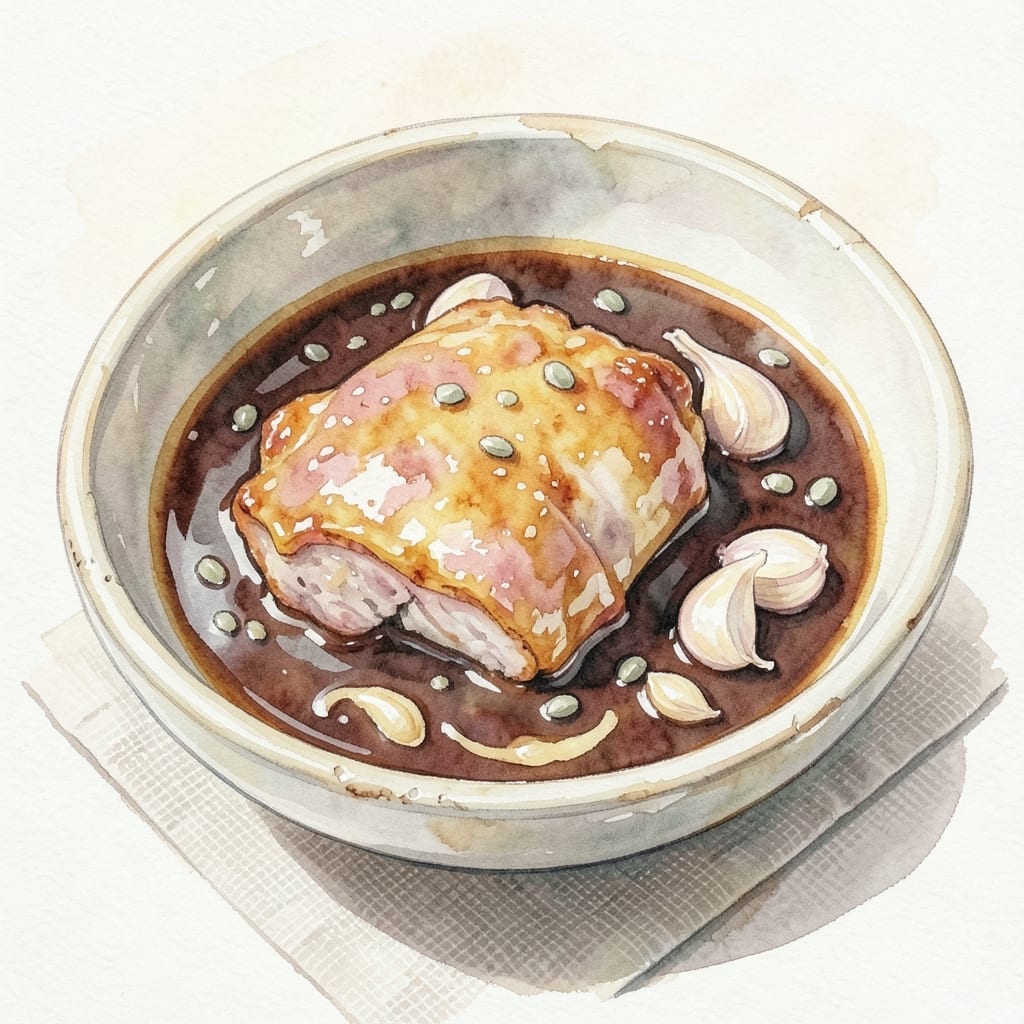
Bicol Express pork belly delivers the perfect marriage of crispy edges and tender meat in a tangy, peanut-infused sauce that defines Filipino comfort food. 🔥 I first encountered this dish in a bustling Bicolano restaurant where the aroma of caramelized pork belly and vinegar sauce filled the air, creating an instant craving. The secret lies in balancing the sweetness of the pork with the sharp tang of vinegar and the nutty depth of crushed peanuts.
This recipe transforms tough pork belly into melt-in-your-mouth perfection through slow braising, creating those coveted crispy edges while keeping the interior juicy. The sauce—thickened with peanut butter and vinegar—develops a rich, complex flavor that coats every bite, offering a symphony of textures and tastes in one dish. What makes this recipe special is how it captures the soul of Bicolano cuisine in your own kitchen.
The process begins with searing the pork belly to render fat and build flavor, followed by a slow braise that tenderizes the meat. The sauce comes together in a single pot, where vinegar cuts through the richness while peanuts add a satisfying crunch. By the time you plate this dish, you'll have a restaurant-quality meal that's sure to impress, with every bite offering a perfect balance of crispy, tender, and tangy.
Serve this Bicol Express pork belly with steamed rice to soak up every last drop of that flavorful sauce, or pair it with a side of sinigang for a complete Filipino feast. The dish reheats beautifully, making it perfect for meal prep or feeding a crowd. Let's get cooking!
Ingredients for bicol express pork belly
Six servings of crispy-edged pork belly, tangy peanut sauce, and smoky aromas—this is Filipino comfort food at its finest.
| Ingredient | Amount | Notes |
|---|---|---|
| Pork Belly 🥓 | 3 lb | Skin-on, cut into 1-inch cubes |
| Coconut Milk 🥥 | 1 ½ cups | Full-fat, canned preferred |
| White Vinegar 🍶 | ½ cup | Distilled, not apple cider |
| Peanut Butter 🥜 | ½ cup | Smooth, natural preferred |
| Crushed Peanuts 🥜 | ½ cup | Unsalted, for garnish |
| Garlic Cloves 🧄 | 6 cloves | Minced, for sauce |
| Onion 🧅 | 1 whole | Yellow, diced |
| Soy Sauce 🍶 | ¼ cup | Dark, for depth |
| Brown Sugar 🍯 | ¼ cup | Packed, for balance |
| Black Peppercorns 🌶️ | 1 tsp | Cracked, for heat |
| Bay Leaves 🍃 | 2 whole | For aromatic depth |
| Olive Oil 🫒 | 2 tbsp | For searing pork |
| Salt 🧂 | 2 tsp | Kosher, for seasoning |
| Water 💧 | 1 cup | For braising liquid |
The pork belly is non-negotiable for that signature crispy edge. Look for thick-cut pieces with good marbling—ask your butcher to cut it into 1-inch cubes if pre-cut isn't available. I always grab mine from Filipino grocery stores (like Filipino Mart or Asian Food Grocer) where they pre-cut it just right. If you're using store-bought, pat it dry with paper towels before searing—this helps crisp those edges. The skin should be intact for maximum flavor, but if it tears, don't stress. Just save those crispy bits for the sauce!
No coconut milk? Substitute with 1 cup full-fat Greek yogurt plus 0.5 cup water—it won't be identical, but close. Peanut butter brands matter—Jif Natural or Smucker's work best without added oils. Short on crushed peanuts? Toast whole peanuts in a dry pan for 3-4 minutes, then crush them with a rolling pin. The vinegar is key—distilled white vinegar gives that classic tang, while apple cider vinegar adds fruity notes. For extra depth, add 1 tsp fish sauce (optional but recommended for authenticity). The brown sugar can be swapped for coconut sugar if you prefer a caramelized finish.
This dish tastes even better the next day—plan ahead! Store leftovers in the fridge for 4-5 days or freeze for 3 months. The sauce thickens as it cools, so add a splash of water when reheating. Garnish with extra crushed peanuts right before serving for that satisfying crunch. Serve with steamed jasmine rice to soak up every last drop of that smoky, tangy sauce. Pro tip: Save some of the cooking liquid for sinigang or rice dishes—it's packed with flavor!
Why You'll Love This Recipe
- One-Pot Magic: The pork belly browns right in the same pot where the coconut milk and peanut butter sauce simmer—no extra dishes, no stress. Honestly, I’ve made this at least 10 times, and the only thing I scrub is my own hands.
- Creamy-Tangy Crunch: That peanut butter swirled into the coconut milk? Rich, nutty, and balanced by the vinegar’s sharp bite—like a hug from a Filipino comfort dish. The crushed peanuts on top add texture that makes every bite feel special.
- Weeknight Hero: Toss in some steamed rice, and it’s dinner in 45 minutes. My college kids devour it straight from the pan, and honestly? That’s the real win—no fuss, just food they’ll actually eat.
- Budget-Friendly Feast: Pork belly stretches across multiple meals, and the sauce only needs a handful of pantry staples. I’ll be real: the first time I made this, I doubled the recipe and had leftovers for three days—no takeout, no guilt.
Step-by-step instructions for Bicol Express pork belly
Here's how to create restaurant-quality Bicol Express with perfectly crispy edges and rich, tangy sauce.
🔥 Step 1: Sear the Pork Belly for Maximum Crisp
Heat a large Dutch oven over medium-high heat until hot. Add the 2 tablespoons olive oil and swirl to coat the bottom. Working in batches (don't overcrowd), add the 3 lb pork belly cubes and sear for 3-4 minutes per side until deep golden brown and crispy.
Here's the thing—you want those edges to develop a dark mahogany crust. Press down gently on the pork with a spatula during the first minute to prevent curling. If the oil starts smoking excessively, reduce heat slightly but don't let it cool completely. Transfer the seared pork to a plate and set aside.
🍳 Step 2: Build the Flavorful Base
In the same Dutch oven, add 1 tablespoon olive oil (you'll use the remaining tablespoon later). Add the diced onion and cook for 5 minutes until softened and golden. Stir in the 6 cloves minced garlic and cook for 30 seconds until fragrant—don't let it burn.
Add the 1 teaspoon cracked black peppercorns and 2 whole bay leaves, stirring for 10 seconds to toast the spices. This step unlocks the aromatic foundation of your dish. Keep the heat at medium throughout this process to prevent burning the delicate aromatics.
🥘 Step 3: Braise with Vinegar and Coconut Milk
Pour in the 0.5 cup white vinegar and 0.25 cup soy sauce, scraping up all the browned bits from the bottom. Add the 1.5 cups coconut milk and 1 cup water, then return the pork belly to the pot. Bring to a gentle simmer over medium-low heat.
Here's where the magic happens: cover the pot and simmer for 1 hour until the pork is fork-tender. You'll notice the sauce reduces slightly and develops a beautiful glossy sheen. If the liquid reduces too much before the pork is tender, add 2-3 tablespoons water to maintain a light braising liquid.
🍳 Step 4: Finish with Peanut Butter and Sugar
After the pork is tender, increase heat to medium-high and let the sauce reduce by half (about 5-7 minutes). Stir in the 0.5 cup peanut butter and 0.25 cup brown sugar until completely dissolved. The mixture will look thick and luxurious—this is what gives Bicol Express its signature richness.
Simmer for another 2-3 minutes until the sauce coats the back of a spoon. Taste and adjust seasoning with additional salt if needed. The peanut butter adds an unexpected depth that balances the vinegar's tanginess perfectly.
🔪 Step 5: Garnish and Serve with Crispy Toppings
Remove the pork belly from the pot and arrange on a serving platter. Ladle the peanut-vinegar sauce generously over the top. Sprinkle with the 0.5 cup crushed peanuts for texture contrast and serve immediately.
Each bite should deliver crispy pork edges, tender meat, and a complex sauce that's tangy, sweet, and nutty all at once. The crushed peanuts add a satisfying crunch that cuts through the richness. For extra drama, serve with steamed jasmine rice to soak up every last drop of that incredible sauce.
Pro Tips For Making Bicol Express Pork Belly
- CRISP THE BELLY FIRST: Skip the raw pork belly straight into the coconut milk—it’ll turn greasy and soggy. Sear the skin-side down in a hot pan until deeply golden (about 8-10 minutes), then flip briefly to render fat. The crust locks in flavor and keeps the meat from falling apart later.
- THIN THE COCONUT MILK: Don’t just dump in the full can—strain out the thick pulp first (or blend it smooth) to avoid a gluey sauce. If it’s too rich, add 2-3 tablespoons of water or broth to balance the peanut butter’s heaviness. Trust me, your sauce will thank you.
- CONTROL THE VINEGAR: Add the white vinegar last, just off the heat, and stir gently—too early, and it’ll cook off completely, leaving your dish bland. Taste as you go; you’re aiming for tangy, not sour. (And no, the whole bottle isn’t needed.)
- TOAST THE PEANUTS SEPARATELY: Skip tossing crushed peanuts into the pan—they’ll burn before the pork belly finishes. Instead, dry-toast them in a separate pan over medium heat for 2-3 minutes until fragrant. Sprinkle them on at the very end for crunch and depth. (Yes, even if you’re impatient like me.)
Pro cooking tips for this recipe
Crisper Edges
For that signature Bicol Express crunch, I swear by searing the pork belly in two stages. First, render the fat over medium-high heat for 5 minutes to get it blistering. Then, transfer the pork to a wire rack set over a baking sheet and broil for 3-4 minutes—this creates an insane crispy crust without steaming the meat. I use a Lodge cast iron skillet for this because it retains heat perfectly and gives those edges that mahogany color. 🔥
Vinegar Control
The vinegar is what makes this dish sing, but too much can overwhelm. I start with ½ cup white vinegar and taste as I go—add 1 tablespoon at a time if needed. The key is balancing that sharp tang with the peanut butter's richness. Pro tip: Let the vinegar simmer uncovered for 2-3 minutes before adding the coconut milk. This helps mellow its acidity slightly while concentrating its flavor. 🍶
Peanut Butter Magic
Don't skimp on the peanut butter—this is where the sauce gets its velvety texture. I use Smucker's Natural because it's smooth and doesn't separate. When adding it to the pot, reduce heat to medium-low and stir constantly for 1-2 minutes to fully emulsify. If the sauce looks too thick, add 1 tablespoon water at a time until it reaches a pudding-like consistency. The peanut butter also helps balance the vinegar's acidity beautifully. 🥜
Braising Time
Patience is everything with braising. I've seen recipes say 45 minutes, but I go for full 90 minutes to ensure the collagen breaks down completely. The pork should fall apart easily with a fork. If your pork isn't tender enough, add ¼ cup hot water and continue cooking—just don't rush it. The longer it braises, the more flavorful the meat becomes. ⏰
Crushed Peanut Garnish
Freshly crushed peanuts are non-negotiable for that authentic Bicolano crunch. Toast them in a dry skillet for 2-3 minutes until golden, then crush with a rolling pin or mortar and pestle. Sprinkle them right before serving so they stay crisp. For extra drama, I sometimes toast 1 tablespoon sesame seeds with the peanuts to add another texture layer. 🌟
Leftovers Hack
This dish actually tastes better the next day! Store leftovers in an airtight container in the fridge for up to 5 days. When reheating, add 2 tablespoons water and simmer on low heat for 5-7 minutes—this prevents the sauce from drying out. The flavors meld even more overnight, making it perfect for meal prep. The crispy edges might soften slightly, but the sauce becomes even more concentrated. 💡
Nutrition facts
Frequently asked questions
Can I use regular pork shoulder instead of pork belly for this recipe?
While pork shoulder works in a pinch, it won't give you that signature crispy edge that makes Bicol Express special. Pork belly has more fat marbling that renders beautifully, creating those coveted crispy bits. If you must use shoulder, ask your butcher for a well-marbled cut and cut it into smaller pieces to maximize surface area for browning.
How do I know when the pork belly is fully tender?
Your pork belly is ready when it easily separates with a fork or spoon. For best results, aim for 90 minutes of braising time. If you're unsure, cut into a small piece—it should be fork-tender with no resistance. The sauce should also coat the pork completely, indicating it's absorbed enough moisture.
What if my sauce turns out too thin or too thick?
If your sauce is too thin, simmer uncovered for 5-7 minutes to reduce it. For a thicker sauce, stir in 1 tablespoon cornstarch mixed with 2 tablespoons water and simmer for 1-2 minutes until it reaches your desired consistency. The peanut butter should help thicken it naturally, but adjustments might be needed based on your ingredients.
Can I make this dish in a slow cooker?
Sear the pork belly first, then transfer everything to your slow cooker and cook on low for 6-8 hours. For the sauce, add the peanut butter and sugar during the last 30 minutes of cooking. The slow cooker method is perfect for hands-off prep, though you'll lose some of the crispy edges—just broil for 2-3 minutes before serving to restore some texture.
What are the best side dishes to serve with Bicol Express?
Steamed jasmine rice is the classic pairing, but you can also serve it with sinigang (Filipino tamarind soup) or garlic fried rice. For a fresh contrast, add a simple cucumber salad with vinegar and chili. The tangy, spicy notes complement the rich pork belly beautifully.